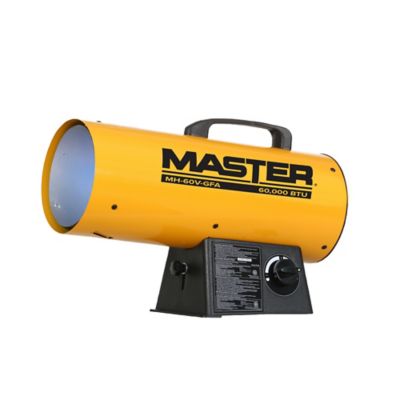
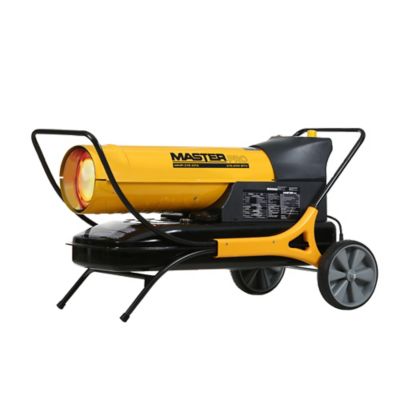
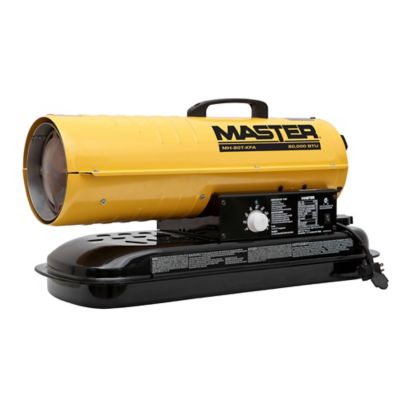
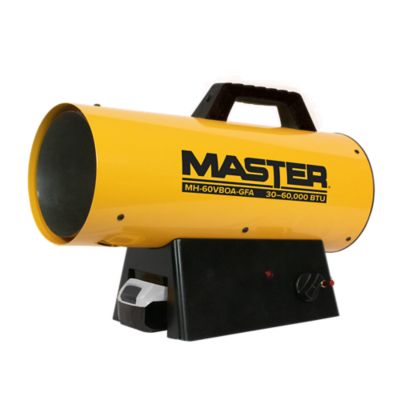
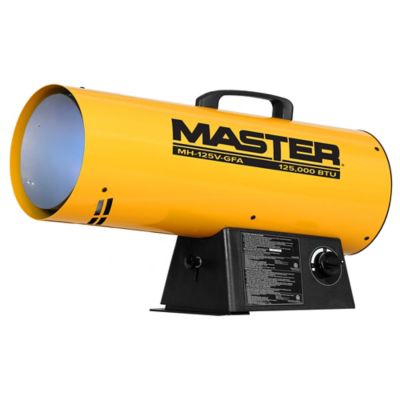
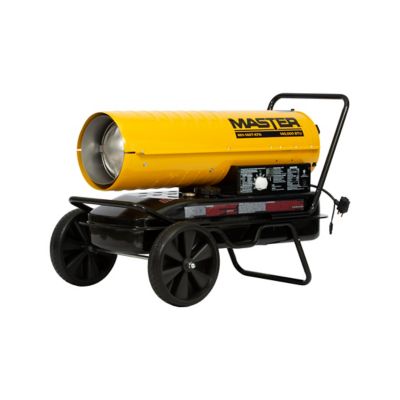
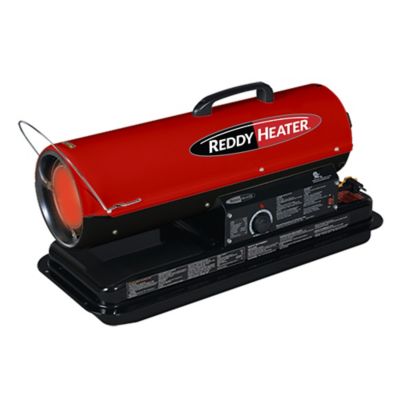
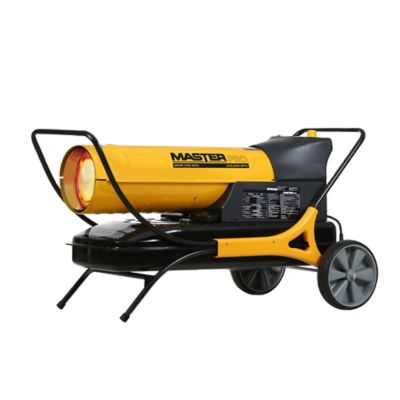
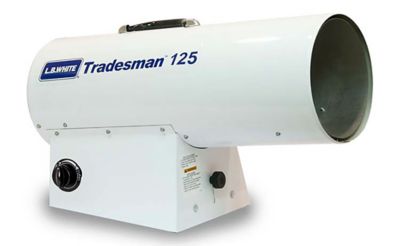
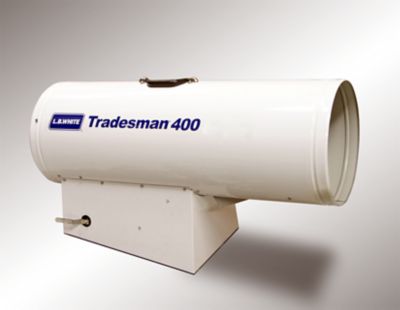
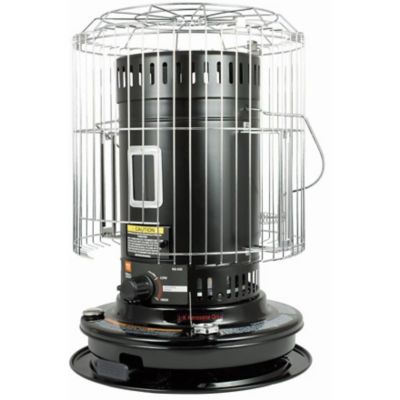
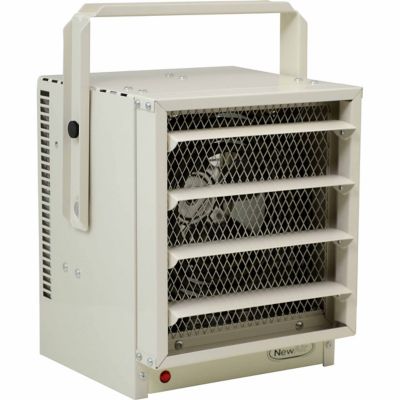
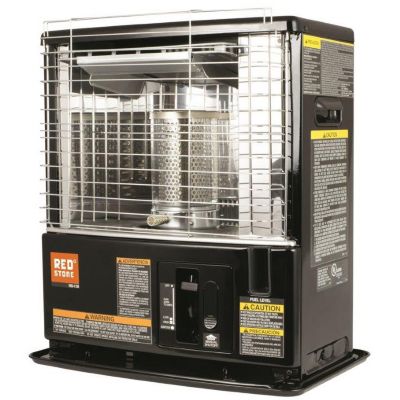
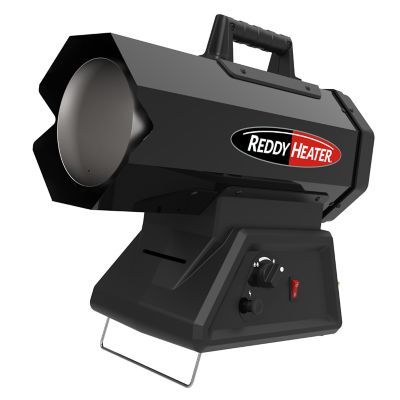
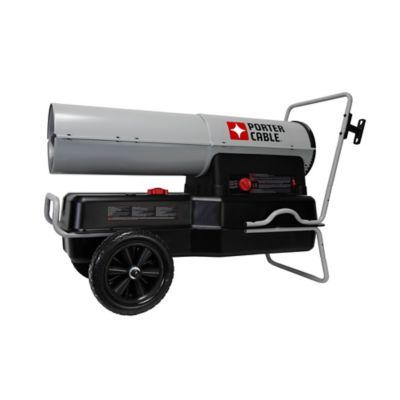
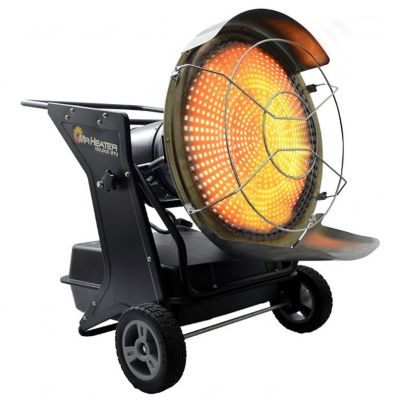
A torpedo heater is a portable forced-air heater that uses a fan to push heated air through a long, cylindrical housing. Often called salamander heaters, these heaters provide concentrated heat for suitable work areas where a small room heater may not keep up. Fuel-burning models commonly run on kerosene, diesel, or propane, depending on their design, while electric forced-air models draw their heat from electrical elements. Each type has different fuel, power, clearance, and ventilation requirements, so matching the heater to the workspace matters just as much as its heat output. On a farm or jobsite, torpedo heaters can help take the bite out of cold-weather work in properly ventilated equipment sheds, open construction areas, and other locations approved by the manufacturer. They suit temporary heating needs rather than serving as a replacement for a building’s permanent heating system. Picture a crew sorting hardware before a fence repair or a mechanic setting up for an equipment service job: a steady stream of warm air can make a designated work area more comfortable without requiring a fixed installation. Heating capacity is commonly listed in BTU per hour for fuel-burning heaters and watts or kilowatts for electric models. A larger number indicates more heat output, but floor area alone does not tell the whole story. Ceiling height, insulation, open doors, air movement, and required ventilation all affect how much warmth stays in the space. A tall metal building with frequent equipment traffic presents a different heating job than a smaller, insulated work area. Published coverage figures are best treated as estimates tied to particular conditions, not promises for every building. Airflow matters, too: torpedo heaters move warm air in a defined direction, making placement important for comfort and safe operation. A suitable spot provides a stable surface, the specified clearance on every side, and an unobstructed path for both incoming air and heated discharge. The goal is useful warmth where work happens, without putting the heater in a walkway or aiming it at nearby materials.
The differences between torpedo heaters become clearer when considering a full workday, from carrying the heater out to putting it away. Steel housings, protective grilles, sturdy support frames, and well-positioned handles are practical features for equipment that travels between approved work areas. Larger designs may have wheels that make moving an empty, cool heater easier across a firm surface, while smaller designs may be easier to lift into a designated storage spot. Overall dimensions matter as much as weight when the heater needs to fit through a doorway or ride with other equipment. Handles and wheels are for moving the unit according to its instructions, never for repositioning it while running or hot. Fuel choice also shapes the setup. Liquid-fuel models may have an onboard tank, while propane designs typically connect to a separate cylinder with a specified hose and regulator. Only the fuels listed by the manufacturer belong in a heater; different grades and blends are not automatically interchangeable. Tank capacity and fuel consumption influence potential run time, though operating settings and conditions can change how long a fill lasts. Many fuel-burning torpedo heaters still need an electrical connection for the fan, ignition, or controls, so a fuel tank does not necessarily mean operation away from an outlet. Electric models need a circuit, voltage, and receptacle that match their requirements, and higher-output designs may require more than a standard household outlet. Thermostatic controls, where included, can help manage the temperature around the control’s sensing location, but they do not guarantee even warmth throughout a drafty building. Noise is another consideration, especially where people need to hear instructions or communicate across a work area. Comparing torpedo heaters with other
Temporary Heaters can help match the heating method to the task, whether the priority is directed airflow, a particular power source, or a setup suited to the space.
Safe operation and regular care are part of owning a torpedo heater, especially around the everyday clutter of a working farm or shop. Most fuel-burning torpedo heaters are direct-fired, meaning combustion gases enter the same area as the heated air. These models require ventilation exactly as specified by the manufacturer and are not intended for homes, sleeping spaces, enclosed garages, or other unventilated areas. An open door by itself is not proof that a space has enough ventilation. Carbon monoxide has no color or smell, and a carbon monoxide alarm does not replace the ventilation a heater requires. Electric heaters do not produce combustion gases at the heater, but their hot surfaces and electrical demands still call for careful placement and operation. Any heater needs the listed separation from walls, stored goods, and overhead materials. Hay, straw, bedding, sawdust, fuel containers, paint, solvents, and other combustible materials need particular attention; a heater is not suitable for a location containing flammable vapors or explosive dust. Children, pets, and livestock also need separation from hot surfaces, cords, hoses, and the discharge area. Built-in protections, such as overheat shutoffs or flame monitoring where equipped, support safe operation but do not replace supervision or proper setup. Routine care helps keep airflow clear and makes damage easier to spot. With the heater off, disconnected as directed, and fully cool, accessible surfaces and grilles can be cleaned according to the manual. Filters, fuel lines, hoses, electrical cords, and connections need inspection at the intervals the manufacturer specifies, with damaged components addressed before another heating session. Liquid-fuel heaters must be shut down and allowed to cool before refueling, with fuel handled away from ignition sources. Storage instructions matter as well, particularly for remaining fuel and protection from moisture. A clean, dry storage spot and the specified maintenance help keep a torpedo heater ready for its next approved task, whether that means a short repair job or a longer stretch of cold-weather work.