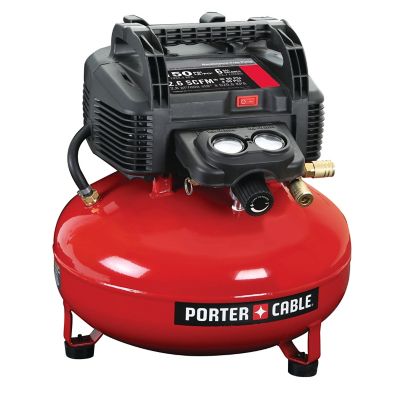
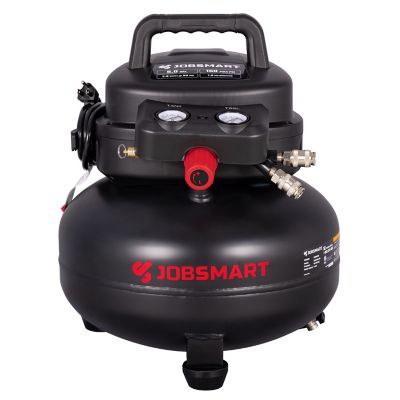
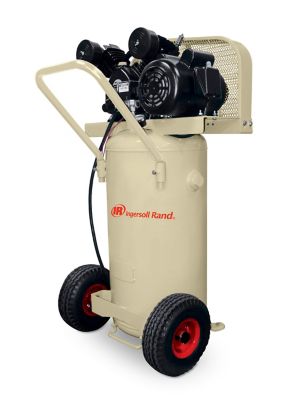
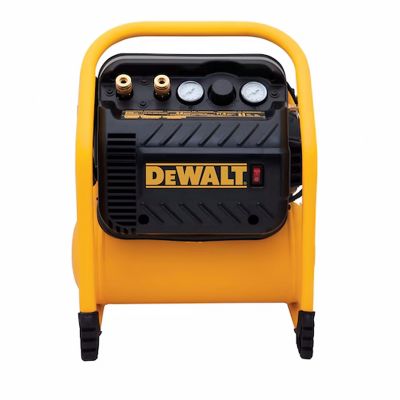
An air compressor brings steady working power to the garage, farm shop, and jobsite, whether the task is fastening trim, inflating equipment tires, or running compatible pneumatic tools. The right fit depends less on the biggest number on the tank and more on the work waiting at the other end of the hose. Tank capacity, measured in gallons, describes how much compressed air the tank can store. Maximum pressure, measured in pounds per square inch, or PSI, describes a pressure limit rather than the amount of air a machine can deliver continuously. Airflow, commonly listed as standard cubic feet per minute, or SCFM, shows delivery at a stated pressure and is especially helpful when matching a compressor with a tool. A finish nailer draws air in short bursts, while a sander or spray gun may need a much steadier supply. That difference matters when moving from a few pieces of door casing to a long stretch of shop work. A larger tank can provide a longer reserve before pressure drops, but it does not make up for a pump that cannot keep pace with the tool. Recovery time and duty cycle also affect how comfortably a compressor handles repeated work; duty cycle describes how much operating time the machine permits within a given period under specified conditions. For a homeowner handling occasional repairs, a compact setup may suit the job without taking over a corner of the garage. A contractor carrying equipment between rooms may put more weight on portability and quick connections. Someone maintaining gates, trailers, and machinery may need greater airflow for longer sessions. Tool requirements, including airflow at the recommended operating pressure, provide a better basis for comparison than tank size alone. For tire work, the distinction between an inflator and a tank-style compressor matters, too: a compact inflator is generally meant to add air to tires and other approved inflatables, not supply the airflow needed to run pneumatic nailers or impact tools.
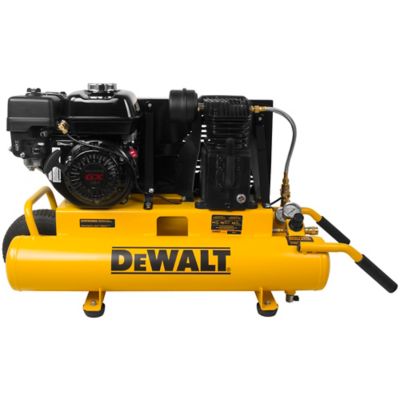
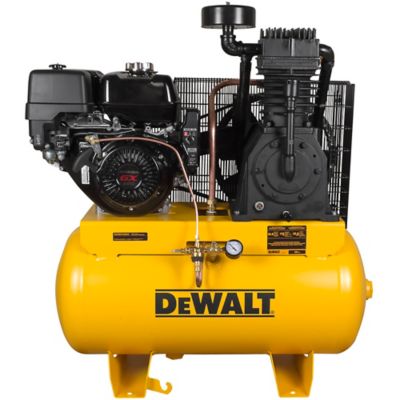
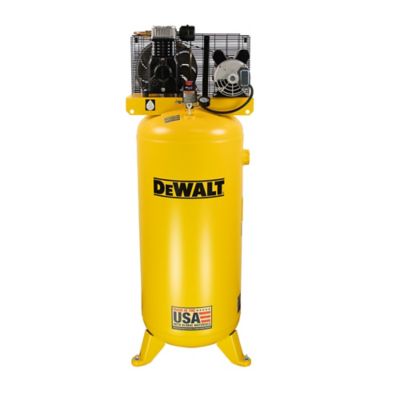
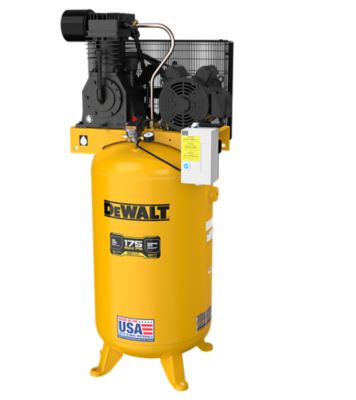
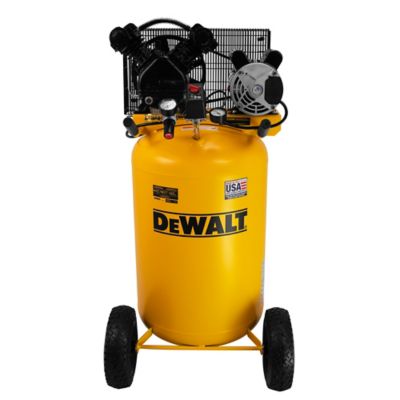
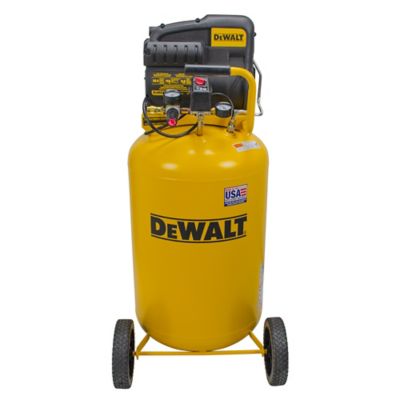
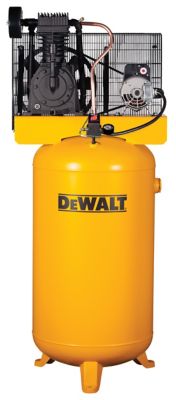
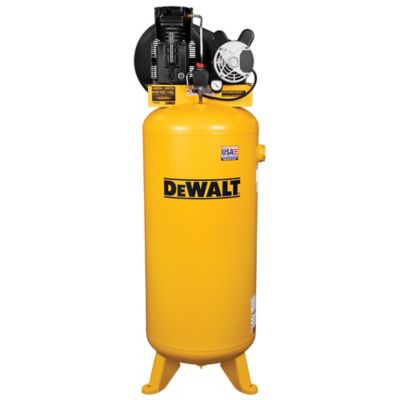
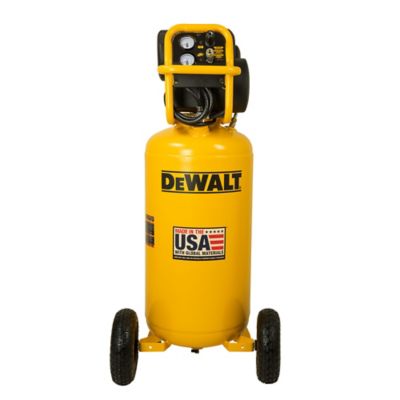
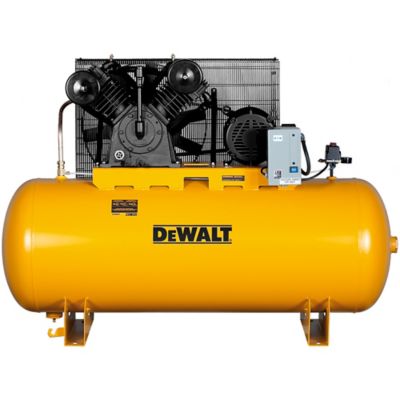
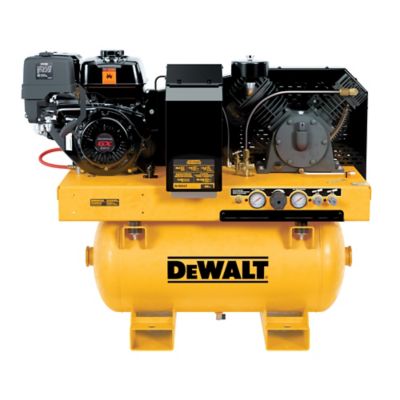
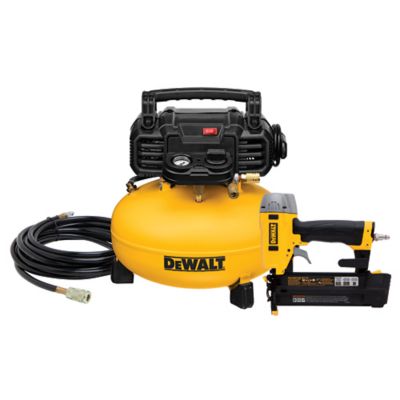
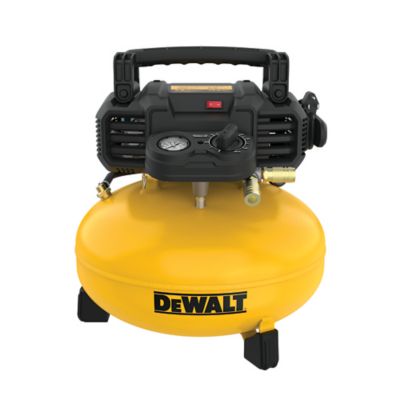
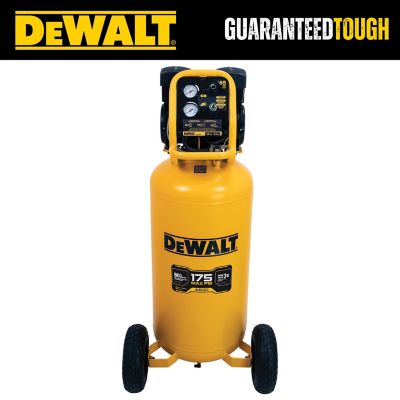
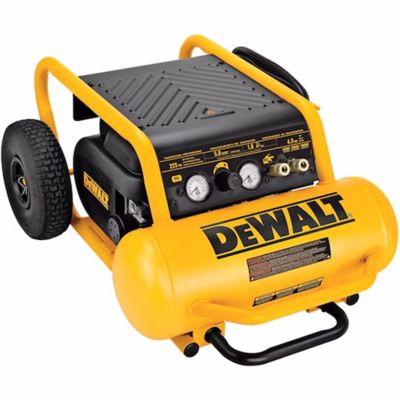
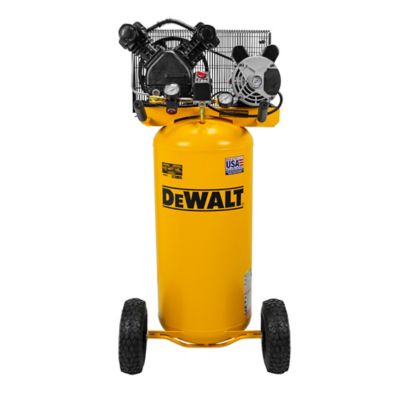
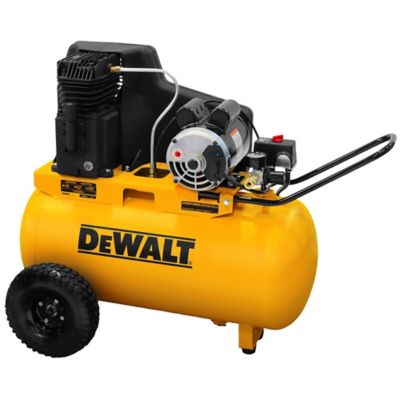
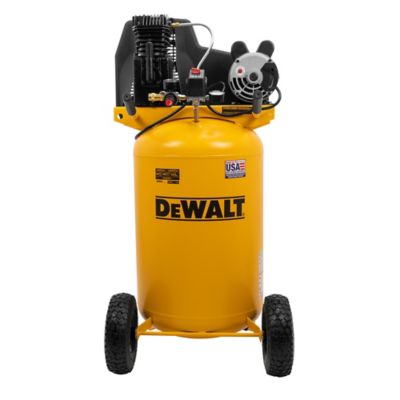
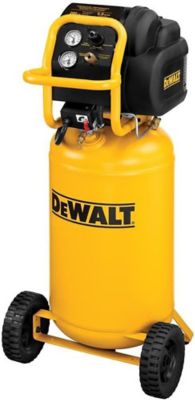
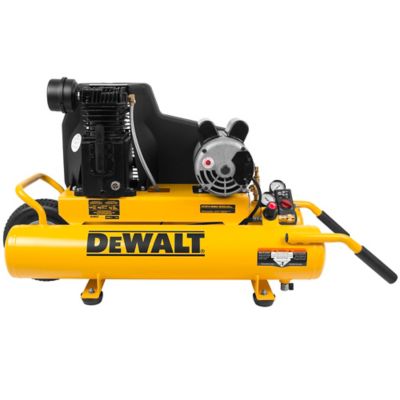
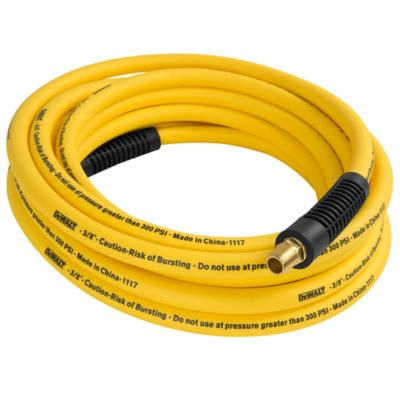
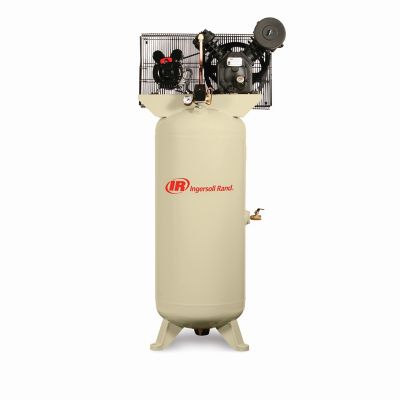
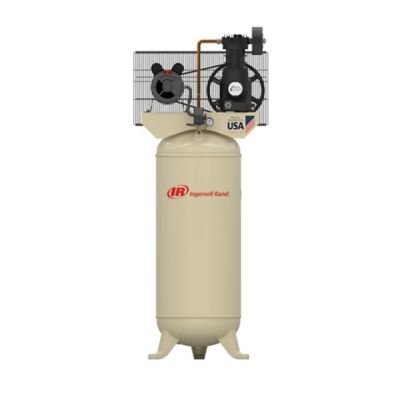
Air compressor shapes and construction make a practical difference when equipment travels from a pickup bed to a barn aisle or stays beside a workbench. Pancake-style tanks have a broad, low profile, while horizontal tanks often pair with wheels and handles for movement across firm, level ground. Vertical configurations can leave more floor space open, although overall height and clearance still matter beneath shelves or beside cabinets. Steel tanks are common, and protective frames, sturdy handles, rubber feet, and guarded components can help equipment stand up to the knocks and vibration that come with regular work. Carrying weight deserves a close look when stairs, gravel drives, or frequent loading are part of the day. Wheels help with transport, but their size and the balance of the machine affect how manageable it feels outside a smooth shop floor. Hose reach also changes the setup: enough length can keep the compressor out of a tight work area, while excessive length or an undersized hose can contribute to pressure loss at the tool. Coupler style, fitting size, hose pressure rating, and regulator range all need to suit the intended connection. Easy-to-read gauges and accessible controls make it simpler to monitor tank pressure and set outlet pressure without leaning around the machine. Power requirements are another part of the fit. Electric compressors need the voltage, circuit capacity, and connection specified by the manufacturer; a nearby outlet alone does not establish compatibility. Where permitted by the manual, an appropriate air hose can offer working reach without relying on an unsuitable extension cord. Gas-powered equipment belongs outdoors, away from doors, windows, and vents, because engine exhaust can cause carbon monoxide poisoning. Sound levels matter in attached garages and shared work areas as well. Published decibel ratings are most helpful when testing conditions are comparable, and a quieter machine still calls for hearing protection when the task and surrounding noise warrant it. These details shape how comfortably a compressor fits into an ordinary workday.
Long service life comes from matching the pump design to the workload and keeping up with the care that design requires. Oil-free pumps remove the need for routine pump-oil changes, but they still need attention to the tank, air intake, fittings, and other service points named in the manual. Oil-lubricated pumps require the specified lubricant and checks at the recommended intervals. Either way, moisture collects as compressed air cools inside the tank, making the drain valve an important feature rather than an afterthought. An accessible drain makes routine moisture removal less awkward, especially when the compressor sits low to the floor. Following the manufacturer's draining procedure helps limit internal corrosion, while a clean, dry storage spot protects the machine between jobs. During cooler weather, operating-temperature limits and moisture management deserve extra attention, particularly in an unheated shed or detached garage. Air treatment requirements vary with the task: painting may call for filtration and moisture control, while some pneumatic tools require lubrication according to their own instructions. Keeping those needs separate helps prevent oil or moisture from reaching work that calls for clean air. A tidy hose path, secure fittings, and eye protection belong in the setup, whether the afternoon involves repairing a shed door or getting trailer tires ready for a haul. Tire pressure should follow the vehicle or equipment manufacturer's recommendation rather than the compressor's maximum setting. Before service, disconnecting power and relieving pressure as directed helps keep stored energy from turning a routine check into an injury. For shoppers comparing layouts and operating requirements, the
Ridgid Air Compressor page offers another place to consider how tank size, airflow, and portability align with the job. An air compressor can also make a practical gift for someone building out a home shop, provided its power needs, tool compatibility, and storage footprint suit that person's space. From small fastening jobs to equipment upkeep, the best match is a machine with the capacity and features to handle the actual work without making setup, transport, or routine care harder than it needs to be.