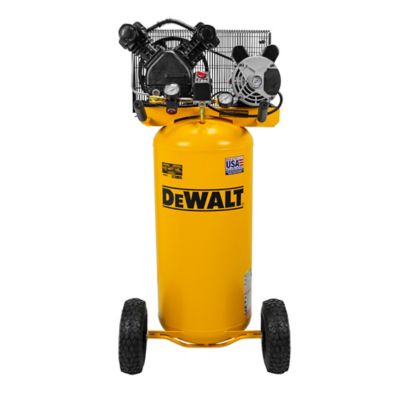
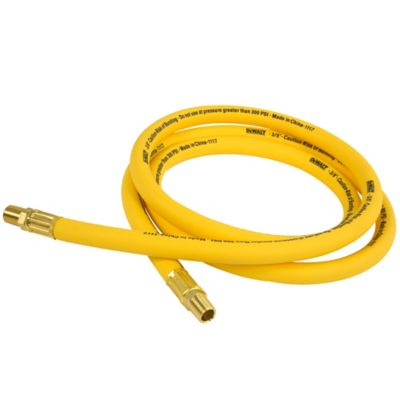
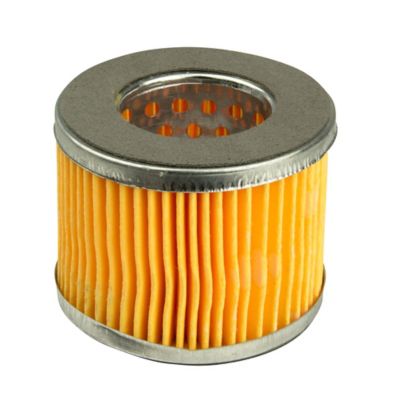
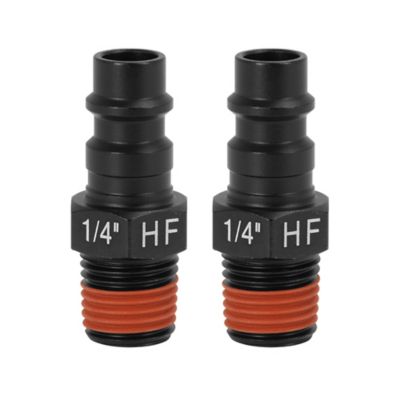
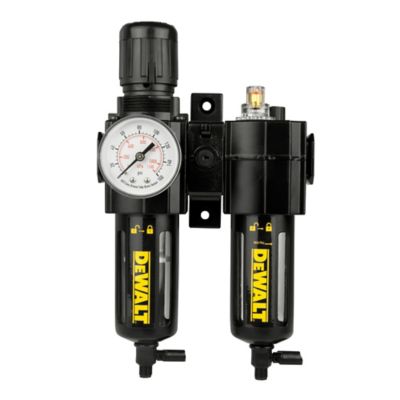
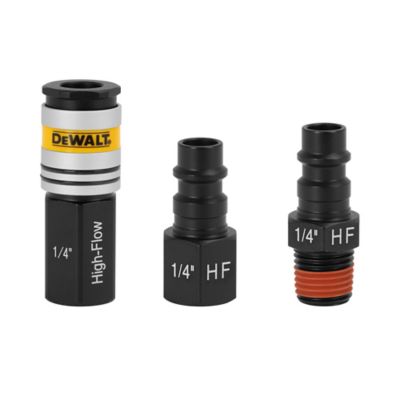
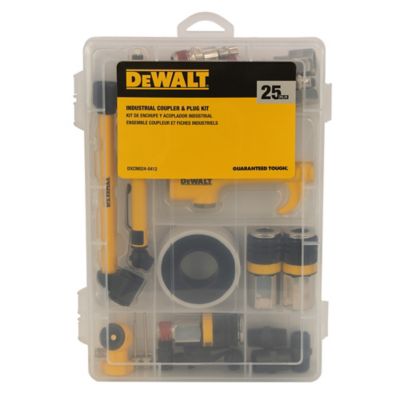
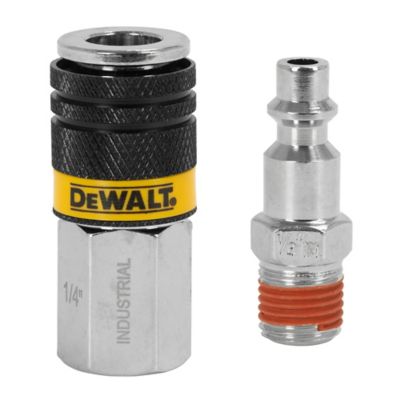
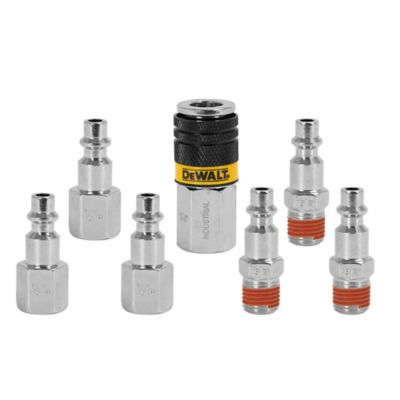
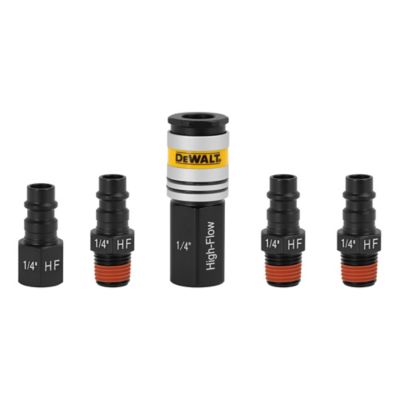
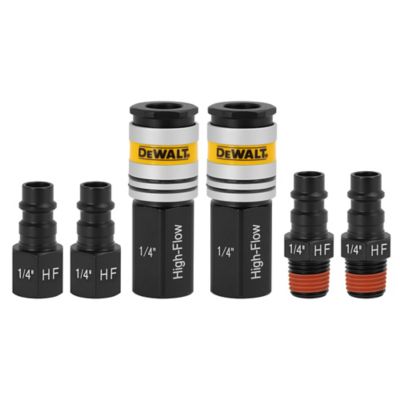
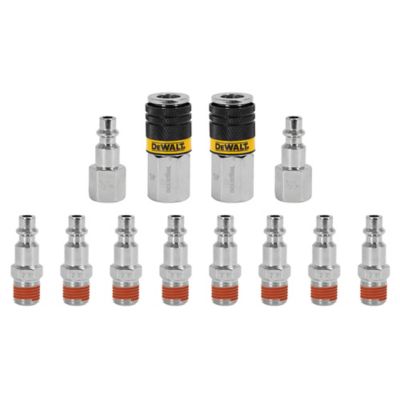
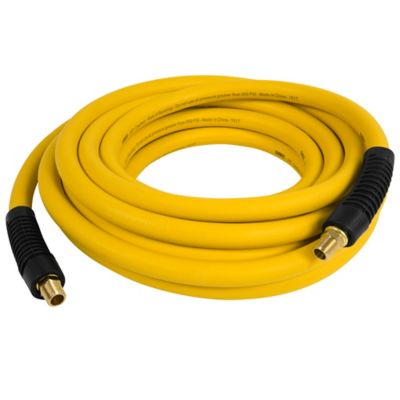
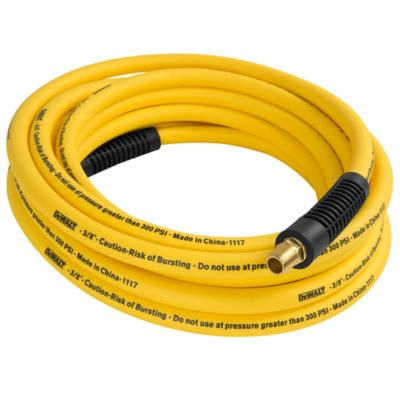
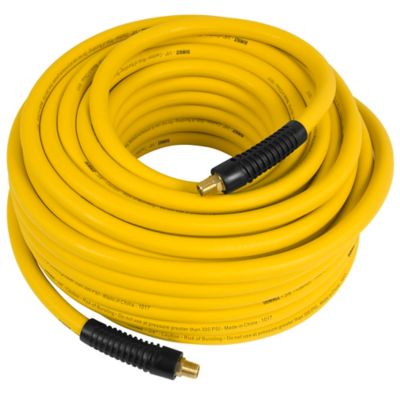
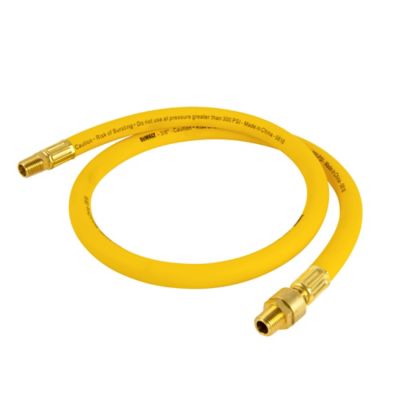
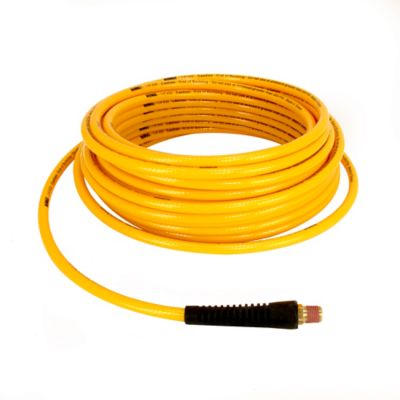
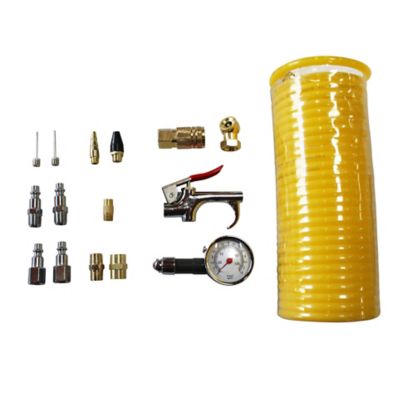
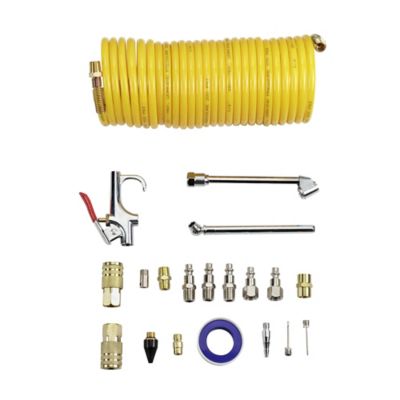
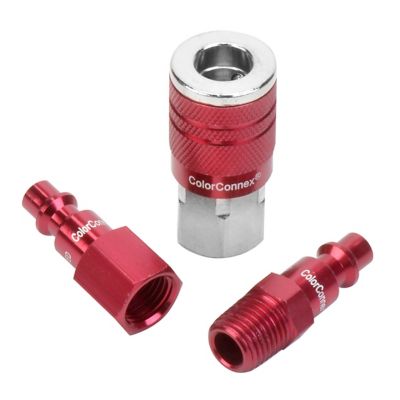
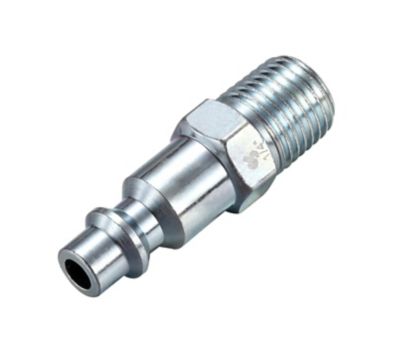
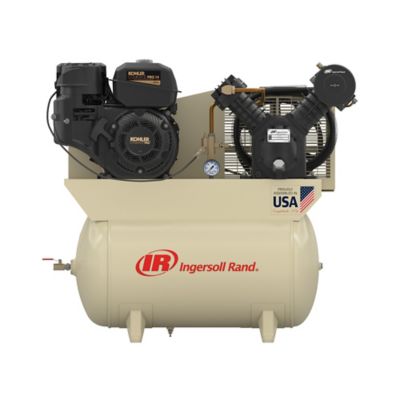
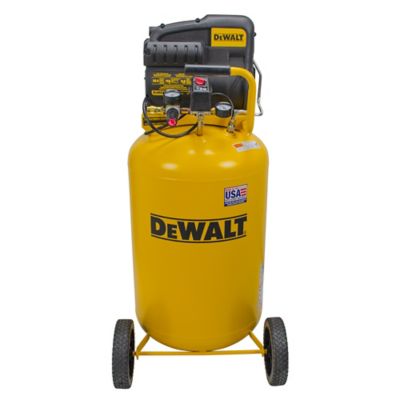
Keeping an air compressor in good working order can make a big difference around the farm, garage, jobsite or home workshop. A compressor that starts easily, builds pressure at a steady pace and delivers clean, dependable air is ready for everything from inflating tires and blowing dust out of equipment to running nailers, staplers, impact tools and other air-powered equipment. Over time, normal wear, moisture, dust and vibration can affect individual components. Replacement compressor parts help restore performance without requiring you to replace the entire machine. Before ordering, look for the model number and type or serial information on the compressor’s data plate. That information is usually found on a metal label near the tank, motor or control panel, and it is more useful than relying on the compressor’s general size or appearance. Two units that look nearly identical may use different fittings, switches, valves or pump components. Matching the exact model to a parts diagram or manufacturer listing helps you choose a proper fit, confirm connection sizes and avoid the frustration of opening a package only to find that a mounting hole, thread pattern or electrical connection does not line up. It is also smart to compare the old part with the replacement before installation, paying attention to thread direction, hose connections, pressure ratings and gasket placement. If you are shopping for a portable unit to pair with replacement parts or keep handy for smaller jobs, browse the
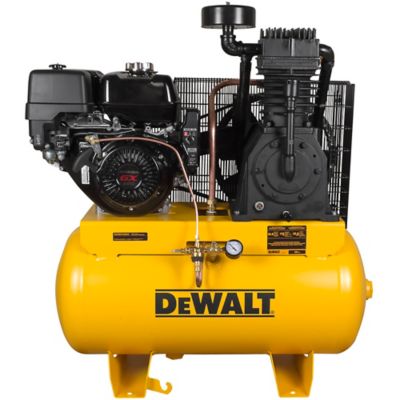
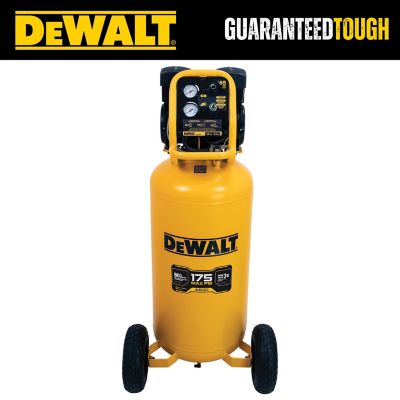
Portable Dewalt Air Compressor collection for additional equipment options.
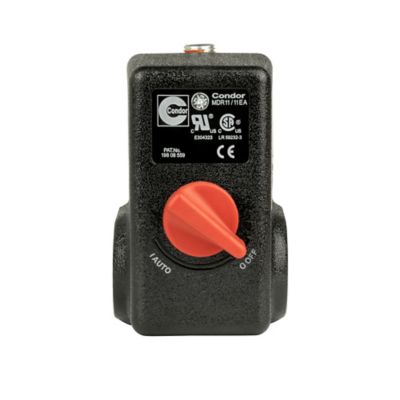
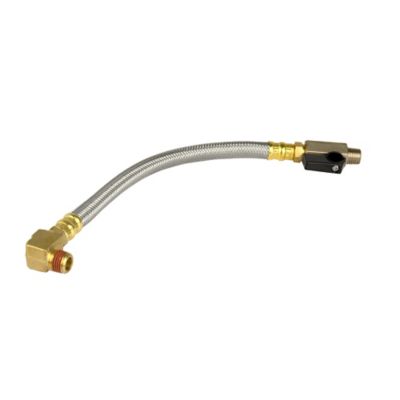
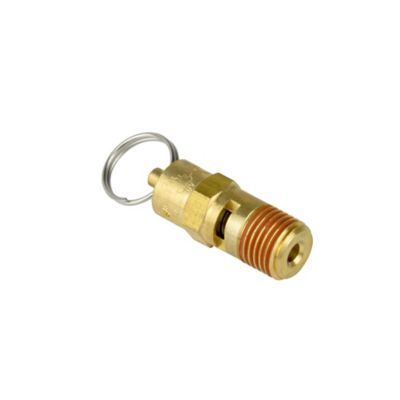
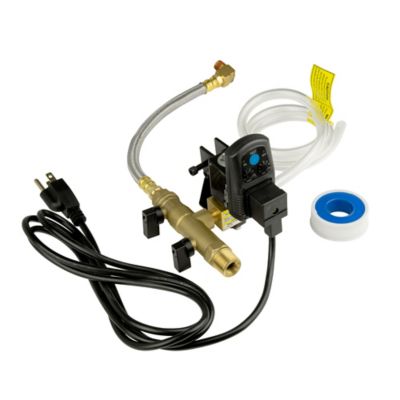
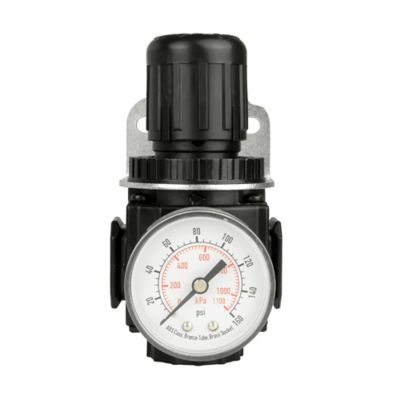
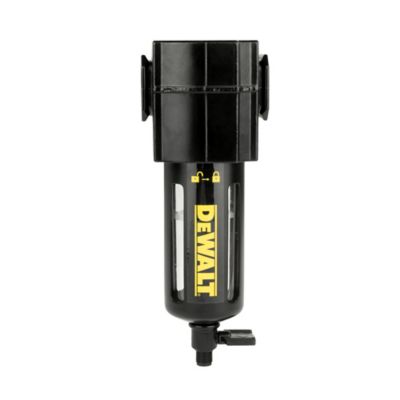
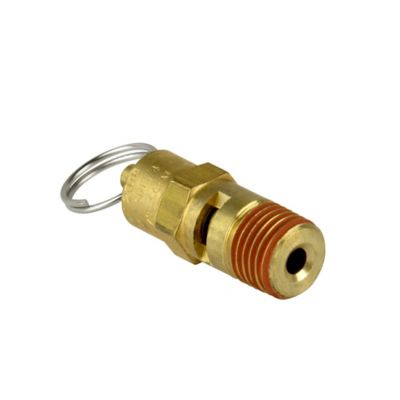
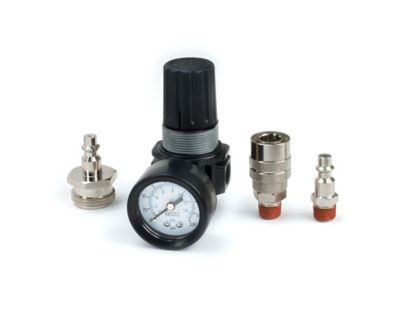
Some compressor parts are used for routine upkeep, while others address a noticeable change in performance. Air filters and breather caps help keep dust and grit from entering the pump, which matters even more in a gravel driveway, open-sided shed or busy shop where fine debris seems to settle on everything. Drain valves allow condensation to leave the bottom of the tank; draining moisture regularly helps reduce corrosion and keeps water from traveling down the air line into a tool or freshly painted surface. Regulators and manifolds help control outlet pressure and direct air where it needs to go, making it easier to set the compressor for a delicate finish nailer, a tire inflator or a tool that calls for higher air delivery. Pressure switches control when the motor turns on and off as tank pressure rises and falls, so a worn or faulty switch can affect cycling and overall operation. Pump-related parts, including piston and connecting rod components, may be considered when a compressor takes unusually long to fill, struggles to reach its normal pressure or loses air faster than expected. A damaged hose, fitting or check valve can create similar symptoms, so it helps to inspect the entire system before assuming the pump needs rebuilding. Listen for hissing around connections, apply an appropriate leak-detection solution where practical and check whether pressure drops while the unit is sitting unused. Always disconnect power and release stored air before servicing, and follow the equipment instructions for electrical work, tank pressure and approved replacement components. Never weld, drill or modify an air tank, and remove a tank from service if it shows serious rust, dents or other structural damage.
Replacement parts are useful for homeowners, farmers, mechanics, contractors, maintenance crews and anyone who depends on compressed air for regular work. A rancher may keep a drain valve and filter on hand before a stretch of dusty chores, while a woodworker may care most about clean air, dependable regulation and fittings that prevent interruptions during a long project. In a repair shop, a pressure switch or pump component can help bring a familiar compressor back into service rather than sending an otherwise useful machine to the scrap pile. These items can also make practical gifts for someone setting up a first workshop, maintaining tractors and trailers or spending cooler days rebuilding equipment indoors. Choose parts based on the job, the compressor’s exact specifications and the tools being used with it. Check pressure and airflow requirements, verify that replacement seals and fittings are compatible with the system and consider whether the work calls for a single repair part or a small maintenance group. Keeping a clean filter, drain valve, seal or fitting nearby can save a trip into town when a compressor is needed for an urgent repair. Store spare parts in a dry place away from fuel, fertilizer, solvents and direct weather exposure, and label them with the matching compressor model so they are easy to identify later. With the right match and careful installation, compressor parts can support steady air delivery through everyday chores, construction projects, seasonal equipment maintenance and the many small jobs that keep a place running.