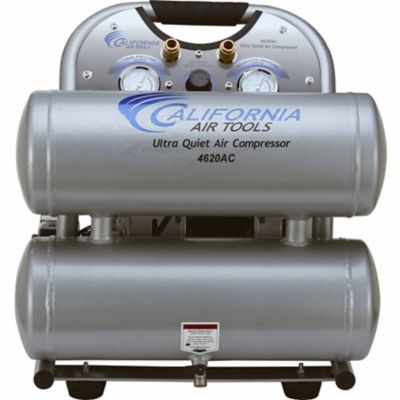
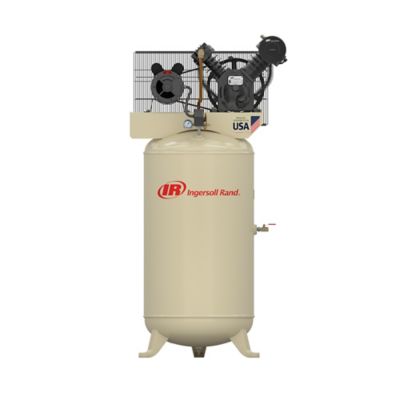
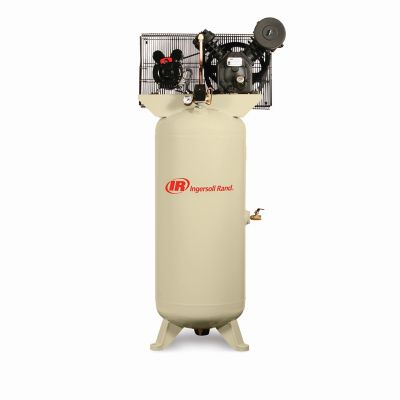
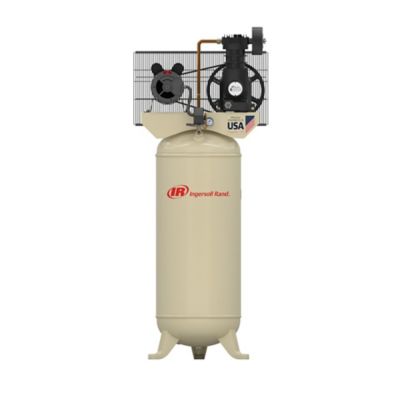
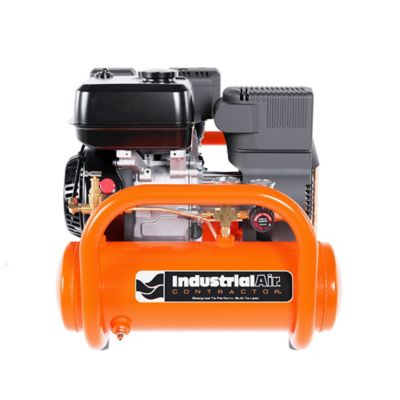
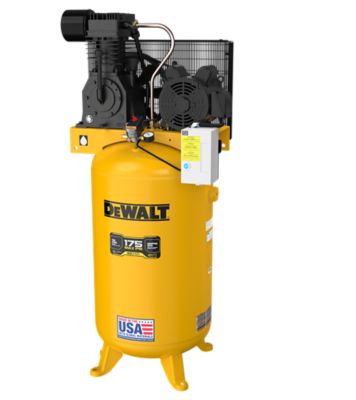
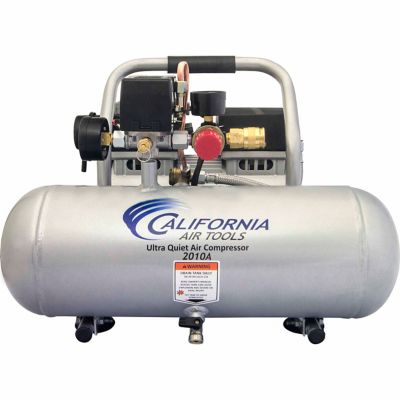
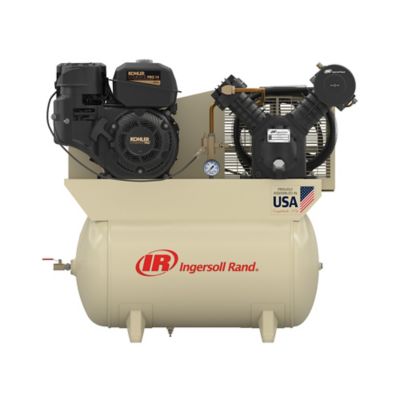
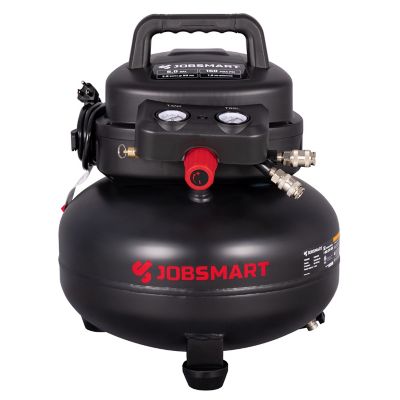
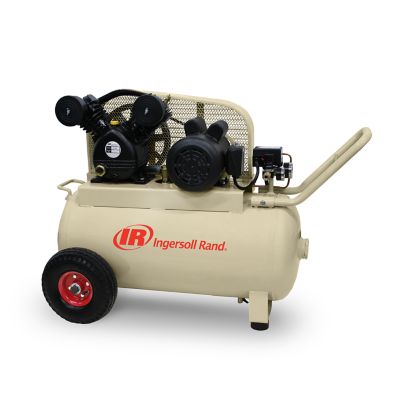
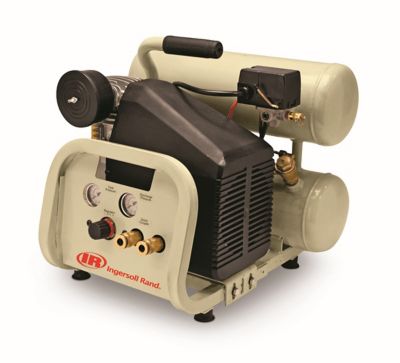
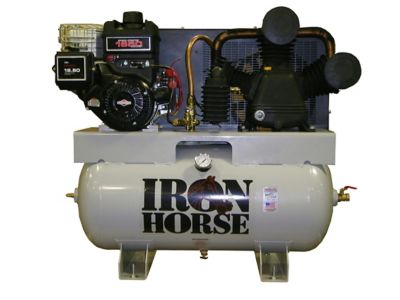
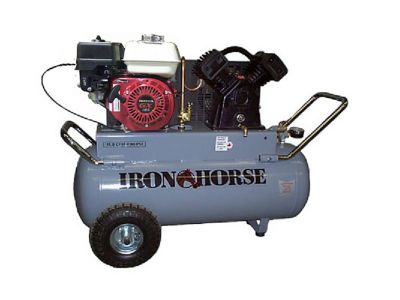
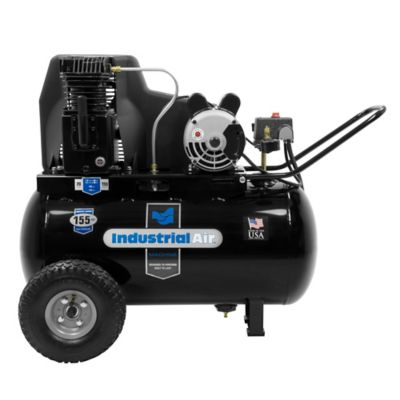
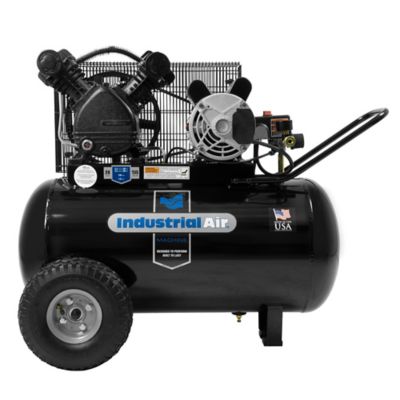
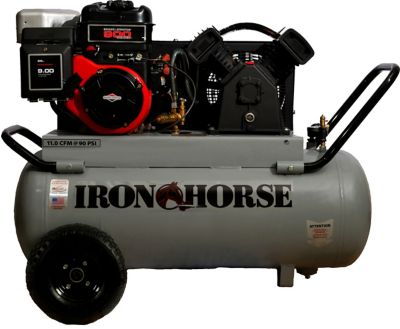
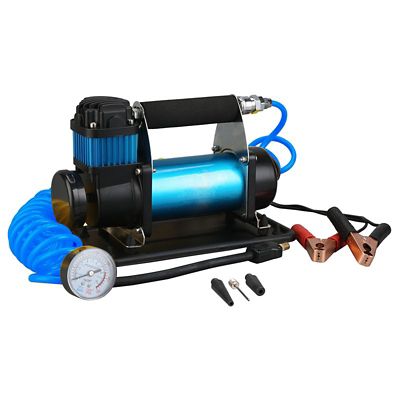
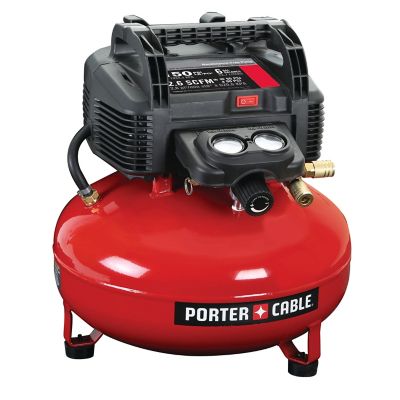
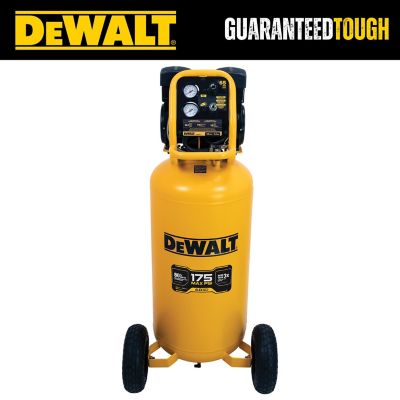
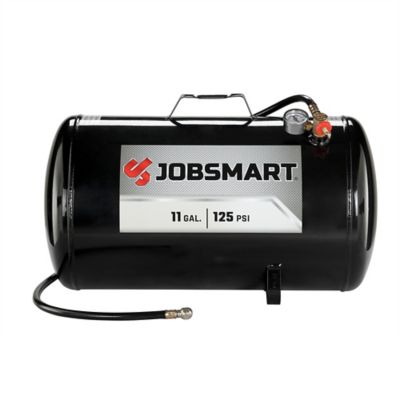
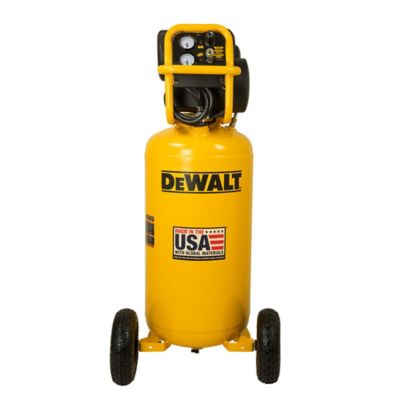
An air compressor earns its place in a farm shop or garage by turning electrical power into a steady supply of compressed air for compatible tools and inflation equipment. From fastening trim around a workshop door to filling a utility trailer tire before a haul, the right setup supports plenty of everyday work without taking over the whole workspace. Portable air compressors suit folks who move between a bench, a shed and a project across the property, while larger stationary designs make more sense for a dedicated work area with regular air demand. Tank size matters, but it tells only part of the story. A tank stores air; the pump determines how quickly that supply gets replenished. Cubic feet per minute, or CFM, describes airflow at a stated pressure, and that rating deserves a close look alongside the requirements of the tools connected to it. A nailer releases air in short bursts, while a grinder or sander can draw air steadily and call for considerably more output. Maximum pounds per square inch, or PSI, alone does not show whether a compressor can keep pace with either job. For a shopper comparing options, the most useful match starts with the tool’s airflow requirement at its operating pressure, with room for the demands of the intended work. Running more than one tool at a time adds to that demand. Duty cycle also affects how long a compressor can operate within a given period, so a machine meant for intermittent tasks may not fit a shop where air tools run for long stretches. These differences matter to homeowners tackling repairs, woodworkers assembling cabinets, farmers maintaining equipment and tradespeople moving from job to job. A compressor that fits the actual workload helps keep attention on the board being fastened or the tire being filled, rather than on repeated pauses while the tank recovers.
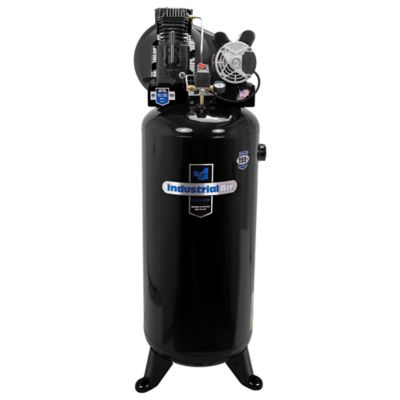
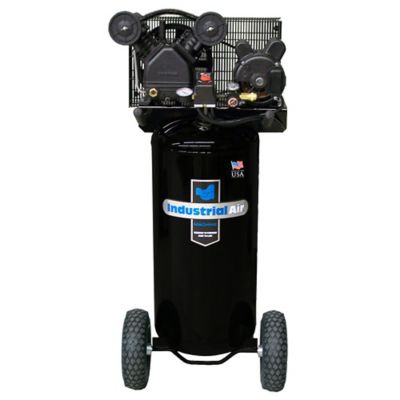
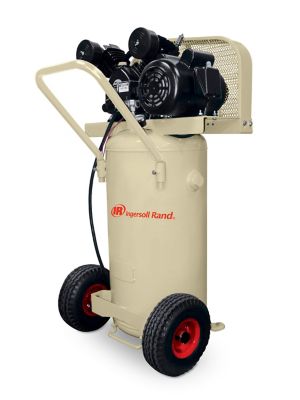
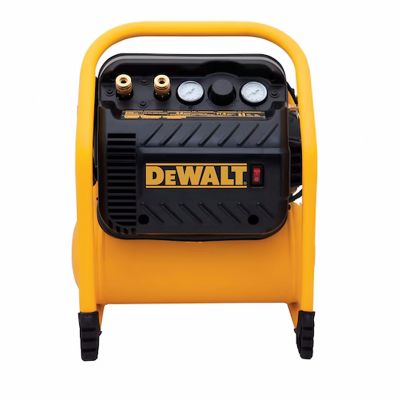
Size, construction and handling shape how comfortably an air compressor fits into daily work. Compact tank layouts can tuck beneath a bench or ride to a worksite when properly secured, while wheeled designs help move heavier machines across a suitable surface. A handle’s position, the machine’s balance and the overall weight all deserve consideration when lifting a compressor over a truck tailgate or carrying it through a narrow doorway. Wheels that roll easily on a smooth shop floor may be less practical on loose gravel, and a tall tank needs a stable location where it will not interfere with foot traffic. Many compressors have steel tanks and metal frames, with guards or roll cages on some designs to help shield gauges and controls from incidental bumps. Those features support everyday handling, but they do not replace careful transport or protection from impacts. Accessible gauges, a clearly marked regulator and a drain valve that is easy to reach can make routine operation less of a chore. Hose connections matter, too: coupler profiles, fitting sizes and pressure ratings need to match across the setup. A hose that is too narrow or unnecessarily long can restrict airflow, especially with tools that draw air continuously. Rubber, PVC and hybrid hose materials differ in flexibility, weight and resistance to abrasion, making the hose itself part of the overall fit for the workspace. Electrical requirements belong in the same conversation. Voltage, amperage and circuit requirements vary, and the power supply must meet the manufacturer’s specifications. Where the instructions permit it, additional air hose may be more suitable than a long extension cord that creates voltage drop. Sound levels also affect comfort in an enclosed garage or shared shop; published noise ratings are most helpful when the measurement conditions are comparable. For another place to compare compressor types and configurations, the
Good Air Compressor page offers a broader look at this hardworking equipment.
The best-fitting air compressor setup includes the upkeep and accessories its work calls for, not just the machine itself. Oil-free pumps do not require routine pump-oil changes, which can simplify ownership for occasional projects, but they still need the inspections and maintenance listed in their manuals. Oil-lubricated pumps require the specified lubricant and attention to oil levels and service intervals. Neither design makes the rest of the system maintenance-free. Moisture collects as compressed air cools, and regular tank draining according to the manufacturer’s directions helps limit internal corrosion. A convenient drain location is especially welcome when a compressor sits close to the floor or behind other equipment. Before maintenance, disconnect power and release pressure as directed; a tank or hose can hold stored energy even when the motor is off. Air leaks at fittings waste output and make the pump cycle more often, while damaged hoses or loose connections can create hazards. Replacement parts and accessories need the correct ratings and compatibility rather than a close-enough fit. The air treatment needed also depends on the task. General inflation, fastening and finish work place different demands on moisture control, filtration and lubrication. Some pneumatic tools call for oil, while painting equipment needs an air path free of oil contamination, so a shared line may require separate arrangements. A regulated outlet helps deliver the pressure a tool requires, and a suitable tire gauge remains important when filling tires to the equipment manufacturer’s recommendation. Compressed air is not suitable for breathing or cleaning clothing and skin, and eye and hearing protection belong alongside the tools. For a practical gift, a compressor makes the most sense when the recipient’s workspace, power supply and existing tools are already known. Whether it belongs beside a woodworking bench or in a farm maintenance area, a well-matched compressor becomes part of a complete working setup: enough airflow for the task, manageable handling, compatible connections and a maintenance routine that fits the owner’s day.