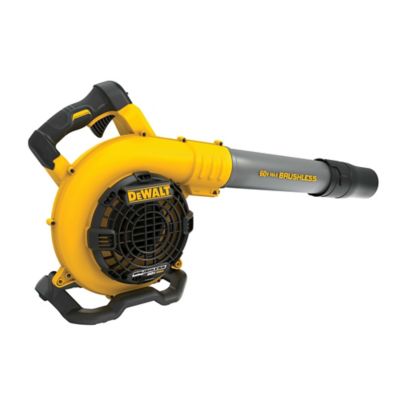
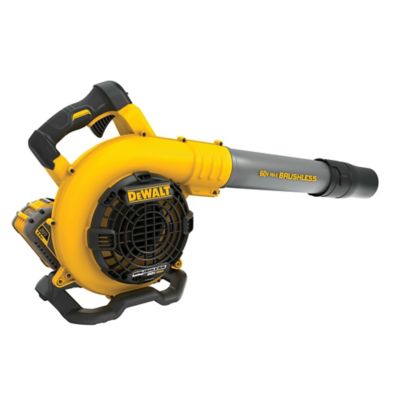
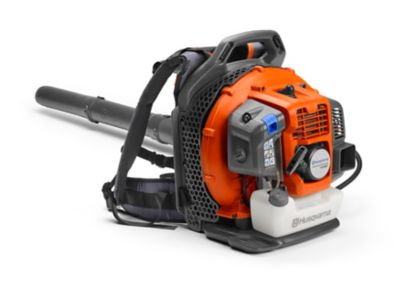
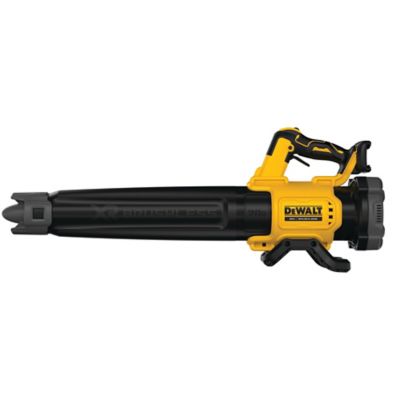
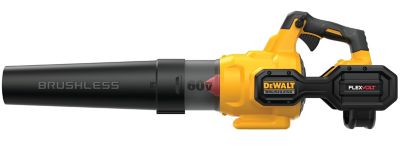
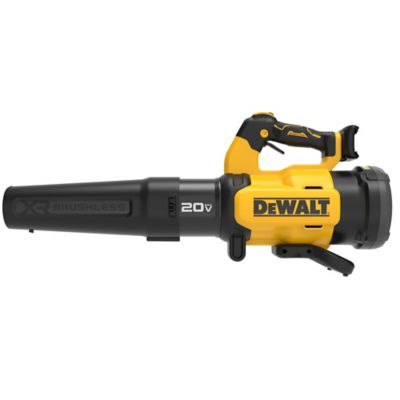
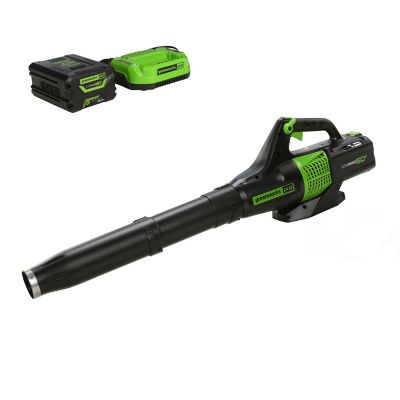
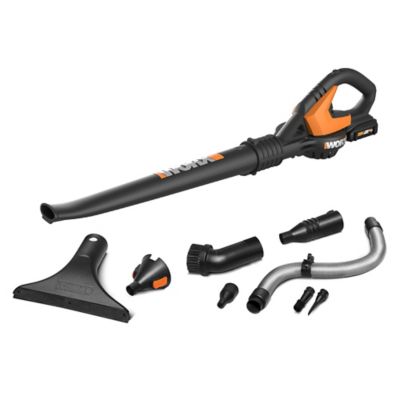
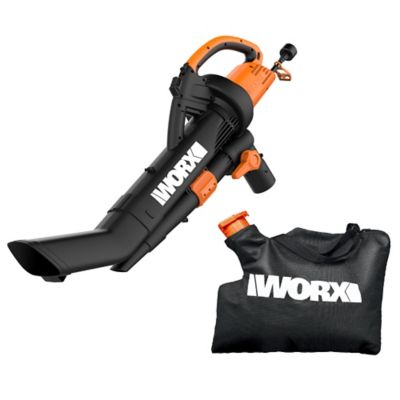
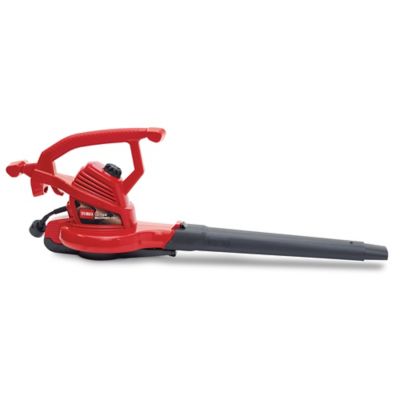
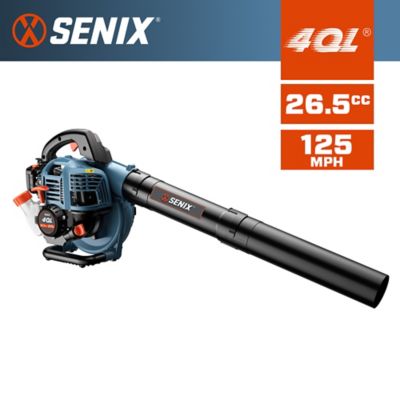
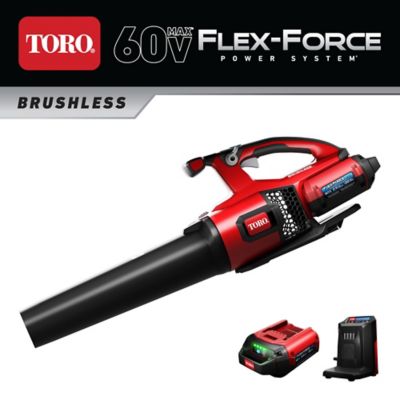
Cordless electric leaf blowers move leaves and loose yard debris with a motor-driven fan, putting focused airflow to work along driveways, sidewalks, fence lines, and garden edges. A handheld blower can make short work of scattered leaves on a porch or help gather a wider stretch of yard debris into manageable rows before collection. Battery power means there’s no extension cord trailing across the lawn and no gasoline to mix or pour into the tool. That makes this type of equipment a practical fit for homeowners, property caretakers, and folks who want to grab a tool for a quick cleanup between bigger chores. Performance depends on more than a single number on the label. Air volume, measured in cubic feet per minute, describes how much air the blower moves, while airspeed, measured in miles per hour, describes how fast that air travels. Both matter, but they describe different parts of the job. Higher air volume can help move a broad swath of leaves, while a concentrated stream can help loosen debris caught along pavement cracks or edging. Nozzle shape, operating mode, and the surface underfoot also affect the result, so performance figures make the most sense when compared under similar conditions. Dry, scattered leaves generally move more easily than damp leaves pressed into grass, and a thick pile takes more effort than a light layer across a walkway. Variable-speed controls offer a useful middle ground between barely nudging debris and sending it across the yard. Lower airflow can help around mulch beds and planted borders, where a heavy blast may carry away material that ought to stay put. More airflow can suit open areas with room to direct leaves toward a collection spot. A blower gathers and redirects material rather than making it disappear, so its role fits naturally alongside raking, bagging, or another appropriate way of handling collected leaves. That distinction matters on larger properties, where moving debris into sensible collection areas can be just as important as clearing the first stretch of ground.
Battery compatibility, working time, and carrying comfort all shape how a cordless leaf blower fits into regular property care. A battery platform is more than a voltage number: the tool, battery, and charger need to match the manufacturer’s compatibility requirements. Packs that look similar do not necessarily work together, and compatibility should never depend on forcing a connection or improvising an adapter. For someone who already owns cordless equipment, checking that relationship can help keep charging and storage straightforward. Battery capacity, operating speed, debris conditions, and the tool’s design all influence runtime. A larger battery may support longer work between charges, but it can also add weight, and maximum-output settings generally draw more power than lighter settings. Those trade-offs become noticeable when cleanup stretches from the front walk to the gate, around the shed, and down the driveway. Tool weight is worth considering with the intended battery attached, not just as a bare-tool figure. Handle placement, grip shape, balance, and trigger reach can matter as much as the number on a specification sheet. A comfortable hold helps keep the nozzle pointed where it belongs without constant wrist correction. Where fitted, a speed-hold control can reduce the need to keep steady pressure on a trigger, while an auxiliary handle or compatible support strap may help with longer sessions. Housing and tube materials also deserve attention. Molded plastic construction can keep carrying weight down, but contact with pavement, truck beds, and sharp edges still causes wear. Secure tube connections, protected controls, and accessible air inlets are practical details for equipment that travels between a garage shelf and the far side of a property. A tube that suits the operator’s height can also make everyday handling less awkward. For someone clearing a small paved area, compact handling may matter most; for longer stretches of lawn and driveway, balance and battery planning can carry more weight in the decision.
Care and storage have a direct effect on how well a leaf blower holds up through repeated chores. Clear air inlets help the motor receive the airflow its design requires, while a clean, firmly attached blower tube keeps the air path free of unnecessary obstructions. The owner’s manual provides the right cleaning method, inspection points, and storage conditions for the tool and battery. Before clearing a blockage, removing a tube, or checking an air inlet, the blower needs to be switched off and its battery removed according to those instructions. Cracked housings, damaged battery cases, loose connections, or unusual sounds call for attention rather than another pass across the yard. Batteries also need protection from moisture, impact, and contact between their terminals and loose metal objects. A dry storage spot with room for the tool, charger, and battery helps keep everything organized without leaving equipment where it can fall or get knocked around. Out in the yard, eye protection and any hearing protection specified by the manufacturer belong with the job. Even a small stone can become a hazard in a strong air stream, so airflow should stay directed away from people, animals, vehicles, and windows. Extra care matters near gravel, dusty ground, and shared property lines. A leaf blower is not a substitute for equipment intended to handle hot ash, hazardous dust, chemicals, or heavy branches. For property work that also involves cutting wood, the
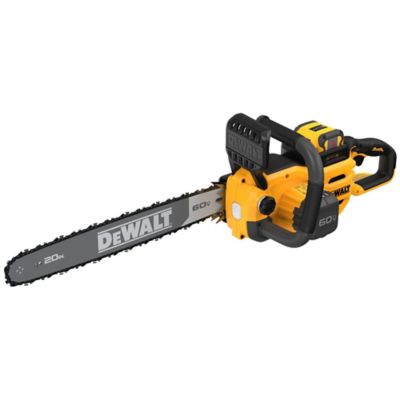
Dewalt Chainsaw collection covers a separate tool category with its own operating and protective-equipment requirements. As a gift, a cordless leaf blower can suit a homeowner settling into a place with more yard to manage or a family member who enjoys keeping paths and outdoor gathering areas tidy. The most useful match comes down to the recipient’s existing battery platform, comfort carrying the tool, and the kind of cleanup waiting outside the door. Those everyday details help make the blower a practical part of the property-care routine rather than another tool left on the shelf.