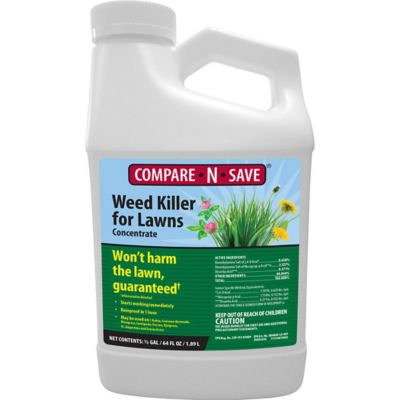
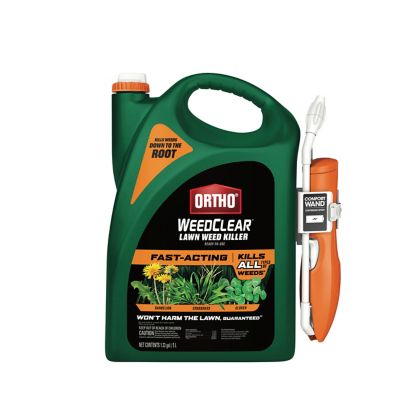
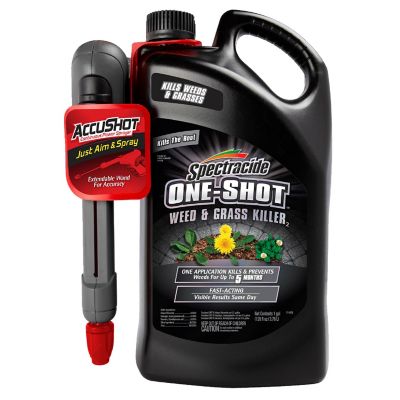
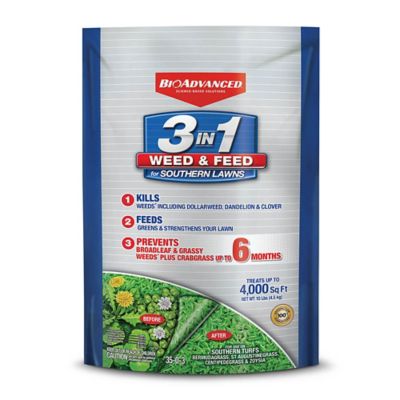
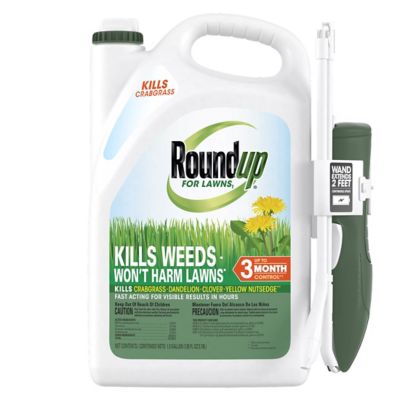
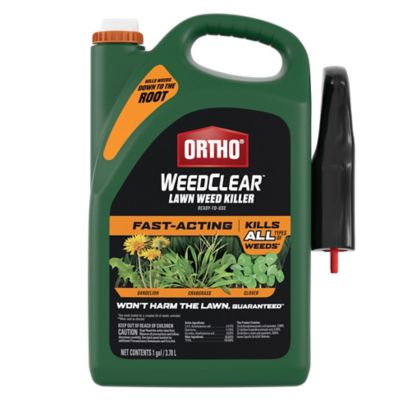
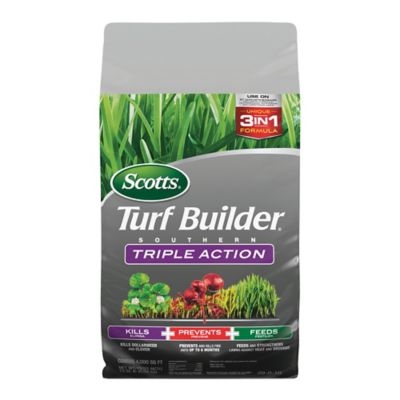
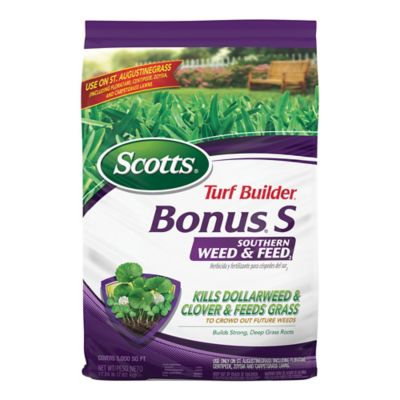
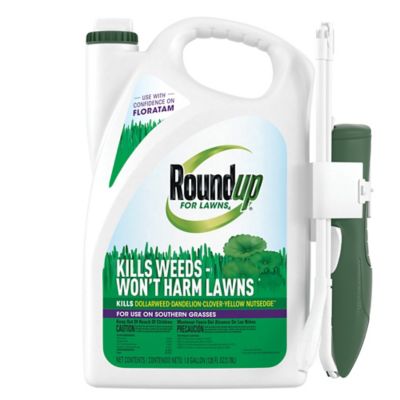
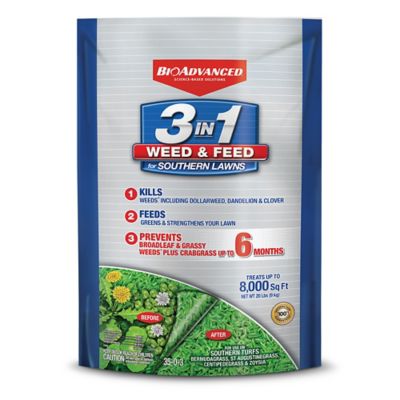
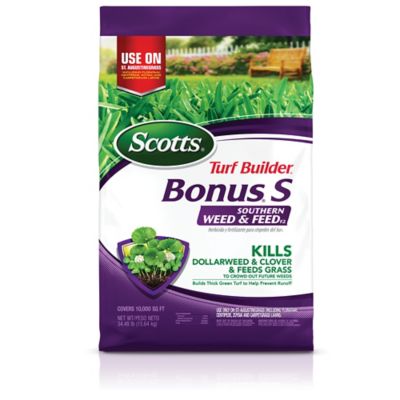
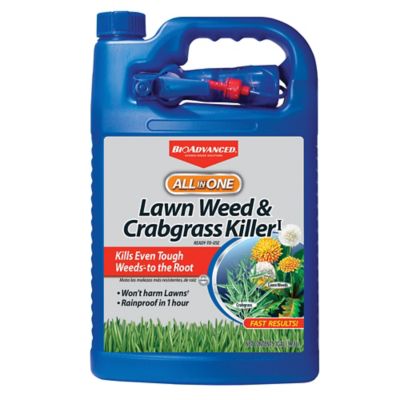
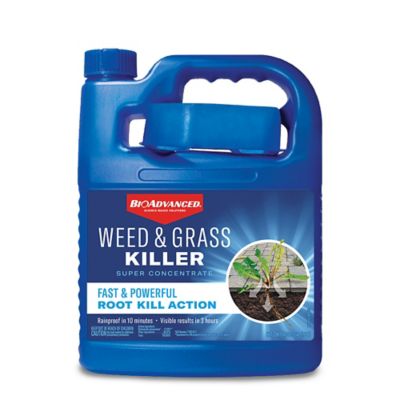
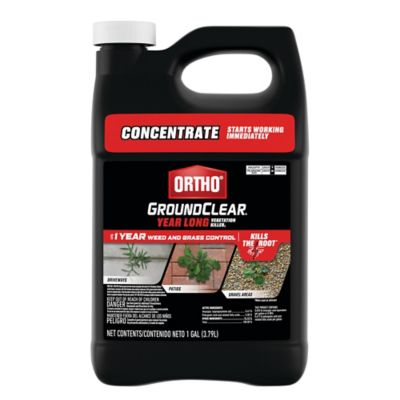
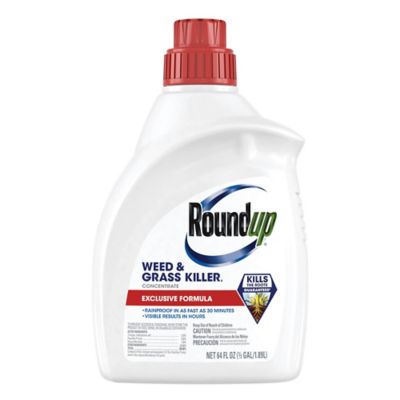
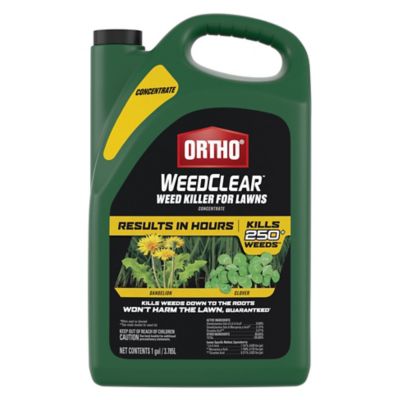
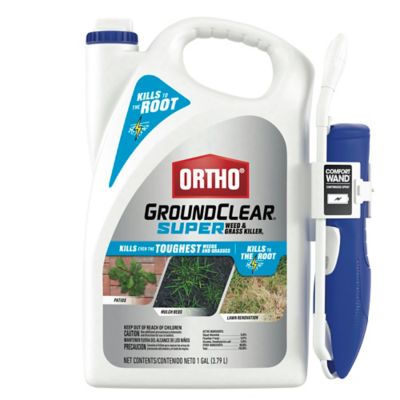
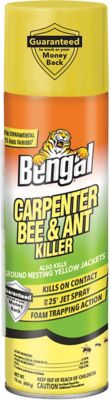
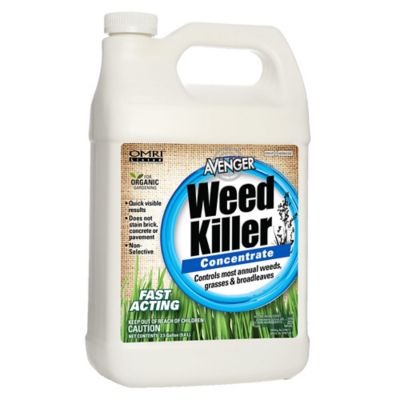
Dandelion killers help control the broadleaf weeds that send up yellow flowers and leave puffball seed heads scattered across lawns. Those familiar plants grow from a persistent taproot, so knocking back the leaves does not always mean the whole weed is gone. For established dandelions in turf, selective broadleaf herbicides are a common choice because they target listed weeds without killing listed lawn grasses when applied according to the label. Active ingredients such as 2,4-D, dicamba, and MCPP, also called mecoprop, appear in many lawn weed-control formulations, often in combinations that address several broadleaf weeds. The right fit depends on the grass, the treatment area, and the weeds named on the container—not just the picture of a dandelion on the front. A lawn around a farmhouse, a narrow strip beside a driveway, and a fenced backyard may call for different application formats even when the same weed is causing trouble. Grass tolerance matters, too: a treatment labeled for one turf type may injure another, and newly seeded areas can carry additional restrictions. Systemic herbicides move within the plant and can reach growing tissues beyond the leaves, making them relevant for weeds with established roots. Contact treatments primarily damage the plant tissue they touch, so visible leaf damage alone does not confirm root control. That distinction helps set expectations when comparing dandelion killers, especially where weeds have been returning after mowing. Yellow flowers may disappear under the mower, but the low rosette of leaves and the root beneath it can remain. For property owners who want fewer dandelions without clearing the surrounding grass, a label that specifically covers both the weed and the turf is the starting point. Claims about fast visible results are only part of the picture; the extent of control, permitted application sites, and any retreatment limits matter just as much.
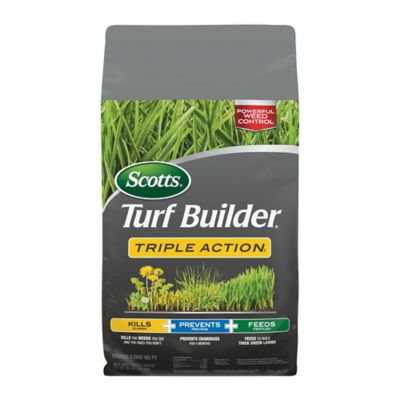
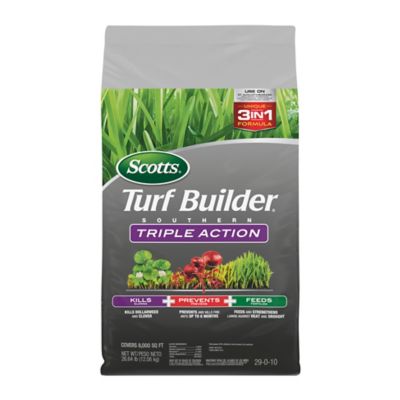
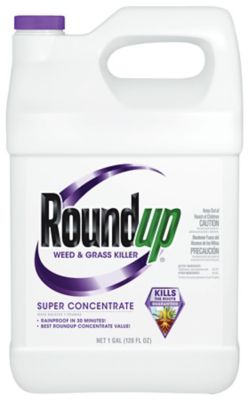
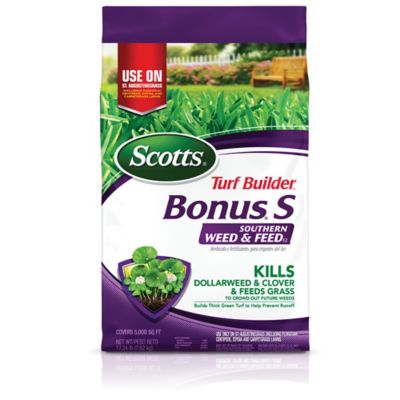
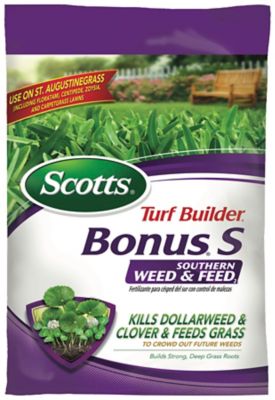
Dandelion weed-control formats range from ready-to-apply liquids for scattered patches to concentrates and granular treatments for larger labeled lawn areas. A ready-to-apply spray can suit a few rosettes along the front walk, while a concentrate requires measuring, dilution, and a compatible sprayer. Hose-end delivery can cover a broader space, but the application rate still needs to match the label and the size of the lawn. Granules call for a suitable spreader and attention to distribution; uneven coverage can leave missed weeds or put too much material in overlapping passes. Liquid and granular formulations are not interchangeable, and their requirements for leaf moisture, watering, and time before rainfall can differ. Package coverage is tied to the labeled rate, so container size alone does not tell how much ground a treatment will cover. Straight weed killers and combination lawn-feeding treatments also serve different needs. A weed-and-feed formulation supplies nutrients along with weed control, which makes sense only when the lawn also needs that fertilizer and the application fits local requirements. Iron-based herbicides offer another approach for certain listed broadleaf weeds and turf types, but their labels still govern application rates, repeat treatments, and precautions around nearby surfaces. Iron-containing treatments can stain some hard surfaces, a practical consideration beside a concrete porch or sidewalk. Nonselective herbicides can injure grass and other plants along with dandelions, making them a different fit from selective lawn treatments. Strong acetic-acid herbicides can burn contacted foliage and pose eye and skin hazards; they should not be treated as harmless simply because their chemistry is associated with vinegar. Household mixtures do not provide the same labeled directions for weed control. For shoppers comparing these categories, the useful distinction is not simply liquid versus granule or conventional versus iron-based. It is whether the formulation matches the site, reaches the intended target, and fits the application equipment and handling requirements.
Dandelion killers also need to fit the way a property is lived on. A yard where children play, a dog run beside the house, and a lawn bordering a vegetable garden each bring considerations beyond the weeds themselves. Product labels specify protective clothing, application precautions, and when people and pets may return to a treated area; there is no single waiting period that applies to every formulation. Grazing areas, hay ground, and spaces around livestock require treatments specifically labeled for those sites, rather than an assumption that a lawn treatment belongs anywhere grass grows. Nearby flowers, shrubs, and garden crops deserve attention because broadleaf herbicides can injure desirable plants if spray drifts or reaches unintended surfaces. Equipment fit and care matter here. A sprayer with compatible seals, readable measurement marks, and a controllable spray pattern supports measured application, while a shutoff that works properly helps prevent drips between patches. Cleaning and storage should follow the herbicide and equipment labels, including directions for rinsate disposal, and treatment containers should stay in their original packaging with labels intact. Storage out of reach of children and animals is part of keeping lawn-care supplies on a property. For an occasional weed in a sensitive spot, a manual weeding tool may offer an alternative, although a remaining section of taproot can produce new growth. Broader lawn maintenance matters as well: turf suited to the site, appropriate mowing height, and correction of thin patches can reduce open space where dandelions establish. Dandelions are broadleaf plants, not grassy weeds, so treatments selected for them should not automatically be expected to control crabgrass. Where both appear,
Crabgrass Killers address a separate weed-control need, with their own labeled targets and application requirements. Matching the weed, the grass, and the setting keeps the choice grounded in the job at hand, whether that means treating a handful of plants by the gate or managing scattered patches across a larger lawn.