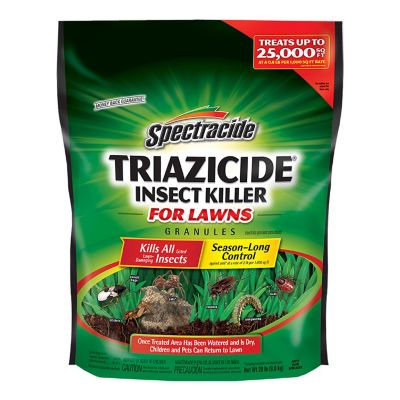
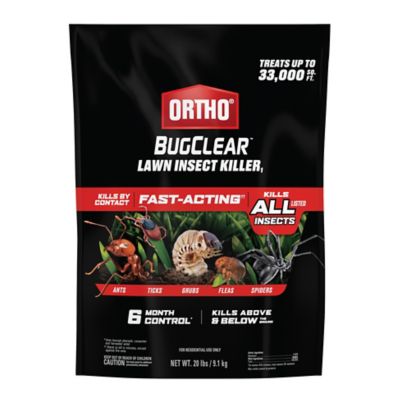
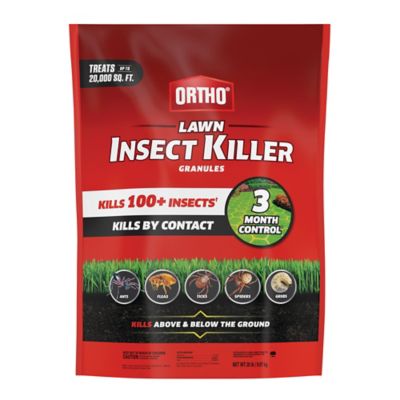
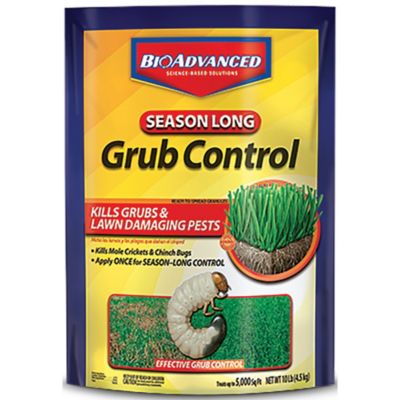
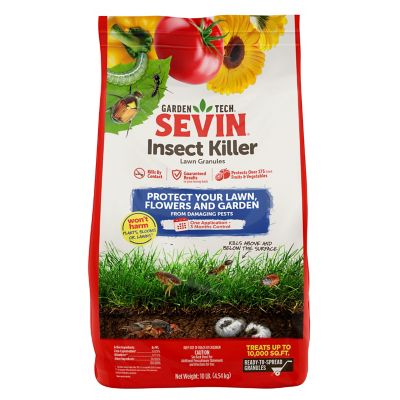
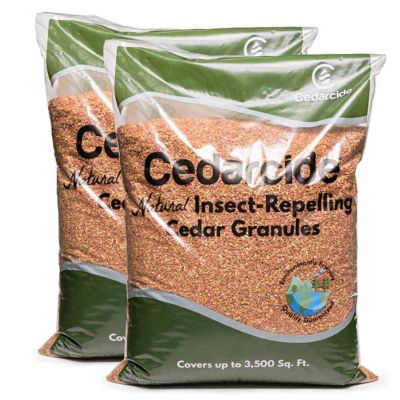
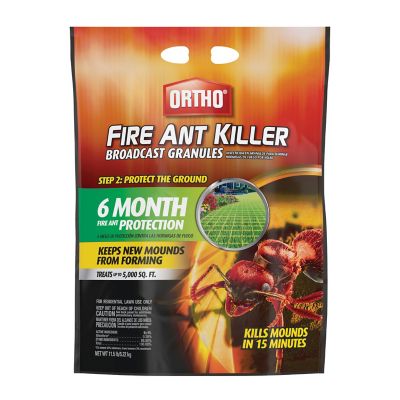
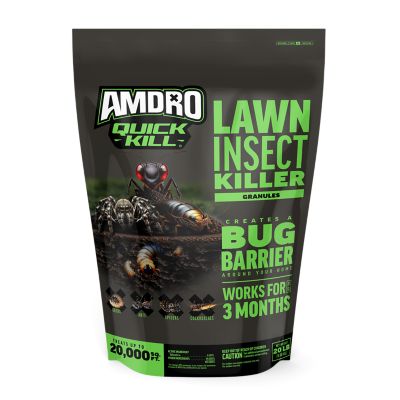
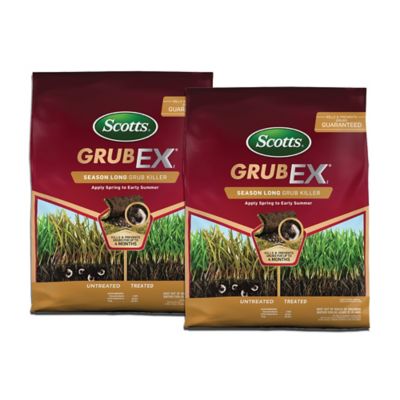
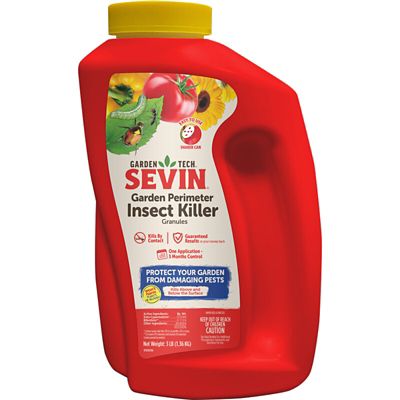
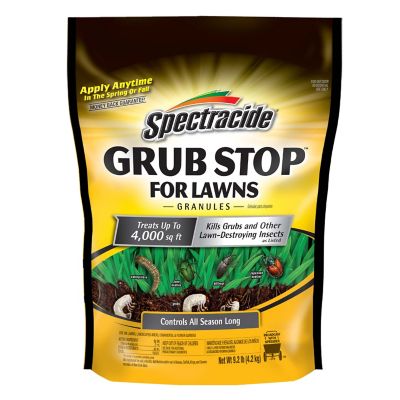
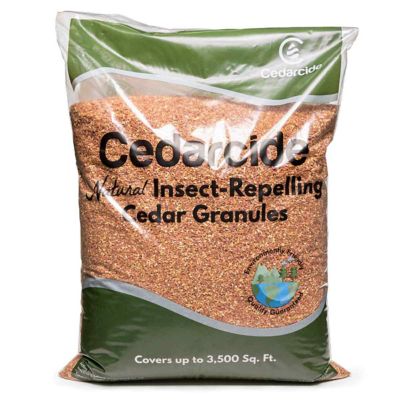
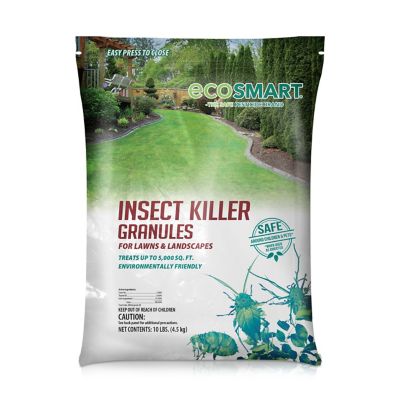
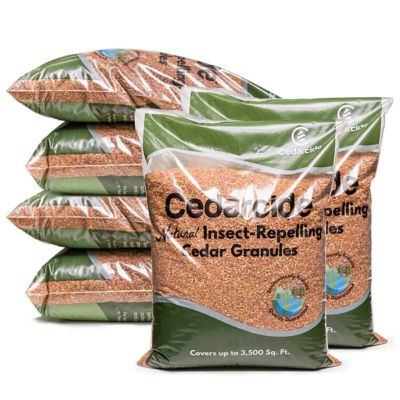
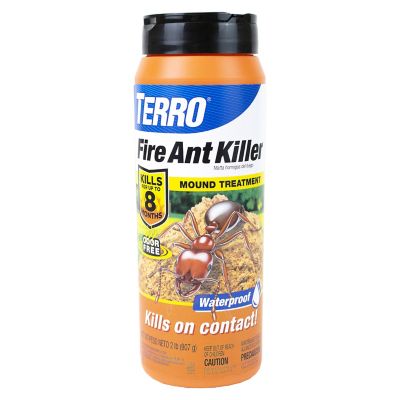
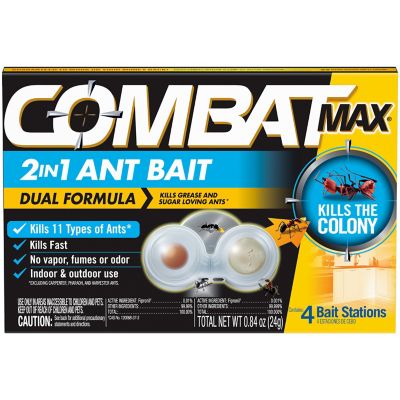
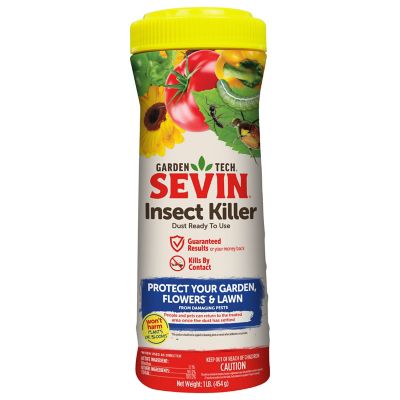
Lawn insect killer granules are dry, spreadable pest control treatments made for application to turf and other areas listed on the package label. They pair an insect-control ingredient with a solid carrier that helps distribute the treatment across the application area. Depending on the formula, labeled targets may include ants, fleas, ticks, chinch bugs, sod webworms, armyworms or certain soil-dwelling pests. No single formula covers every lawn pest, and a long pest list does not necessarily make a treatment the right match for your yard. The best fit starts with the pest you need to control and where it lives. Surface-feeding insects occupy a different part of the lawn than grubs feeding around grass roots, so a treatment intended for one group may not address the other. Some granular insecticides work through contact, while others move into plants after application and target insects feeding on treated tissue. Granular bait formulas work differently again, drawing listed pests to a food-based carrier. These differences matter when comparing lawn insect control options for a front yard, a stretch of grass beside the driveway or the lawn around a farmhouse. A scattering of ant hills, chewed grass blades and turf that lifts away from its roots can point to different problems, but damage alone is not enough to identify the cause. Lawn disease, watering problems and foot traffic can leave similar patches. Matching the label to a confirmed pest helps keep the purchase focused on the job rather than treating every thin spot as an insect problem. Granules appeal to homeowners and property caretakers who prefer spreading a dry material instead of mixing a liquid spray. They can fit into a lawn-care routine built around a push spreader, although the application equipment and any watering requirements depend on the treatment. They are pest control products, not a substitute for healthy turf maintenance, and they do not automatically feed grass or control weeds.
The most useful comparisons between lawn insect killer granules are the labeled pests, permitted application sites, coverage, application rate and length of control. Bag weight tells you how much material is inside, but it does not tell you how much lawn that material will treat. Coverage depends on the labeled rate for the target pest, and the same bag may cover different areas for different applications. For a property with a house, gravel parking area, garden and outbuildings, the square footage of grass being treated matters more than the total acreage. A large yard can also have several distinct treatment needs rather than one problem across the whole lawn. Granules labeled for a broad turf application may suit a widespread infestation, while a localized problem may call for a label-approved spot or mound treatment. Those application types are not interchangeable. Treatment speed and persistence vary, too. Some formulas target existing pest activity, while others are intended to prevent damage from particular pests at a susceptible stage of development. Claims about extended control apply only to the pests, rates and conditions stated on the label; they are not a promise that every listed pest stays away for the same length of time. The physical form deserves attention as well. Particle size and flow characteristics affect how a material feeds through a spreader, and spreader settings are specific to the treatment and equipment. A rotary or broadcast spreader distributes material over a wider swath, while a drop spreader places it in a narrower path beneath the hopper. Along a sidewalk or beside a flower bed, that difference can matter as much as the size of the yard. For shoppers comparing granular treatments with other formats,
Lawn Pest Control Products provides a related category to explore. Whether the job covers a small fenced lawn or a broad patch of turf near the house, a suitable choice matches the pest, the site and the equipment without assuming that a heavier application delivers better results.
Around a working property, intended use is especially important because lawn, pasture, garden and animal areas can sit close together. A treatment labeled for residential turf is not automatically appropriate for a vegetable patch, grazing land, a chicken run or ground where hay is grown. The same caution applies to foundation borders, shrubs and other landscape areas: each site needs to appear on the label before treatment. Families with children, dog owners and anyone tending livestock also need to consider access to the application area. Reentry requirements vary by formula and application method, so there is no single waiting period that fits all lawn insect granules. Follow the label’s directions for keeping people and animals away, including any requirement for watering and drying before reentry. Watering instructions deserve the same close look. Many granular treatments require irrigation to move the active ingredient from the carrier into the intended treatment zone, but some bait treatments have different requirements. More water is not necessarily better, and a dry granular form does not mean the material cannot move off-site. Keeping treatment out of ponds, drainage routes, wells and other protected areas is part of matching the product to the property. Granules scattered onto a driveway or sidewalk should be handled according to the label rather than washed into a drain. Storage and equipment care matter after the lawn work is finished, too. Keep the treatment in its original labeled container, closed and stored under the stated conditions, away from children, animals, feed and food. Moisture can cause some granular materials to clump, making even distribution harder. Spreader cleaning should follow both the equipment instructions and pesticide label, with care to keep residue out of water sources. For a yard where kids play catch, dogs spend time outside and chores keep everyone moving between the house and barn, the practical choice is a treatment with a clearly labeled purpose and application requirements that fit how the property operates. That keeps lawn insect control centered on the actual pest problem and the spaces that need attention.