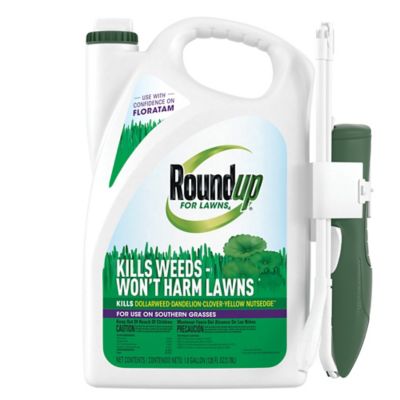
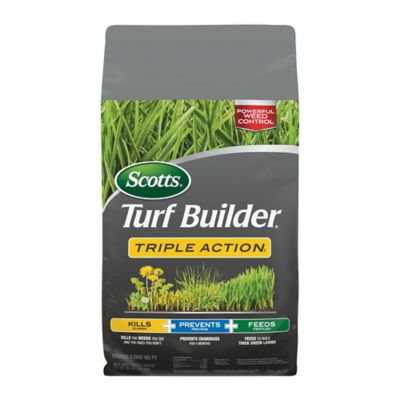
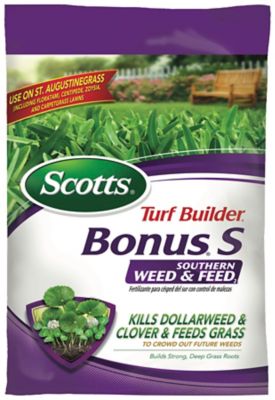
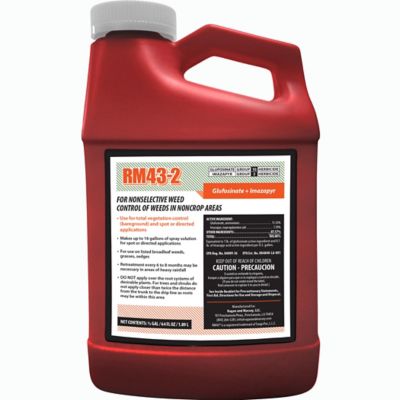
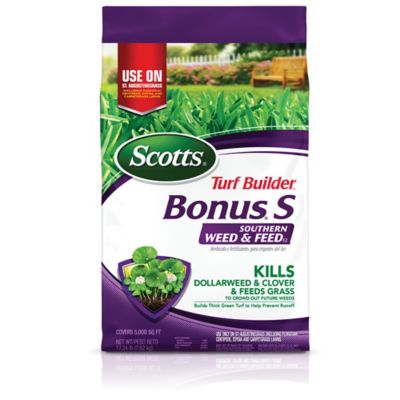
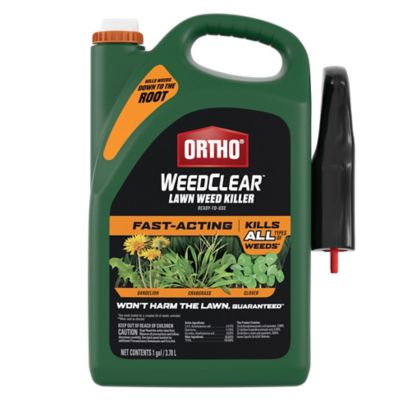
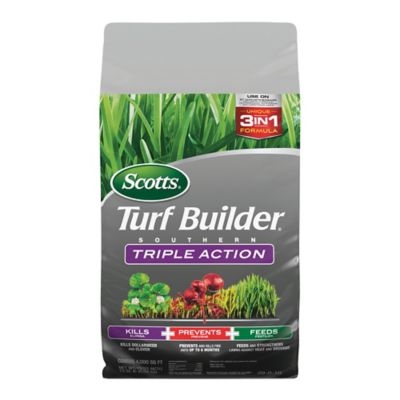
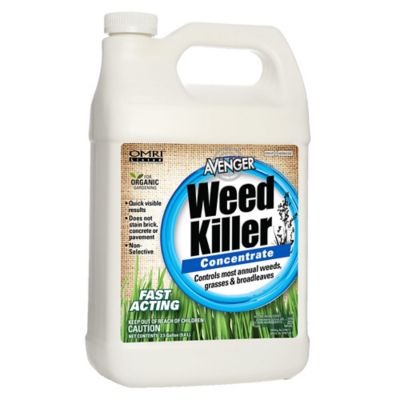
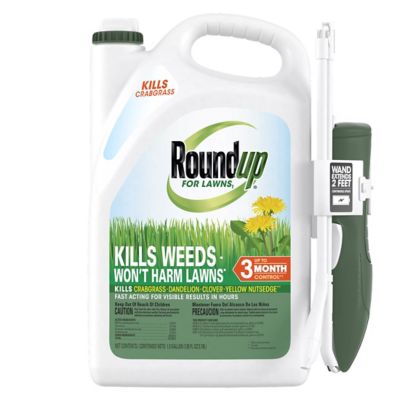
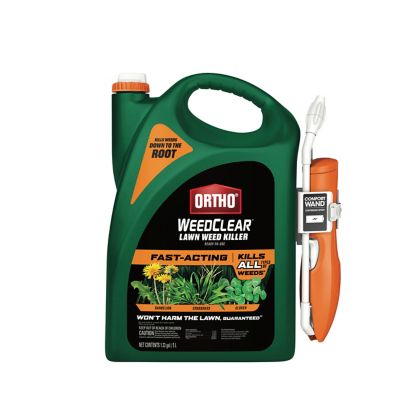
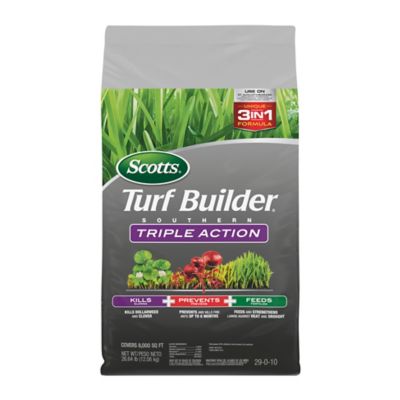
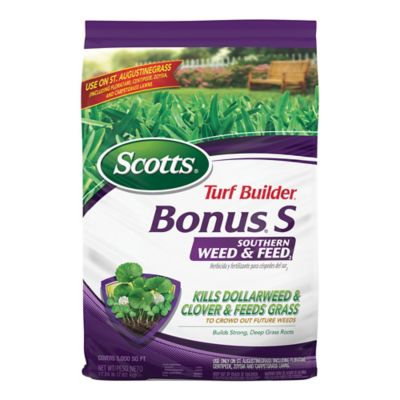
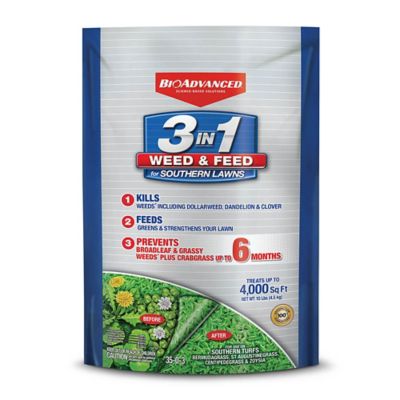
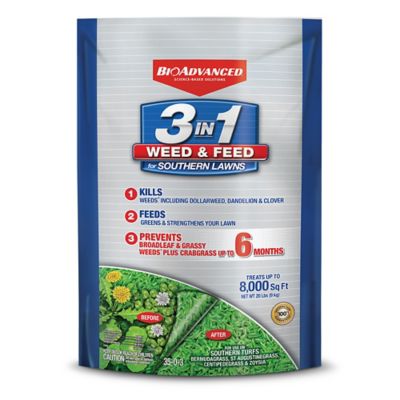
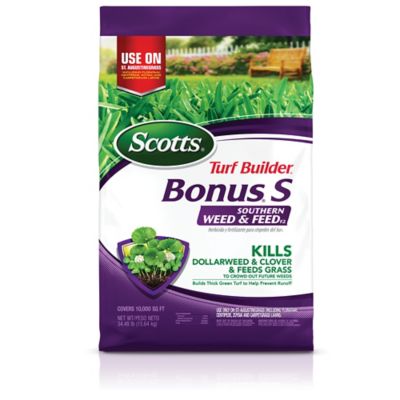
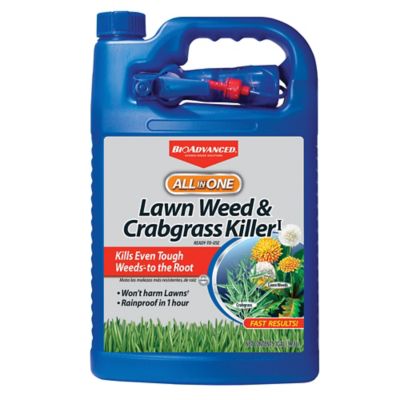
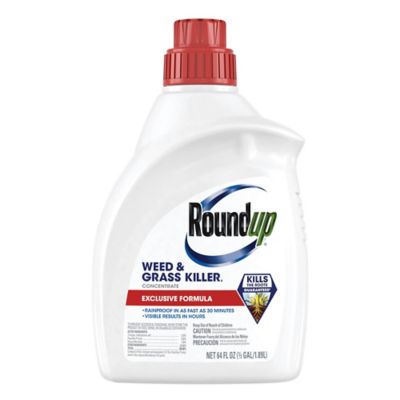
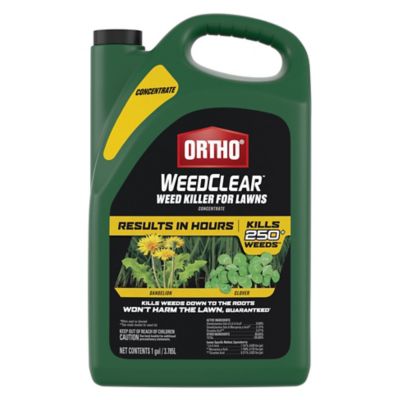
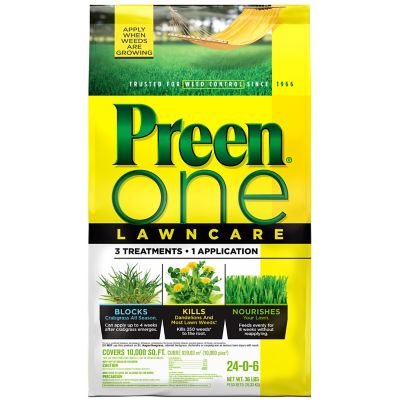
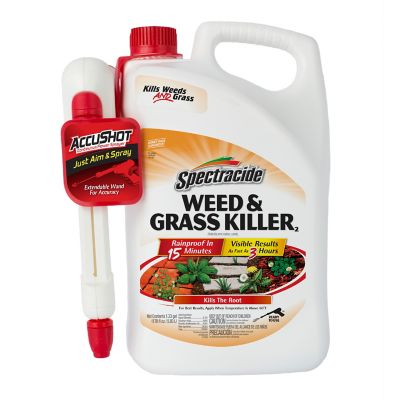
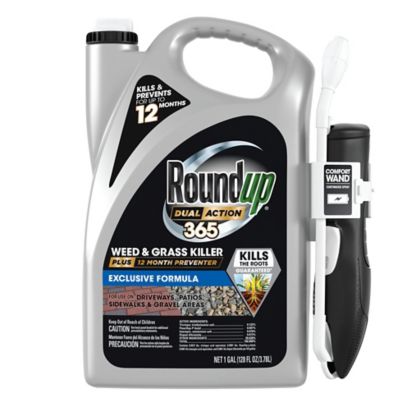
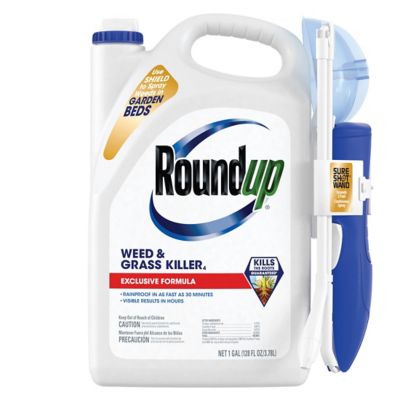
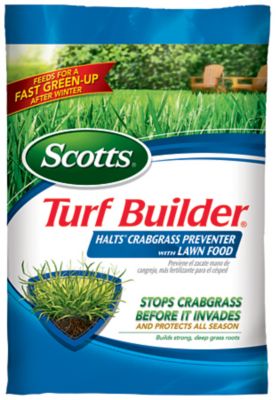
Clover can be a welcome part of a mixed pasture, hay field or pollinator-friendly planting, but it can also spread through a lawn, crowd out desirable turf and leave uneven green patches that stand out as the seasons change. Clover killers are made for homeowners, land managers and property caretakers who want to reduce unwanted clover without tearing up an entire lawn. Most lawn treatments for this job are selective, post-emergent herbicides, meaning they are applied after the weed is visible and are designed to target broadleaf weeds while leaving certain grass types unharmed when used as directed. Common active ingredients include triclopyr, dicamba and quinclorac, while some shoppers prefer plant-based formulas made without synthetic chemicals or glyphosate. The best choice depends on the grass you are protecting, the size of the area, how heavily clover has spread and your preferred application method. A ready-to-use spray can be handy for a few spots along a walkway, fence line or garden edge, while a concentrate may be more practical for a larger yard and can be mixed according to the label. Hose-end applications can help cover broad areas, but a pump sprayer often gives you more control around flower beds, trees, shrubs and ornamental plantings. If clover is mixed into a pasture or an area intended for wildlife, read the label closely before applying any treatment, since products made for turf may not be appropriate for forage or grazing areas. For other unwanted lawn weeds, browse
Broadleaf Killers to compare options for managing common broadleaf growth.
Before purchasing a clover killer, identify the grass in the area you plan to treat. Fescue, Kentucky bluegrass, perennial ryegrass, Bermuda grass, zoysia and St. Augustine grass can each have different tolerances, and a treatment that is safe for one lawn may injure another. The product label is the final word on approved grass types, application rates, temperature limits, rainfast periods and treated-area restrictions, so keep it close from purchase through cleanup. Look for coverage information that matches the size of your lawn, and measure the area rather than guessing; too little product may not control established clover, while too much can stress turf and surrounding plants. Clover killers work best when the weed is actively growing and not wilted from drought, frost or extreme heat. Moderate temperatures are generally easier on the lawn, and spraying during the cooler parts of the day can help reduce stress compared with applying in hot midday sun. Avoid windy conditions, since drift can carry spray onto vegetable gardens, flowers, shrubs or neighboring property. Rain can also wash away a treatment before it has time to work, so follow the label's guidance on dry time and weather. Wear the protective clothing listed on the package, keep children and pets out of the treated area as directed, and store unused concentrate in its original container away from feed, seed and water sources. A small hand sprayer, gloves, measuring tools and a way to mark treated sections can make the job more orderly, especially when working around gates, sheds and outbuildings. Anyone shopping for a practical gift for a new homeowner, a family member caring for an older lawn or a friend who takes pride in tidy acreage may appreciate a lawn-care treatment paired with basic application and protective gear, provided it suits the recipient's grass and property.
Good control usually starts with the conditions that let clover take hold. Clover often fills thin turf where soil is compacted, drainage is poor, sunlight reaches bare ground or lawn nutrition is out of balance. It can also become more noticeable when grass is mowed very short, because low turf leaves room for clover to spread across the soil surface. Raise the mower height to help grass shade the ground, keep blades sharp for a cleaner cut and avoid removing more than about one-third of the grass blade at a time. Soil testing can show whether the lawn needs fertilizer or a change in pH, and overseeding bare or weak spots can help desirable turf compete once the clover is under control. Water deeply and less frequently when conditions allow, rather than giving the lawn frequent, shallow drinks, and improve drainage in areas that stay damp. When applying a clover killer, spot-treating is often the most sensible approach for a few scattered patches and helps protect nearby plants, while a broader treatment may be useful when clover has spread across much of the lawn. Expect established weeds to take time to fade; many systemic treatments move into the plant and down toward the roots instead of producing an instant brown-down. A follow-up application may be allowed for some formulas, but never apply more often or at a stronger rate than the label permits. During the warmer stretch of the growing season and into the cooler months, walk the property occasionally to catch new patches while they are still small, paying special attention to lawn edges, low-use areas and places where grass has been disturbed. Careful product selection, patient application and steady lawn maintenance can leave turf looking more even without sacrificing the plants and groundcover you intentionally chose to keep.