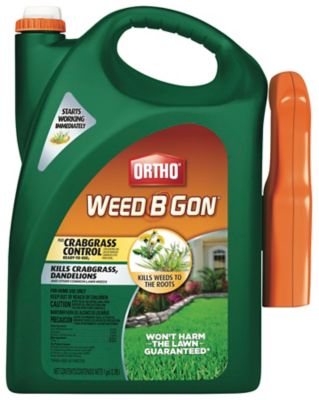
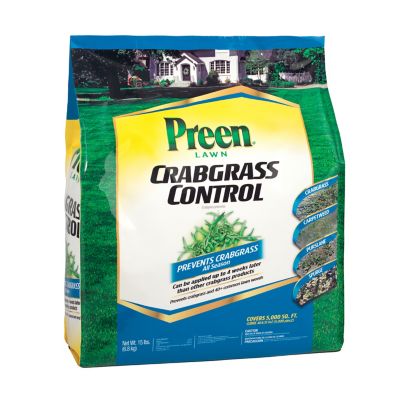
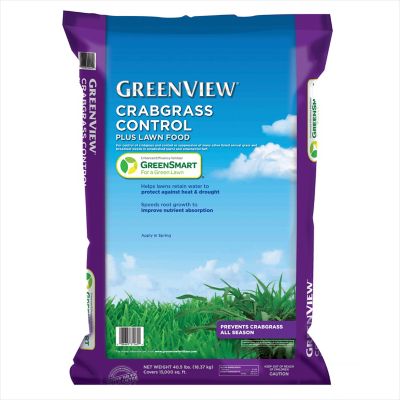
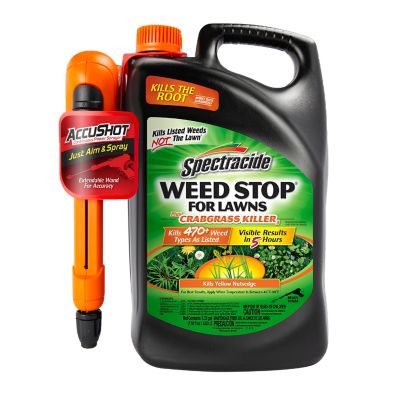
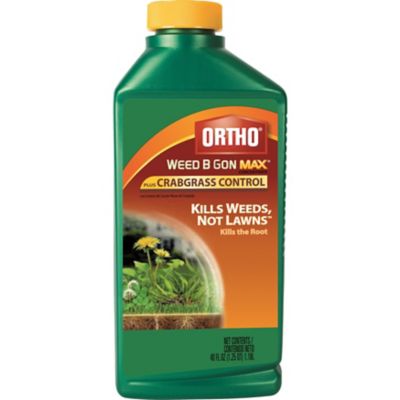
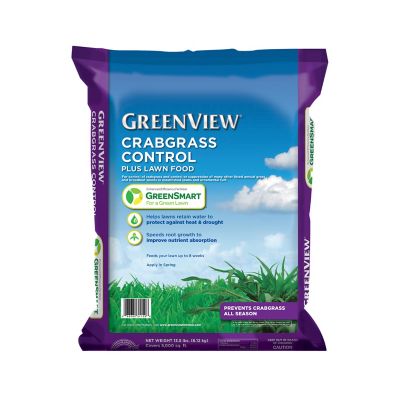
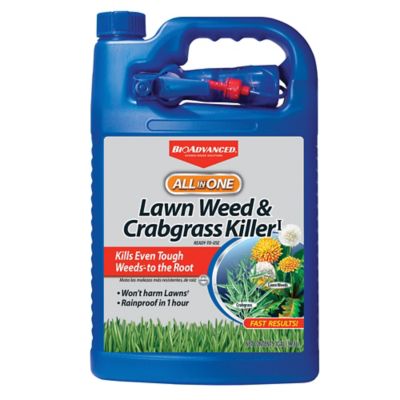
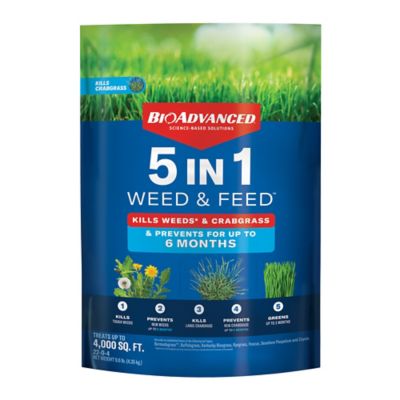
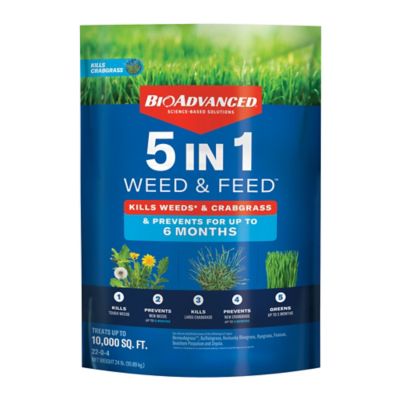
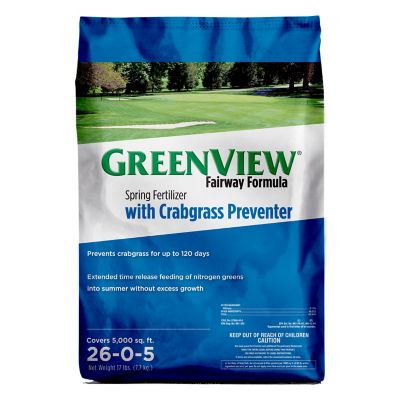
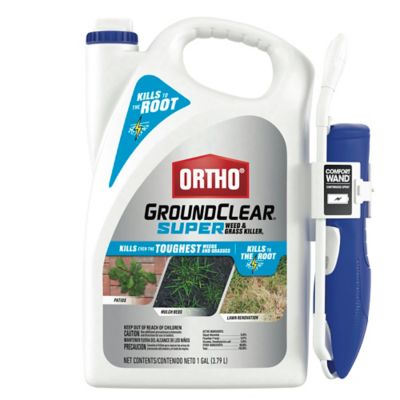
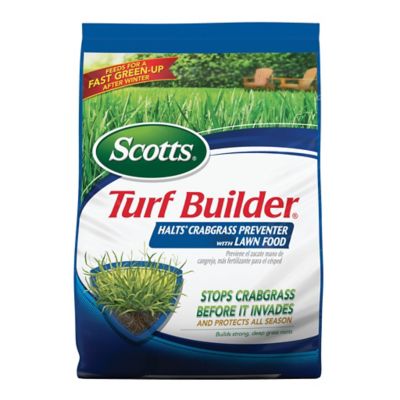
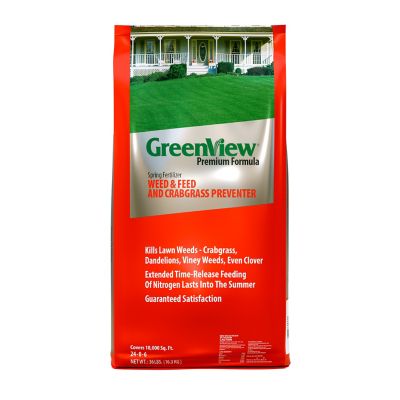
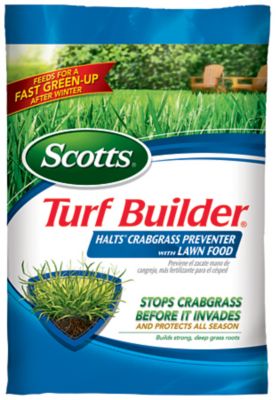
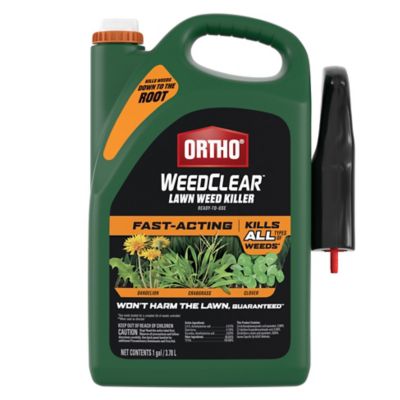
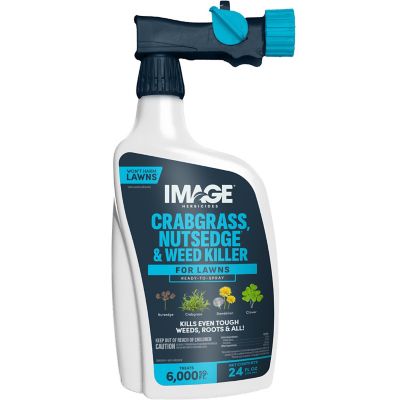
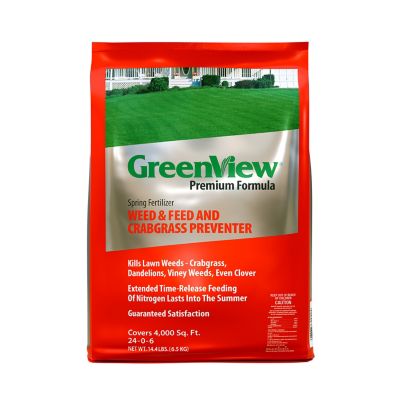
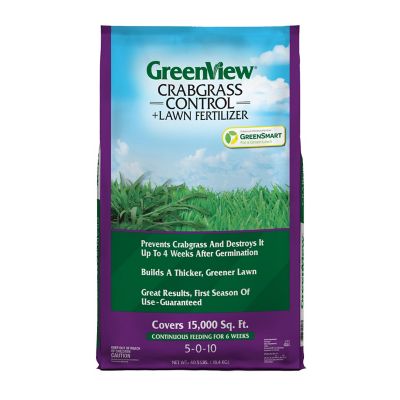
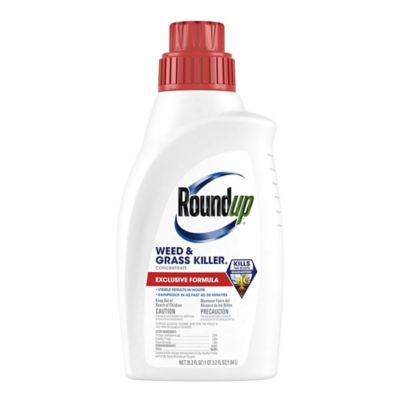
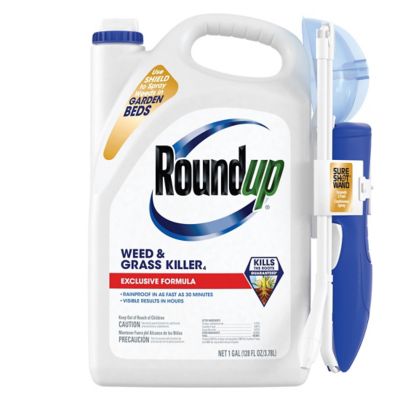
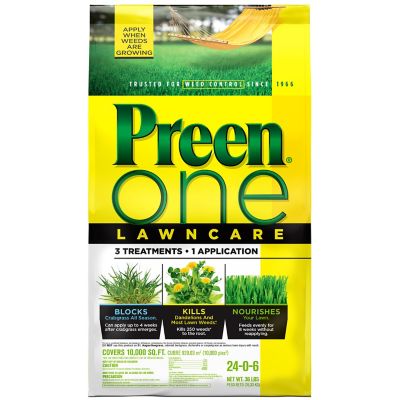
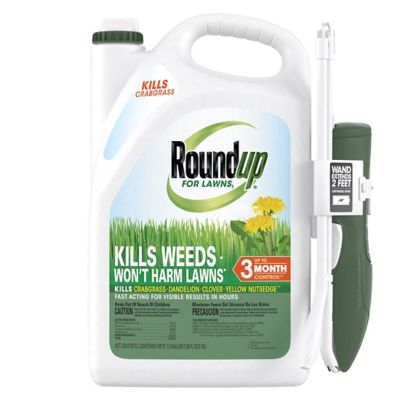
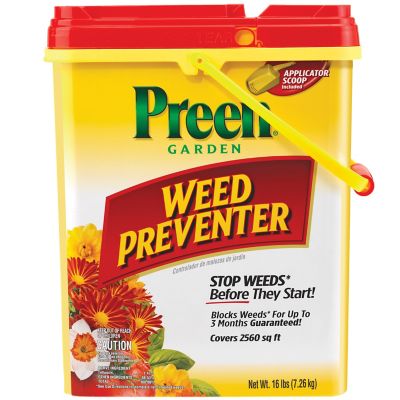
Crabgrass killers fall into two main groups: pre-emergent herbicides that help prevent crabgrass seedlings from establishing and post-emergent herbicides that control crabgrass already growing. The right choice depends on whether the lawn needs prevention or treatment, along with the type of grass and the application site. Crabgrass is an annual grassy weed that spreads outward from a central crown, often filling bare patches along driveways, sidewalks, and thin areas of turf. Its low, branching growth can stand out against an otherwise even lawn, especially where foot traffic or mower turns have worn the grass down. Because crabgrass returns from seed, controlling visible plants and preventing future seedlings are different jobs. Pre-emergent crabgrass preventers generally need to be in place before germination begins; they are not a replacement for treatment of established weeds unless the label also lists that activity. Crabgrass germination commonly begins when soil temperatures stay around 55 to 60 degrees Fahrenheit for several days, though local conditions and crabgrass species affect timing. That makes soil conditions more useful than a fixed calendar date when comparing prevention needs. Post-emergent crabgrass control is generally more effective on young, actively growing plants than on large, heavily branched clumps. The label may distinguish between early growth stages and mature crabgrass, with different restrictions or repeat-treatment directions. Selective formulas target listed weeds in compatible turf, while nonselective herbicides can also injure or kill desirable lawn grass. That difference matters around the front yard, the stretch between the porch and driveway, or a lawn bordering a gravel parking area. A treatment intended for bare ground is not necessarily suitable for spraying across turf. Some crabgrass control formulas also address other listed grassy or broadleaf weeds, but coverage varies. Matching the weed, growth stage, turf species, and labeled site gives shoppers a clearer basis for choosing than a general weed-control claim alone.
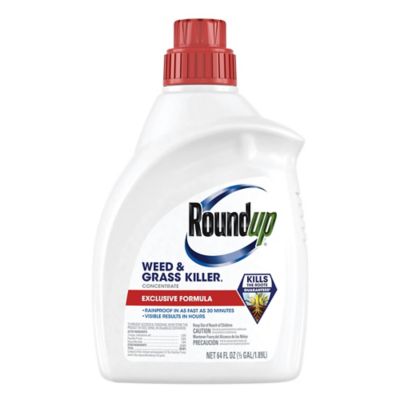
Liquid and granular crabgrass treatments suit different application needs, and the format affects equipment, coverage, and handling. Ready-to-use liquids can fit small patches where individual weeds are scattered through the lawn, while concentrates require measuring, dilution, and a compatible sprayer according to the label. Hose-end application formats can suit broader treatment areas when the directions allow that method. Granular preventers typically call for a lawn spreader and an even distribution across the intended area. Many need rainfall or irrigation to move the active ingredient into the soil, while some liquid post-emergent treatments need a specified rain-free period after application. Those requirements are not interchangeable, so rainfastness and watering directions deserve a close look. Coverage should match the actual treatment area rather than the full property size; a house lot with a small lawn and a few gravel sections has different needs from a broad stretch of turf around an acreage home. Grass compatibility is just as important as application format. Kentucky bluegrass, tall fescue, perennial ryegrass, bermudagrass, St. Augustinegrass, and centipedegrass do not all tolerate the same herbicides. A formula labeled for one turf species may restrict or exclude another, and newly seeded lawns can have additional limits. Pre-emergent products may interfere with desirable grass seed establishment, making reseeding intervals an important consideration for thin lawns. Combination fertilizer and crabgrass-control formulas bring nutrient application into the decision, so their fertilizer analysis and feeding directions need to fit the lawn as well. Application temperature limits also vary by formula and turf type. There is no single temperature range that fits every crabgrass killer, and grass under heat, drought, or other stress may be more vulnerable to injury. Mowing intervals, repeat applications, and any required spray additives likewise depend on the label rather than a rule for the whole category. For a homeowner maintaining a small yard or a groundskeeper managing larger turf areas, these details help connect the treatment format to the work at hand without assuming every crabgrass product behaves alike.
Crabgrass control also fits into the bigger picture of keeping a lawn thick enough to leave fewer openings for weeds. Compacted ground beside a gate, worn turf near a mailbox, and bare edges along a driveway can all give crabgrass room to establish. Herbicides address the weeds listed on their labels, but they do not repair those underlying conditions or fill an empty patch with lawn grass. Mowing at a height suited to the turf species, correcting drainage trouble, and planning seeding around herbicide restrictions can support the lawn alongside chemical control. Identifying the weed matters, too: crabgrass is a grassy weed, while dandelion, clover, and plantain belong to a different group. The
Broadleaf Killers category covers treatments aimed at broadleaf weeds, with labeled weed lists and turf compatibility determining the fit. A lawn with both types may need a formula labeled for both or a treatment plan that respects the directions for each application. Around rural properties, the boundary between lawn care and agricultural land deserves particular attention. Herbicides labeled for residential turf are not automatically appropriate for pastures, hayfields, vegetable gardens, or areas where livestock graze. Keeping spray away from desirable plants, wells, drainage routes, and other sensitive areas requires attention to the label’s site restrictions and application precautions. Households with children or pets should also compare reentry directions, required watering, and any drying period before choosing a treatment format. Protective equipment requirements, storage conditions, and disposal directions are part of that choice, not afterthoughts. Original containers keep the product identity and instructions together, and secure storage helps prevent unintended access. Whether the job involves a few spreading clumps or recurring crabgrass across a larger lawn, the most suitable option is one that fits the weed’s stage, the grass growing around it, and the way the property is maintained. Clear labeling and a practical match between treatment and site help make crabgrass control a manageable part of regular yard care.