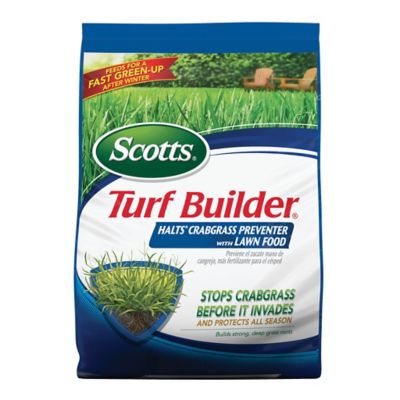
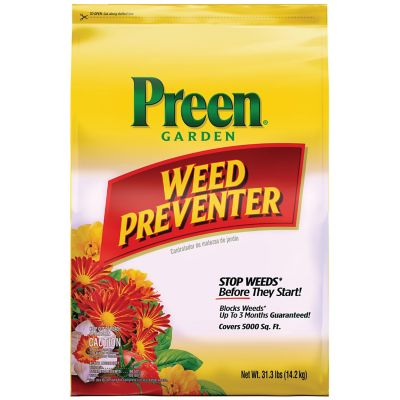
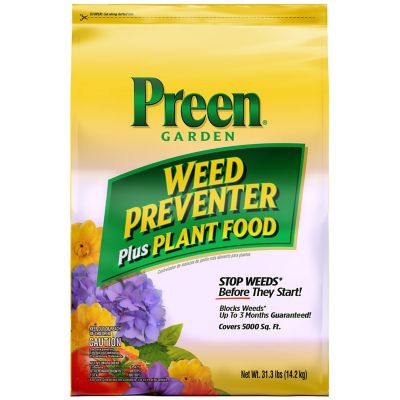
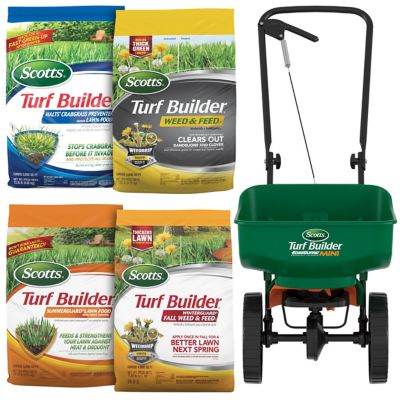
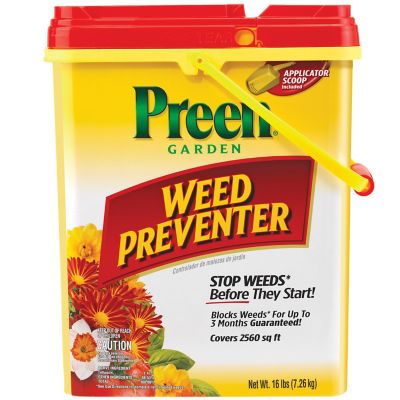
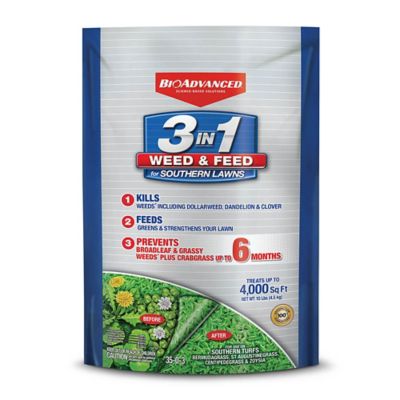
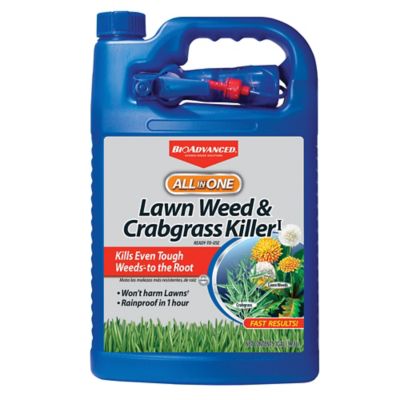
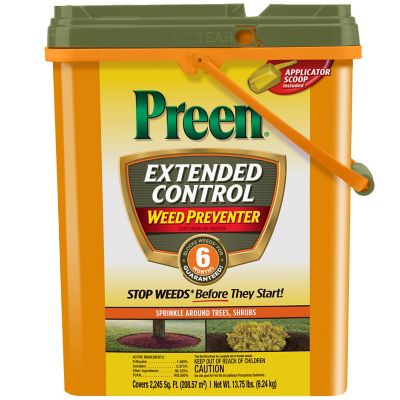
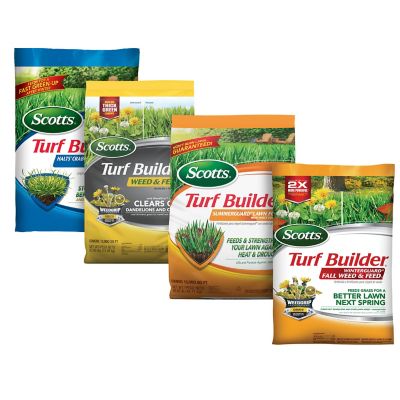
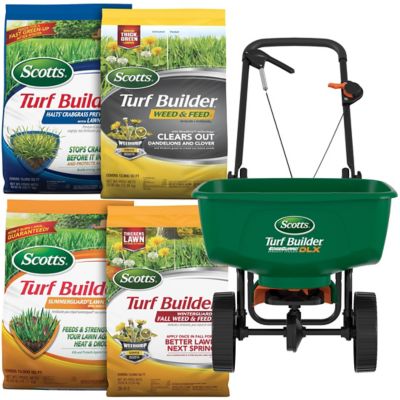
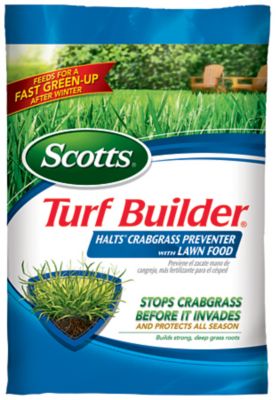
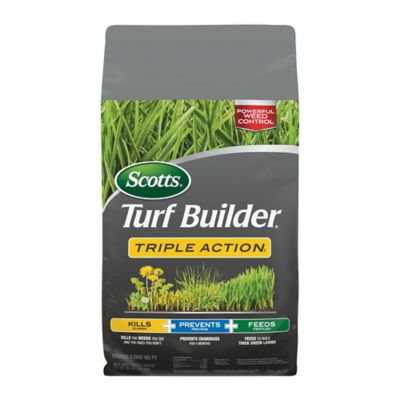
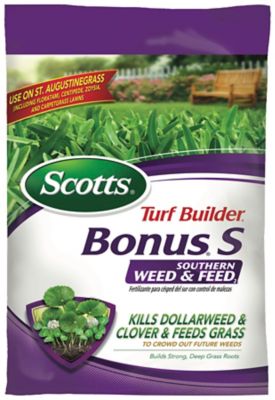
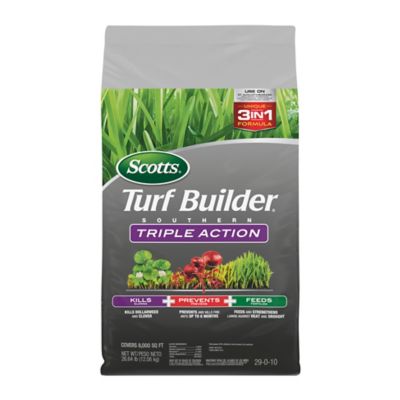
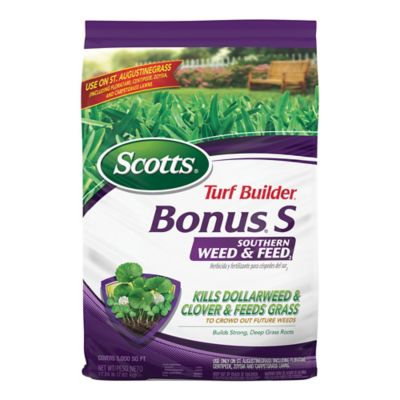
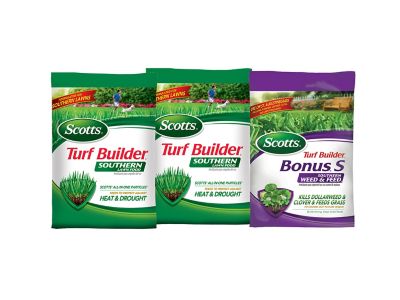
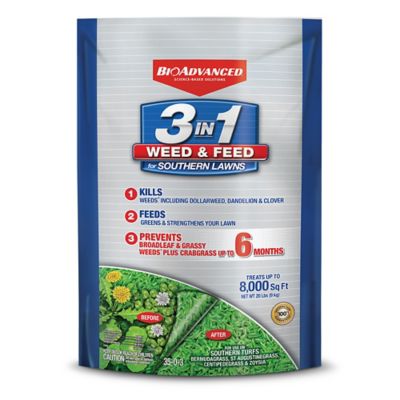
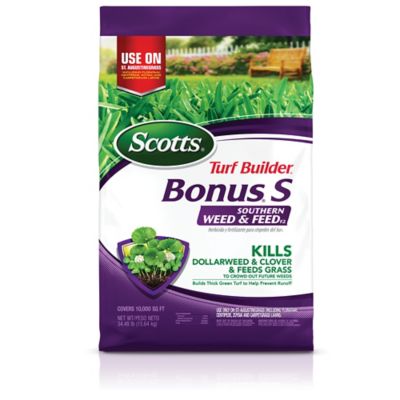
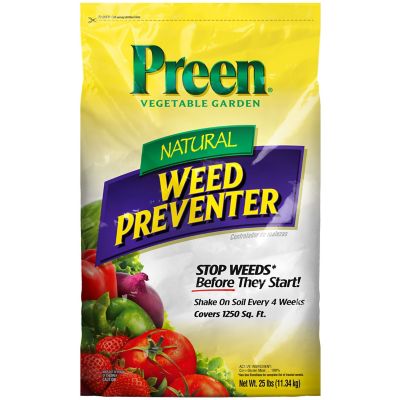
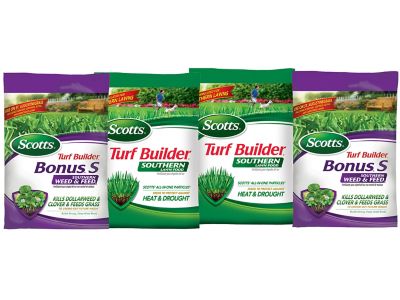
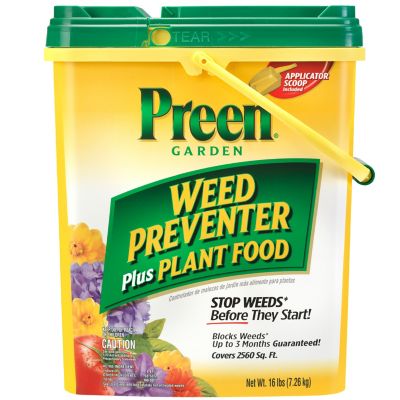
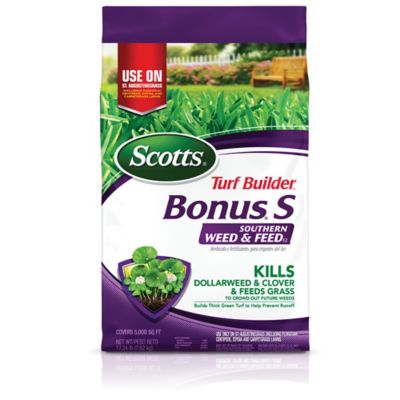
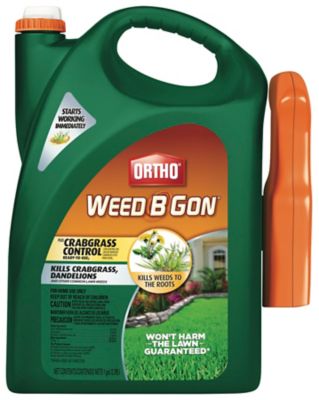
Weed control fertilizers combine lawn nutrients with an herbicide, bringing turf feeding and control of labeled weeds into one application. Often called weed and feed, these lawn treatments suit homeowners and property caretakers who want to support established grass while managing weeds across the same patch of ground. Around a farmhouse, along a front walk or inside a fenced backyard, the goal is a fuller stand of turf with fewer unwanted plants competing for room, water and nutrients. The right formula depends on what is growing there already. Some weed and feed fertilizers target existing broadleaf weeds, such as dandelions, plantain and certain types of clover. Others pair fertilizer with a preemergent herbicide that helps prevent listed weeds, including crabgrass, from becoming established. Those are different jobs: a preventive treatment generally will not clear out mature weeds, and a broadleaf treatment does not automatically control grassy weeds. The target weed list and application directions on the package tell the real story. Grass compatibility matters just as much, since an herbicide suitable for one lawn can injure another. Bermudagrass, tall fescue, Kentucky bluegrass, St. Augustinegrass and other turf types do not all tolerate the same ingredients, and some labels distinguish between varieties within a grass species. A mixed lawn needs a formula labeled for every desirable grass in the treatment area. These fertilizers are generally intended for turf rather than vegetable beds, flower borders or ground where animals graze. A lawn stretching toward a barn may look much like the adjoining paddock, but those spaces have different treatment requirements. For a property with several kinds of planting areas, clearly separating the lawn from pasture, orchard and garden space helps keep the choice focused on its intended use. Weed and feed makes the most sense when the lawn needs both nutrition and the particular weed treatment in the package; when only one task needs attention, a combined formula may not fit.
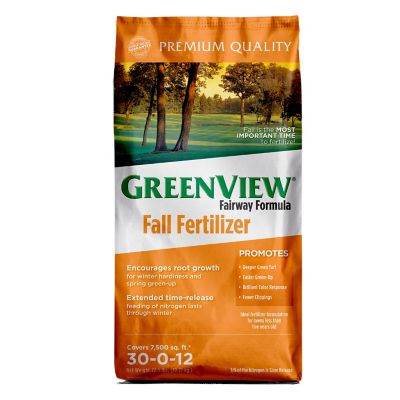
The fertilizer side of the blend deserves a close look, too. The three numbers on a fertilizer label describe the percentages of nitrogen, phosphate and potash, in that order. Nitrogen supports leafy growth and green color, while the other nutrients serve additional plant needs; a higher number is not automatically a better match for the yard. A soil test helps identify nutrient needs and can prevent adding phosphorus or potassium where there is already enough. Local fertilizer restrictions may also affect the appropriate choice. Some blends contain slow-release nitrogen, which supplies part of the feeding over an extended period, while others make more nitrogen readily available. Feeding duration varies with the formulation and growing conditions, so it should not be confused with the length of weed control. Granular weed control fertilizers commonly pair with a broadcast or drop spreader. A broadcast spreader suits broader stretches of lawn, while a drop spreader offers a more defined application path near edges; either one needs settings matched to the fertilizer and the equipment. Package weight alone does not show how much ground a bag will treat. Labeled coverage in square feet, based on the specified application rate, is the useful comparison for a small yard beside the house or a larger lawn around an outbuilding. Measuring the actual turf area, with driveways, beds and buildings left out, helps match the amount to the job. More material does not mean better results, and overlapping passes can leave sections receiving too much fertilizer and herbicide. Even particle distribution and steady equipment operation matter more than laying down a heavy stripe. Liquid weed and feed formulations have their own mixing, application and coverage directions, so their requirements should not be carried over from a granular treatment. Across either format, the best fit comes from matching grass type, target weeds, nutrient needs and lawn size rather than choosing by a single claim on the front of the package.
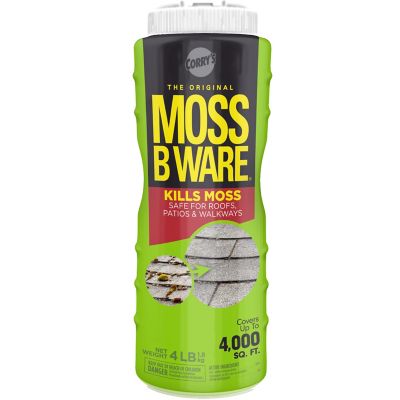
Application requirements vary because different herbicides reach weeds in different ways. Some granular broadleaf treatments need moisture on weed leaves to help particles adhere, followed by a label-specified period without irrigation. Many preemergent treatments instead need watering after application to move the active ingredient into the soil surface. That distinction matters for a yard with an irrigation system or a lawn watered by hose: there is no single watering schedule that fits every weed control fertilizer. Mowing intervals, repeat-application limits and the condition of the turf also affect the fit. Newly seeded or recently sodded lawns may require a waiting period, and some weed preventers interfere with desirable grass seed germination. A bare strip along the driveway that needs reseeding can therefore call for a different plan than the thick, established turf nearer the porch. Established broadleaf weeds generally need active growth for effective postemergent treatment, but the package directions remain the authority for application conditions and restrictions. Where children or pets spend time on the lawn, label instructions establish when the treated area can be entered again; a dry surface alone does not replace those directions. Keeping granules off sidewalks and driveways, away from drains and out of planting beds helps keep the treatment where it belongs. Storage and equipment care count as well. Fertilizer belongs in its original labeled container, closed and protected from moisture, with access restricted from children and animals and separation from feed, food and seed. Spreader cleanup should follow equipment and fertilizer directions, with residue and rinse water kept out of drains and waterways. Not every unwanted patch in a lawn is a weed problem, either. Moss can point to shade, drainage, soil or turf-density issues that a standard weed and feed blend will not address. For lawns with that separate concern,
Moss Control Fertilizers address a different treatment need, alongside attention to the conditions favoring moss. Matching the treatment to the actual problem keeps lawn care grounded in what the grass needs and helps avoid unnecessary applications.