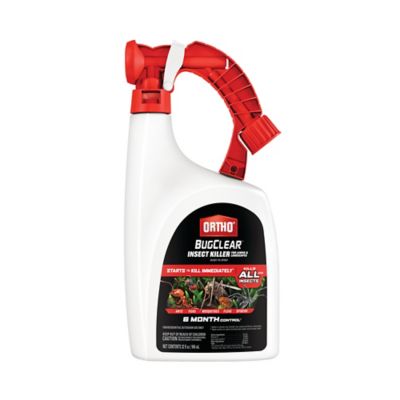
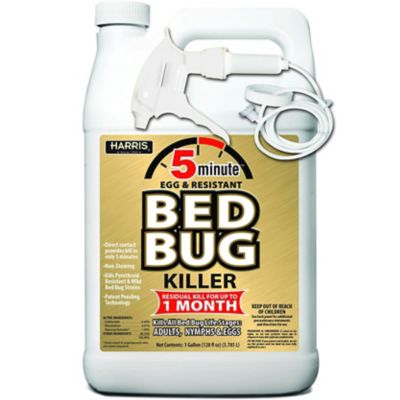
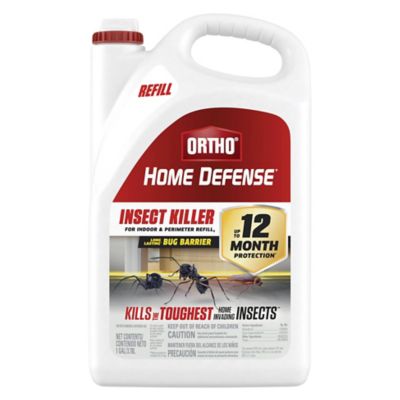
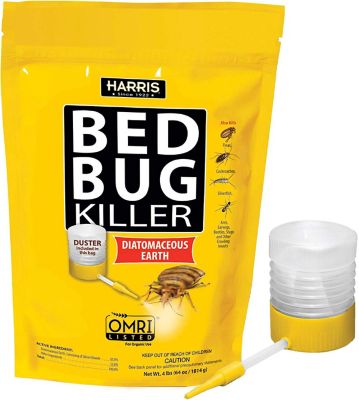
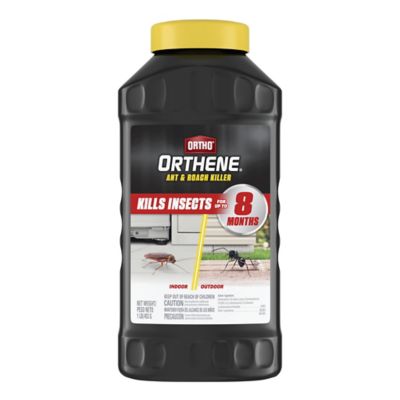
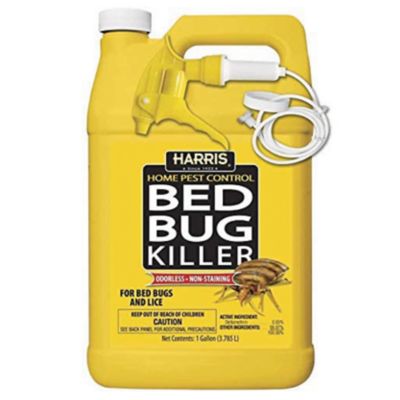
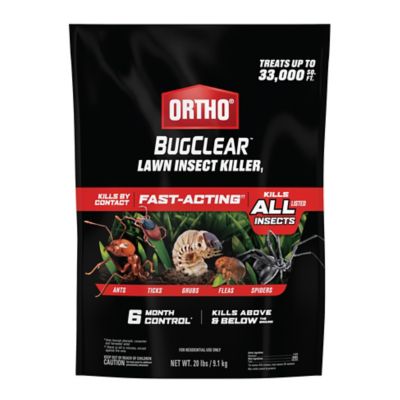
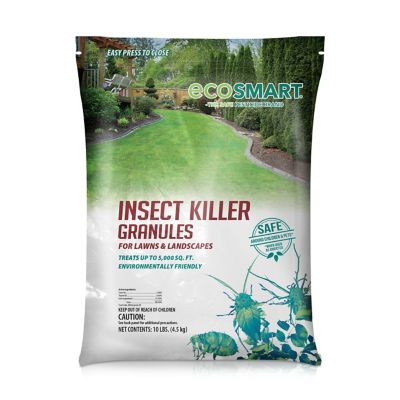
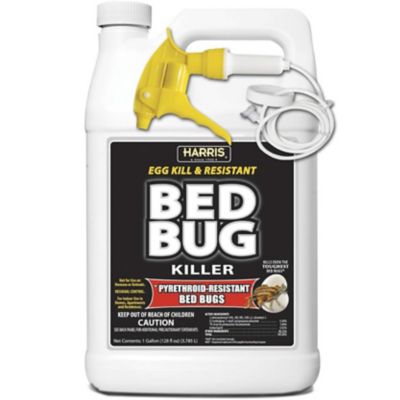
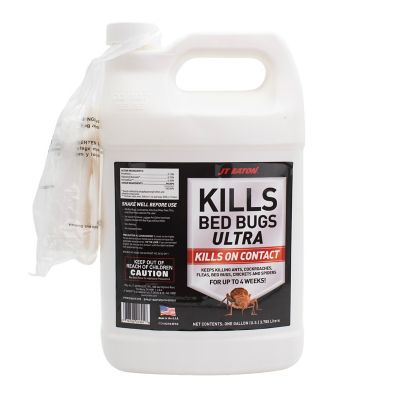
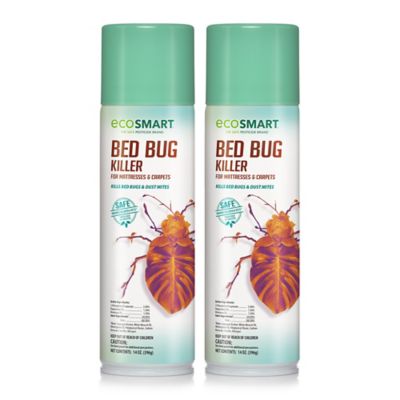
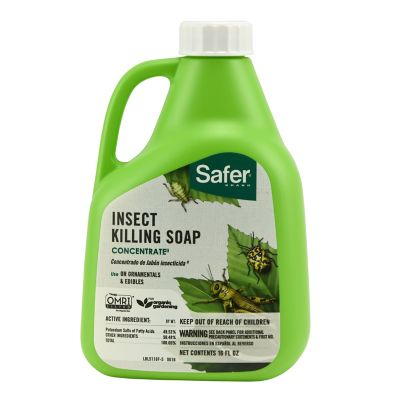
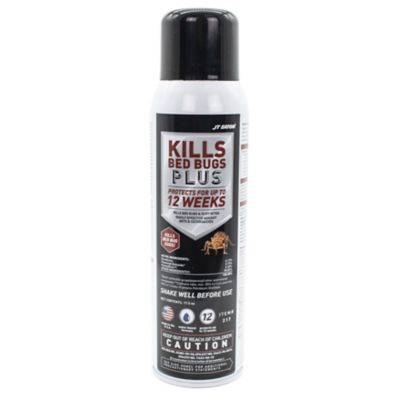
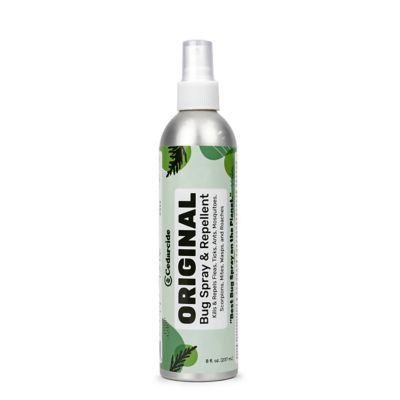
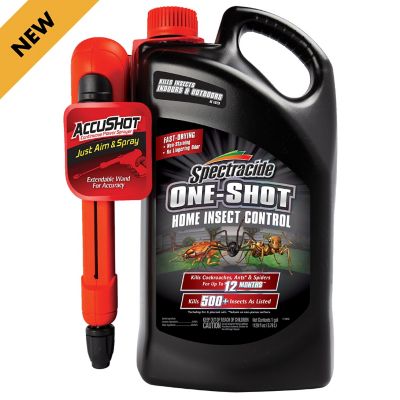
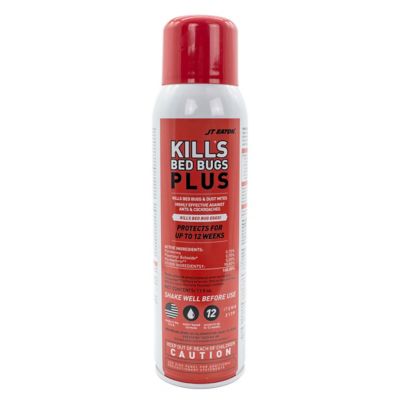
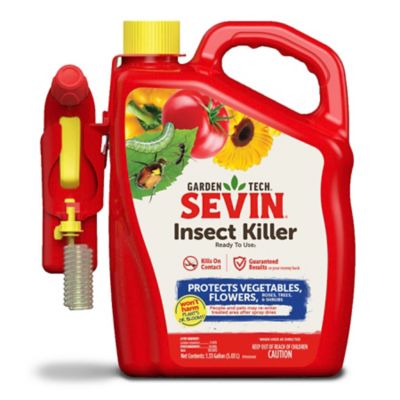
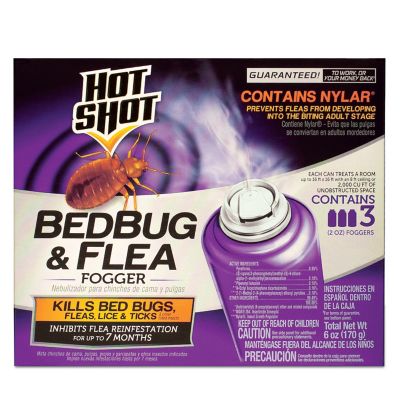
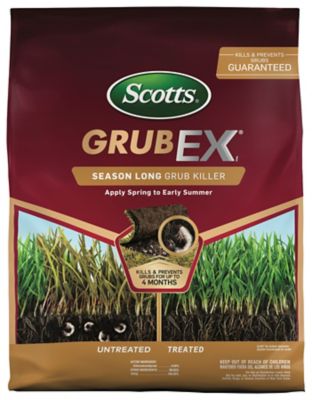
Bug killers help control unwanted insects in and around homes, garages, yards, and other areas listed on the product label. The category includes insect-killing sprays, liquid concentrates, granules, baits, and traps, with different options suited to different pests and treatment locations. The best match starts with the insect and the place it has settled in, not simply how many pests a formula claims to control. Ants trailing along a kitchen baseboard call for a different approach than roaches tucked behind appliances or lawn insects feeding below the grass. Some formulas kill insects through direct contact, while others leave a residual treatment that continues working for the period stated on the label. Baits work differently: they attract feeding insects, and certain ant and roach baits allow insects to carry the active ingredient back to others. Traps may capture pests without distributing a pesticide across a surface, though their purpose and performance depend on the trap design and target insect. Those distinctions matter around a farmhouse kitchen, a detached workshop, or a feed storage area, where the same pest can turn up in places with very different treatment requirements. A label that lists ants does not necessarily cover every ant species, and an outdoor treatment is not automatically appropriate for indoor cracks and crevices. Likewise, products labeled for building perimeters may not be suitable for vegetable gardens, animal housing, or direct application to livestock. Clear labeling for the target pest, application site, and method gives shoppers a sound basis for comparing bug killers. Coverage, time to control, and the length of any residual effect also vary by formula and application. Fast knockdown can matter when insects are visible, while a bait or targeted residual treatment may better fit pests that spend much of their time out of sight. No single format handles every insect problem, and broader pest claims do not replace a close match to the job.
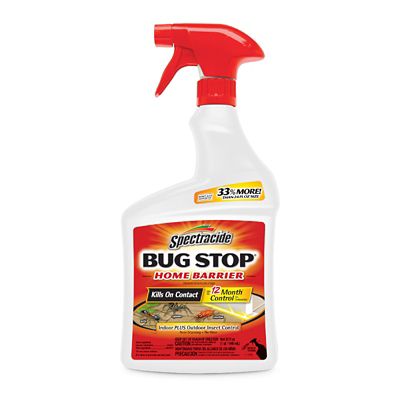
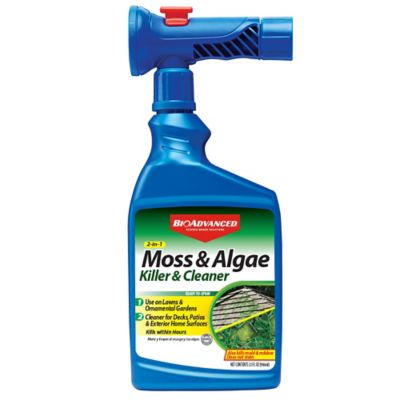
Application format makes a practical difference in how a bug killer fits into everyday chores. Ready-to-apply liquids remove the mixing step and can suit smaller treatment areas, while concentrates require measuring and dilution according to the label. Hose-end formats can help distribute labeled outdoor treatments over larger areas, and granular formulas may call for a spreader and additional application steps. Total coverage matters more than container size alone: a small amount of concentrate and a larger ready-to-apply container can cover very different areas. The application rate, dilution requirements, and number of treatments determine how far a package goes. For shoppers comparing liquid formats,
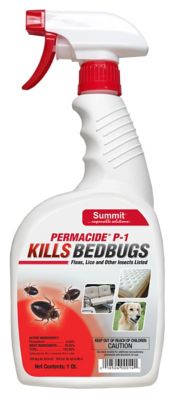
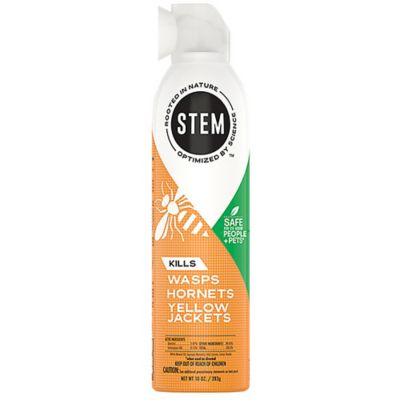
Insect Sprays include options intended for particular pests, surfaces, and locations. A narrow spray pattern can suit a labeled crack-and-crevice treatment, while broader application patterns serve other purposes. The surface matters, too. Finished wood, painted trim, upholstery, concrete, and plant foliage do not all tolerate the same treatment, and product directions may call for testing an inconspicuous spot or avoiding certain materials altogether. Staining potential, odor, ventilation requirements, and drying or reentry directions can affect whether a formula fits an occupied room, a work area, or a spot where pets spend time. An odorless formula still requires the same attention to its safety instructions as any other pesticide. Around feed bins, pantry shelves, water bowls, and food preparation areas, protection against contamination is a central consideration. Children, pets, poultry, and livestock may need to stay out of treated spaces for the period specified on the label. A product intended for a yard is not a treatment for an animal, and a household insect killer should never be applied to pets unless its labeling expressly permits that application. These details help separate a convenient format from one that actually belongs in the space being treated. Gloves, eye protection, and other protective equipment may also be required, depending on the formula and task.
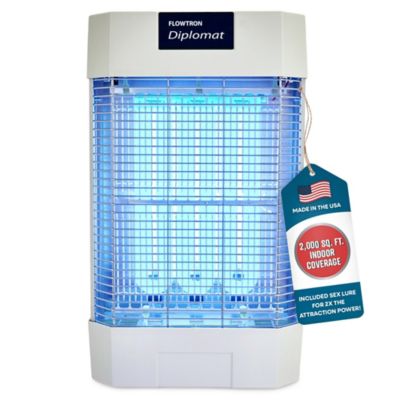
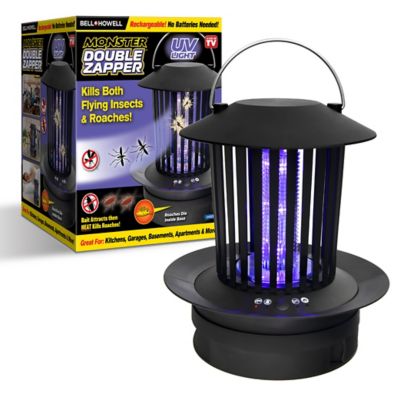
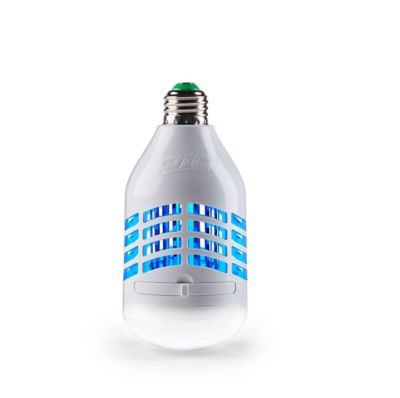
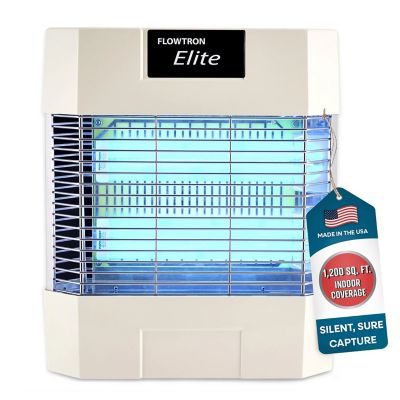
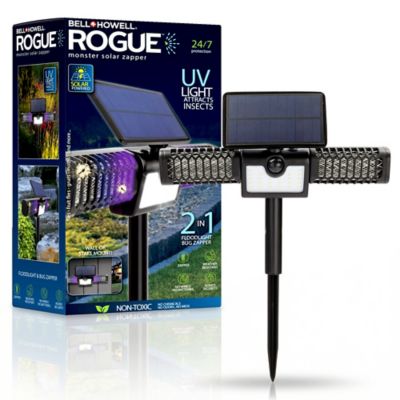
Beyond the formula itself, construction and upkeep affect how traps, bait stations, and application equipment fit into life around the house and property. Enclosed bait stations can help contain bait in a designated location, but their design does not remove the need to follow placement restrictions or keep them away from children and animals. Adhesive traps depend on an unobstructed catching surface, and accumulated dust or debris can interfere with that surface. Reusable traps may have removable collection sections, while other designs are intended for disposal after they fill. For liquid application equipment, comfortable handles, readable measurement markings, compatible seals, and a spray pattern suited to the labeled task are useful details to compare. Plastic bodies can keep equipment lighter to carry, while metal components may offer a different balance of weight and handling; compatibility with the treatment matters more than material alone. Cleaning and storage requirements also deserve attention, especially when equipment sits alongside tools, animal supplies, or garden materials. Pesticides belong in their original labeled containers, secured away from food, feed, and animal access, with disposal handled according to label directions and local requirements. Electric insect traps bring their own considerations, including power access, placement, collection-tray cleaning, and whether the unit is rated for its intended location. Light-attracting traps do not draw every pest equally, so a bright lamp is not proof of control for mosquitoes or other biting insects. Around a porch, workshop doorway, or trash storage area, the target pest should still drive the choice. Bug killers also fit best alongside basic property care: tight-fitting screens, sealed entry gaps, clean feed storage, and prompt removal of food scraps reduce opportunities for insects to settle in. Keeping treatments focused on labeled areas helps limit unnecessary exposure to beneficial insects and nearby spaces. For recurring infestations, pests inside walls, or insects that threaten a structure, identification and professional assessment may be more useful than repeated applications. The goal is a bug-control option that fits the pest, the property, and the people and animals sharing it.