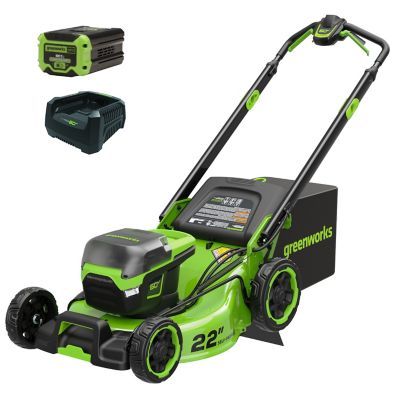
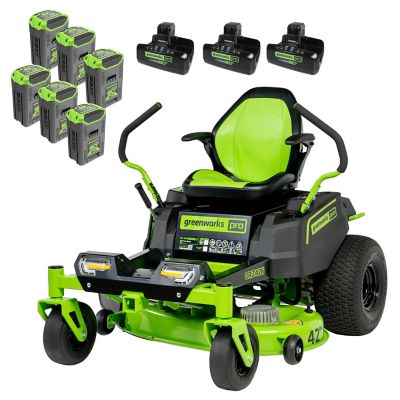
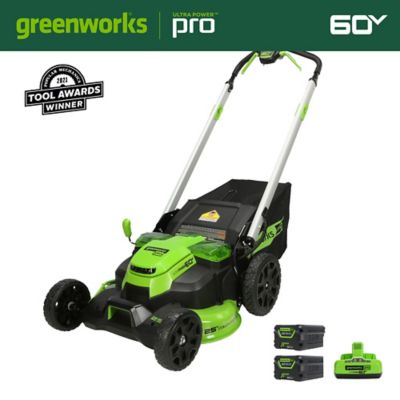
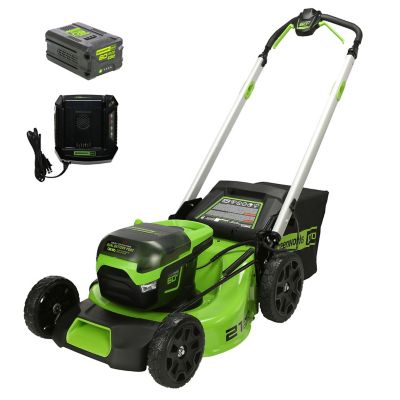
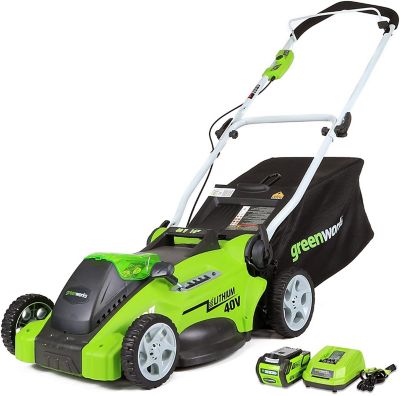
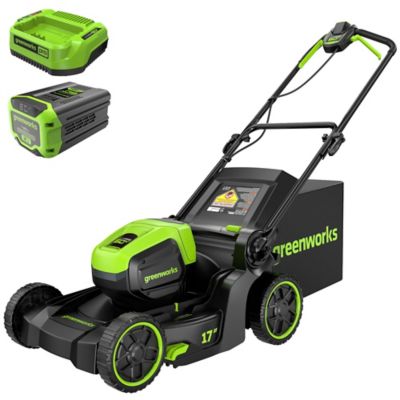
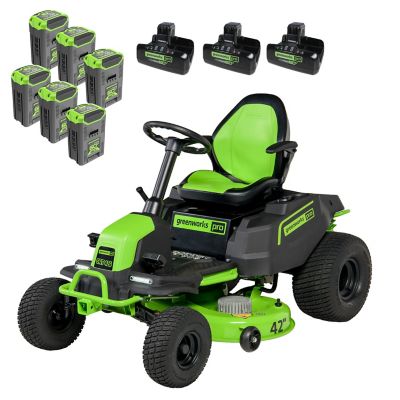
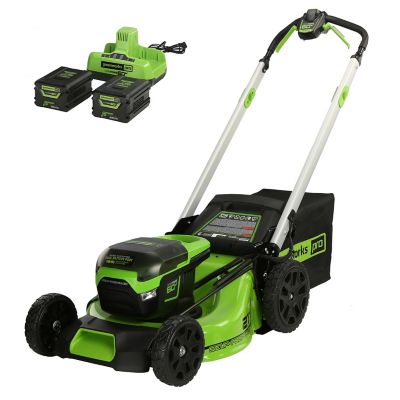
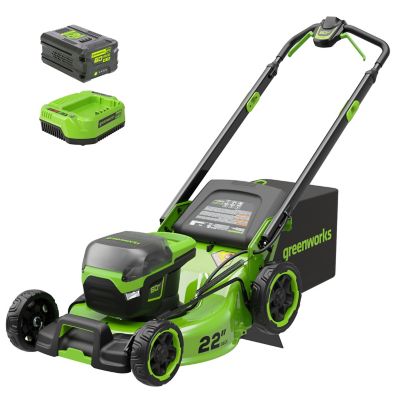
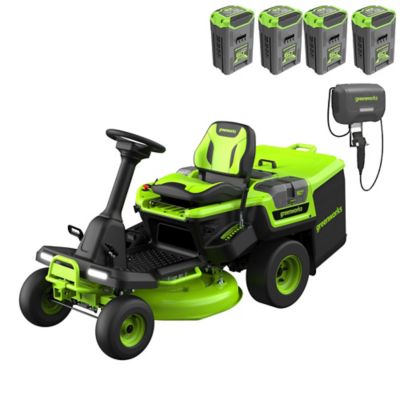
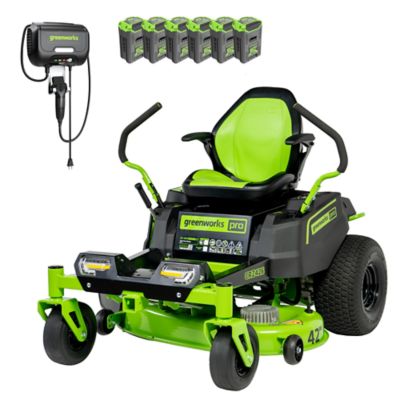
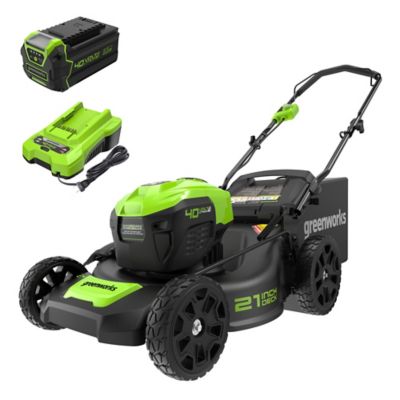
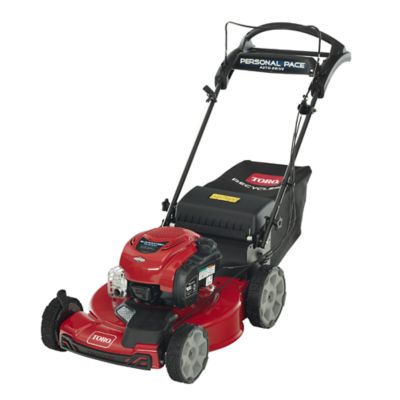
Cordless lawn mowers bring battery-powered cutting to the grass around the house, along the driveway, and between the garden fence and the shed. They run on rechargeable batteries rather than gasoline, so there’s no fuel to pour, no engine oil to change, and no exhaust from the mower while it runs. Many feature push-button starting, and they generally make less noise than gas-powered mowers, though hearing protection may still be appropriate. For homeowners keeping a town lot tidy or maintaining the lawn portion of a larger country property, that combination can make regular mowing feel like less of a chore. The right fit depends on more than acreage alone. A wide, open stretch of grass takes a different kind of effort than a smaller yard dotted with trees, flower beds, gates, and tight corners. Cutting width, mower weight, battery capacity, and drive type all play a part in how comfortably a mower handles that ground. A wider deck covers more grass on each pass, while a narrower deck can be easier to steer around a wellhead or through a garden gate. Push mowers suit many smaller, flatter lawns, while self-propelled designs help reduce the effort of moving the machine across longer stretches or gentle grades within the mower’s operating limits. Adjustable handle positions can make a difference for people of different heights, especially when mowing takes more than a few passes. Cordless lawn mowers are intended for maintained turf, not clearing woody growth, rough pasture, or brush. For a household that wants a straightforward way to keep the grass around the porch and outbuildings in shape, battery power offers a practical alternative to a small gas engine without an extension cord trailing behind. The appeal is everyday convenience: charge the battery, follow the starting procedure, and get on with the mowing when the grass and weather cooperate.
Battery specifications help explain how a cordless lawn mower fits a particular property, but voltage alone does not tell the whole story. Voltage identifies part of the mower’s electrical system, while amp-hours describe battery charge capacity; watt-hours provide a more useful comparison of stored energy across different voltages. Actual cutting performance also depends on the motor, blade, deck design, and grass conditions. Runtime and acreage estimates are best treated as conditional figures rather than promises. Thick turf, tall growth, damp grass, frequent turns, and self-propelled operation can all draw more energy than an easy pass across short, dry grass. A yard with a long strip beside the lane may call for more battery capacity than its size first suggests, especially if mowing happens less often and the grass gets ahead of the schedule. Battery recharge time matters, too, because a charging break can stretch a simple yard chore into a longer afternoon. Some mower configurations accept more than one battery, but whether those batteries operate together or switch over depends on the design. Battery and charger compatibility should match the exact tool platform; similar-looking packs or matching voltage labels do not guarantee that parts work together. Brushless motors are common in battery-powered lawn equipment and can offer efficient operation with fewer motor components subject to mechanical wear. Cutting features deserve just as much attention as the battery. Mulching returns finely cut clippings to the lawn, rear bagging collects them for removal, and side discharge spreads them back across the mowing path. Not every mower supports every method, and some arrangements require attachments. Adjustable cutting heights help match the cut to the grass species and growing conditions, while convenient height controls make changes less of a fuss. For another point of comparison, the
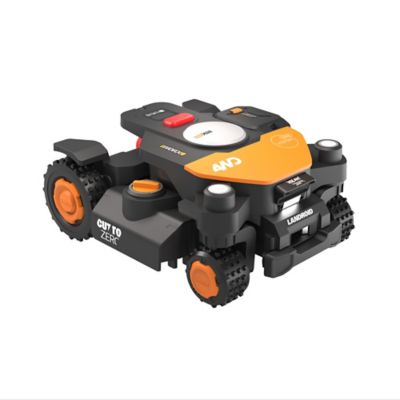
Worx Cordless Lawn Mower page offers a related place to explore battery-powered mowing equipment. Across cordless designs, the most useful comparison is how the full setup fits the lawn, the operator, and the time set aside for mowing.
Deck construction, wheel design, and storage features round out the day-to-day experience of owning a cordless lawn mower. Steel decks offer a sturdy cutting housing, but scratched surfaces need attention to help limit corrosion. Polymer decks resist rust and can help keep weight down, though their construction and suitability vary by mower. Neither material makes a mower suitable for running over stones, wire, fallen limbs, or other debris. Around a gravel drive or an old fence line, clearing the mowing path protects both the equipment and anyone nearby from thrown objects. Wheel size and tread influence how easily a mower rolls over uneven lawn, while a comfortable handle and an accessible speed control can help with steady movement around beds and trees. A self-propelled mower still needs careful handling on slopes, and the manufacturer’s slope limits and operating directions matter more than a general claim about hill-climbing ability. Care is usually simpler than with a gas engine, but cordless equipment still needs attention. With the mower shut off, the battery removed, and the blade fully stopped, routine cleaning helps keep grass buildup from crowding the underside of the deck. Cleaning methods should follow the manual, especially around electrical parts; a hose is not appropriate for every mower. Sharp, properly fitted blades support a cleaner cut, and blade service should follow the specified safety procedure. As mowing slows during the cooler months, dry storage helps protect the machine, while batteries need the temperature range and charge level recommended by their manufacturer. Folding handles can free up floor space beside the wheelbarrow, and certain designs permit upright storage, but that feature should never be assumed. Battery removal, folding steps, and storage position vary by model. These practical details matter whether the mower is for a first home, a smaller lawn after downsizing, or a gift for someone ready to move away from gas-powered yard equipment. A mower that fits the gate, handles the regular cutting area, and stores neatly in the shed is more useful than one chosen on a single specification.