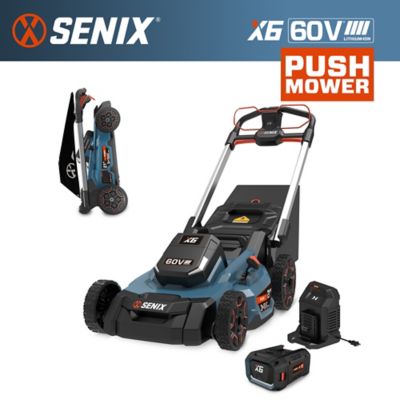
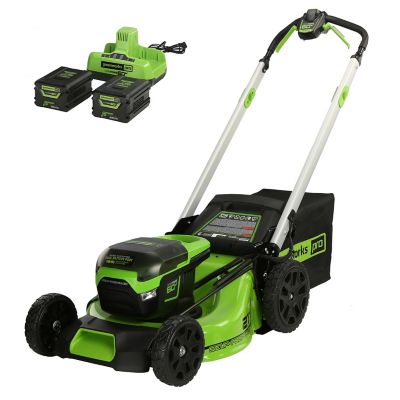
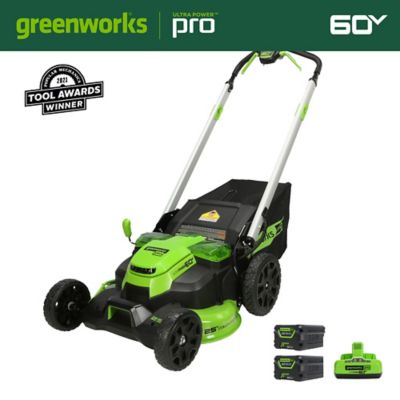
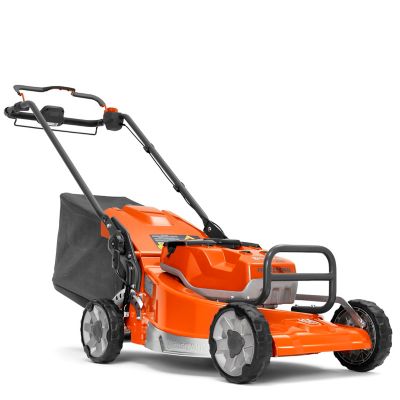
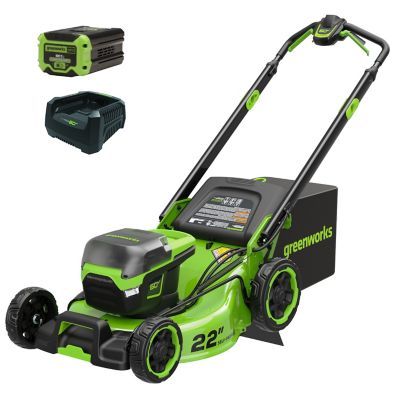
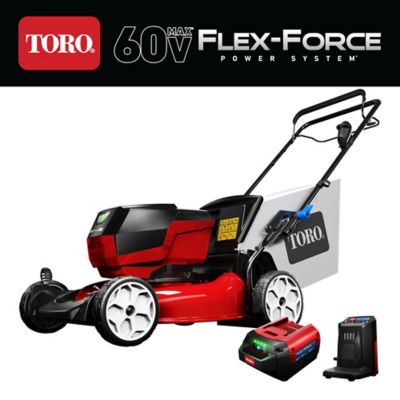
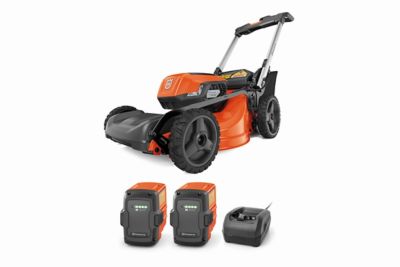
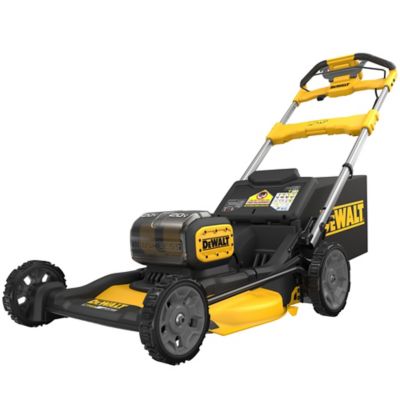
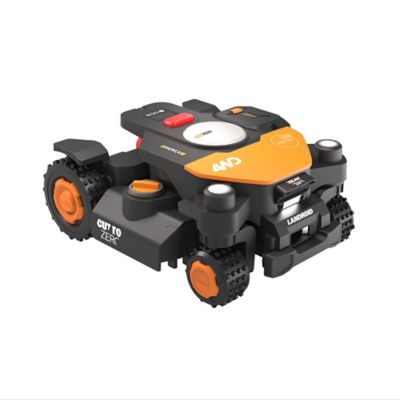
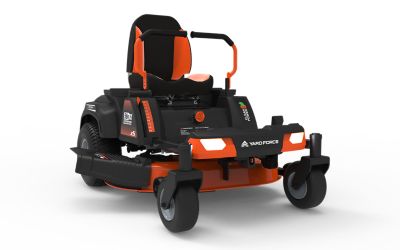
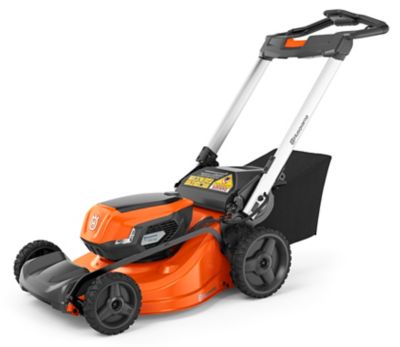
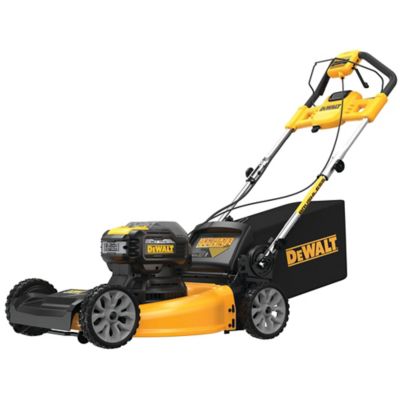
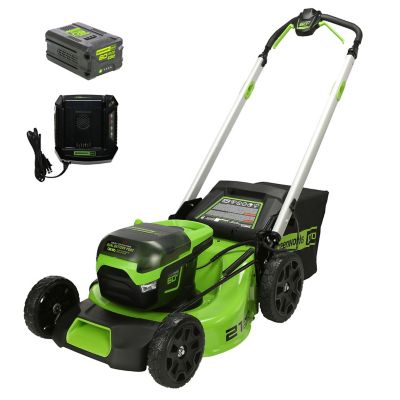
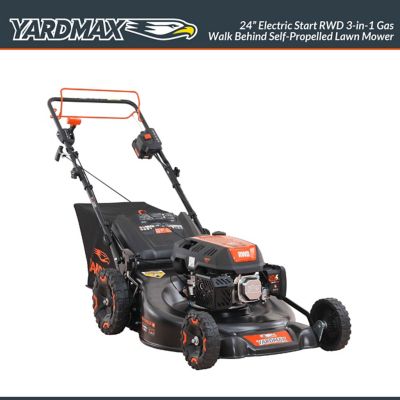
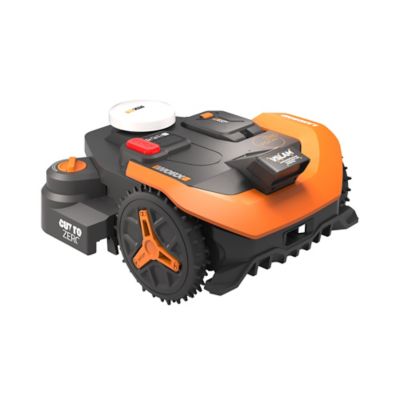
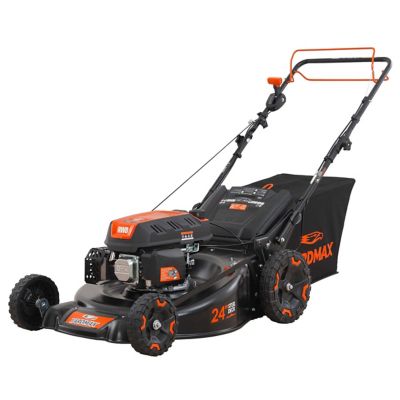
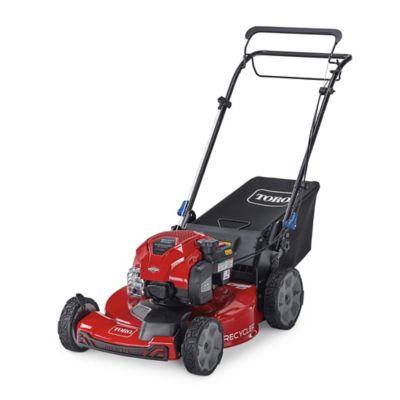
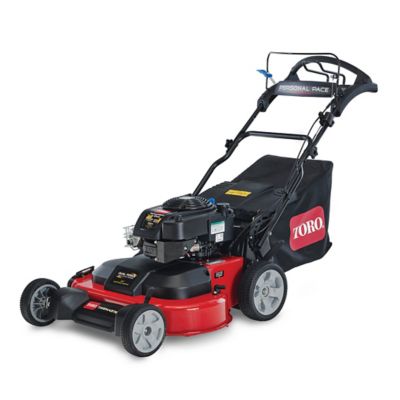
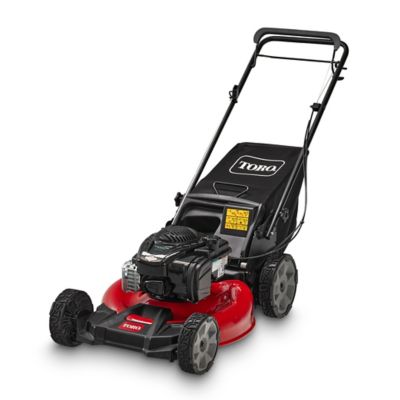
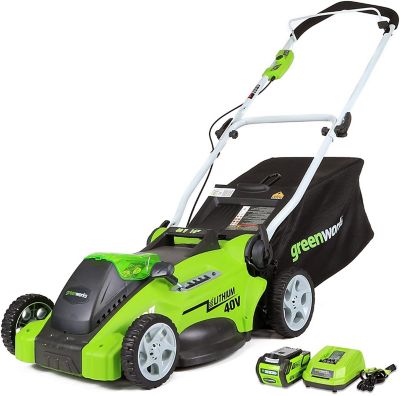
A self-propelled cordless lawn mower can make routine yard work feel a whole lot easier, especially when the grass is thick, the lot is wide, or the ground rolls more than it looks from the porch. Instead of pushing the mower across every row, the drive system helps move it forward while you guide the handle, giving your shoulders and back a break during long cutting sessions. Battery power brings that same convenient, steady mowing help without gasoline, engine fumes, oil changes, spark plugs or the loud rattle of a small gas motor. Many homeowners appreciate being able to mow early in the morning or later in the day without making quite as much commotion, while folks with larger rural yards often like the quick start and simple upkeep. These mowers can be a good fit for keeping a home lawn, guesthouse yard, garden paths and open spaces around barns or outbuildings looking tidy. They also make a thoughtful gift for a new homeowner, a family member tending an aging lawn, or anyone who would rather spend less time wrestling with a heavy mower and more time enjoying a freshly cut yard. Before choosing one, take a look at the size and shape of the area you mow, along with slopes, soft ground, gates and narrow passages. Rear-wheel drive can provide useful traction when mowing hills or uneven ground, particularly when the grass is damp or the mower’s collection bag is filling up. Front-wheel drive may feel nimble on flatter lawns and can make it easier to lift the front end for turns, so the best setup depends on the property and the way you like to mow. For more traction-focused options, browse the
Self Propelled Rear Wheel Drive Lawn Mower selection.
Battery capacity is one of the biggest details to consider with a self-propelled cordless lawn mower. Lithium-ion batteries are commonly described by amp-hours, or Ah, and a higher Ah rating generally means more stored energy and a longer potential mowing session. Keep in mind that runtime changes with grass height, moisture, slope, cutting speed and how much you use the self-propel feature. Thick springlike growth, tall weeds and a damp lawn can ask more from the battery than a light trim over dry, maintained grass. A mower may also use power faster when the drive speed is set high or when the blade is working through heavy clippings. If your yard takes a while to cover, a larger-capacity battery, a second compatible battery or a mower with a dual-battery setup can help reduce interruptions. Charging time matters, too, particularly when several sections of the property need attention. A brushless motor is another feature worth noting because it is designed for efficient performance and long-term durability, with fewer wear parts than a brushed motor. Cutting width affects both coverage and maneuverability: a wider deck can shorten work across open stretches, while a narrower deck may be easier to steer between raised beds, trees, fence lines and landscaping. Look for convenient cutting-height adjustment if your lawn includes different grass types or if you prefer to leave the turf a little taller during hot, dry spells. Mulching, side discharge and rear bagging options give you flexibility as conditions change. Mulching returns finely cut clippings to the lawn, bagging leaves a cleaner finish around walkways and patios, and side discharge can be handy when tackling long grass in an open area.
The deck material also plays a part in how a mower feels and holds up over time. Steel decks are known for their sturdy, heavy-duty construction and can be a solid choice for demanding chores, while composite or polymer decks may reduce overall weight and resist rust. A lighter mower is often easier to load, carry across a threshold or pull from a shed, but durability and balance are just as important when working around rough ground. Check the handle design, drive-speed controls and start-up controls for a comfortable fit; an easy-to-reach lever or variable-speed control can make a noticeable difference when moving from a flat stretch to a slope. Look for a deck wash connection if that feature suits your cleanup routine, and keep the underside clear of packed grass so airflow and cutting performance do not suffer. When mowing, clear sticks, stones, wire and other debris from the area, wear sturdy shoes and eye protection, and keep people and pets at a safe distance. Let wet grass dry when possible, since slippery footing and clumped clippings can make the job harder. During the warmer part of the season, cutting more often and taking only a moderate amount off the top helps avoid straining both the mower and the lawn. As cooler weather settles in, a cordless mower can still be useful for finishing growth, mulching light leaves or cleaning up around outbuildings before winter storage. Once the work is done, remove the battery before cleaning or inspecting the mower, brush away clippings, store the battery in a dry place away from extreme heat and cold, and keep the mower folded or upright only as directed by the manufacturer. Many newer models offer folding handles or vertical storage, which can free up valuable room in a garage, shed or mudroom. With the right battery capacity, drive system, deck size and storage plan, a self-propelled cordless lawn mower can be a practical, quieter way to keep the whole place looking cared for from the first trim through the final cleanup of the season.