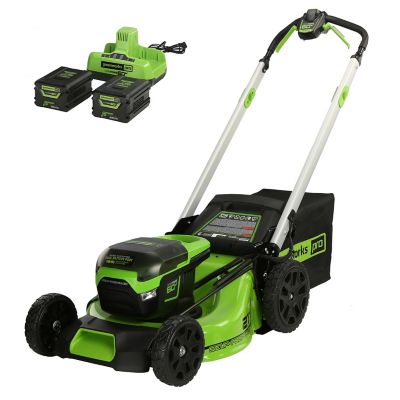
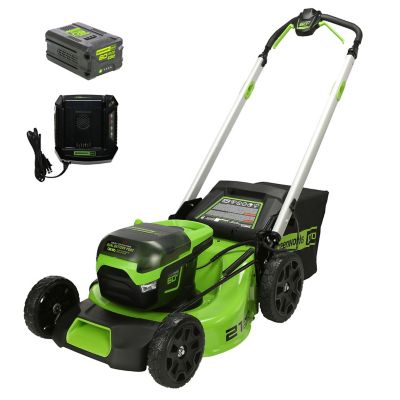
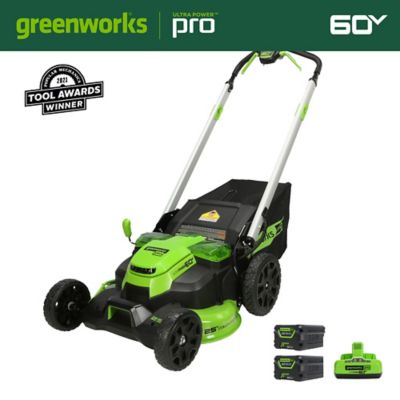
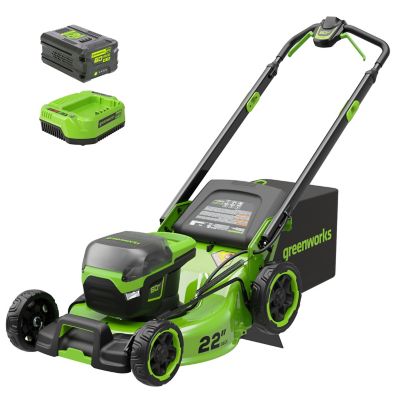
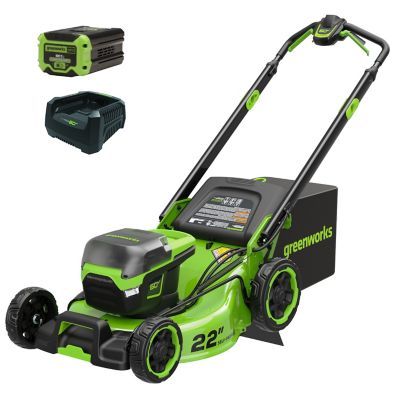
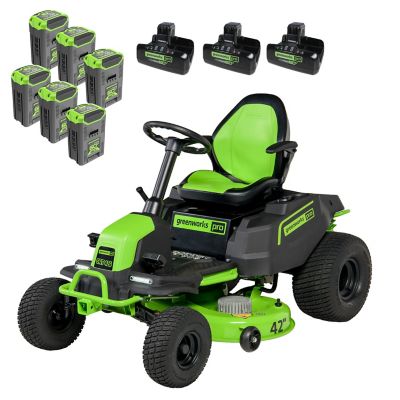
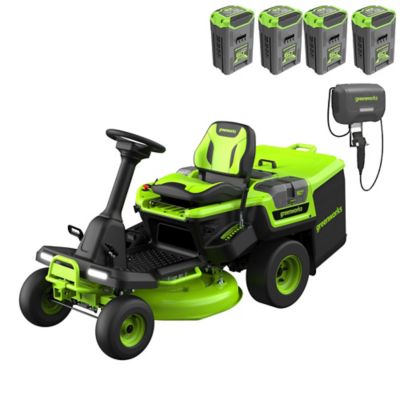
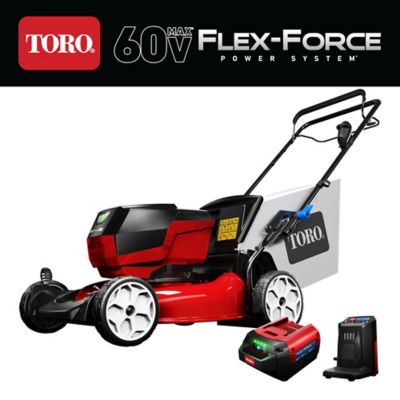
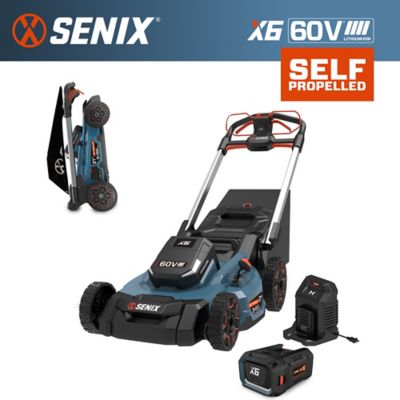
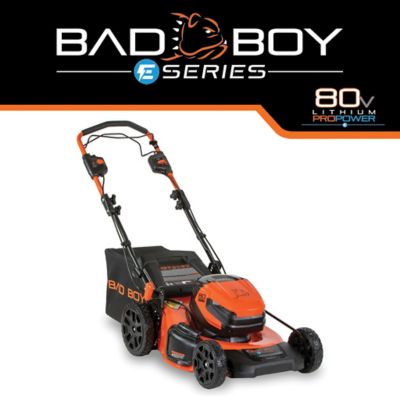
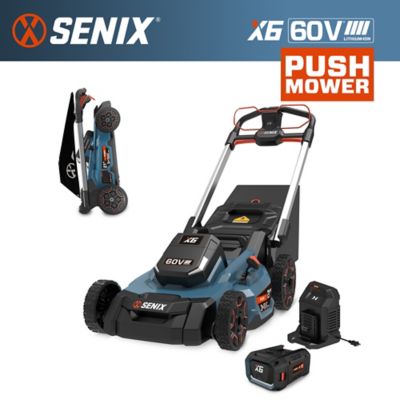
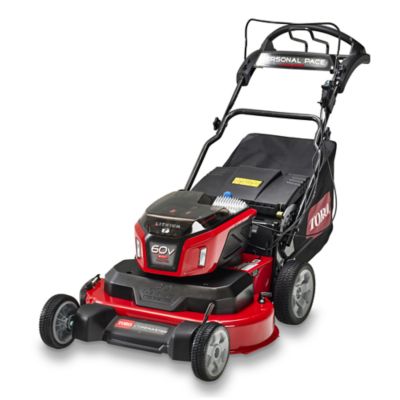
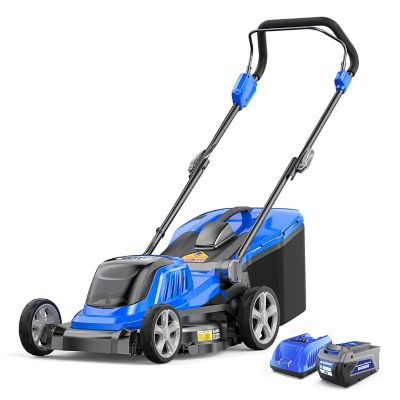
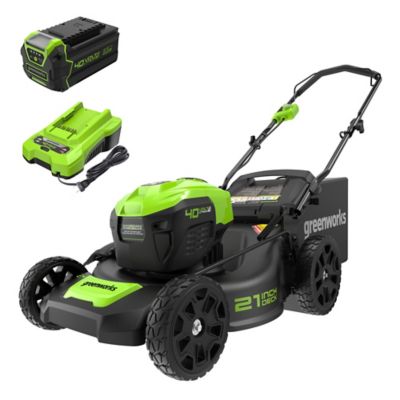
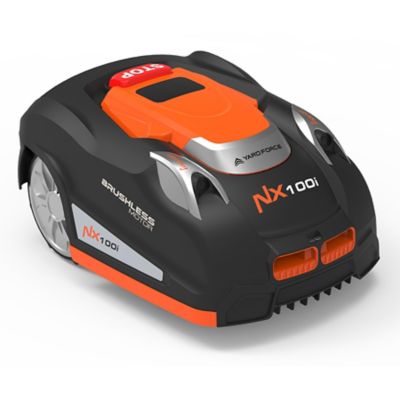
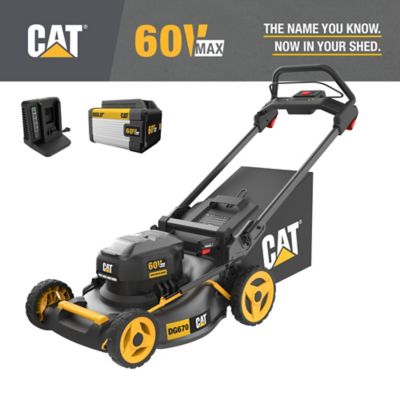
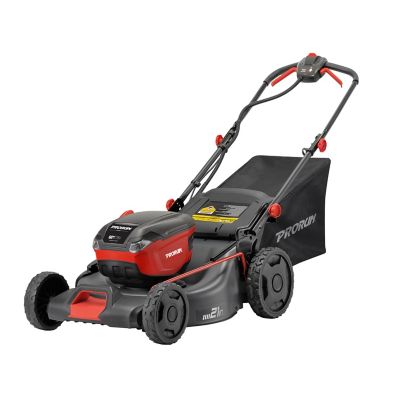
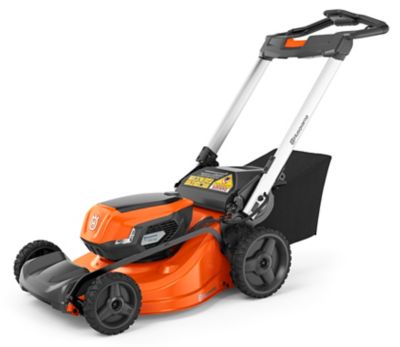
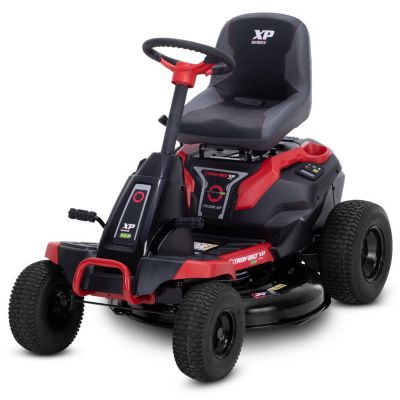
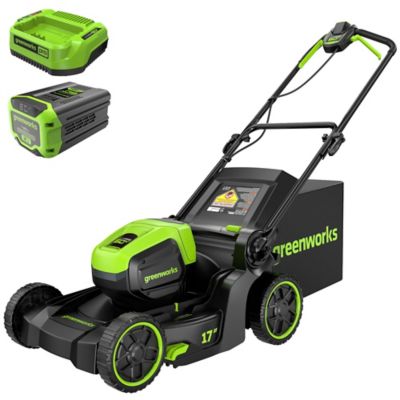
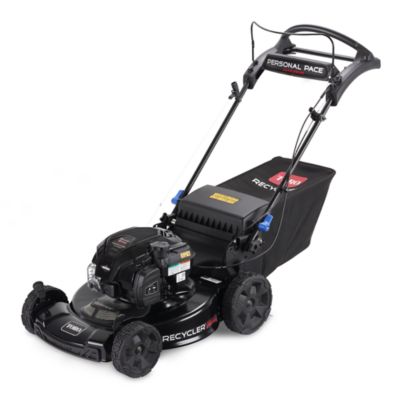
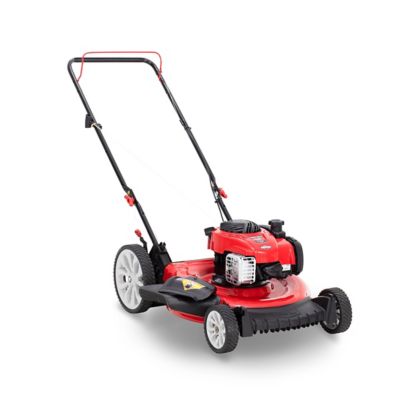
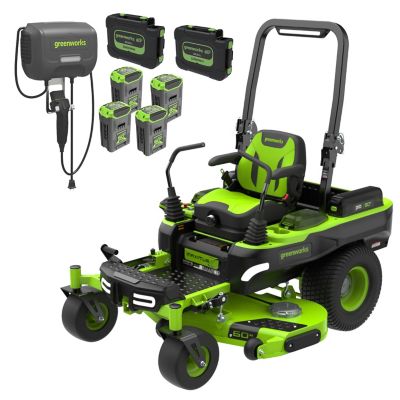
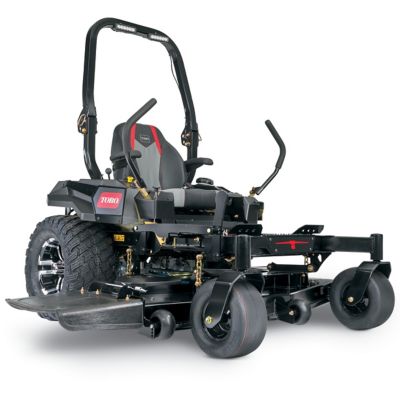
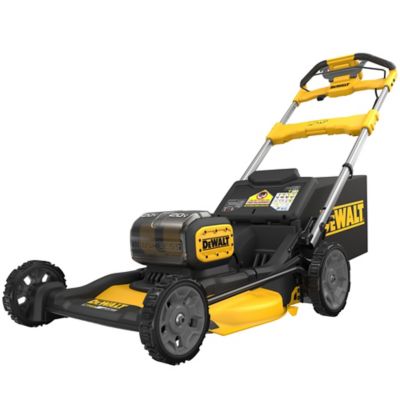
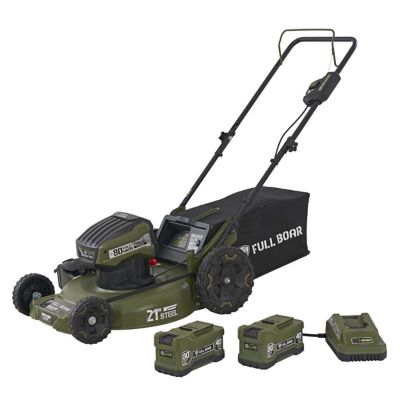
Cordless battery lawn mowers make it easier to keep a roomy yard in shape without mixing fuel, checking engine oil, or pulling a starter cord. For properties measuring a half acre, three-quarters of an acre, or more, the right mower comes down to matching the machine’s cutting width, battery capacity, and drive system to the ground you cover. A wider deck can shorten each pass across an open stretch, while a narrower mower may be easier to guide around trees, garden beds, sheds, and fence posts. Walk-behind models with decks around 21 to 30 inches are a practical fit for many large lawns, especially when the yard has tighter corners or uneven sections. Riding battery mowers can make sense for very broad, mostly open areas where walking behind a mower for several hours would leave your legs worn out. Look at the maker’s stated coverage per charge, but remember that those figures are estimates based on conditions such as grass height, moisture, terrain, blade speed, and mowing pace. Tall spring growth, thick turf, slopes, and frequent stops can draw more power than a flat, freshly trimmed lawn. Measuring the lawn in square feet or acres before shopping gives you a useful starting point and helps you compare a mower’s expected run time with the work waiting at home.
Battery capacity is one of the most important details for a large property. Some cordless mowers hold one battery, while others accept two or more packs, switch between batteries automatically, or include a larger voltage system designed for longer cutting sessions. A mower rated for up to 60 minutes may cover a sizeable yard in light, dry grass, while a model rated for up to 90 minutes may provide more breathing room when the grass is thick or the route includes slopes. Riding options may offer up to two hours of operating time and coverage of roughly one to one and a half acres, depending on conditions and how the equipment is driven. Treat these numbers as a planning guide rather than a promise. Keeping a spare charged pack can help avoid an unfinished strip beside the driveway, and a second battery may also fit other tools in the same battery platform. For replacement and additional power options, browse
Cordless Lawn Mower Batteries. Charging time matters, too. If the mower needs several hours to recharge, plan the work around the charger, especially when the lawn must be cut in sections. Store batteries in a dry location away from extreme heat and freezing temperatures, and follow the manufacturer’s directions for charging, transport, and winter storage.
Terrain and comfort deserve just as much attention as acreage. Self-propelled walk-behind mowers can help on long runs, rolling ground, or gentle hills by moving forward at a pace that suits the person at the handle. Variable speed lets you slow down near landscaping and pick up the pace across an open section. On steeper slopes, look for a drive system that gives steady control and keep safety guidance in mind; even a powerful mower can be difficult to manage on wet grass or sharp inclines. A riding mower may be more comfortable for extensive lawns, but it needs enough room to turn and a clear path free of low branches, rocks, toys, and irrigation parts. Check the turning radius, seat adjustment, controls, cutting-height range, and deck access before making a decision. Mulching, bagging, and side-discharge options let you handle clippings in different ways: mulch them back into the turf when conditions are suitable, collect them around patios and walkways, or discharge them across an open area. For a yard that is mowed regularly during the growing season, a cordless mower can offer a quieter routine with no gas fumes near the porch and no extension cord trailing across the grass. It can also be a thoughtful gift for a homeowner settling into a larger rural property, a parent sharing lawn duties, or anyone ready to replace a small mower that takes too many passes to finish the job. During the cooler months, clean grass and debris from the deck, inspect the blade, bring the battery indoors when temperatures call for it, and keep the mower sheltered so it is ready when the grass starts growing again.