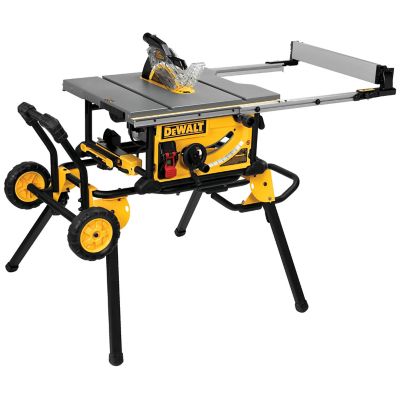
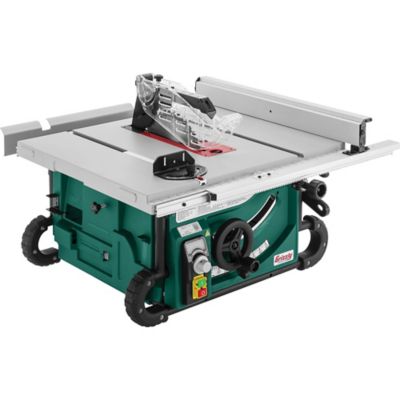
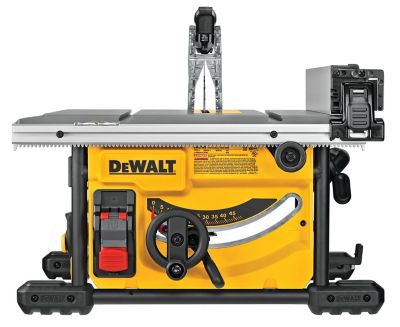
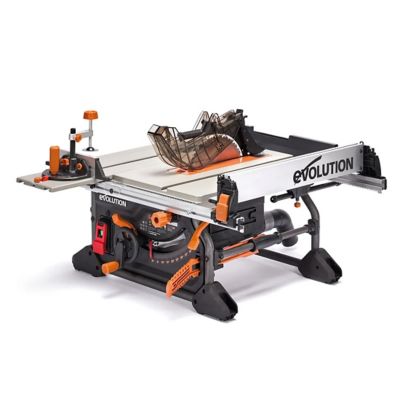
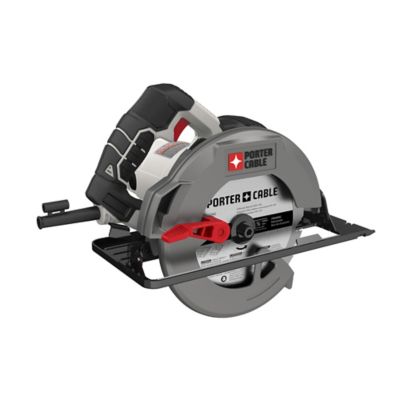
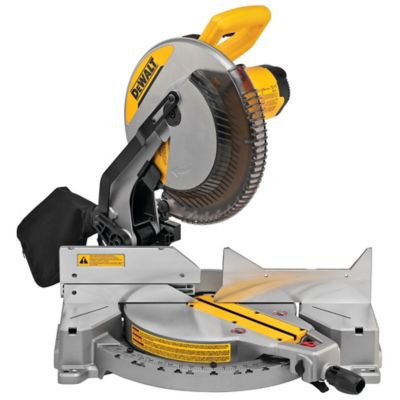
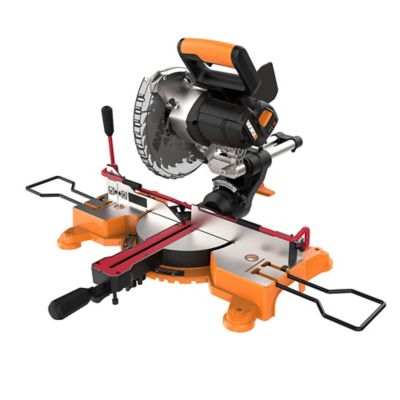
Contractor saws are built for serious cutting without being tied to one permanent spot. They bring the strength and accuracy of a shop saw to a garage, barn, remodel, or jobsite where the work may change from one day to the next. Most contractor saws use a powerful 15-amp motor, often rated around 1.5 to 1.75 horsepower, and run on standard 115-volt household power. That makes them a practical choice for cutting framing lumber, hardwood boards, plywood, trim stock, and other full-size materials without needing special electrical service. A cast-iron or heavy metal table helps keep the saw steady while a board moves across the blade, which is especially helpful when making long rip cuts or repeating the same cut over and over. The open stand style also helps keep the machine more manageable than a fully enclosed cabinet saw, while still providing a solid working surface. Contractor saws can serve a wide range of users, including remodelers, finish carpenters, flooring installers, home builders, cabinetmakers, maintenance crews, and experienced DIYers who have outgrown a small portable saw. They can be useful for building shelves, workbenches, storage cabinets, chicken-coop parts, barn repairs, replacement boards, and home improvement projects that call for straight, repeatable cuts. For shoppers comparing saws, start with the kind of material you normally cut and the amount of space available for setup. A saw intended to stay in a workshop can favor a heavier frame and broad table, while one that travels between a house, outbuilding, and jobsite benefits from a wheeled stand, folding support system, or other transport-friendly design. Keep in mind that a saw with a rolling base still needs enough room to operate safely, including space to support long boards before and after they pass the blade.
Fence quality is one of the biggest factors in getting clean, dependable results from a contractor saw. A sturdy T-style fence should lock firmly, stay parallel to the blade, and resist shifting as material presses against it. A fence that drifts can turn a straight rip into a tapered cut, leave burn marks along the edge, or make a carefully measured project fit poorly. Look for smooth adjustment, easy-to-read measurement markings, and a locking handle that feels secure without excessive force. Table size and extension support matter, too. A wider surface gives you more control over sheet goods and large boards, while outfeed support helps keep long material from tipping as it clears the blade. If you often work alone, built-in or add-on support can make a noticeable difference, particularly when cutting eight-foot boards or plywood panels. Blade height and bevel controls should move smoothly and lock in place, with clear scales that are easy to read through dust and jobsite wear. Dust collection is another practical consideration. A contractor saw with a dust port can connect to a shop vacuum or collection system, helping keep the work area easier to see and reducing the fine sawdust that settles on tools, floors, and nearby surfaces. For outdoor work, choose a stable, level setup and protect the saw from rain, mud, and standing moisture. During the cooler months, a covered workspace can make long projects more comfortable, but good lighting and clear footing remain important whether the saw is set up in a heated shop or under an open-sided shelter. Before making a purchase, check the saw’s footprint, weight, power requirements, maximum rip capacity, cutting depth, bevel range, and compatibility with replacement blades and accessories. A saw with more capacity can handle larger projects, but a smaller footprint may be the better fit for a crowded garage. Shoppers looking for tools for detailed hand-cutting or smaller carpentry tasks may also want to browse
Carpentry Saws for other options suited to different types of work.
Safety features and everyday handling deserve just as much attention as motor power. A contractor saw should have a dependable blade guard, riving knife or splitter, anti-kickback protection, and an easy-to-reach power switch. Some saws include advanced systems designed to reduce injury risk if skin contacts the blade, while others rely on traditional guards and careful operating habits. No safety system replaces proper technique: wear eye and hearing protection, keep hands away from the blade path, use a push stick or push block for narrow cuts, and avoid reaching over or behind a moving blade. Let the blade stop completely before removing scraps or adjusting the fence. Check that the blade is sharp, properly installed, and suited to the material, since a dull or incorrect blade can require more force and increase the chance of burning or binding. Make sure the saw is unplugged before changing blades, clearing jams, or performing maintenance. Contractor saws can be a thoughtful gift for a new homeowner, a handy relative, a working tradesperson, or someone setting up a first serious woodshop, though the recipient should have a suitable work area and a clear understanding of table saw safety. For a person who enjoys turning rough lumber into useful pieces, there is a special satisfaction in hearing a steady motor, feeling a board glide against a true fence, and watching a clean edge appear beneath a trail of sawdust. Whether the saw will spend its days in a busy remodeling crew’s trailer or in a quiet shop behind the house, choosing the right balance of power, stability, portability, cutting capacity, and safety support can make every project more controlled and less frustrating.