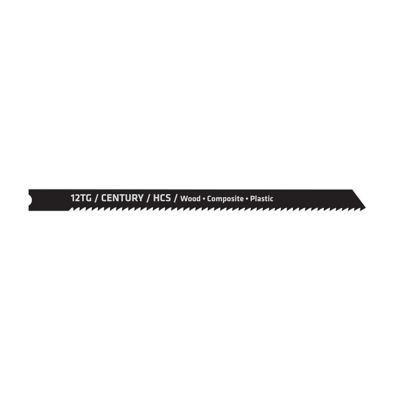
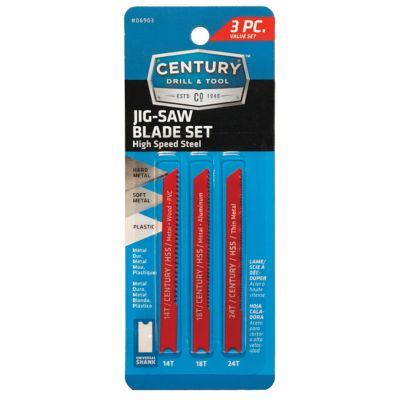
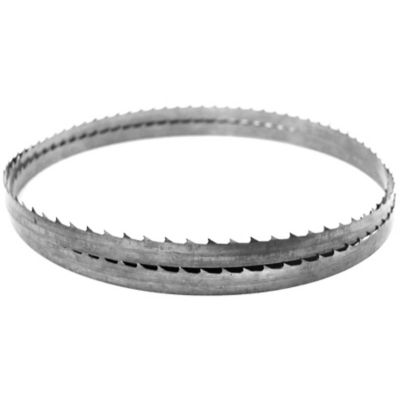
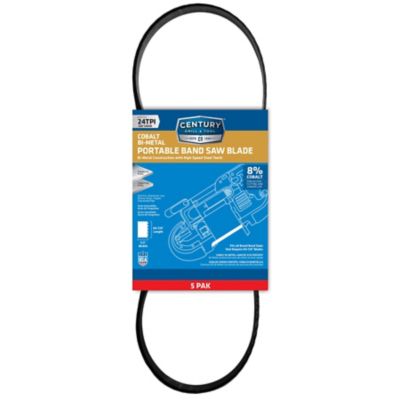
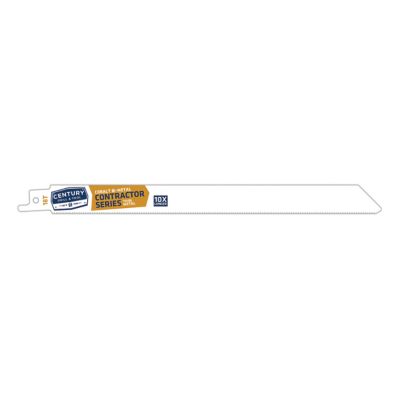
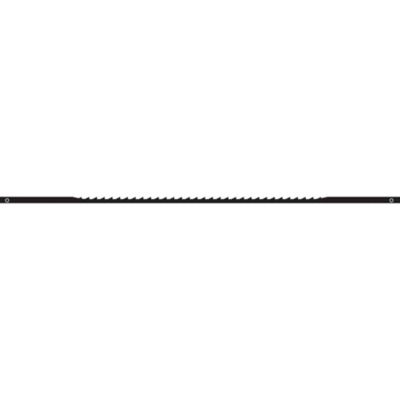
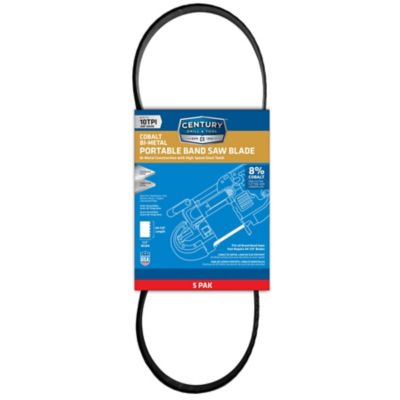
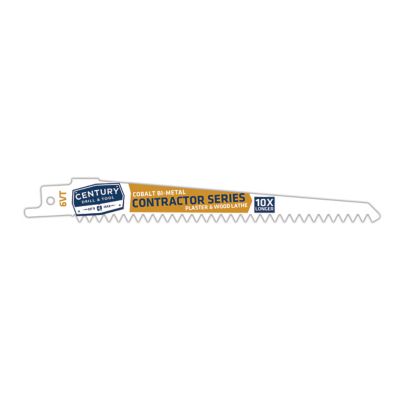
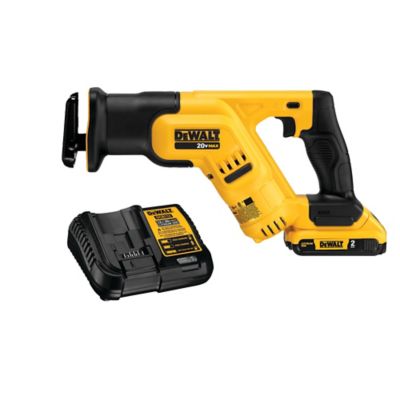
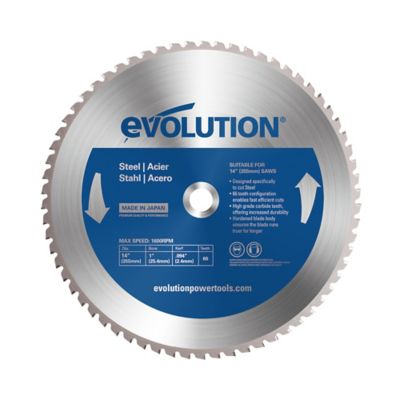
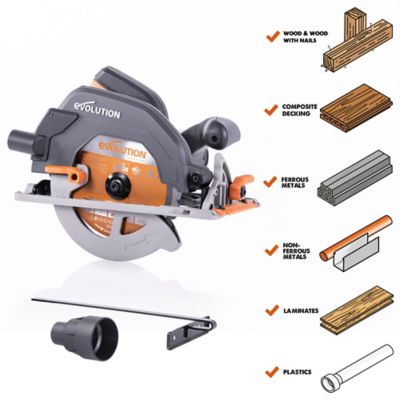
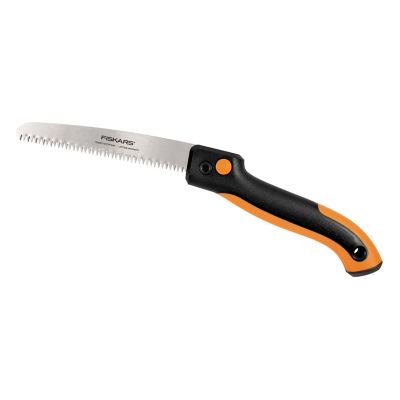
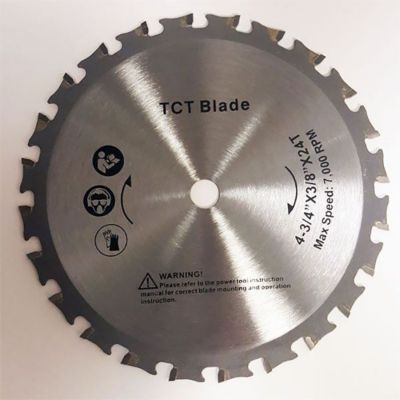
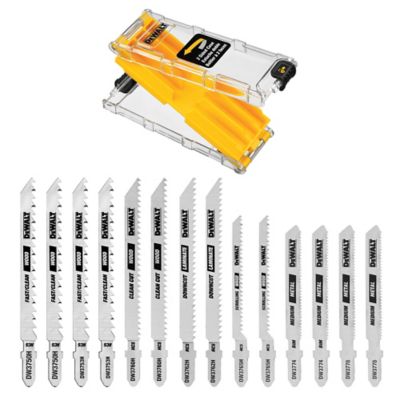
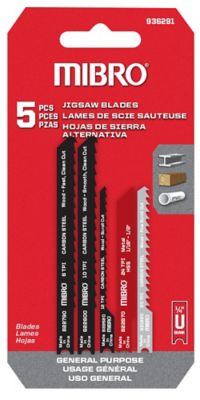
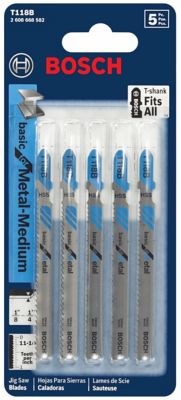
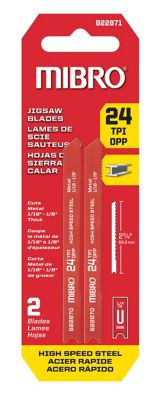
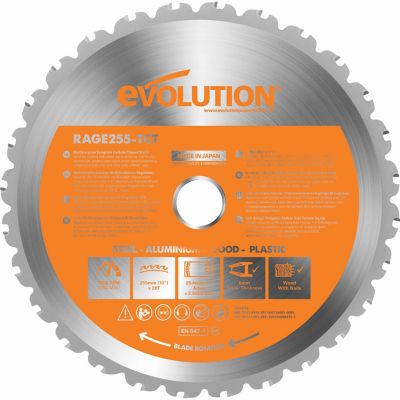
Power saw blades are the working edge of a saw, and choosing the right one can make a big difference in how smoothly a job goes. A blade made for one type of saw generally will not fit or perform properly in another, so start by matching the blade to your tool. Circular saw blades are commonly used for breaking down lumber, plywood, sheet goods, and other panel materials. Reciprocating saw blades are handy for remodeling, pruning, demolition, and cutting through a mix of wood, plastic, and metal. Jigsaw blades have narrow profiles that help them follow curves and cutouts, while band saw blades run in a continuous loop and are selected by width, tooth pattern, and pitch. The material you plan to cut matters just as much as the saw itself. Wood blades, metal-cutting blades, masonry blades, and multipurpose blades are built with different tooth shapes and materials to handle the heat, pressure, and resistance of each job. Before adding a blade to your cart, check the saw’s arbor size, blade diameter, shank style, and maximum operating speed. Those details are usually listed on the tool or in the owner’s manual. A proper fit helps the blade run true, reduces vibration, and keeps the cut easier to control. For common lumber and sheet goods, take a look at
Wood Cutting Circular Saw Blades to find options suited to wood-cutting work.
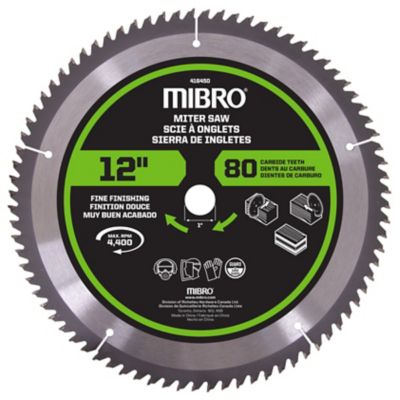
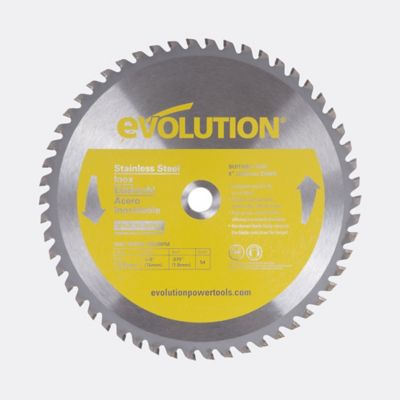
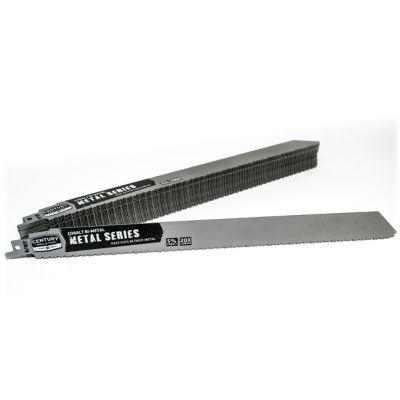
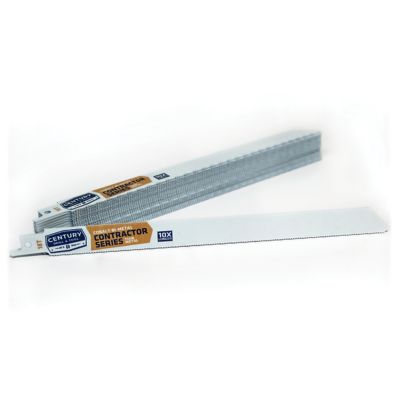
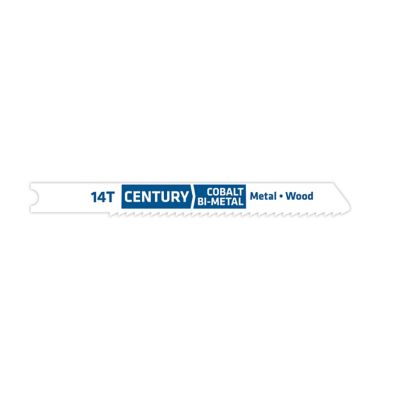
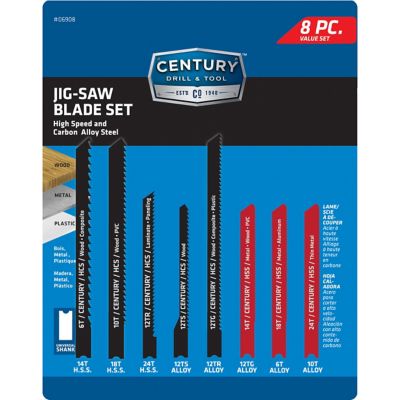
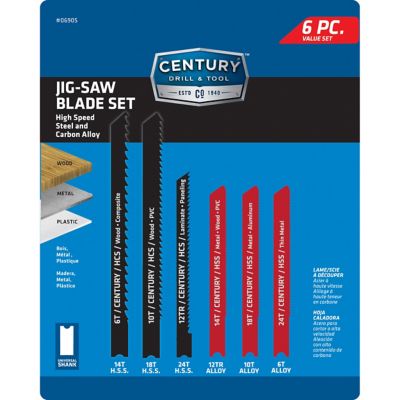
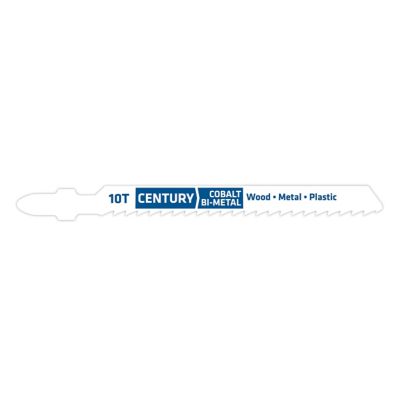
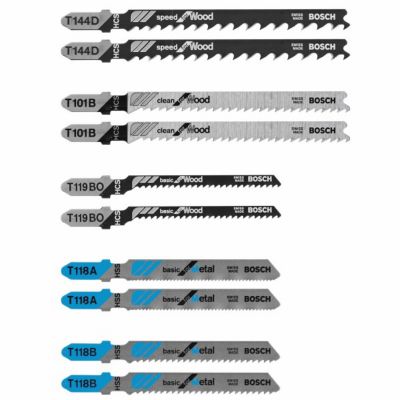
Tooth count gives you another useful way to narrow down power saw blades. A low tooth count, often around 24 to 30 teeth on a circular saw blade, removes material quickly and works well for fast, rough ripping along the grain in thicker boards. These blades are useful for framing, fence repairs, shed projects, and other jobs where speed matters more than a furniture-smooth edge. A medium tooth count, commonly in the 40- to 50-tooth range, is a good all-around choice for cross-cutting and combination cuts in everyday lumber and plywood. Higher tooth counts, such as 60 to 80 or more teeth, are designed for cleaner cuts in trim, finished plywood, and hardwoods, with less splintering when the blade is matched to the material and fed at a steady pace. On jigsaw blades and other narrow blades, tooth count is often described as TPI, or teeth per inch. Lower TPI cuts wood quickly, while higher TPI is better for cleaner cuts in thin wood, laminate, or metal. Blade construction also affects performance. Bi-metal blades combine flexibility with a tougher cutting edge, making them useful for general demolition, wood that may contain nails, PVC, and mixed materials. Carbide-tipped blades generally hold an edge longer and are well suited to demanding cuts, dense wood, nail-embedded framing, and certain nonferrous metals, depending on the blade design. Abrasive and diamond-grit blades are made for specific masonry, tile, concrete, or other hard materials. Look closely at the blade’s stated purpose rather than relying only on a similar-looking tooth pattern. Using a wood blade on metal can dull it quickly, while using an aggressive demolition blade for finish work may leave a rough, ragged edge.
The best power saw blade for the job also depends on the kind of cut, the thickness of the material, and the finish you want to leave behind. A homeowner replacing a few deck boards may value a dependable general-purpose blade, while someone building cabinets, repairing a barn, or installing trim may want a finer blade for cleaner edges. A farmer or property owner working around the place can keep several blade types on hand for fence boards, treated lumber, plastic pipe, old fasteners, and occasional repair work. Reciprocating saw blades are especially useful when access is tight or the material is already in place; they can reach between studs, cut through a stubborn bolt, or make quick work of a damaged branch with the proper pruning blade. Jigsaw blades are a practical choice for outlet openings, curved cuts, signs, flooring, and small woodworking projects. Band saw blades are selected more carefully for contour work, resawing thick wood, or cutting metal, with blade width affecting how sharply the blade can turn and tooth pitch affecting the material thickness it can handle. For a cleaner result, support the workpiece well, mark the cut clearly, and let the blade do the cutting instead of forcing the saw. Replace a blade when it wanders, burns the material, leaves excessive tear-out, or requires unusual pressure. A fresh blade can save time, reduce strain on the tool, and make a long afternoon of repairs feel much more manageable. Power saw blades also make a useful gift for a homeowner, woodworker, contractor, or handy family member, especially when paired with a storage case or a selection suited to the projects they tackle during the warmer and cooler seasons. As outdoor maintenance, remodeling, and workshop projects change throughout the year, keeping the right blades nearby means less time searching for supplies and more time getting clean, dependable cuts.