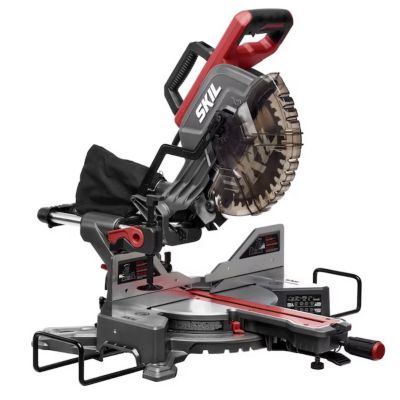
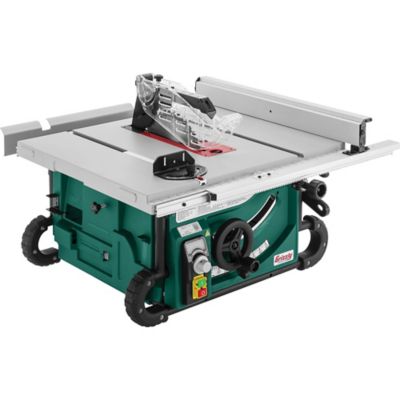
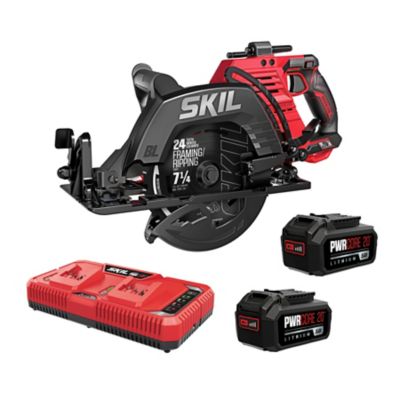
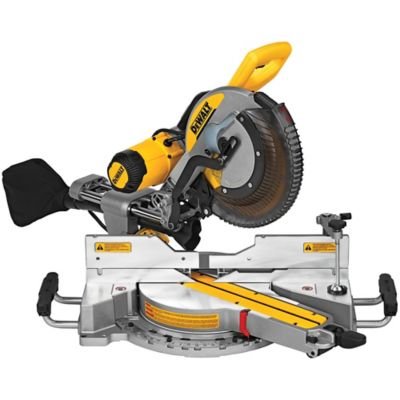
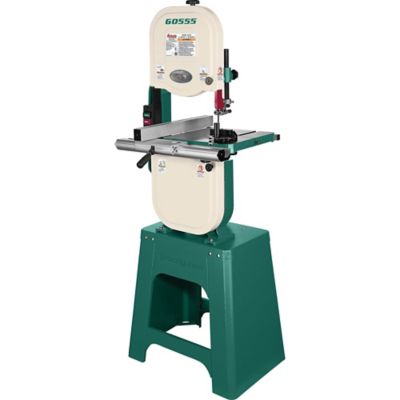
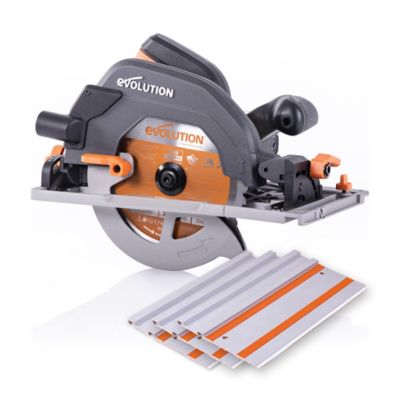
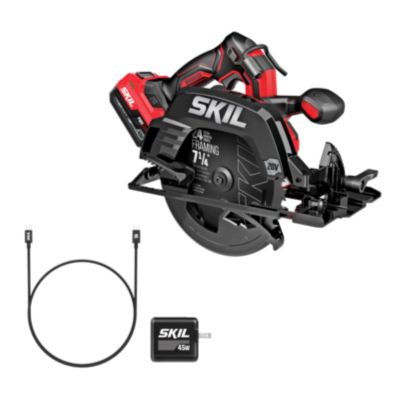
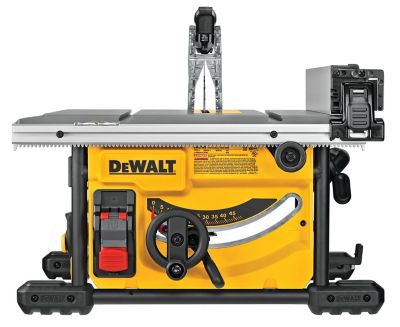
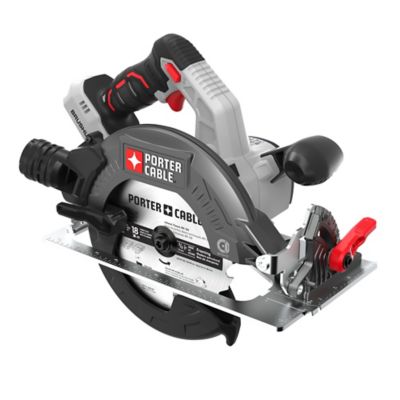
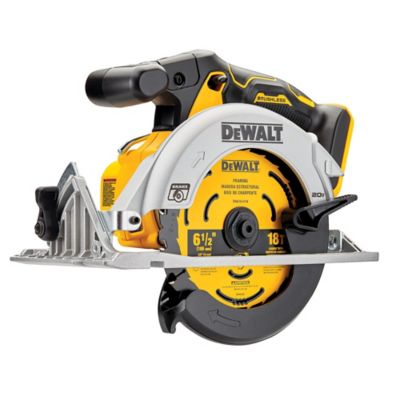
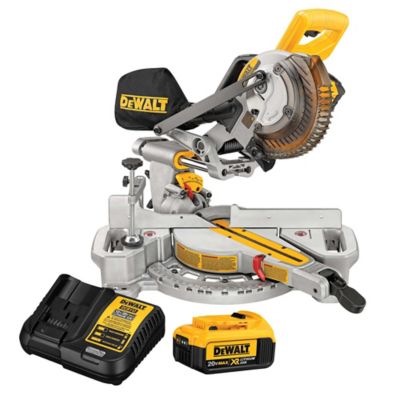
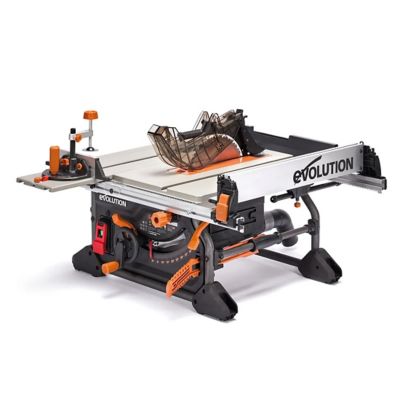
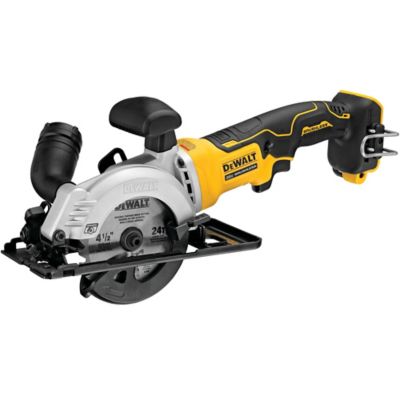
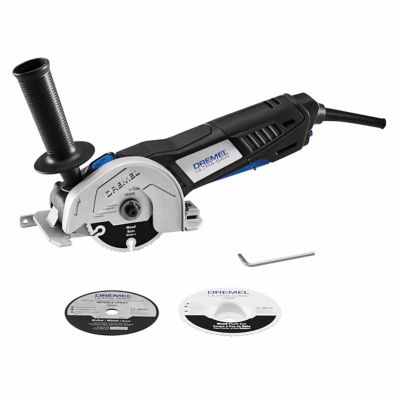
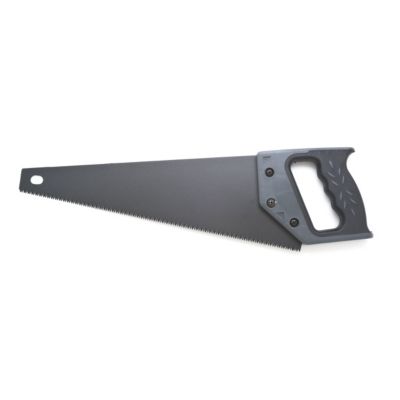
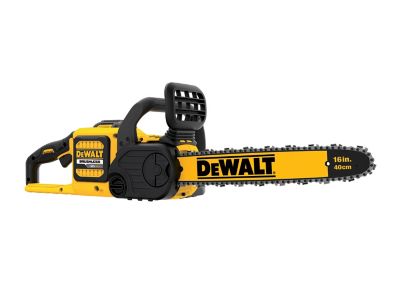
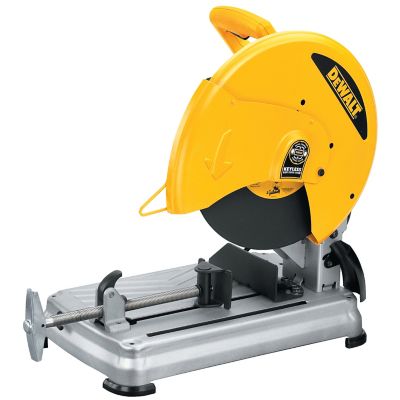
When it comes to carpentry saws, there’s a whole world of cutting tools out there, each with its own job to do—whether you’re building a backyard deck as the days get longer, tackling trim work in the cool shade of your workshop, or setting up a woodworking space for the first time. Folks who work with wood know that the right saw can make all the difference, from ripping long boards down to size with a sturdy table saw, to dialing in those picture-perfect angles with a trusty miter saw. For bigger projects like framing up a barn or putting in new fencing, power saws offer the muscle and speed to keep things moving along, while hand saws bring that hands-on control for finer, more delicate work, like crafting dovetails or mending old furniture. And as the seasons shift and honey-do lists grow, there’s always another job waiting—maybe it’s patching up the chicken coop, building a set of shelves for the mudroom, or making gifts for the holidays ahead.
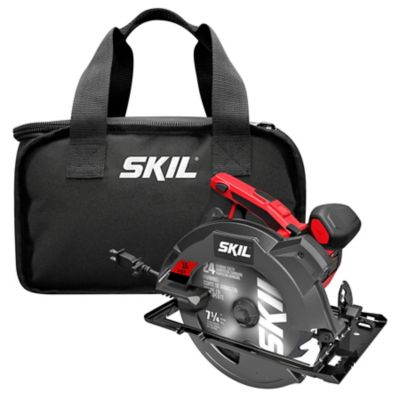
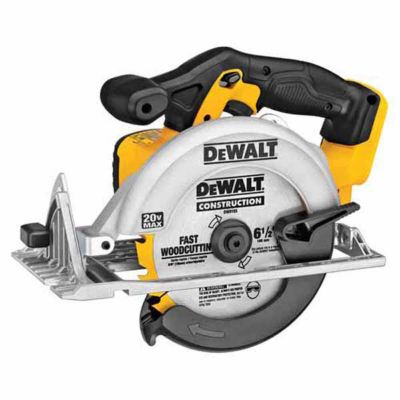
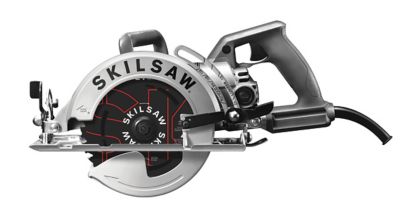
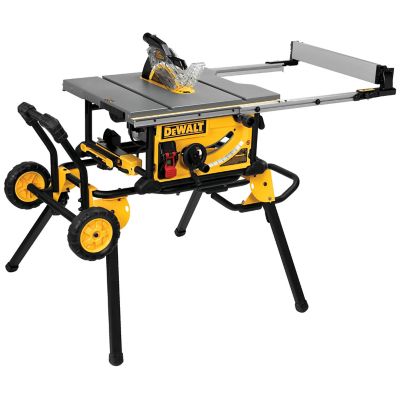
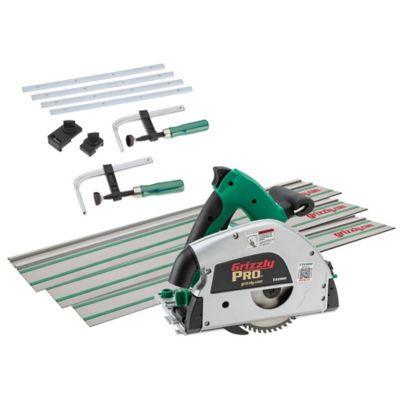
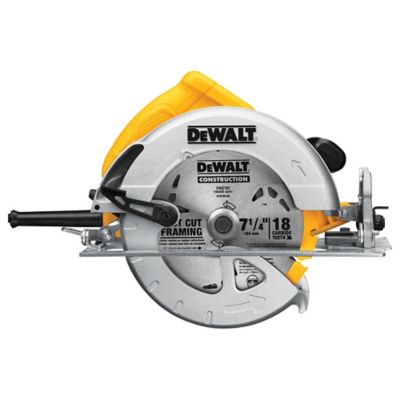
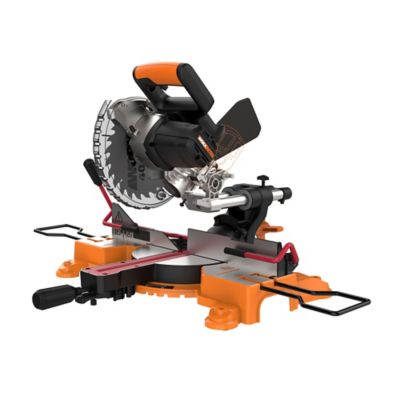
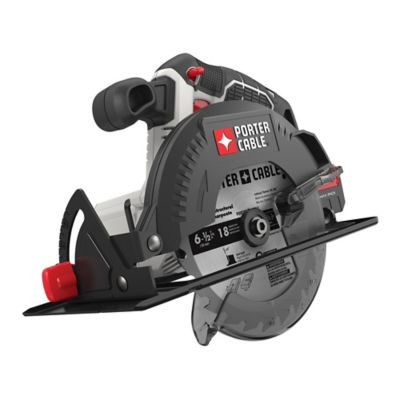
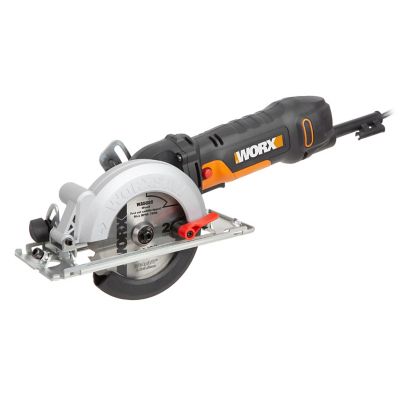
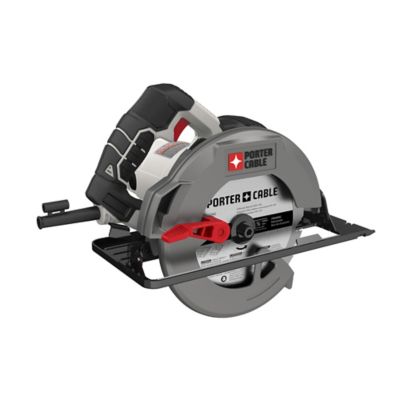
Carpentry saws aren’t just for seasoned pros—these tools make a great gift for anyone handy or hoping to learn. Maybe you’ve got a neighbor who’s always lending a hand, or a family member who’s been eyeing a new hobby. A quality saw, whether it’s a classic panel saw or a versatile circular saw, is something they’ll reach for time and again, season after season. It’s worth thinking about the kind of work you’ll be doing: for long, straight cuts on sheet goods or plywood, table saws are hard to beat, while miter saws shine for trim, molding, and precise angles. Circular saws are a staple for folks who need portability and quick cuts on the go, and Japanese pull saws or back saws are favorites for detail work, thanks to their clean, controlled strokes. Whatever your project, pay attention to comfort, safety features, and the type of blade—these details matter just as much as horsepower or cutting depth. And if you’re looking to round out your setup, or just want to see what else might come in handy for your next build, take a look at our full selection of
Carpentry Hand Tools to get the job done right. No matter the season or the size of your project, having the right saw on hand makes every cut smoother and every job a little bit easier.