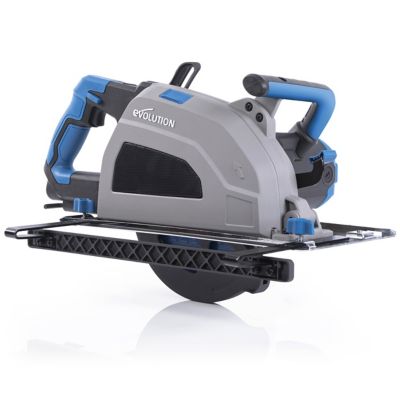
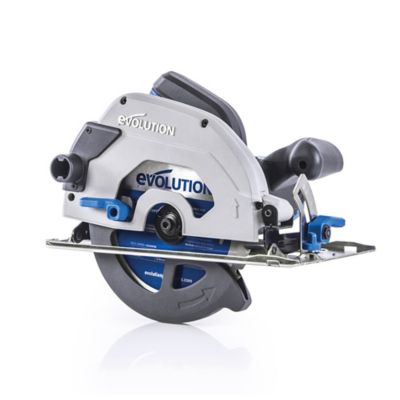
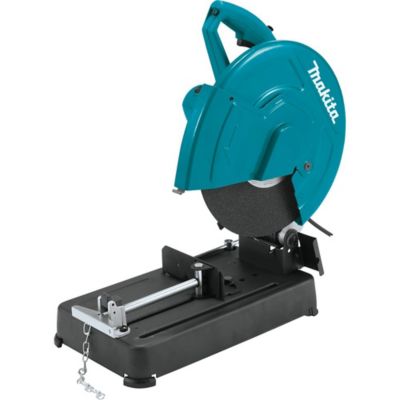
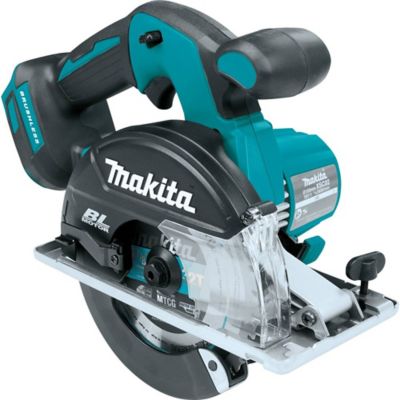
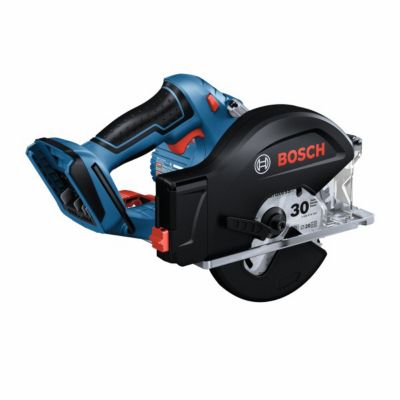
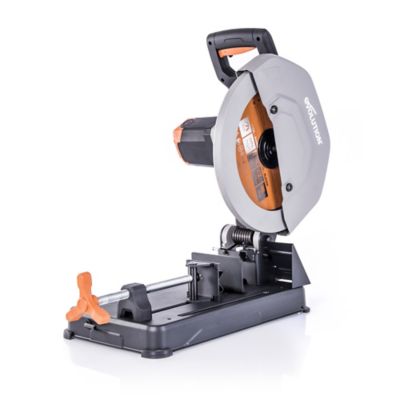
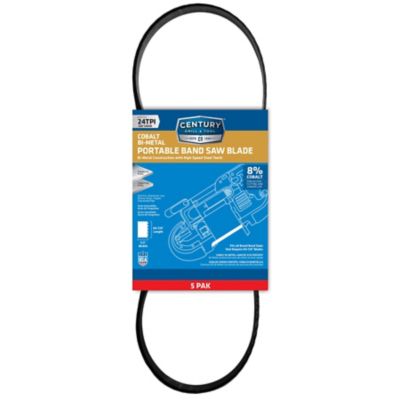
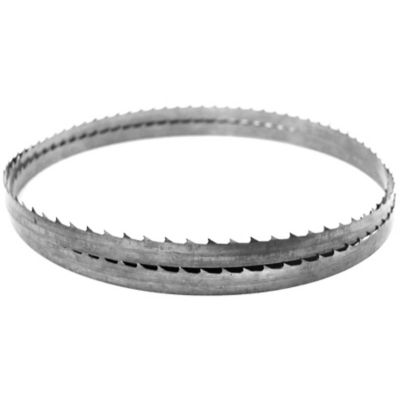
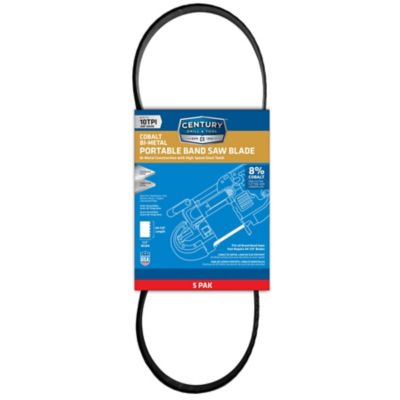
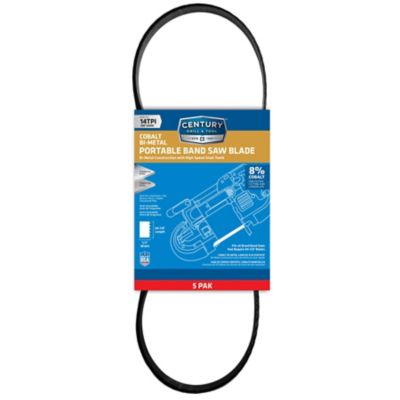
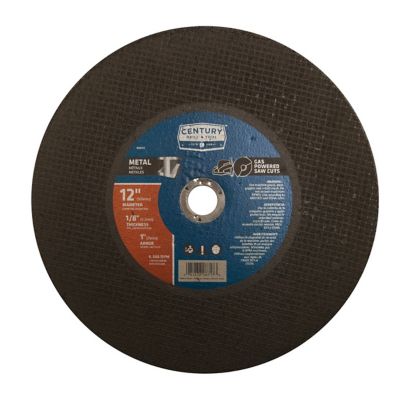
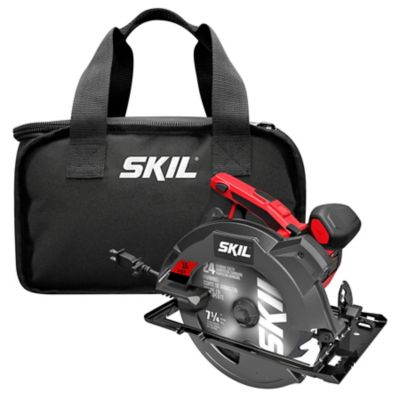
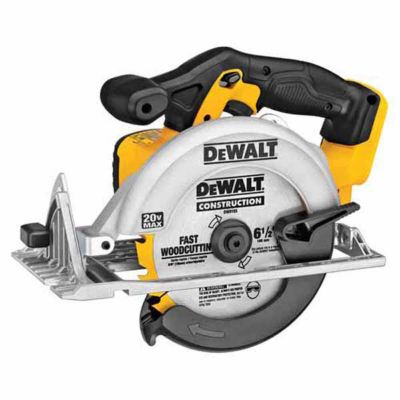
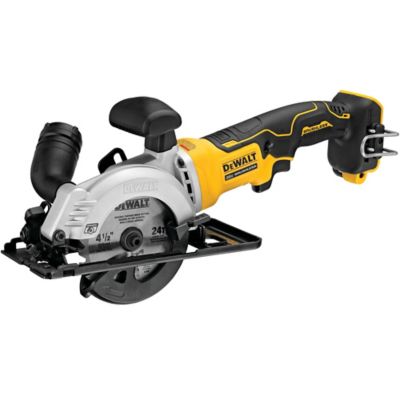
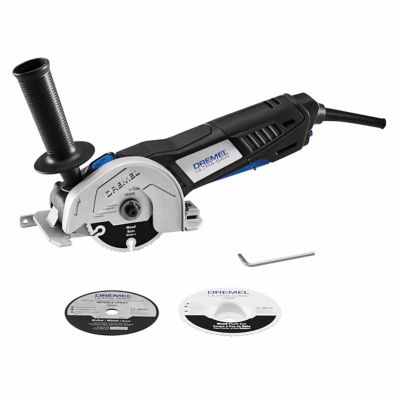
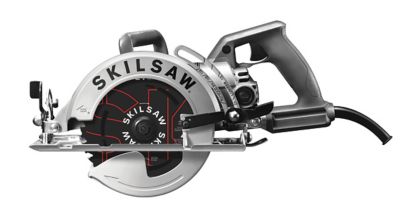
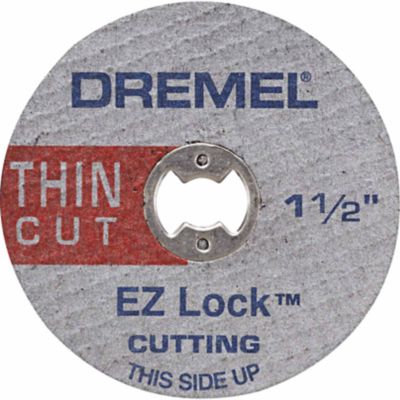
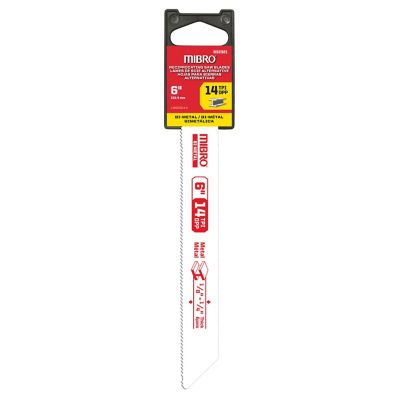
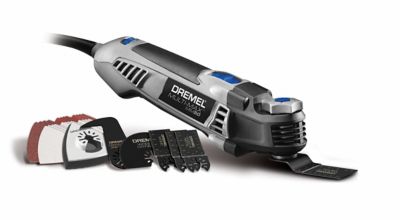
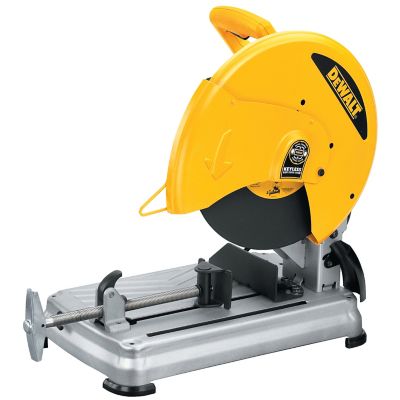
Metal cutting saws are built for the jobs that call for more control and speed than a hand tool can provide. In a farm shop, home garage, welding area, or busy jobsite, the right saw can make quick work of steel tubing, angle iron, pipe, sheet metal, plate, metal studs, and other stock. These tools generally fall into a few useful groups. Metal cutting chop saws hold the material against a base and fence while the blade travels down through the work, making them handy for repeatable straight cuts and common miter angles. Metal cutting circular saws are handheld and easier to carry from the shop to a trailer, fence line, or construction project, especially when an extension cord is not convenient or when a cordless setup fits the work. A bandsaw uses a continuous metal-cutting band and is often chosen for steady, accurate cuts through heavier stock, with less effort from the operator during longer runs. As you look through metal cutting saws, start with the kind of material you handle most often and the way you work. A homeowner repairing gates may need a portable saw for occasional cuts, while a fabricator building livestock panels or equipment frames may value a stationary saw with a sturdy table, dependable fence, and repeatable settings. Someone setting up a first welding or fabrication corner may also appreciate a metal cutting saw as a practical gift, particularly when it is paired with compatible blades, eye protection, hearing protection, and a solid workbench.
Cutting capacity is one of the most important details to compare before bringing a saw home. Check the maximum size it can handle for round stock, square or rectangular tubing, angle iron, and flat bar. Capacity is commonly listed for both 90-degree cuts and 45-degree miter cuts, and those numbers may be different. A compact saw can be a good fit for small tubing and repair work, but larger structural steel may call for a more substantial machine and a wider throat or cutting range. Think about the length and weight of the material, too. Long pipe and tubing need room for support on both sides of the blade so the stock does not twist, drop, or pinch as the cut finishes. For a busy workshop, a saw with a strong vise, clear angle markings, a stable base, and easy blade changes can save a surprising amount of time. Portability matters on the farm and at the jobsite. Corded models deliver steady power for long stretches of cutting, making them useful near a permanent bench or shop outlet. Cordless metal cutting saws offer freedom to work on equipment, fencing, trailers, and outbuildings where power may be several hundred feet away. Battery voltage, available battery capacity, charger time, and the number of cuts expected per charge are worth considering. A high-torque motor and a suitable low-RPM blade are designed to handle metal differently than a wood saw. Match the blade to the material rather than assuming one blade is right for every job. Carbide-tipped and cermet-tipped blades can provide clean, efficient cuts in many types of steel and other metals, often with fewer sparks and less heat than traditional abrasive wheels, while abrasive blades remain useful for certain applications and budgets. For more options that cover related hand tools and powered solutions, browse
Metal Cutters.
A clean cut still starts with careful setup and safe habits. Wear safety glasses or a face shield, hearing protection, sturdy work gloves suited to the task, and work clothing that will not catch on moving parts. Keep loose sleeves, cords, rags, and long hair away from the blade, and give hot chips and sparks a clear path away from animals, fuel, dry bedding, sawdust, and other flammable materials. Clamp or vise the stock firmly before starting, support long pieces so they stay level, and let the blade reach the proper operating speed before easing it into the metal. Pushing too hard can bend the blade, overload the motor, shorten blade life, and leave a rough or crooked cut. Let the tool do the work with steady pressure, then wait for the blade to stop completely before lifting it or clearing offcuts. Brush away metal chips with the right tool rather than using bare hands, and inspect blades for worn teeth, cracks, missing tips, or a dull cutting edge. In cooler months, a well-organized cutting station makes indoor shop projects more comfortable, while a portable saw can help with repairs and improvements around the property whenever the weather allows. Whether you are trimming pipe for a livestock shelter, cutting tubing for a trailer repair, building a gate, fitting metal studs, or preparing stock for a welding project, choose a saw with the capacity, blade type, power source, and working position that match the job. The right metal cutting saw should feel steady in use, fit the material you routinely handle, and help turn rough stock into accurate pieces ready for assembly.