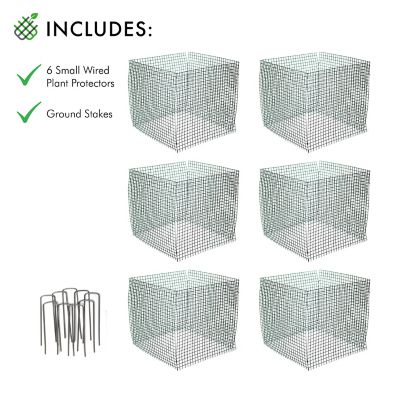
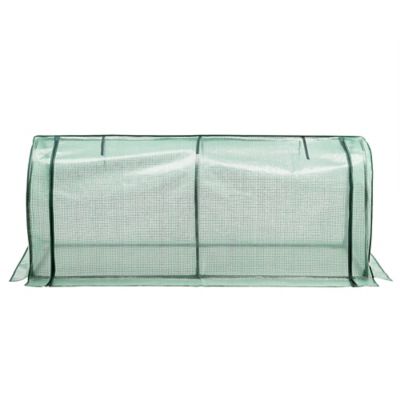
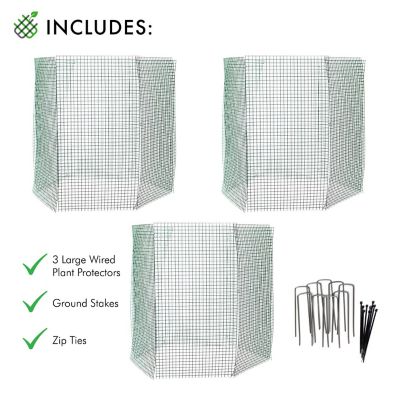
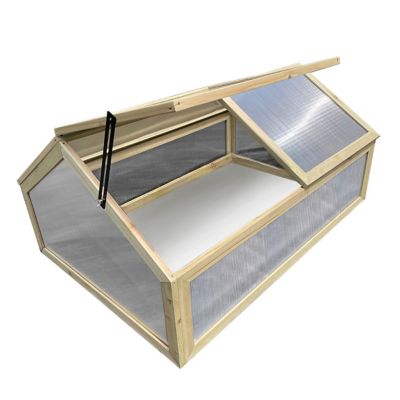
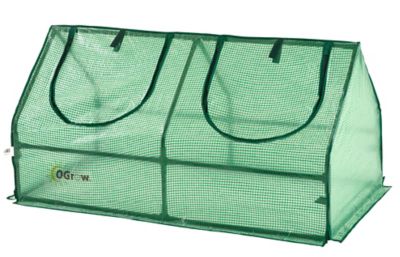
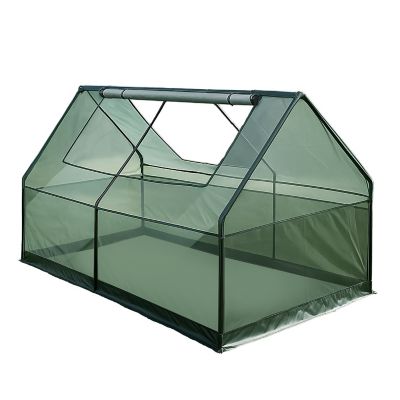
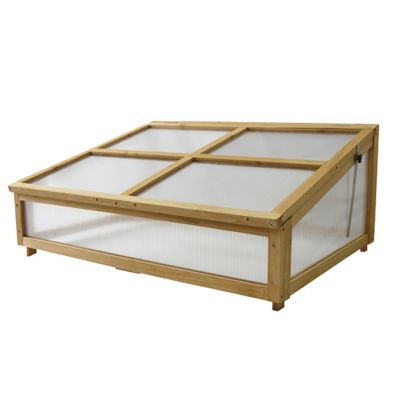
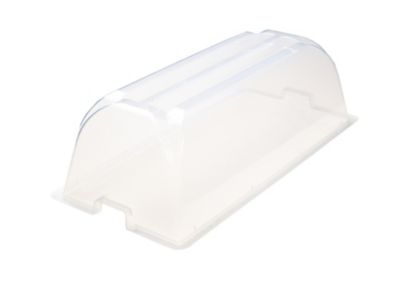
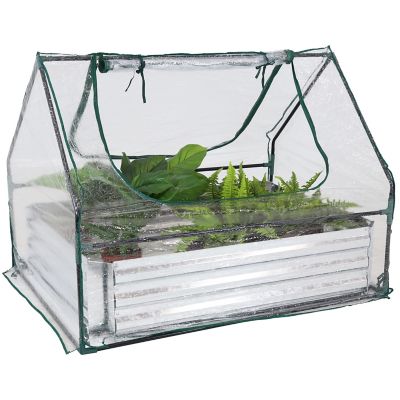
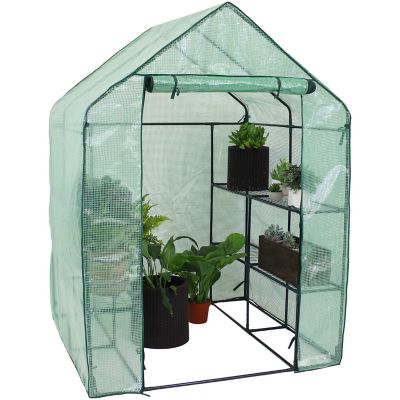
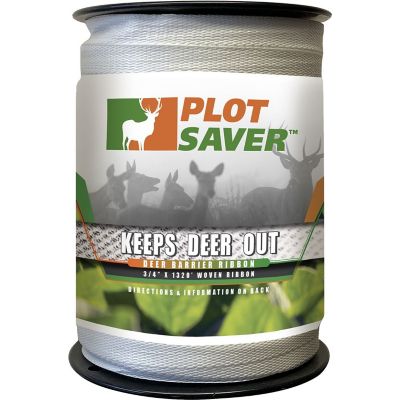
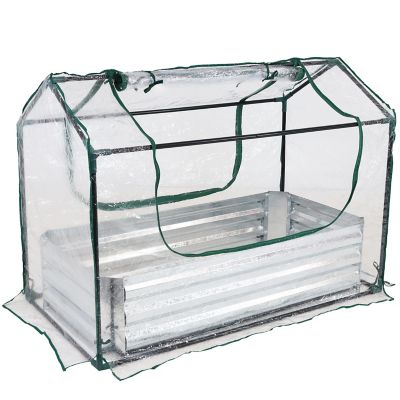
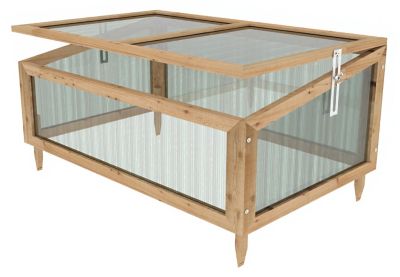
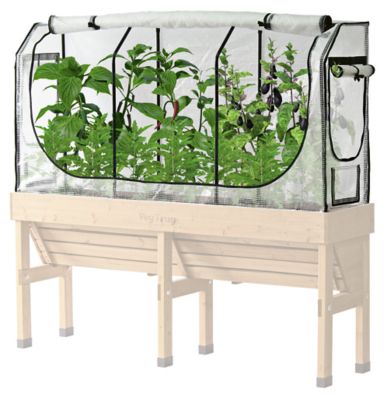
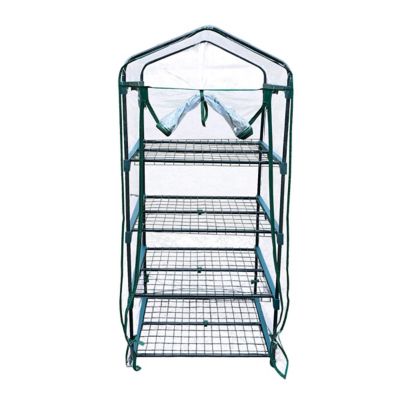
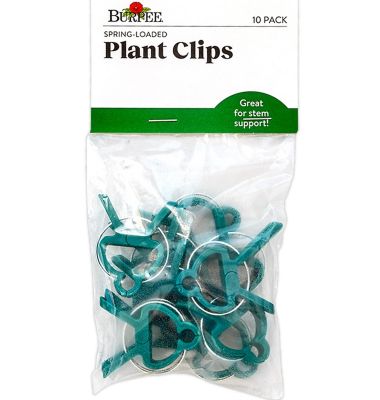
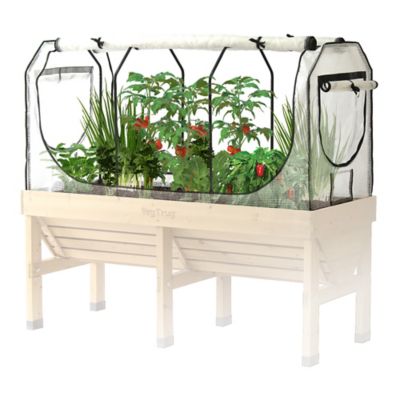
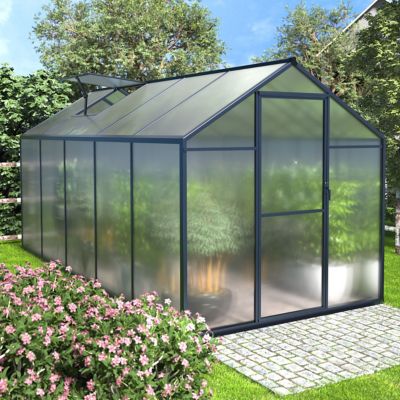
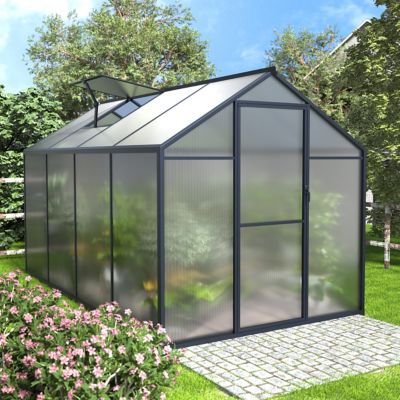
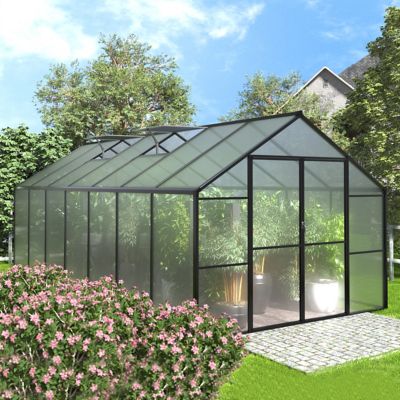
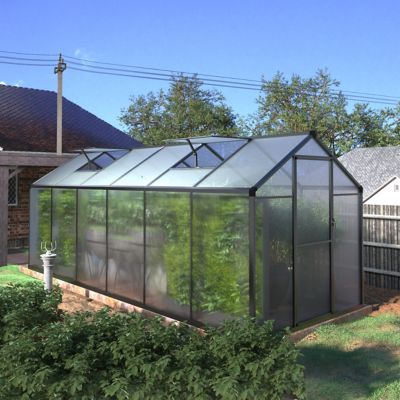
Plant protectors put a barrier between growing plants and the things that can set them back, from nibbling rabbits to an accidental bump from a mower. Around a vegetable patch, orchard, flower bed, or backyard planting, that extra layer can help keep tender stems, leaves, and roots out of harm’s way. The right protection depends on what needs protecting and what’s causing trouble. A young tree beside a regularly mowed fence line has different needs than a raised bed that attracts birds or a row of seedlings within reach of hungry deer. Tree guards, plant cages, mesh barriers, and protective covers serve different purposes, so their shape and construction matter as much as their overall size. Open structures leave plants exposed to light and moving air while limiting access from certain animals. More enclosed designs can provide closer coverage, though ventilation and clearance become especially important. Frost protection is another distinct use, with covers intended to help shield sensitive growth from cold rather than serve as a substitute for animal barriers. Protection works best when it matches the actual concern instead of simply surrounding the plant with the heaviest material possible. A gardener tending a few porch containers may value a lightweight cover that lifts off easily for watering, while someone caring for a long row of young trees may put more weight on secure attachment and room for trunk growth. Folks with kitchen gardens often need easy access for picking, checking leaves, and pulling weeds without taking apart the whole setup. Where several kinds of plants share a bed, individual guards can leave neighboring growth accessible, while a broader enclosure can cover the planting as a group. These differences make plant protectors useful across small home gardens, larger rural properties, and shared growing spaces, with the best fit coming from the layout, the plant’s growth habit, and the amount of day-to-day access the space requires.
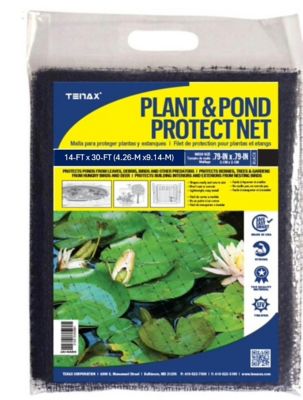
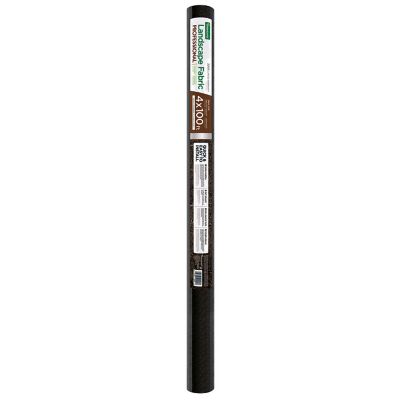
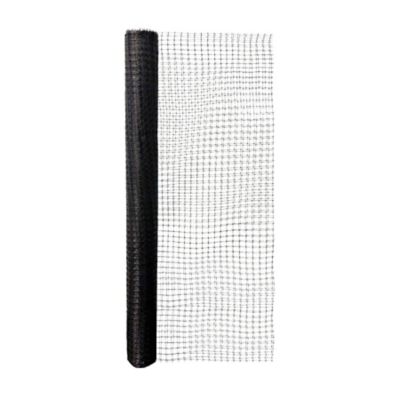
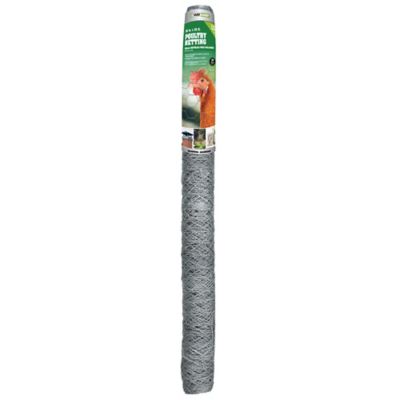
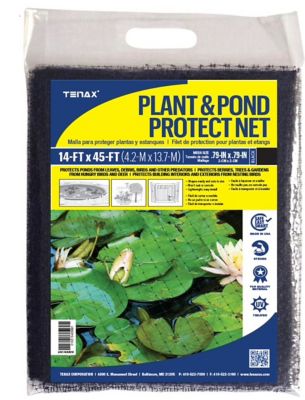
Materials make a noticeable difference in how plant protection fits into everyday chores. Metal mesh and wire structures hold their shape, making them practical where a freestanding barrier needs to stay clear of leaves or stems. Smooth edges, sound connections, and a finish suited to outdoor exposure are worth a close look, especially around places where hands regularly reach in to harvest or weed. Plastic guards and mesh offer another approach, with designs that range from flexible wraps to more rigid enclosures. Resistance to sunlight matters for materials that stay outdoors for extended stretches, since exposure can eventually leave some plastics brittle. Fabric covers bring different considerations, including weight, light transmission, airflow, and whether moisture can pass through. Those details should match the intended use rather than be treated as interchangeable features. For beds, rows, or fruiting plants that need mesh coverage,
Plant Protection Nets offer another form of protection to consider, with opening size, dimensions, and support needs helping determine the fit. A mesh opening that blocks a larger visitor may do little against a small insect, and a barrier meant for birds is not automatically suited to deer pressure. Netting also needs thoughtful placement so it stays taut, secure, and clear of loose loops that could entangle wildlife. Across protector styles, measurements should account for more than the plant’s size on the day the barrier goes up. Leaves spread, branches lengthen, and trunks thicken. Enough clearance helps prevent rubbing and crowding while keeping the protective structure from becoming tangled in new growth. Height matters when animals can reach over a barrier, and coverage near the soil matters when they can slip underneath. Stakes, fastening points, and the way a protector meets the ground all affect how well it stays in place. A good match feels manageable during routine chores: sturdy enough for its purpose, accessible enough for plant care, and sized for the space without blocking a walkway or making a narrow bed hard to reach.
Living with plant protectors is easier when their upkeep fits the rest of the work around the place. Soil splashes, clippings, vines, and fallen leaves can collect against barriers, so surfaces and openings that are easy to inspect make ongoing care less of a chore. Washable materials can be cleaned according to their care directions, while wire connections, fabric seams, and attachment points benefit from regular checks for wear. Sharp breaks, stretched holes, or fasteners that no longer hold snugly can change how a protector performs. Reusable covers and enclosures also need sensible storage when they are not needed. Letting washable pieces dry before putting them away, keeping mesh from snagging on tools, and storing rigid sections without bending them can help extend their service life. Removable panels, lift-off shapes, and straightforward closures can be handy where plants need frequent attention, provided those features still close securely. In a tomato bed, for instance, access matters once branches fill out and fruit needs picking; around a young tree, the priority may be checking that a guard has not tightened against the bark. Flowering food crops bring another consideration: barriers that exclude insects can also limit access for pollinators, so coverage needs to suit the crop and its stage of growth. Irrigation deserves the same attention. A protector should leave room for a watering wand, drip line, or other watering setup without forcing stems against its sides. Homes with children, pets, or livestock nearby may also benefit from designs with tucked-away fasteners and no exposed sharp ends along busy paths. For someone setting up a first garden, practical plant protection can make a thoughtful gift when the bed measurements and intended purpose are known. For an experienced grower, matching an existing layout may matter more than adding another type of barrier. Whether the planting is a handful of herbs beside the back steps or a stretch of saplings along the drive, well-matched protection helps preserve access, supports routine care, and gives growing plants room to carry on.