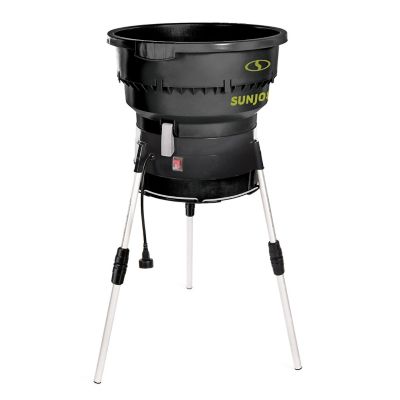
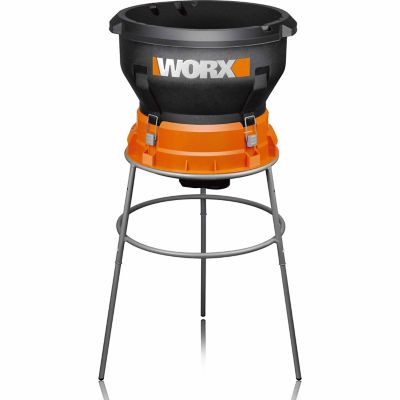
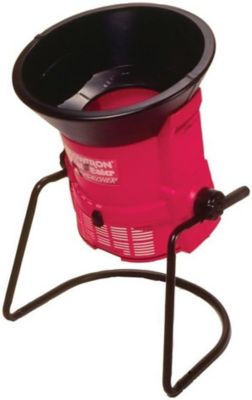
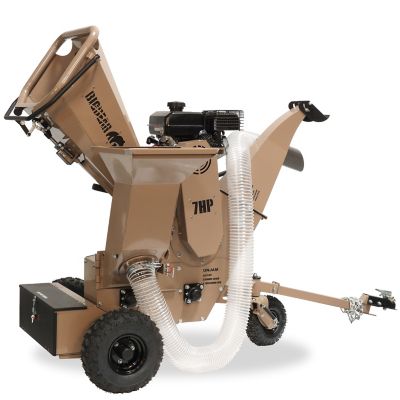
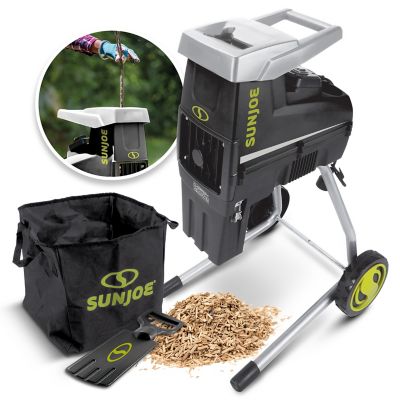
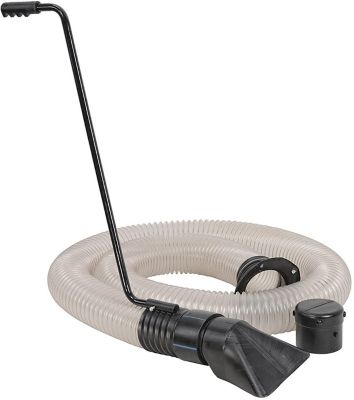
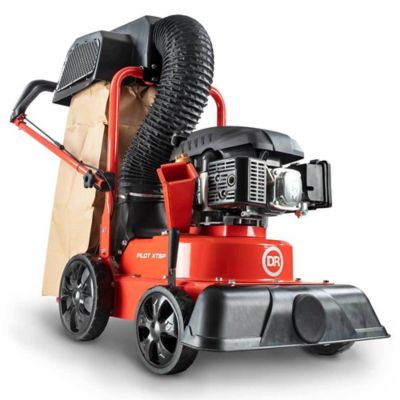
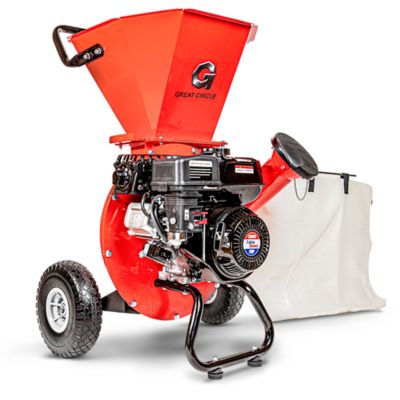
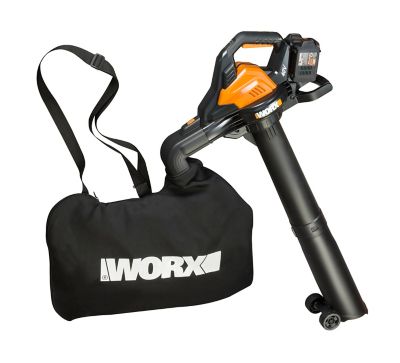
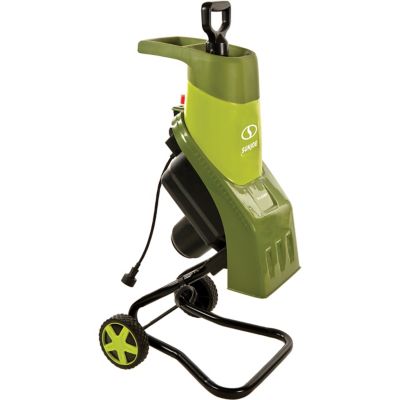
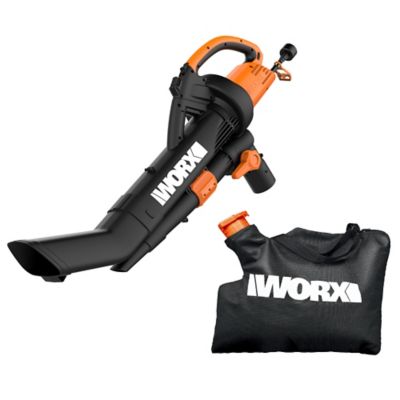
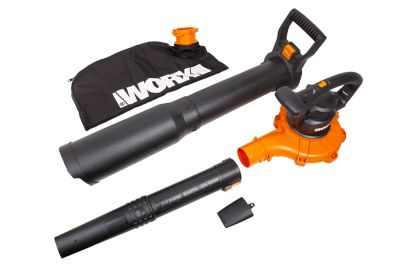
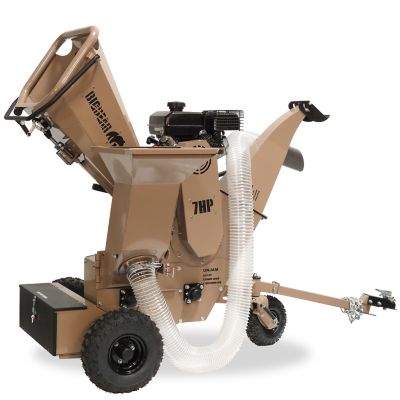
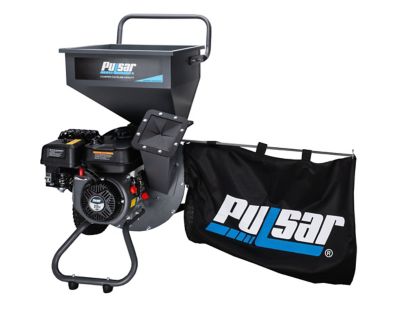
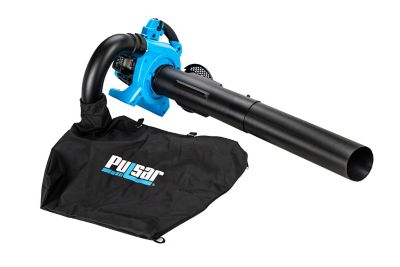
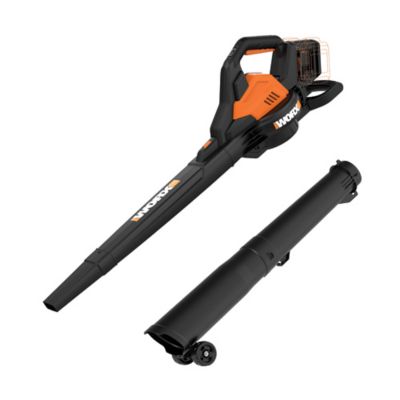
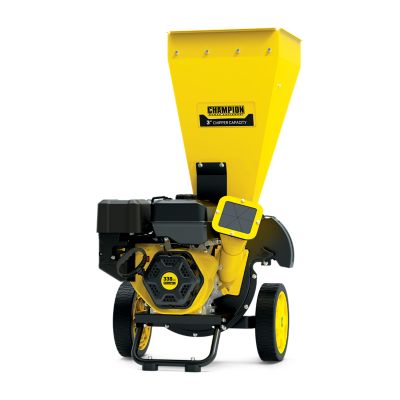
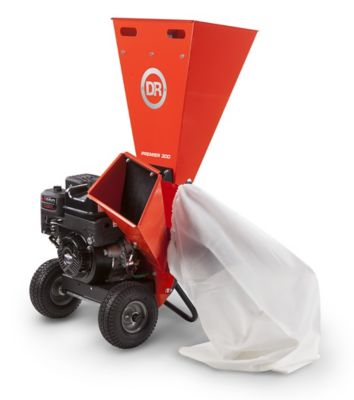
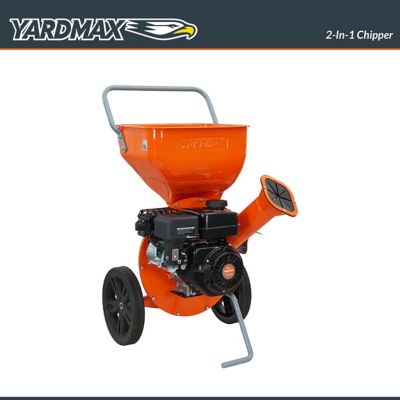
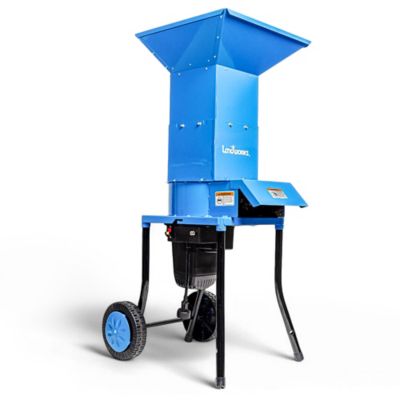
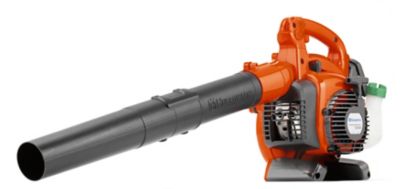
Leaf shredders are outdoor power tools that cut fallen leaves into smaller pieces for easier collection, composting, and mulching. Also called leaf mulchers, they help turn a sprawling pile beneath a shade tree into material that takes up less room in a bag, cart, or compost bin. For a yard lined with maples, a long driveway bordered by oaks, or a garden with room for homemade compost, that reduction can mean fewer trips hauling leaves across the property. These machines generally come in two main styles: stand-alone leaf shredders and handheld leaf vacuum mulchers. A stand-alone model accepts gathered leaves through a hopper, often directing the shredded material into a bag or container below. This setup suits folks who rake leaves onto a tarp or bring them to one work area by the cartload. A handheld leaf vacuum mulcher picks up leaves through an intake tube and shreds them before collecting them in an attached bag. Many handheld designs also have a blower function, making them handy for gathering scattered leaves before collection. The better fit depends on whether the job involves processing an established pile or moving around beds, trees, and fence lines. Leaf-only shredders are different from chipper shredders, which may have separate openings and cutting mechanisms for certain woody materials. A machine intended for leaves should not be expected to handle branches just because they fit through its opening. For work involving more than fallen foliage,
Shredder Machines covers a broader equipment category, where checking each machine’s intended materials helps separate leaf processing from other shredding jobs. Homeowners, gardeners, and folks tending larger properties may all have a place for a leaf shredder, especially when keeping plant material on the property matters as much as getting it off the lawn. The practical payoff is easier handling, whether the finished leaves head to a compost pile behind the shed or to a garden bed as mulch.
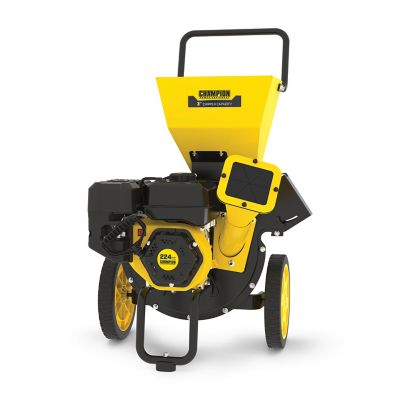
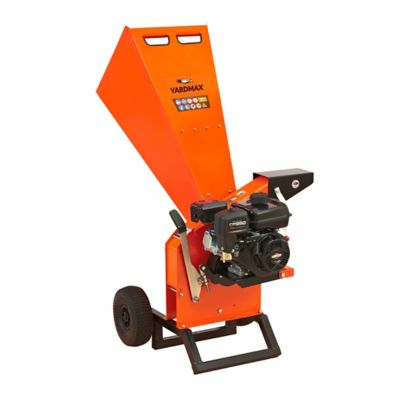
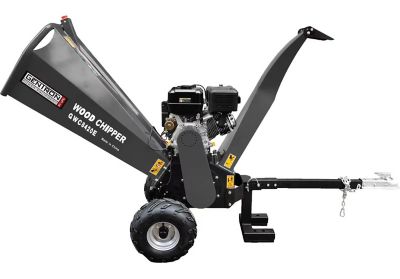
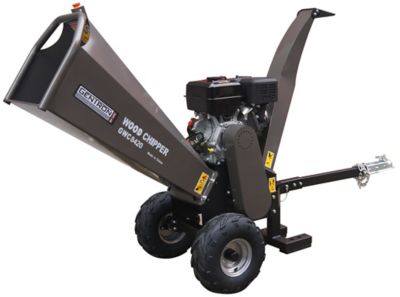
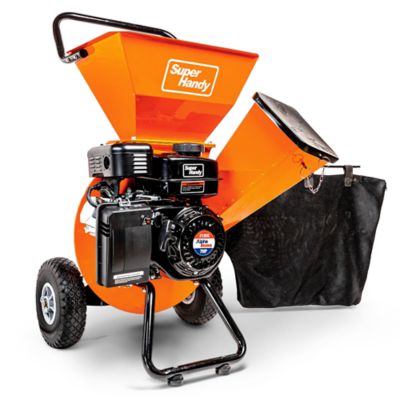
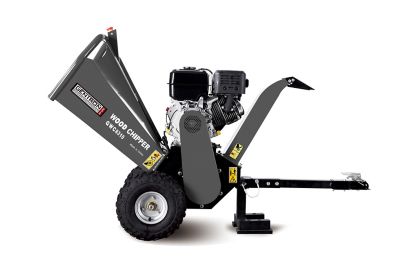
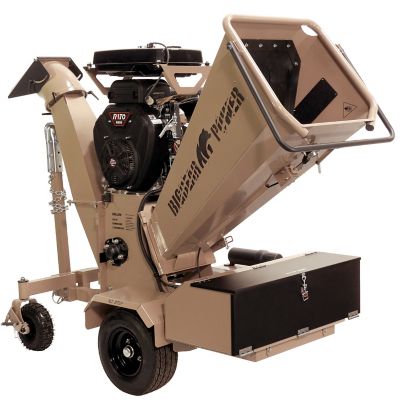
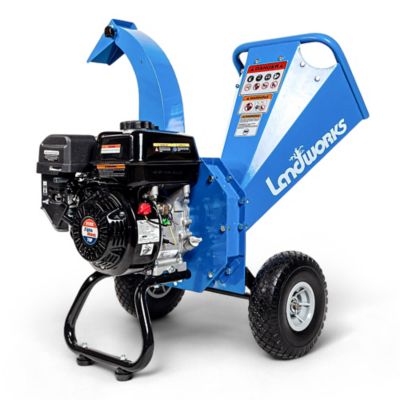
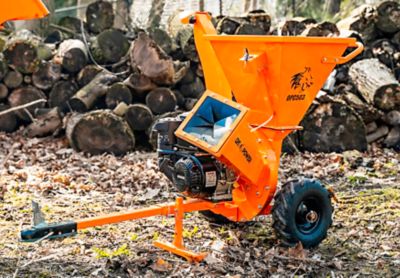
Power source, cutting mechanism, and collection setup make a real difference in how a leaf shredder fits the work. Corded electric leaf shredders suit tasks within reach of an appropriate outlet, with an outdoor extension cord sized according to the equipment manufacturer’s requirements. Cord routing deserves attention around walkways, gates, and the area where leaves will be gathered. Battery-powered leaf vacuum mulchers offer freedom from a cord, while battery runtime, charging time, and tool weight affect how much ground they can cover comfortably. Gas-powered chipper shredders may suit larger property chores that include approved woody debris, though their engine maintenance, weight, and sound levels differ from those of electric leaf-only equipment. Cutting systems also vary. Some stand-alone leaf mulchers chop leaves with replaceable cutting line, while other shredders rely on blades or impellers. Line-based systems are generally intended for leaves and other material specifically approved in the manual, not sticks, stones, or pinecones. Metal cutting components do not automatically make a machine suitable for branches; the stated material limits still matter. Reduction ratios describe how much the original leaf volume may shrink, but those figures are best treated as comparisons rather than promises for every pile. Leaf type, moisture, packing, and feeding pace all affect the result. Dry, loose leaves generally move through a shredder more readily than wet, matted clumps. A wide hopper can make loading less awkward, while the opening height matters when lifting a full armful or tipping a yard cart. On handheld equipment, the balance of the tool, handle placement, shoulder strap, and weight of a filling collection bag can matter as much as motor specifications. For stand-alone machines, a stable frame and a collection opening that works with the intended bag or container help keep the work area manageable. Published machine dimensions, folded storage size, and wheel design are worth considering when the route from the shed includes a narrow doorway, gravel, or uneven ground. A machine that fits the property’s routine is easier to bring out for smaller cleanup jobs instead of leaving everything for one long afternoon.
Construction and upkeep influence how well a leaf shredder holds up over repeated cleanup sessions. Housings may combine molded plastic with metal components, while frames, supports, fasteners, and collection bags take different kinds of wear. A sturdy stance, well-supported handles, and secure bag attachments matter when leaves are being loaded and emptied over and over. Collection bags also need airflow, so dust buildup and clogged fabric can affect operation. Access to replacement cutting line, blades, impellers, and bags is another ownership consideration, along with the manufacturer’s maintenance requirements. Leaf dust can collect around vents and inside collection areas; keeping those areas clear according to the manual helps support airflow and limits buildup. Cleaning, inspection, and jam clearing belong with the machine shut down, all moving parts stopped, and the power source disconnected as directed by the manufacturer. Stones, wire, and hidden branches in a leaf pile can damage cutting parts or become a safety hazard, particularly when leaves have been gathered beside a gravel drive or fence. Eye protection, hearing protection as directed, close-fitting clothing, and keeping children and animals away from the work area are important parts of operation. Storage matters, too: a clean, dry machine tucked under cover is better protected from moisture than one left beside a damp pile. Beyond cleanup, shredded leaves have plenty of practical value around a garden. Smaller pieces expose more surface area to decomposers, helping leaves break down more readily than whole leaves under suitable composting conditions. They supply carbon-rich material that can balance nitrogen-rich additions such as fresh grass clippings, with moisture and airflow still essential to the process. Around planting beds, shredded leaves can form a loose mulch layer that helps limit moisture loss and weed growth; keeping that layer away from trunks and plant crowns helps avoid trapped moisture against living tissue. A fall leaf pile does not have to become a hauling chore. With equipment matched to the material and the workload, it can become a useful part of the property’s regular cleanup and soil-care routine.