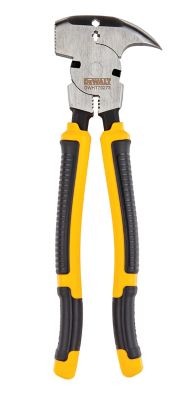
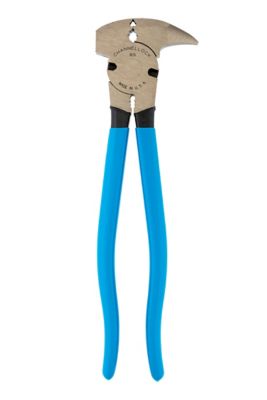
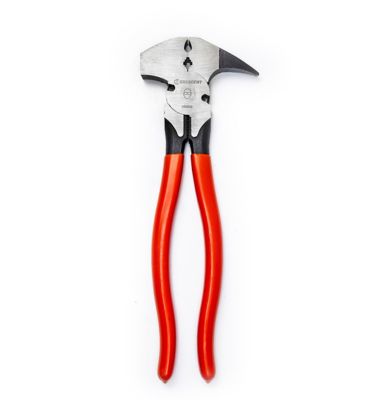
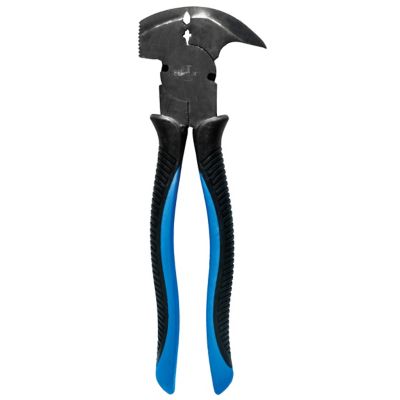
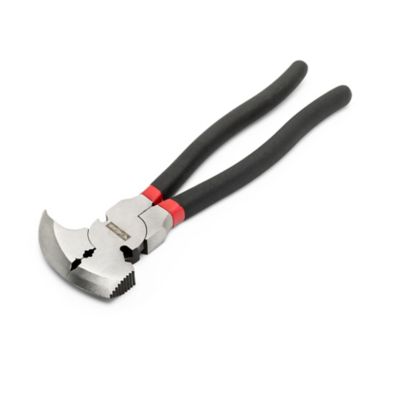
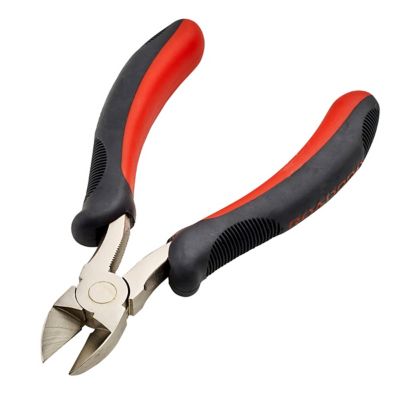
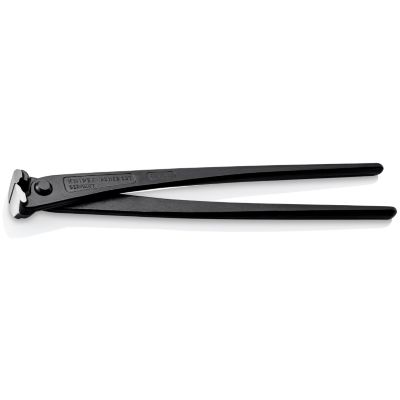
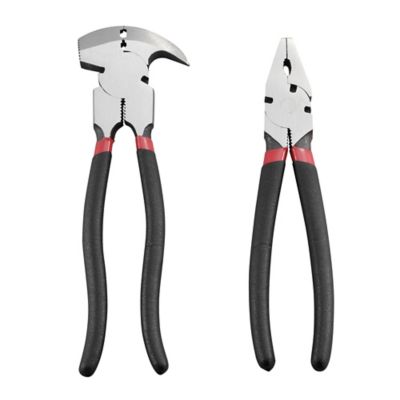
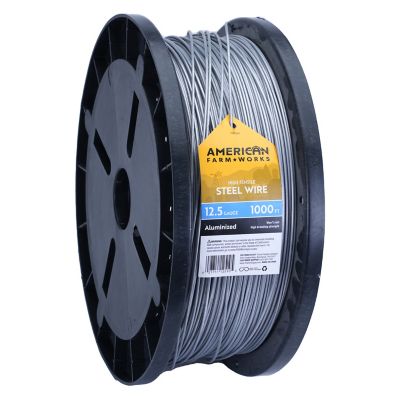
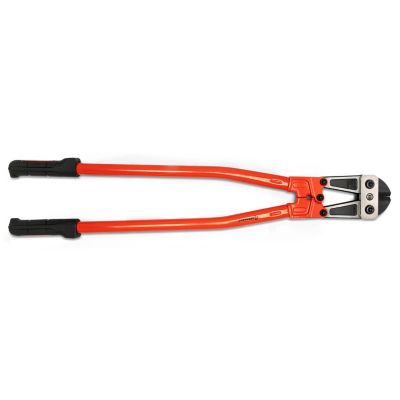
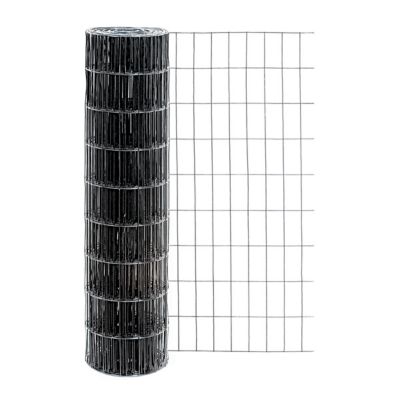
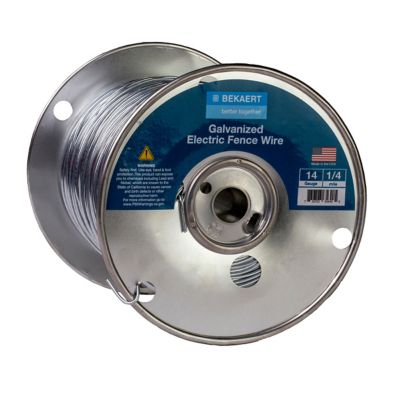
Fence wire cutters are tools for cutting metal fencing wire during installation, repairs, and everyday fence-line work. The main types include multipurpose fencing pliers, dedicated high-tensile wire cutters, and compact bolt cutters, with the right choice depending on the wire’s diameter and hardness. Fencing pliers often combine cutting notches with gripping jaws, a hammer face, and a staple puller, making them handy for jobs around wooden posts. Dedicated high-tensile cutters have cutting edges and leverage designed for harder fence wire, while compact bolt cutters can provide extra cutting force when their stated capacity matches the material. These tools serve different purposes, even when they look similar hanging on a peg or tucked into a tool pouch. Soft tie wire, barbed wire, woven livestock fencing, and high-tensile strands can put very different demands on a cutting edge. Wire gauge tells part of that story, but hardness matters just as much: a cutter that handles thicker soft wire may not be suitable for a thinner hardened strand. For example, 12.5-gauge high-tensile fence wire calls for a tool specifically rated for that wire type and diameter, not simply a pair of pliers with a cutting notch. Barbed wire brings another consideration because its twisted strands and barbs can complicate jaw placement. Around chain-link fencing, cutting a light attachment wire is a different task from cutting the heavier wire that forms the fence fabric. Matching the tool to those details helps keep cuts controlled and protects the cutting edges from damage. For ranchers maintaining pasture boundaries, property owners fixing a garden enclosure, and fence crews fitting wire around gates and corners, fence wire cutters belong with the tools that get regular attention. Their value comes from handling the actual wire on the property, whether the job involves a few loose ends beside a gate latch or a longer stretch of fencing that needs repair.
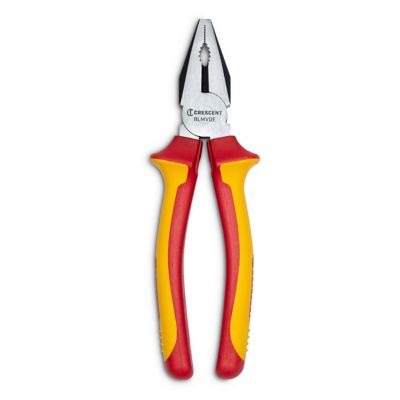
Jaw design, steel construction, and handle fit make a noticeable difference once the work starts. Hardened cutting edges resist wear, while the tool’s overall construction needs to support the force required by its rated cutting capacity. That rating is more useful than appearance alone; a thick-looking jaw does not automatically mean a cutter can handle high-tensile wire. Some tools use cutting notches close to the pivot, while others have dedicated jaws that meet at the cutting point. Compound-action cutters use additional linkage to increase leverage, which can help with demanding cuts without requiring the same hand effort as a simpler design. Longer handles generally provide more leverage, but they also take up more room and may call for two-handed operation. Compact cutters fit more easily into a fence pouch or truck toolbox and can be easier to position near a post, though their smaller size does not remove the need to check material ratings. Grip shape deserves attention, too. A handle that sits comfortably in a bare hand may feel cramped with work gloves, and an opening span that suits one person can be awkward for another. Cushioned grips can improve comfort during repeated cuts, but ordinary grip coverings are not electrical insulation. For general-purpose cutting tasks alongside fence maintenance,
Wire Cutting Pliers provide another tool category to consider, with the same need to match cutting capacity to the material. Multipurpose fencing pliers make sense when staple removal, gripping, and hammering are part of the same repair. A dedicated cutter may be a better fit when most of the work involves repeated cuts through a particular fence wire. Picture fitting a woven-wire panel beside a gate: access between the vertical and horizontal wires matters, and a large cutter head can be harder to position than a smaller one. Out along a pasture boundary, leverage may matter more than compact size. The best fit balances cutting capacity, reach, carrying space, and the amount of cutting the job involves.
Care and handling help fence wire cutters stay ready for the next repair. Dirt and wire residue around the pivot can make movement stiff, while damaged cutting edges can leave rough ends or struggle to complete a cut. A wipe-down after work, light lubrication at the pivot according to the manufacturer’s directions, and storage in a dry toolbox help protect the tool’s moving parts and metal surfaces. Coatings and finishes can help resist corrosion, but they do not replace basic care, especially after contact with damp soil or manure. Cutting edges also need protection from jobs outside their rating. Nails, screws, hardened fasteners, and other metal objects are not interchangeable with fence wire, even if they fit between the jaws. Using a cutter as a pry bar or adding a pipe to the handles can damage the tool and create a safety risk. A tool with chipped jaws, loose joints, or handles that no longer line up properly deserves attention before another demanding cut. Fence wire itself needs respect: tensioned strands can snap back, and short offcuts can have sharp ends that disappear easily into grass or bedding. Eye protection, suitable gloves, controlled wire tension, and a clear work area matter whether the repair is beside a barn or along a distant boundary. Electric fencing should be de-energized before work, and turning off the energizer does not remove mechanical tension from the wire. Ordinary fence cutters are not tools for cutting live electrical conductors. Keeping clipped pieces together also helps protect livestock, tires, and anyone walking the fence line later. For someone who regularly tends livestock fences, maintains acreage, or builds animal enclosures, a cutter matched to the fencing on hand can make a practical gift. A comfortable grip, an appropriate cutting rating, and a size that fits the person’s tool setup mean more than extra features that never leave the toolbox. Fence work often comes down to small jobs done well, and a well-matched cutter helps make those jobs manageable.