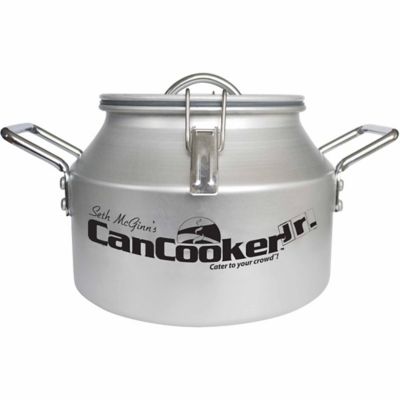
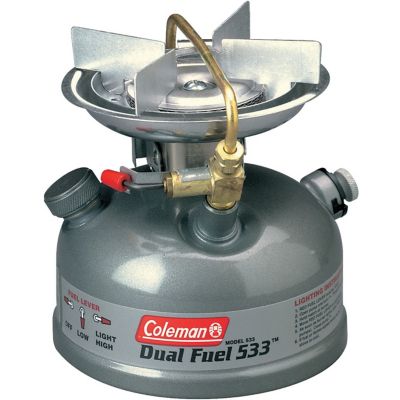
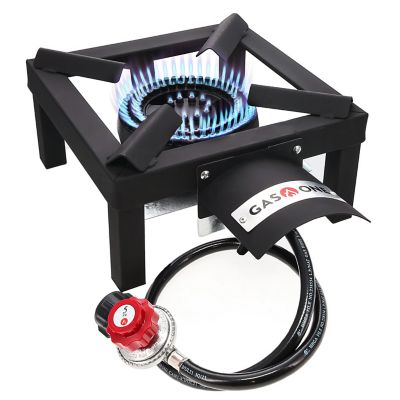
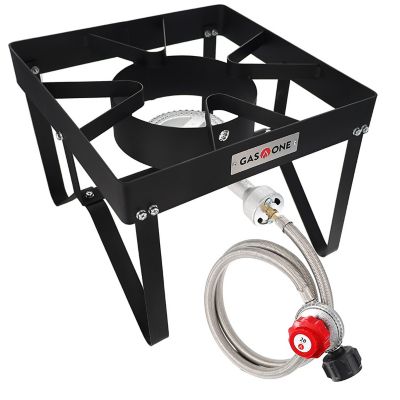
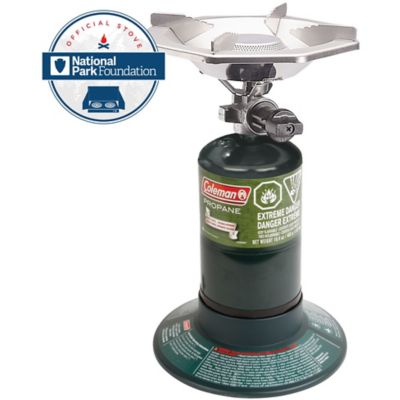
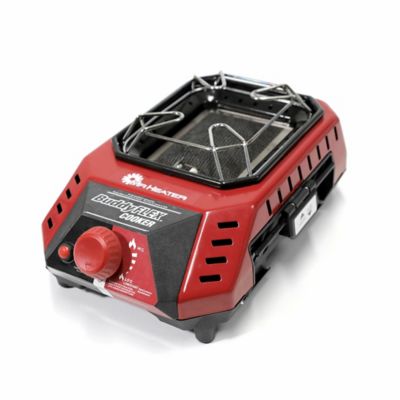
Camp cookers make it easier to serve a hot, filling meal wherever the road, trail, or gravel lane takes you. The right setup depends first on how you travel and how many people you plan to feed. Backpackers and hunters counting every ounce often choose a compact single-burner stove that packs down small and attaches to a fuel canister, making it handy for boiling water, heating soup, or preparing a simple breakfast without carrying a full kitchen. Browse our
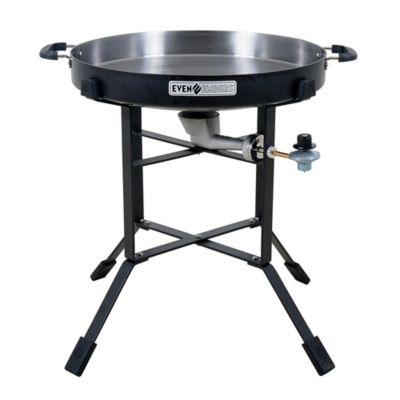
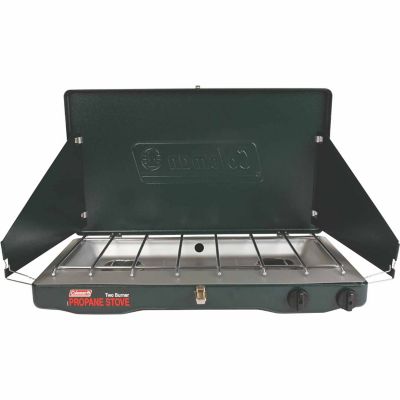
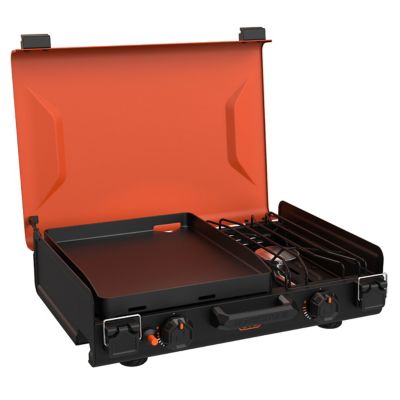
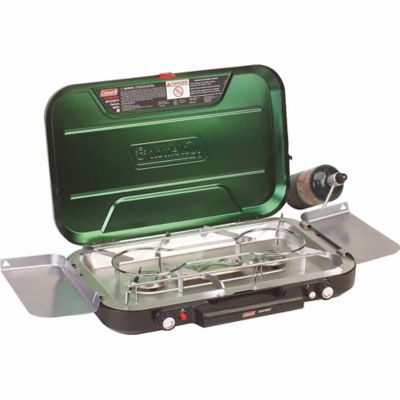
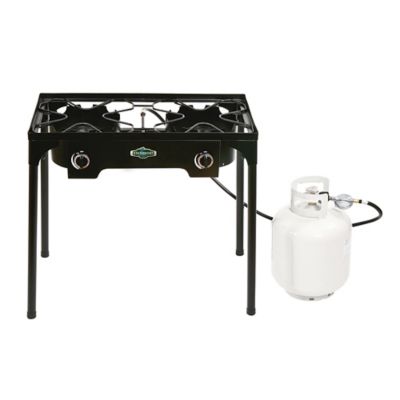
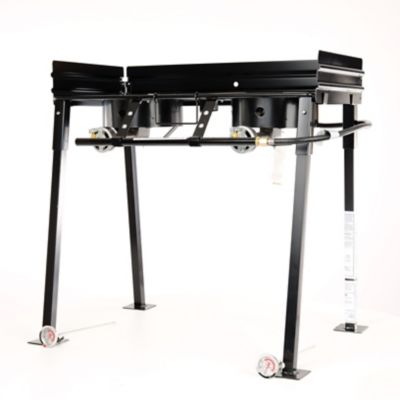
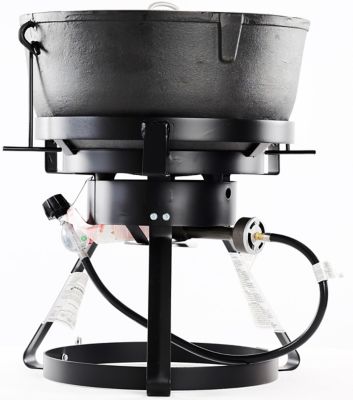
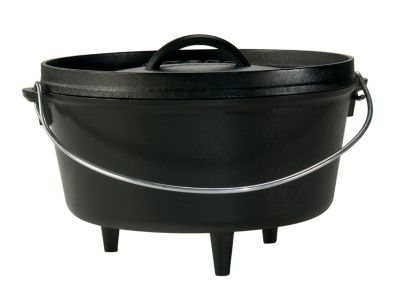
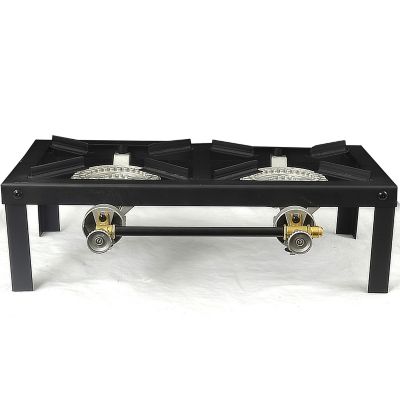
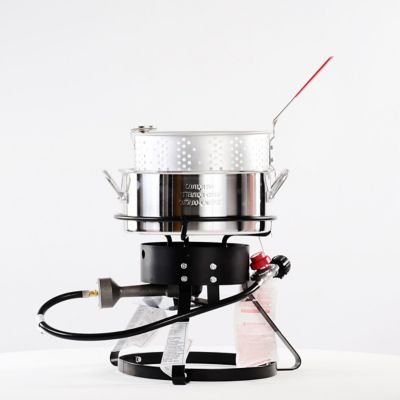
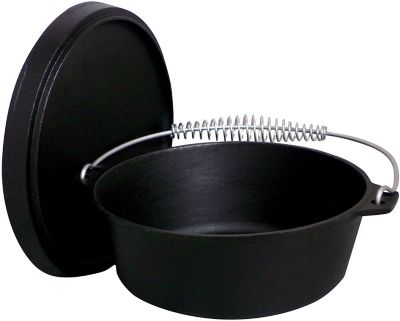
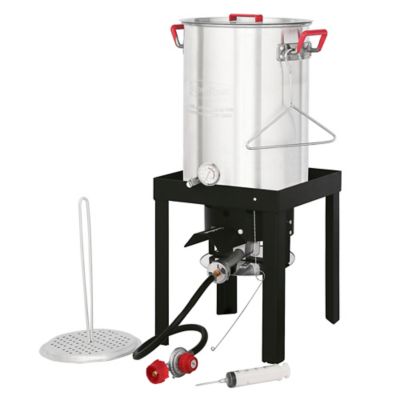
Compact Stoves when pack space matters and you need a lightweight option for a quick stop along the trail. Car campers, RV travelers, and families at a developed campsite may prefer a two-burner cooker with a broader cooking surface, since one burner can handle a pot of coffee while the other warms bacon, beans, or a skillet of vegetables. Freestanding high-output cookers are a practical choice for larger groups, Dutch ovens, stockpots, fish fries, tailgates, and outdoor gatherings where plenty of heat and cooking room are more important than a small packed size. Campfire cookers, including hinged cast-iron pie irons, bring a different kind of fun to the fire ring. Fill one with bread and cheese for a toasted camp sandwich, or try pie filling, leftover barbecue, or a pocket of scrambled egg and sausage before setting it over a bed of glowing coals. They are especially useful when the fire is already part of the evening and you want a hands-on way to make supper without setting up a table full of cookware. From a quiet morning beside a creek to a busy family campsite with hungry kids circling the picnic table, camp cookers help turn basic ingredients into meals that feel worth remembering.
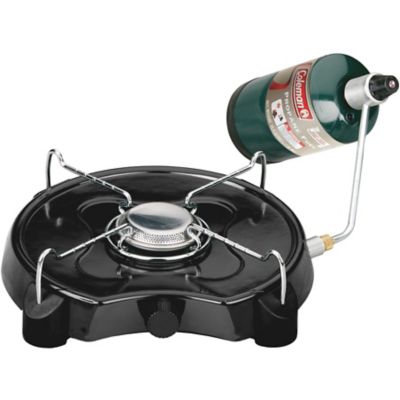
When comparing camp cookers, pay close attention to fuel, heat control, cooking capacity, packed dimensions, and the kind of surface where you will use the cooker. Propane models are popular for car camping because fuel is easy to carry and the flame is simple to adjust, while compact canister stoves are valued for low weight and fast setup. Always check the fuel connection and make sure the fuel container matches the cooker’s requirements; outdoor cooking is not the place for makeshift fittings or worn hoses. Heat output can make a noticeable difference when you are trying to boil a large pot, sear meat, or cook for a crowd, but strong burners may use fuel faster, so balance power with the length of your trip. A windscreen or built-in wind protection can help keep a flame steady when a breeze sweeps across an open campsite, though it should be used exactly as directed to avoid trapping heat around the fuel source. Look for stable legs, a sturdy grate, and enough room for the pans you already own. A narrow burner may be perfect for one mug and a small pot but frustrating when a large skillet hangs over the edge. For cast-iron cookers, consider handle length, hinge strength, weight, and whether the cooking surface is preseasoned. Cast iron holds heat well and gives camp food that satisfying crisp edge, but it needs to be dried thoroughly and lightly oiled after washing to help prevent rust. Portability matters just as much as burner strength. A cooker that fits neatly in a tote or vehicle compartment is more likely to get used than one that takes half an hour to assemble. Before leaving home, test the latch, knobs, folding legs, and fuel connection, and pack matches or an approved lighter, a heat-resistant glove, long-handled utensils, a small scraper, and a way to store cooled cookware. Those little checks can save a lot of fuss when supper time arrives and the light is fading behind the trees.
Camp cookers suit far more than traditional tent camping. They can serve hunters at a remote cabin, anglers cleaning a morning catch, homesteaders preparing food outdoors during a power outage, and families who enjoy a warm meal at a tailgate or picnic. During the warmer part of the year, a portable cooker keeps frying, boiling, and simmering heat outside where it belongs, helping limit extra heat and odors indoors. As the weather turns cooler, it becomes a welcome companion for early-morning coffee, hot cider, stew, or a skillet breakfast before chores and outdoor work. Camp cookers also make thoughtful gifts for someone setting up a first campsite, outfitting a camper, planning a hunting trip, or building a collection of dependable outdoor gear. A simple pie iron can be a fun present for grandparents who take the family camping, while a multi-burner cooker may suit a seasoned camper who regularly feeds a crowd. Safe placement should always come first: use fuel-burning cookers outdoors in a well-ventilated area, keep them on a firm, level, nonflammable surface, and leave plenty of clearance from tents, vehicles, dry grass, branches, and other materials that could catch fire. Never use a cooker inside a tent, camper, vehicle, or enclosed shelter unless the equipment is specifically designed and approved for that setting. Keep children and pets away from hot grates, handles, pans, and coals, and allow everything to cool before packing it away. With the right size, fuel source, and cooking style, a camp cooker can handle anything from a fast cup of coffee to a full family supper, bringing the comfort of a home kitchen to a campsite, worksite, or backyard gathering.