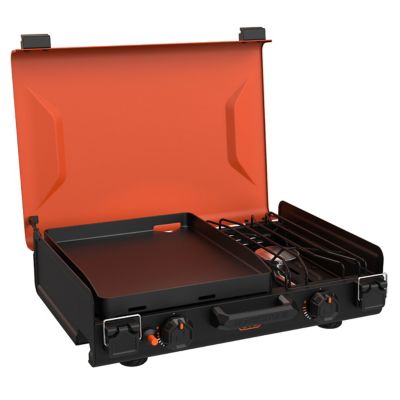
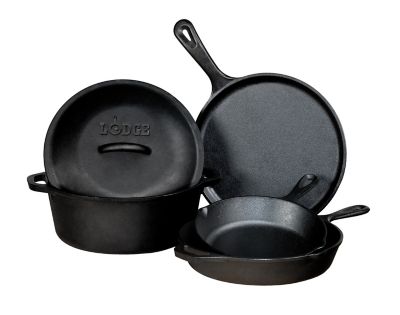
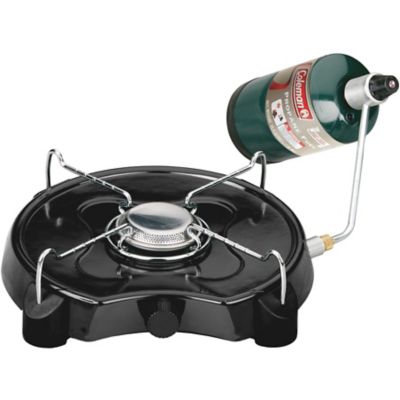
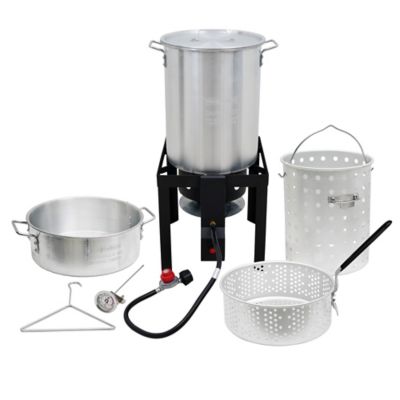
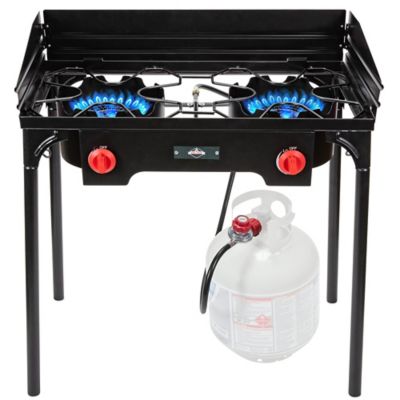
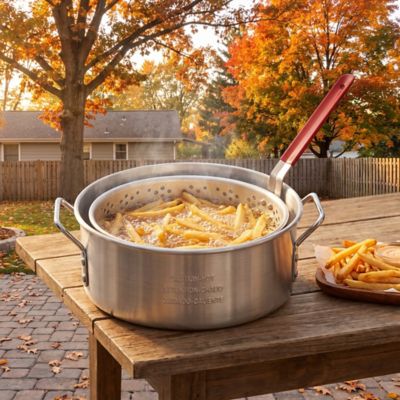
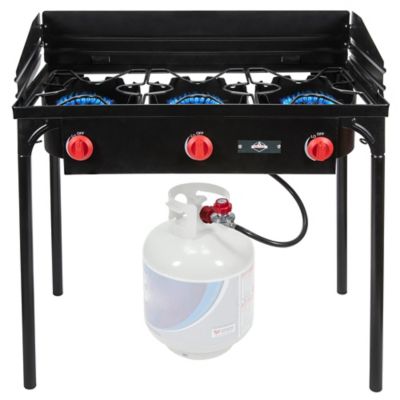
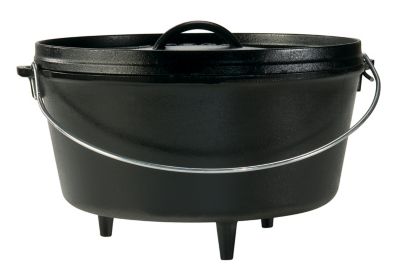
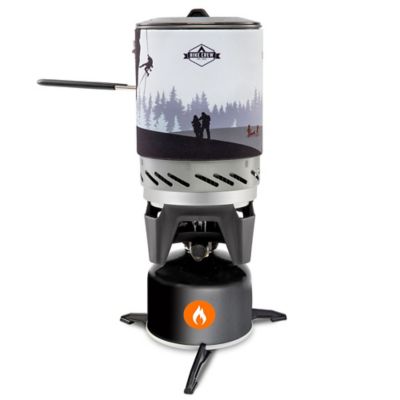
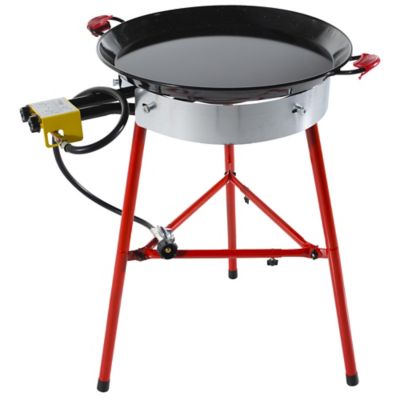
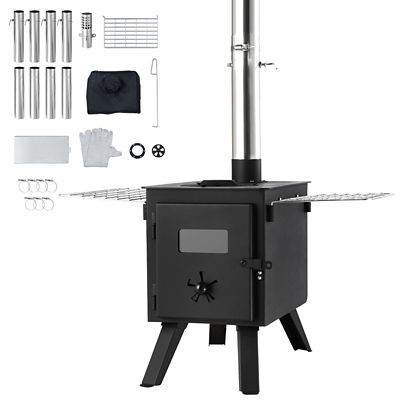
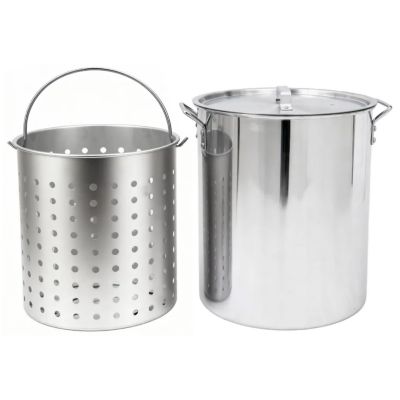
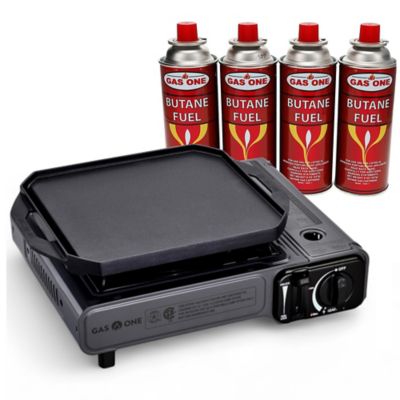
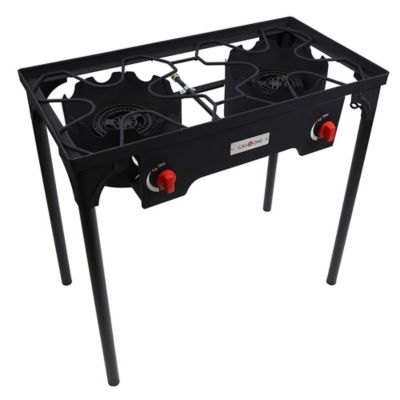
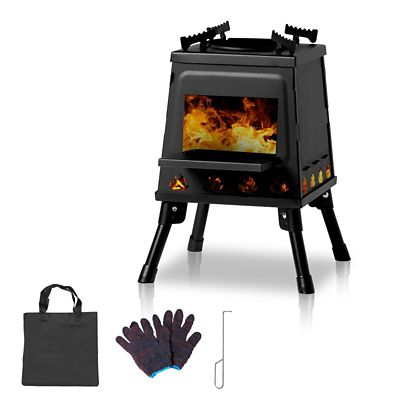
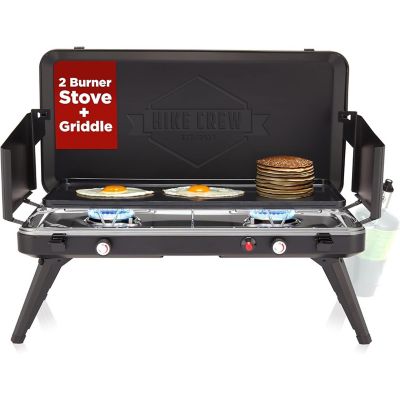
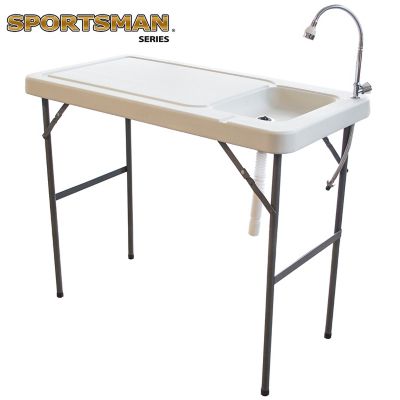
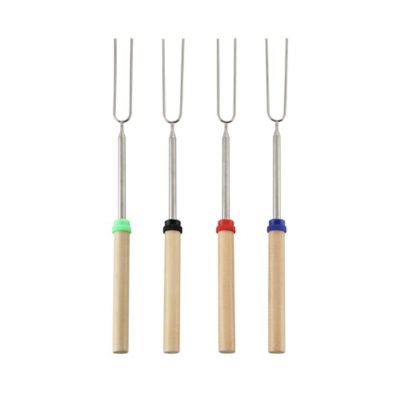
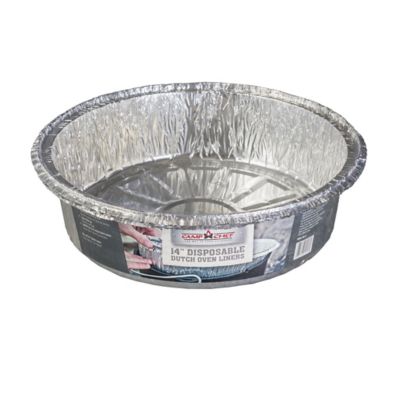
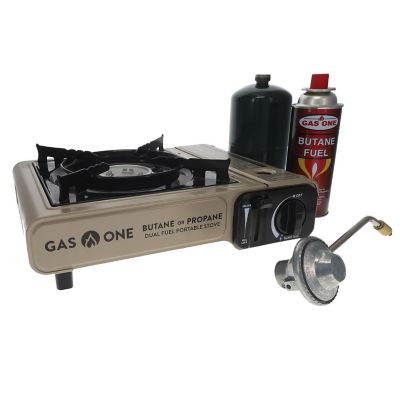
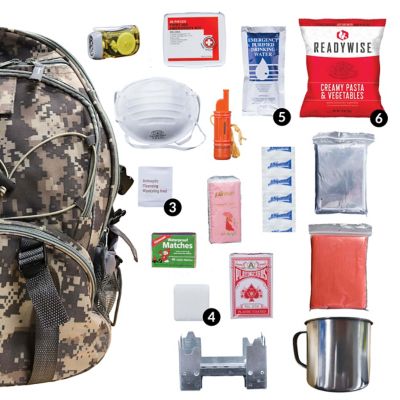
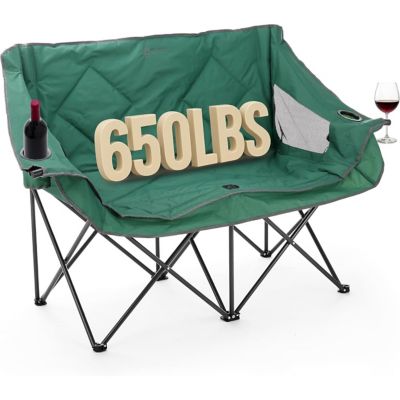
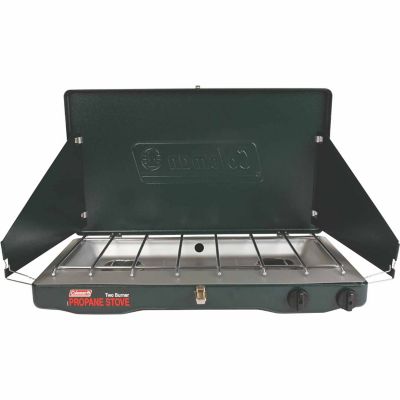
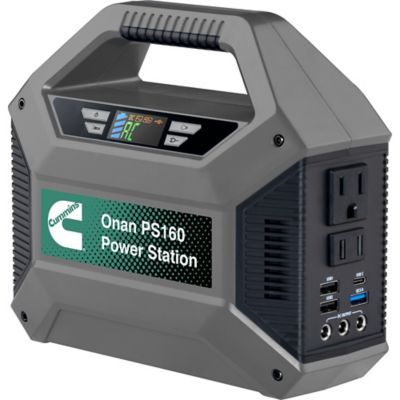
Camping cooking essentials help turn a simple campsite into a comfortable place to share a hot meal, pour a warm drink and settle in after a day outdoors. The right setup depends on how you camp, how many people you feed and how far your gear has to travel. For car camping, a two-burner propane stove offers the flexibility to simmer one pot while heating another, making it handy for everything from pancakes and coffee in the morning to pasta, soup or skillet meals at supper. A compact single-burner canister stove takes up less room and suits lightweight trips where every ounce matters. Whichever style fits your plans, look for steady heat, simple controls and a stable base for cookware. Pack enough fuel for the meals you plan to prepare, with extra on hand for cool weather, longer cooking times or an unexpected second pot of coffee. A lighter and waterproof matches make a smart pair of ignition options, especially when damp ground, wind or morning dew makes starting a flame more difficult. For cookware, a one- to two-quart pot with a lid is useful for boiling water, warming sauces and making quick meals, while a durable frying pan or skillet handles eggs, bacon, vegetables and burgers. Nesting cookware can save valuable space in a vehicle or storage bin, and heat-resistant handles are easier to manage around a busy camp stove. A sharp kitchen knife, compact cutting board, stirring spoon, spatula and tongs cover most basic food preparation without crowding the camp table. Small extras such as a can opener, bottle opener, measuring cup, cooking oil and simple seasonings can make the difference between a meal that feels thrown together and one that tastes like it belongs around a campfire.
Camping dishes should be sturdy enough for outdoor use and easy to clean at the end of the meal. Metal, durable plastic and silicone plates, bowls and mugs are practical choices for camp kitchens, with reusable designs helping cut down on loose waste around the site. Mugs are especially useful during the cooler months, when hot coffee, cocoa or cider can make a chilly morning feel much more inviting. If you are buying a gift for someone who spends weekends at the lake, hunts from a base camp, travels with a camper or enjoys gathering friends around an outdoor table, a well-chosen piece of camp cookware or a set of durable dishes can be both useful and personal. Couples planning simple getaways may appreciate compact gear that packs neatly and serves more than one purpose; browse these
Camping Essentials For Couples for ideas that suit shared meals and smaller camp setups. For larger groups, consider the serving size and cleanup needs before choosing cookware, since feeding several people often calls for bigger pots, extra utensils and a way to keep prepared food covered. A reliable cooler with enough room for ice and perishable ingredients helps keep meat, dairy and other foods at safe temperatures, while separate containers can protect dry goods from moisture. Sealable storage also helps keep crumbs and food smells away from wildlife. Bring trash bags for food scraps and packaging, and check campsite rules before leaving anything behind. Keeping raw ingredients separate from ready-to-eat food, washing hands before handling meals and cooking meats thoroughly are simple habits that matter just as much outdoors as they do at home.
A smooth cleanup routine keeps the cooking area pleasant and protects the next meal from greasy pans and smoky plates. Many campers use two plastic tubs or collapsible wash basins: one for washing and one for rinsing. Add biodegradable dish soap, a sponge or scrubber and quick-drying towels, then allow dishes to air-dry fully before packing them away. A small drying rack, mesh bag or clean towel spread across a table can keep cookware off the ground while it dries. Look for gear that folds, nests or packs inside another piece, especially when storage space is limited in a truck bed, tent vestibule or crowded camp box. Weight matters for backpacking, while durability and capacity often matter more for family camping or tailgating. Materials that resist dents, rust and heat damage can stand up to repeated use, but even tough camp gear benefits from being stored clean and dry. Set the stove on level, stable ground away from tent walls, dry grass and low branches, and keep fuel containers upright and away from direct heat. Use cookware that matches the stove size so flames do not flare around the sides, and never leave an active burner unattended. A practical cooking kit should make it easy to boil water, prepare a hot meal, serve it, store leftovers and clean up without a lot of fuss. Whether the evening ends with a skillet supper under a wide-open sky or a warm drink beside the fire during a crisp stretch of weather, dependable camping cooking essentials help make outdoor meals feel relaxed, filling and worth remembering.