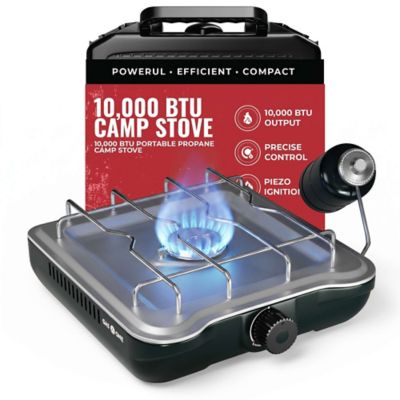
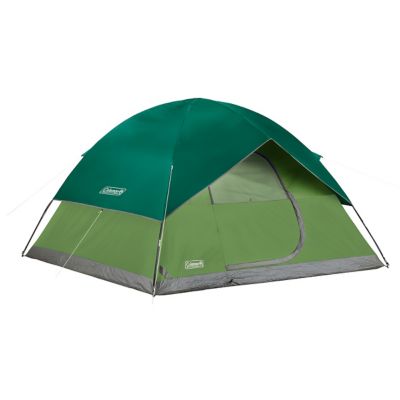
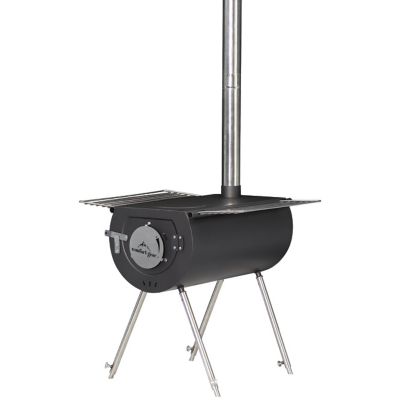
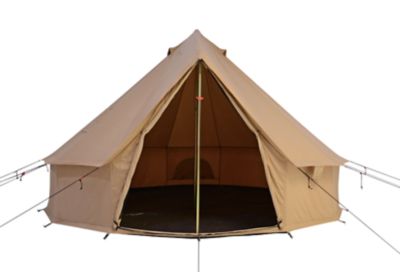
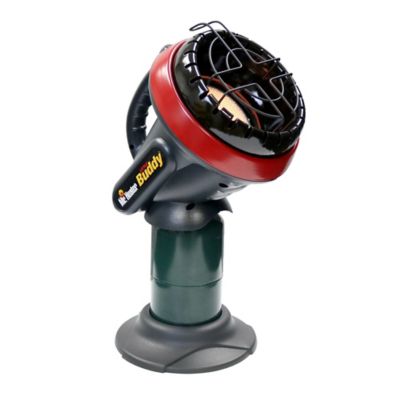
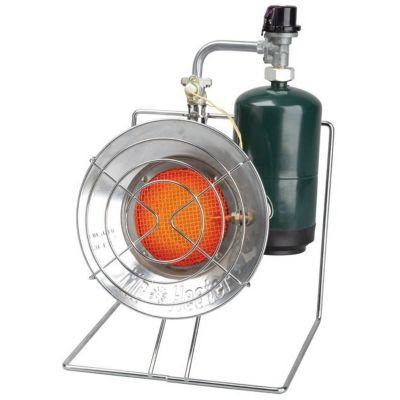
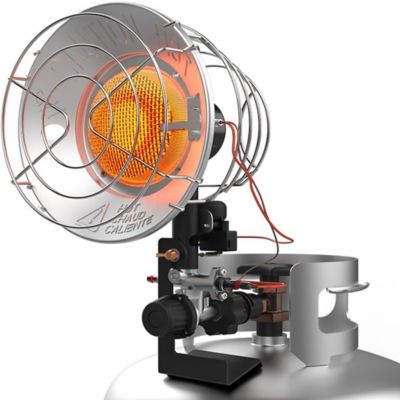
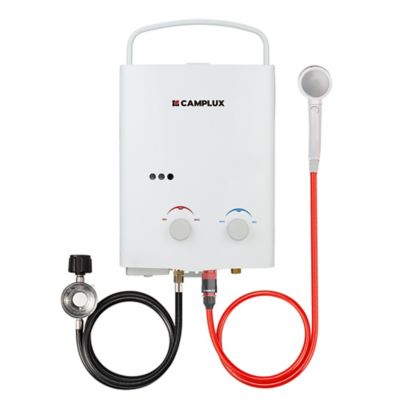
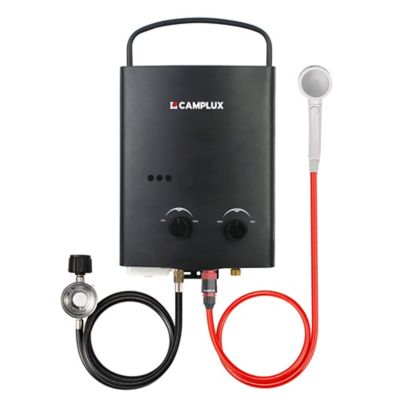
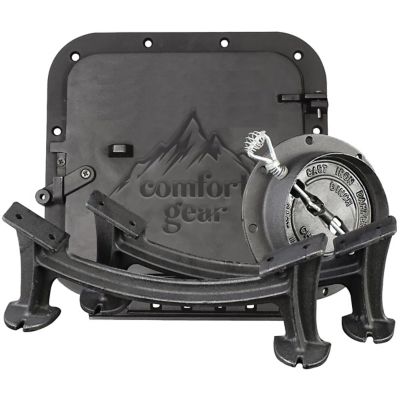
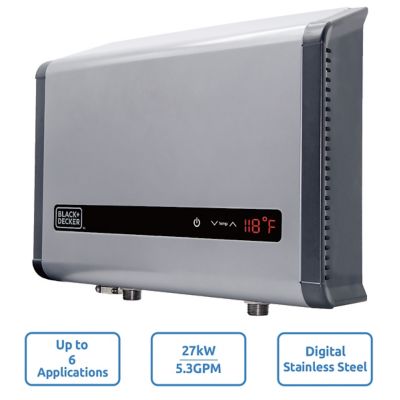
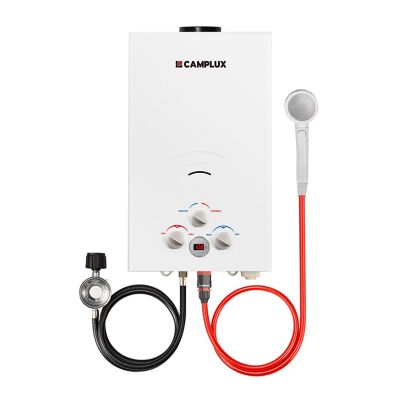
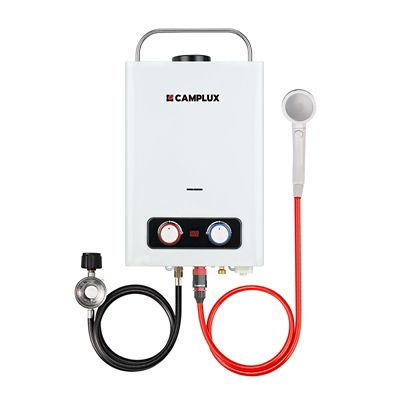
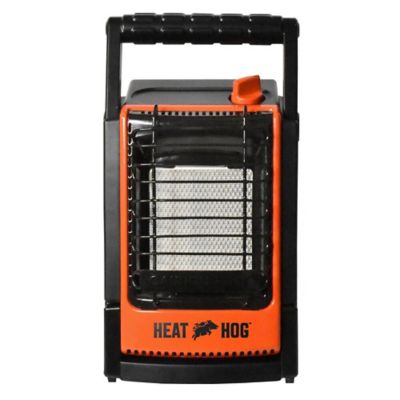
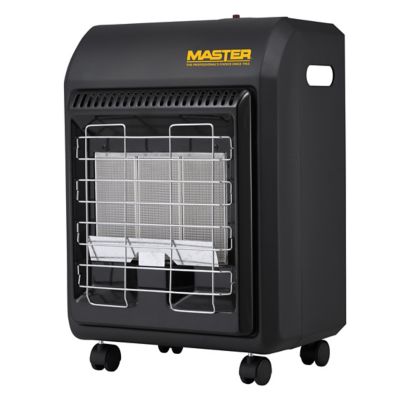
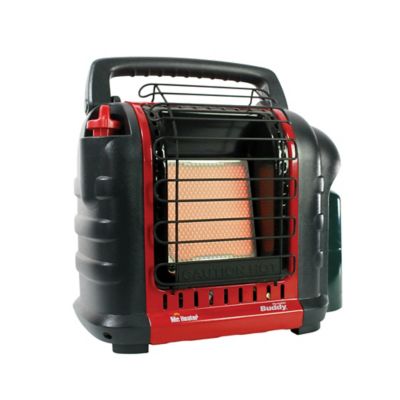
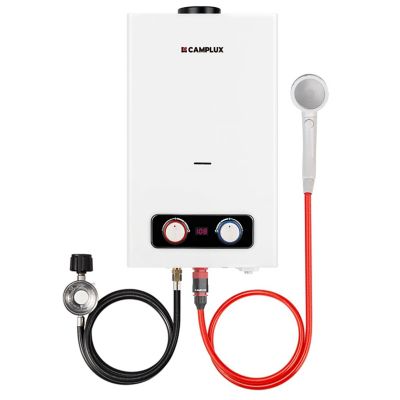
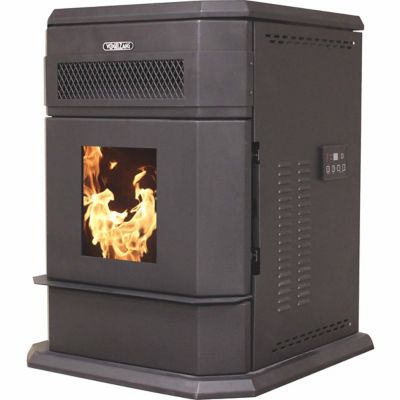
Camping heaters help take the bite out of cool mornings, chilly evenings and long stretches of time spent outdoors. Whether you are setting up a tent near the lake, watching a late-season ball game from the tailgate, tending a campfire or relaxing beside an RV, the right heater can make an outdoor setup feel a whole lot more comfortable. Start by matching the heater to your shelter and camping style. Small propane heaters are a popular choice for off-grid trips because they are portable, work without an electrical hookup and provide steady radiant warmth from compact fuel cylinders. Some models can also connect to a larger propane tank with the proper hose and fittings, which can be handy for extended stays around a campsite, hunting cabin or outdoor work area. Electric ceramic or fan-forced heaters may be a better fit for an RV, enclosed trailer or campsite with reliable shore power, while compact multi-use stoves can provide warmth and a small cooking surface in certain outdoor setups. Specialized wood-burning tent stoves are made for compatible canvas tents or hot tents with a stove jack and chimney, offering strong heat and cooking capability but requiring more setup, fuel and hands-on attention. For a quick look at other space-saving options, browse
Compact Heaters. Before choosing, think about the size of the area you need to warm, how much room you have for fuel, whether you will have access to electricity and how often you plan to move the heater. A compact unit may be just right for one or two people under a sheltered canopy, while a larger area may call for a higher heat output or more than one approved heating source. BTU ratings can help you compare propane heaters, but the number alone does not tell the whole story. Wind, insulation, shelter height and outside temperature all affect how warm a space feels. A heater with adjustable output gives you more control, letting you turn the heat down once the sun comes up or when everyone gathers close around the table.
Safety matters every time a fuel-burning heater comes along on a camping trip. Read the manufacturer’s instructions before use, and only operate a heater in the type of space it was designed for. Never use an outdoor-only heater inside a tent, vehicle, camper or other enclosed area. Even heaters approved for certain tent or shelter use need plenty of fresh air, so keep vents open as directed and never block them with sleeping bags, clothing or gear. Propane and butane heaters consume oxygen and can produce carbon monoxide, an odorless and dangerous gas. A battery-powered carbon monoxide detector is a smart addition to a camping kit, but it does not replace proper ventilation or careful operation. Do not leave a combustion heater running unattended, and do not sleep with one operating unless the manufacturer specifically allows it and all required safety measures are in place. Set the heater on a firm, level surface where it cannot be bumped, tipped or buried in loose soil. Keep it well away from tent walls, tarps, sleeping bags, camp chairs, coolers, firewood and other items that could melt, scorch or catch fire. A good rule is to create a clear space around the heater and keep fuel containers upright, protected from heat and stored according to the label. Tip-over shutoffs, low-oxygen shutoffs and automatic overheat protection can add an extra layer of security, especially when several people are moving around camp, but those features are not a substitute for supervision. Propane and butane connections should be checked for damage and leaks before use, and fuel should be kept outside living spaces whenever possible. Combustion heaters also create moisture, which may collect on tent walls and make sleeping gear feel damp. Ventilation can help reduce that clammy feeling. Electric heaters avoid combustion fumes, but cords, outlets and generators bring their own concerns: use equipment rated for the conditions, keep connections dry, avoid overloading circuits and route cords where nobody will trip over them.
Camping heaters are useful well beyond a weekend in the woods. They can warm the changing area at a youth sports tournament, take the chill off a covered porch during a family gathering or make an early-morning fishing trip more pleasant while the mist is still hanging over the water. Hunters, campers, farm families, tailgaters and outdoor crews may all appreciate having a dependable way to warm up between tasks. A heater can also make a thoughtful gift for someone who spends time outside during the cooler months, especially when paired with practical extras such as spare approved fuel, a protective carry case, heat-resistant gloves, a carbon monoxide detector or a sturdy storage tote. For a camper who packs light, look for a compact design with a comfortable handle and simple controls. For a family campsite, adjustable heat settings and a stable base may be more important than the smallest footprint. If you are outfitting an RV or enclosed trailer, check the available wattage and outlet capacity before choosing an electric model, and make sure the heater fits safely without crowding walkways or ventilation areas. For a canvas hot tent, confirm that the stove, stovepipe and chimney jack are properly matched and that the shelter is designed for that setup. It also helps to plan for the little details: carry fuel on hand for the length of the trip, protect the heater from rain and snow, let it cool completely before packing it away and inspect it after each outing. With the right match between heater, shelter and fuel source, a cold campsite can become a comfortable base for coffee at dawn, supper after dark and stories shared long after the campfire settles down.