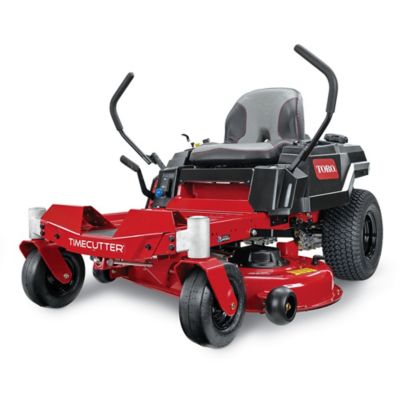
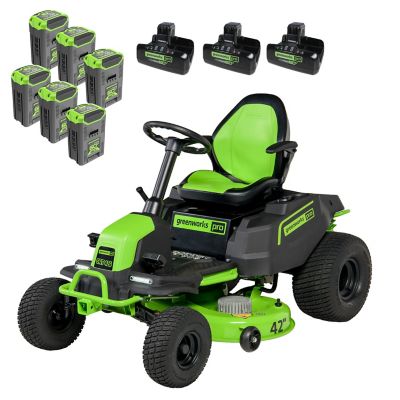
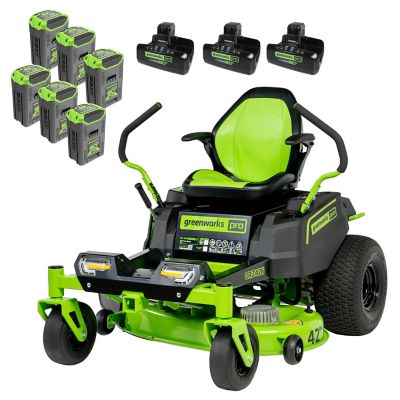
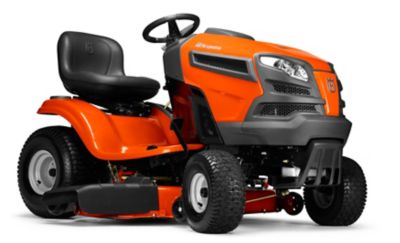
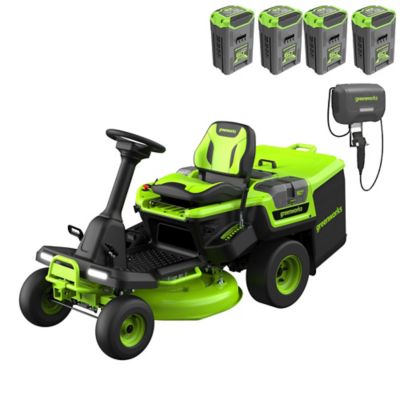
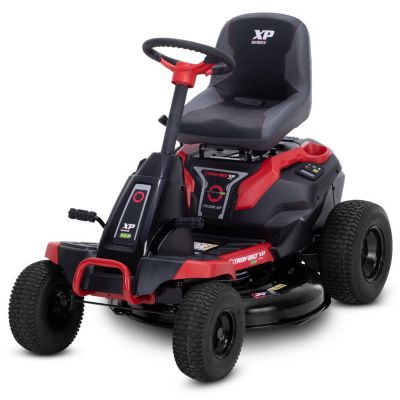
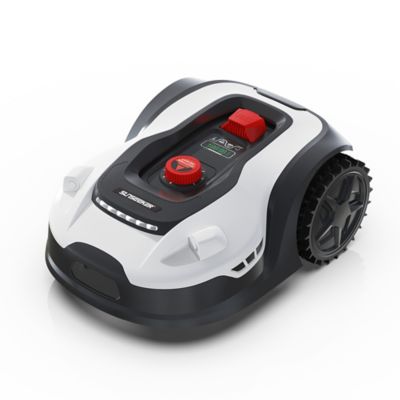
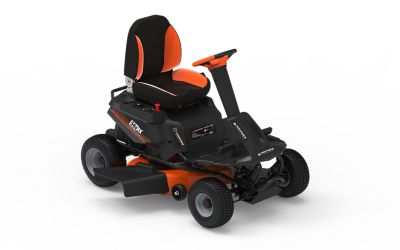
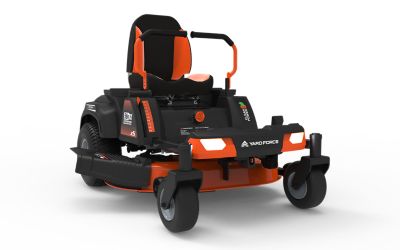
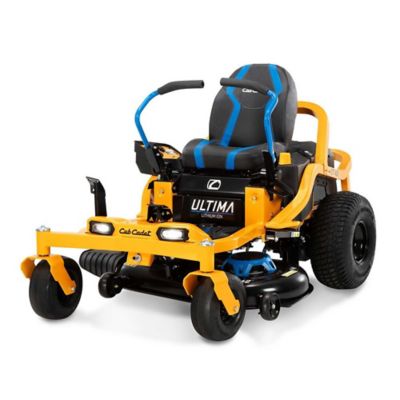
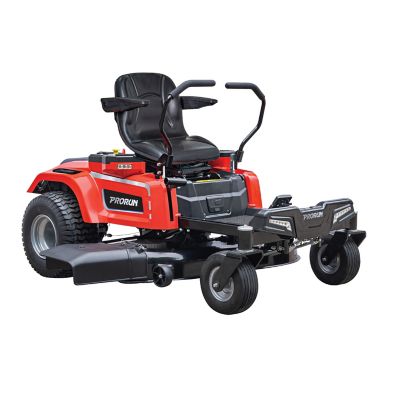
A battery-powered riding lawn mower handles lawn cutting with electric motors and rechargeable batteries instead of a gasoline engine. That means no fuel tank to fill, no engine oil changes and no spark plugs to replace, along with no direct exhaust emissions from the mower while it runs. Electric riding mowers generally make less noise than gas-powered riders, though the blades and moving parts still make sound, and hearing protection may still be necessary. For a homesite with a broad front lawn, a long stretch beside the driveway or grass around an outbuilding, a battery-powered rider offers seated operation without the routine engine upkeep that comes with gasoline equipment. The main styles include lawn tractors, zero-turn mowers and compact rear-engine-style riders. Electric lawn tractors typically have a steering wheel and familiar pedal controls, making them a comfortable fit for folks accustomed to driving a conventional riding mower. Many residential tractors have cutting decks around 38 to 54 inches wide, although dimensions vary. Battery-powered zero-turn mowers often have lap bars, while some have steering-wheel controls; their maneuverability helps when cutting around trees, garden beds and fence corners. Larger zero-turn decks can reach about 60 inches, but a wider deck is not automatically the best fit for every property. Compact riders may have decks around 30 inches wide, making them easier to work through tighter lawn areas and store in smaller spaces. Actual machine width matters just as much as cutting width when there is a narrow gate between the shed and the yard. A broad, open lawn favors fewer passes, while a yard broken up by trees and pathways may call for a smaller footprint. Slopes also matter: each mower has operating limits, and zero-turn steering does not make a machine suitable for every hillside. Keeping a rider away from ditch edges, pond banks and steep ground is part of matching the equipment to the property, not simply matching the deck to the acreage.
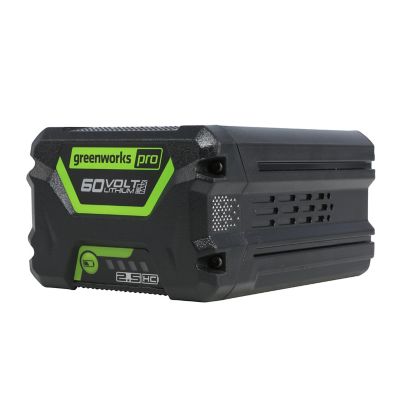
Battery capacity, terrain and the way the mower cuts all affect how much lawn a battery-powered riding mower can cover on one charge. Published acreage and runtime figures are helpful comparisons, but they are not a promise that every property will deliver the same result. Thick grass, uphill travel, repeated turns, faster blade settings and powered attachments can draw more energy than steady mowing across level ground. A yard with several fenced sections can also take longer than an open lawn of the same size because of extra maneuvering. Battery voltage and amp-hour ratings describe different parts of the power system; amp-hours alone do not provide a fair comparison between machines running at different voltages. Watt-hour capacity, when listed, offers another way to compare stored energy, while the manufacturer's coverage rating helps put that capacity into practical terms. Some electric riders have removable battery packs, and others carry an onboard battery system. Removable packs can make charging away from the mower possible, but compatibility with other equipment depends on the battery platform and should never be assumed. Many chargers connect to a standard 120-volt household outlet, with electrical requirements and charging times varying by model. A suitable outlet near the parking spot can make everyday ownership simpler, especially when the mower lives in a shed or garage. Comfort deserves a close look, too. Seat adjustment, back support, pedal reach and steering position affect how the machine feels through a full mowing session. Easy-to-read charge displays and reachable deck-height controls help keep attention on the ground ahead rather than on awkward adjustments. Cruise control, reverse-mowing functions and different drive modes may be offered, but features vary across the category. For someone maintaining several lawn areas, enough battery capacity to finish the usual route with some charge left over can be more practical than planning around the highest advertised runtime. Straightforward controls and a comfortable seating position matter just as much as cutting width when the mower will see regular work.
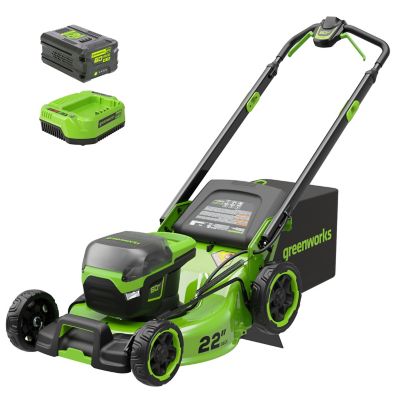
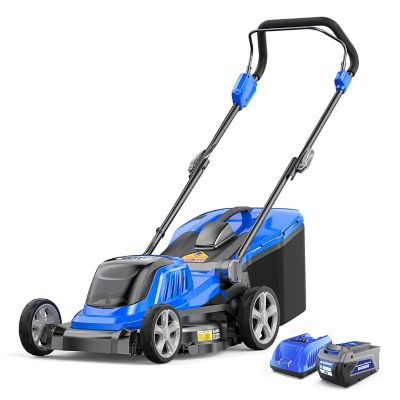
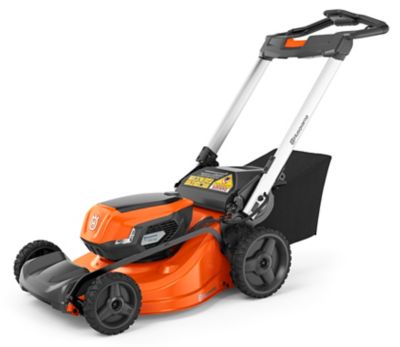
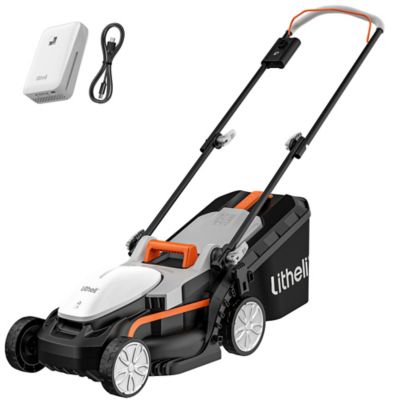
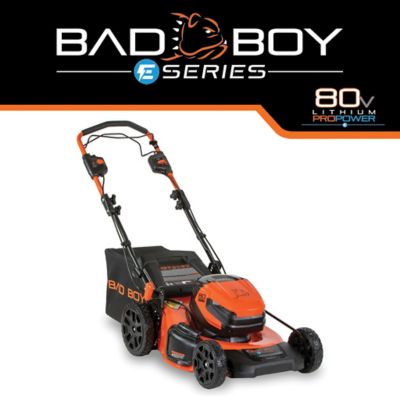
The deck, frame, wheels and cutting system determine how a battery-powered riding lawn mower stands up to everyday property chores. Steel decks are common, with deck thickness, reinforcement and protective finishes varying by mower. A deck that follows the lawn well can help limit scalping across uneven ground, while adjustable cutting heights allow the grass to stay at a suitable length rather than getting shaved down too far. Mulching, side discharge and bagging serve different needs: mulching returns finely cut clippings to the lawn, side discharge spreads them along the mowing path, and bagging collects them for removal. Not every mower includes every option, and collection systems can affect maneuverability and energy demand. Hitch provisions and attachment ratings also vary, so towing a yard cart or running an attachment depends on the mower's stated capabilities. Electric power reduces engine maintenance, but it does not eliminate mower care. Sharp, balanced blades support a clean cut, and grass buildup beneath the deck can interfere with airflow and cutting performance. Tire pressure, blade hardware and other service points still need attention according to the owner's manual. Before clearing the deck or working near blades, the machine needs to be shut down and secured against an unexpected start using its specified safety procedure. Battery care includes the correct charger, sound charging connections and storage that follows the manufacturer's requirements. Protected parking helps shield the seat, controls and electrical components from unnecessary exposure, while routine inspection can catch loose hardware or damaged wiring before the next mowing job. For smaller lawns or separate patches better suited to walk-behind equipment,
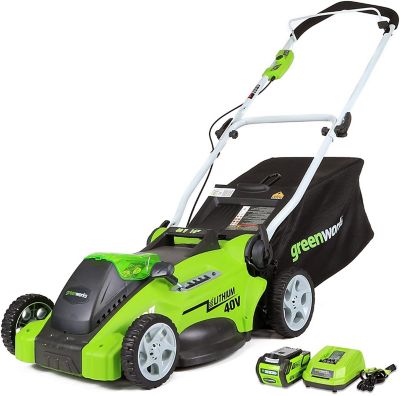
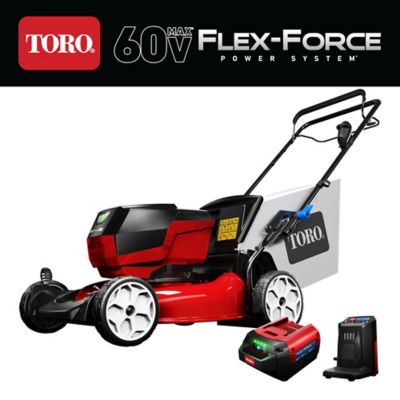
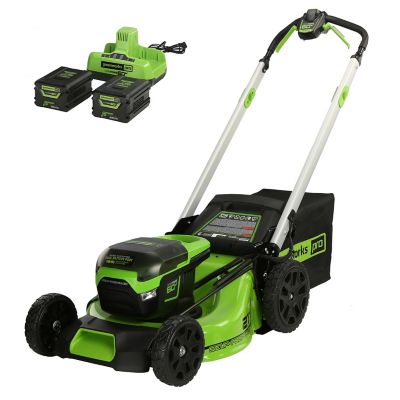
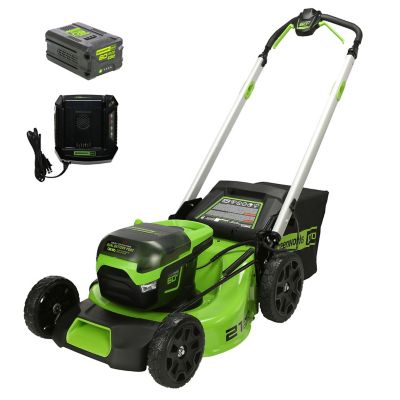
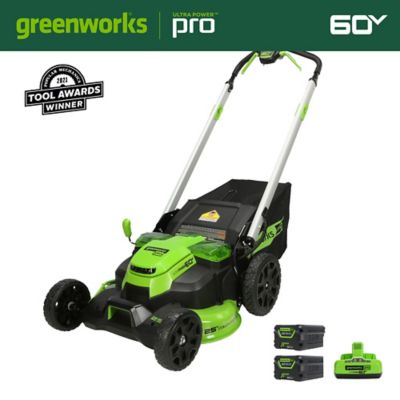
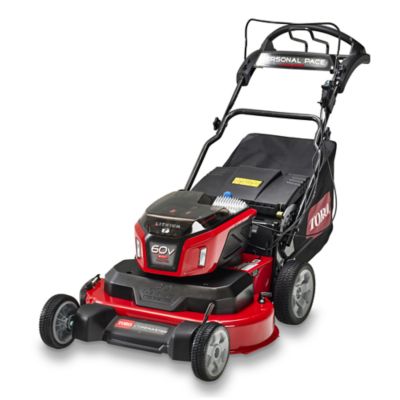
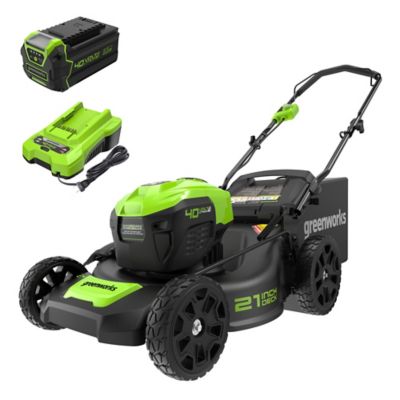
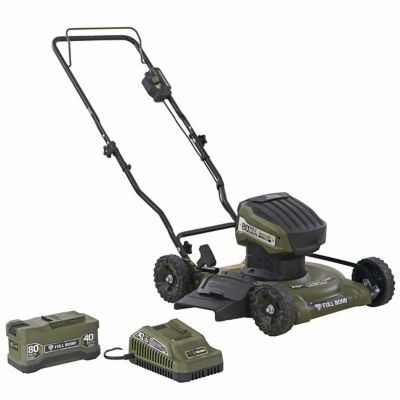
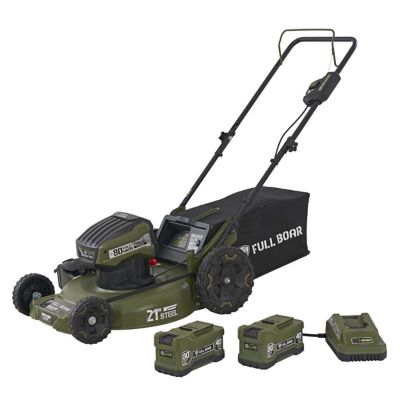
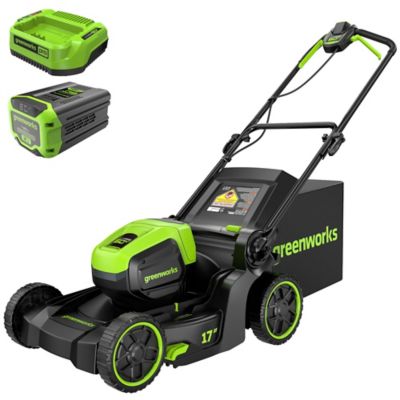
Battery Operated Lawn Mowers offer another way to match electric mowing equipment to the space. A well-matched riding mower brings together manageable dimensions, sufficient charge capacity, comfortable controls and a cutting deck suited to the lawn, making the stretch from the house to the fence line easier to keep neat.