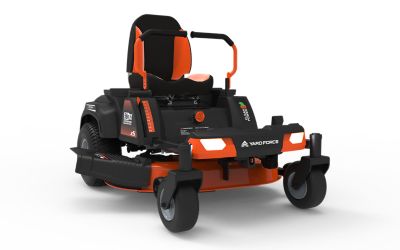
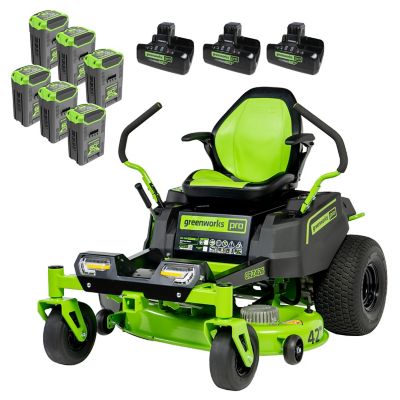
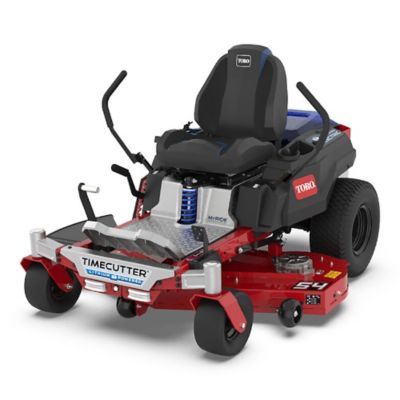
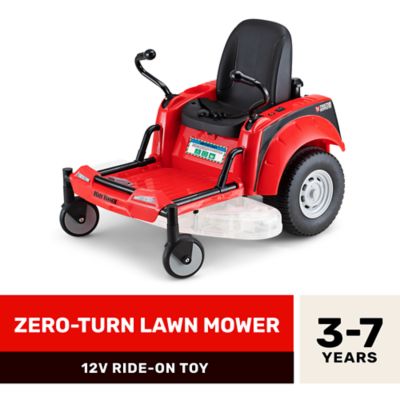
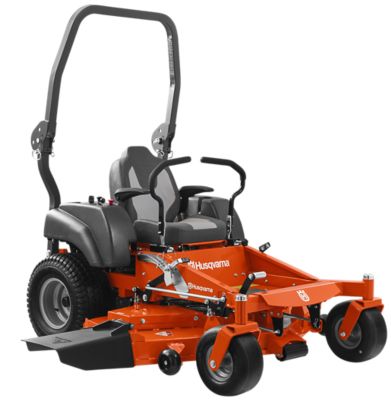
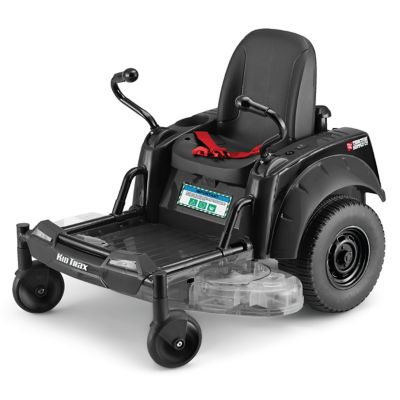
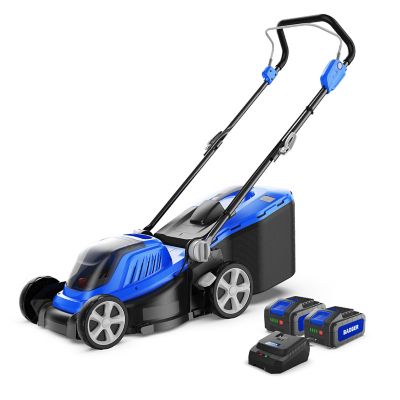
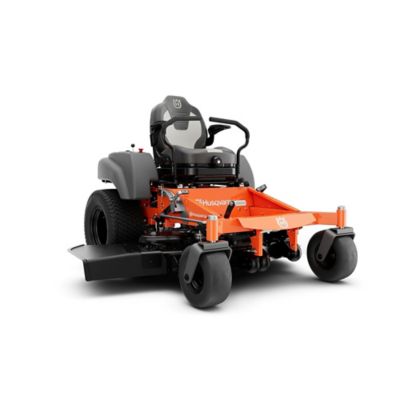
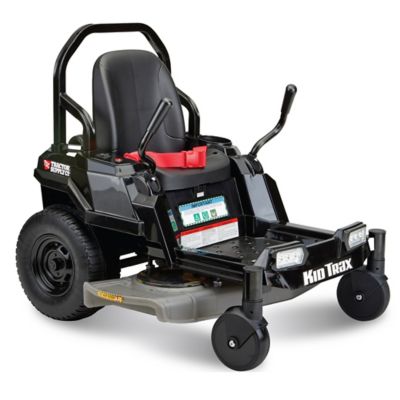
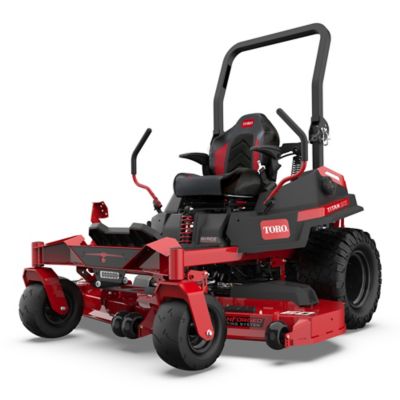
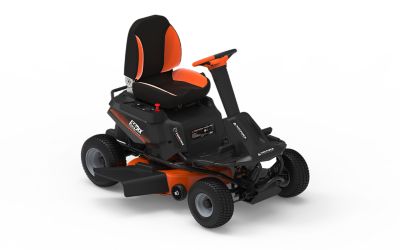
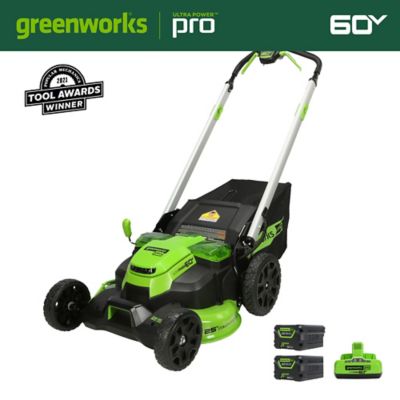
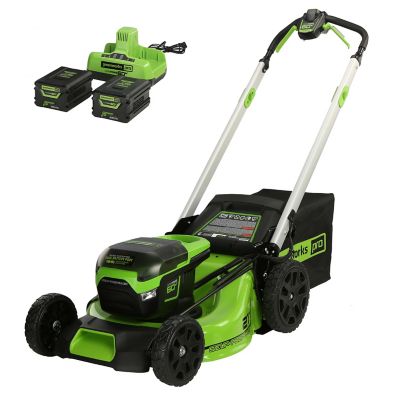
Battery-powered zero-turn lawn mowers combine rechargeable electric power with tight-turning steering to mow lawns and larger maintained yards without gasoline or tailpipe exhaust during operation. Electric motors power the drive system and cutting blades, while independent control of the drive wheels helps the mower turn closely around trees, fence corners, and planting beds. That maneuverability can mean fewer wide loops at the end of each pass and less backing up around obstacles. For a homeowner tending a broad front lawn, a few open acres around the house, or grass between outbuildings, the appeal is straightforward: riding-mower capacity without fuel cans, engine oil changes, or spark plug service. These machines generally make less noise than comparable gas-powered equipment, though the blades and moving parts still produce sound, and hearing protection may be appropriate. Cutting strength and runtime depend on the mower’s design, battery capacity, grass height, and terrain, so electric power alone does not tell the whole story. A level lawn with short, regularly maintained grass puts a different demand on the battery than thick growth interrupted by slopes and frequent turns. Acreage ratings are helpful reference points, but they reflect stated test conditions rather than a promise for every property. Battery-powered zero-turn mowers are primarily lawn-care machines, not a substitute for equipment built to clear brush or cut rough pasture. Their strongest fit is maintained ground where a broad deck and nimble steering can keep the work moving. Steering layouts vary, and the feel of lap bars or other controls matters when easing past a gatepost or lining up along a driveway. For shoppers considering electric mowing equipment beyond the zero-turn category,
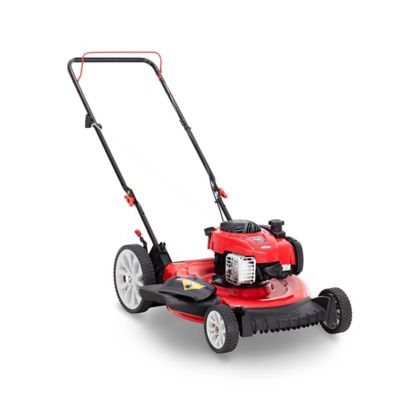
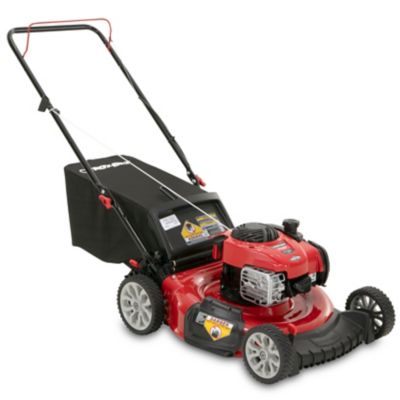
Battery Operated Lawn Mowers provides a broader look at the category. The right fit comes down to the ground being maintained, the space available for maneuvering, and how much mowing needs to happen between charges.
Deck size has a big say in how a battery-powered zero-turn mower fits a property. A wider cutting path can cover open stretches with fewer passes, while a narrower deck may be easier to maneuver between trees or through a fenced yard. Overall mower width, including the discharge chute where applicable, matters just as much as cutting width when there is a tight gate or limited shed space. Deck construction also deserves attention. Stamped and fabricated steel decks differ in how they are formed and assembled; steel thickness, reinforcement, coating, and upkeep all contribute to how well a deck holds up through regular work. Bumping roots, scraping fence posts, and leaving damp clippings packed underneath can take a toll regardless of construction style. Cutting-height adjustments help match the mower to the grass, while deck shape, blade condition, and travel speed influence how evenly it cuts and disperses clippings. Side discharge, mulching, and bagging serve different needs, with compatibility and any required attachments depending on the machine. A lawn bordering a gravel drive presents different clipping-management concerns than an open stretch behind the barn. Tires, wheelbase, and deck movement also affect the ride and finished appearance on uneven ground. Zero-turn steering is handy around obstacles, but a sharp pivot can scuff turf, especially when one drive wheel stops while the other keeps moving. A gentle rolling turn is often easier on the lawn. These mowers also have slope limits and traction requirements that belong in the buying decision, not just the operator’s manual after delivery. Steep banks, ditches, drop-offs, and pond edges call for particular caution and may require another mowing method. Seat support, legroom, control placement, and visibility help determine comfort over a long stretch of mowing. A seat that adjusts to the operator and controls that feel natural can make a real difference when working around orchard trees or following a long fence line.
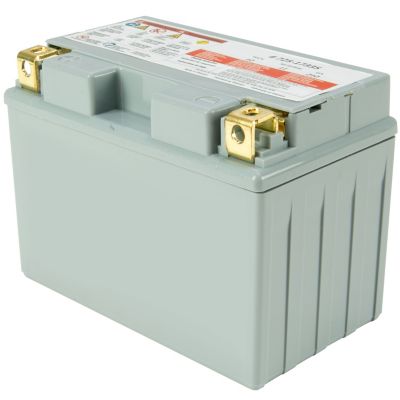
Battery capacity and charging arrangements shape the everyday routine as much as deck width does. Voltage describes one part of the electrical system, while amp-hours describe charge capacity; watt-hours provide a more useful basis for comparing stored energy across different battery voltages. Even then, stored energy is not a direct measure of acres cut, because the mower’s efficiency and workload also matter. Tall grass, repeated stops, higher blade speeds, and uphill travel can shorten runtime. Some designs have removable battery packs, while others have an onboard battery system, and that distinction affects charging access, handling, and storage. A practical setup includes an appropriate electrical outlet within reach of the approved charging equipment, without cords stretched across a walkway or work area. Charging time should fit the mowing routine, especially when the property takes more than one charge to finish. Battery-powered equipment eliminates several engine-service chores, but it still needs regular attention. Sharp, balanced blades help produce a clean cut without asking the mower to work harder than necessary. Clippings caught under the deck can interfere with performance and hold moisture against metal surfaces. Cleaning methods vary, and electrical components need protection from water according to the manufacturer’s directions. Before clearing a blockage, checking blades, or reaching beneath the deck, the mower needs to be shut down and secured against starting as directed in its manual. Tire pressure, fasteners, safety switches, and any service points still deserve regular checks. Battery care includes following the specified charging and storage conditions and keeping connections clean and protected. Long-term ownership also involves warranty terms, service access, and replacement-battery compatibility. For the person keeping the house lot tidy or maintaining several connected lawn areas, a battery-powered zero-turn mower can bring together close maneuvering, fewer engine-related chores, and the convenience of plugging in after the work is done. Matching its cutting capacity, controls, and charging needs to the property helps make that convenience part of a workable mowing routine.