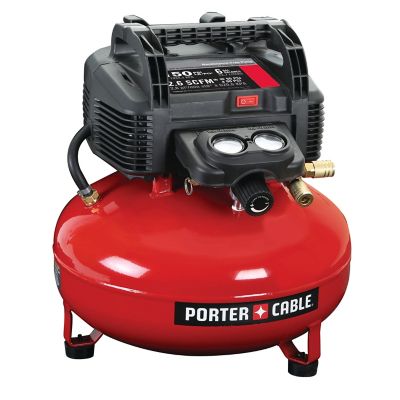
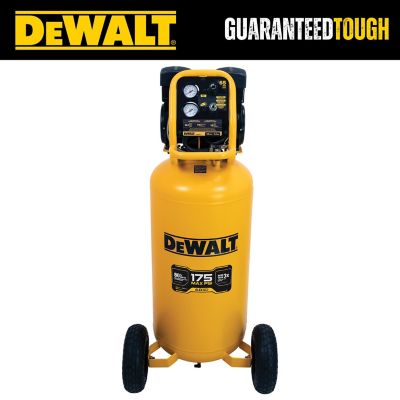
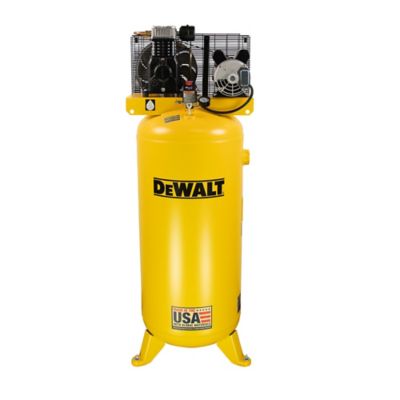
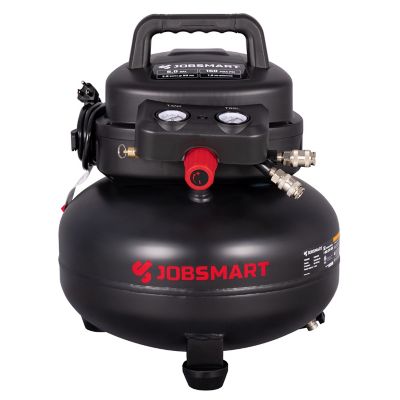
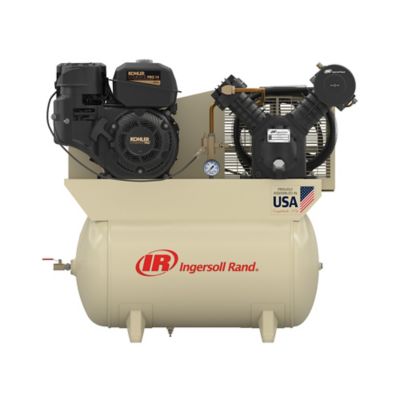
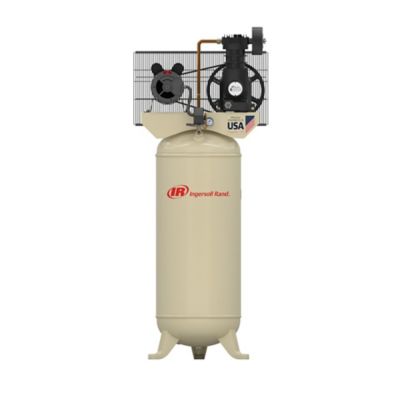
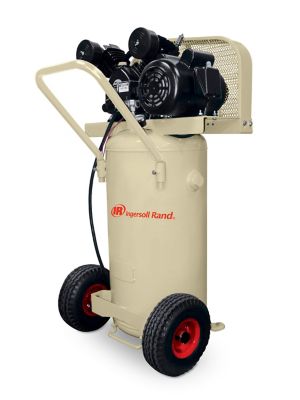
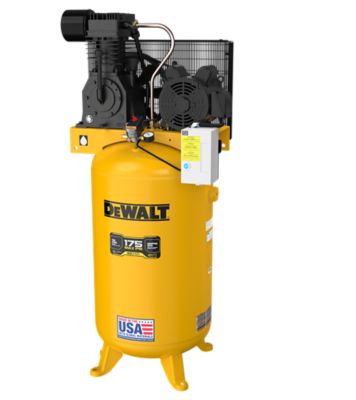
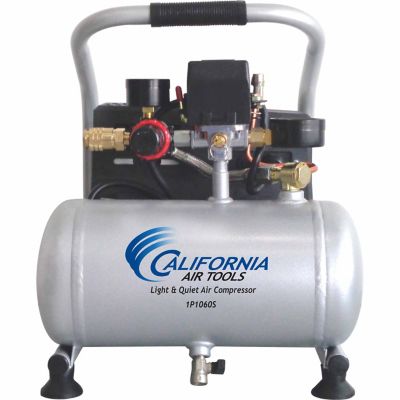
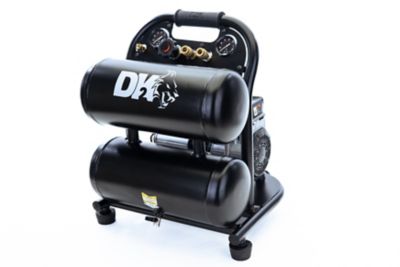
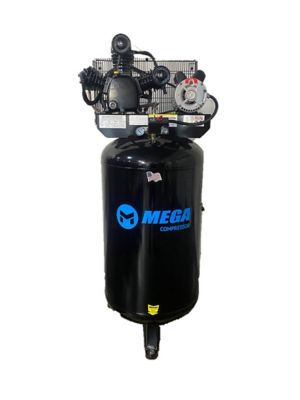
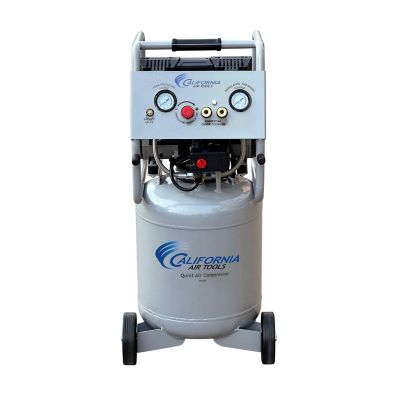
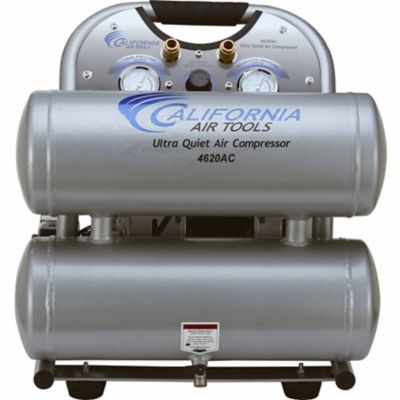
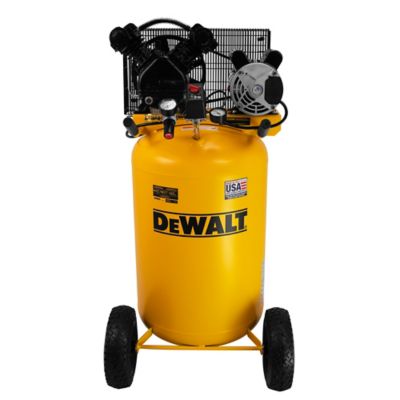
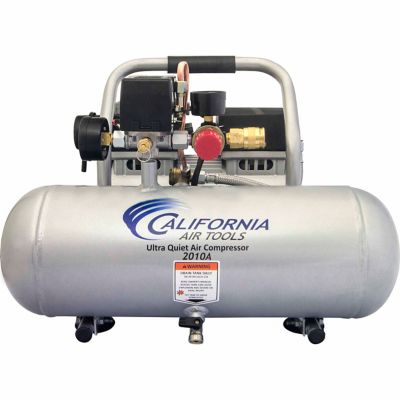
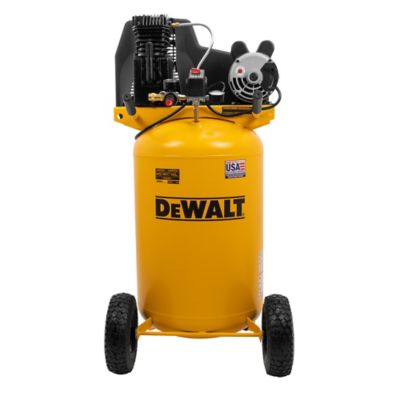
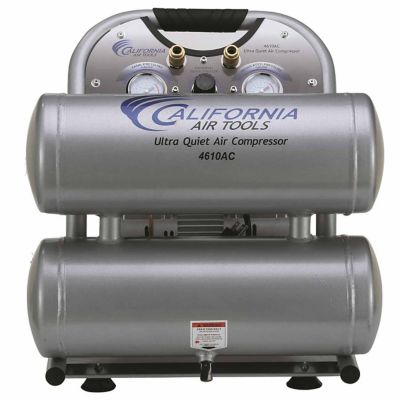
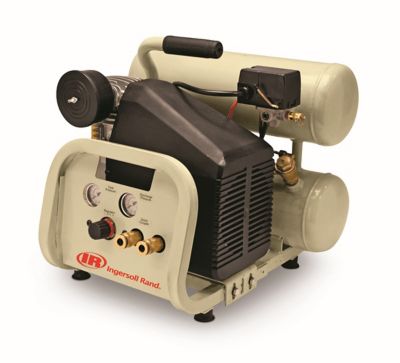
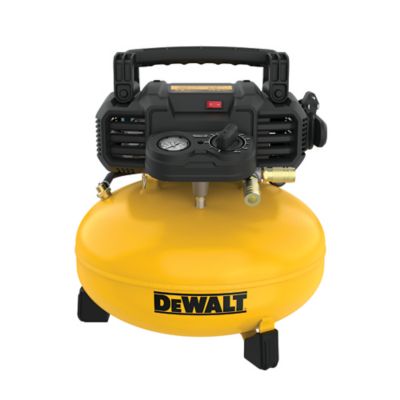
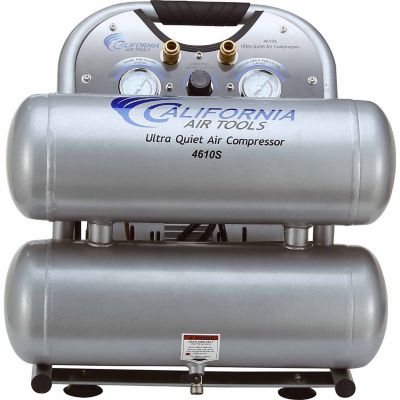
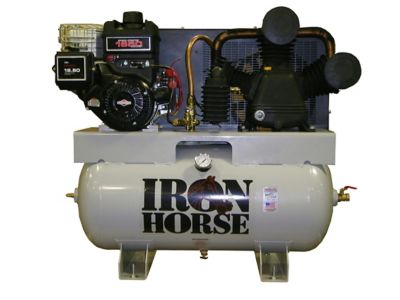
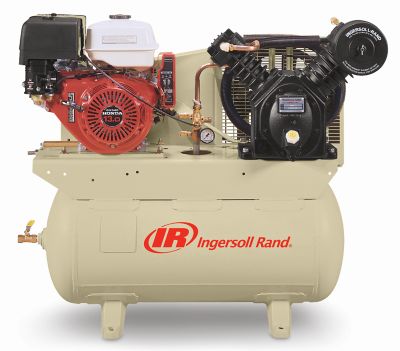
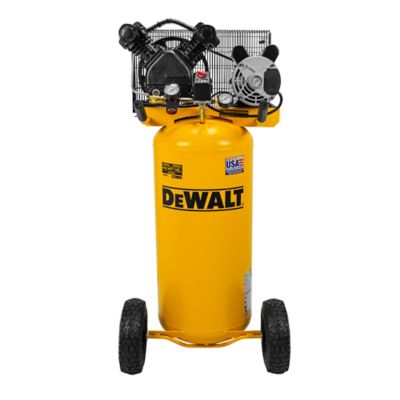
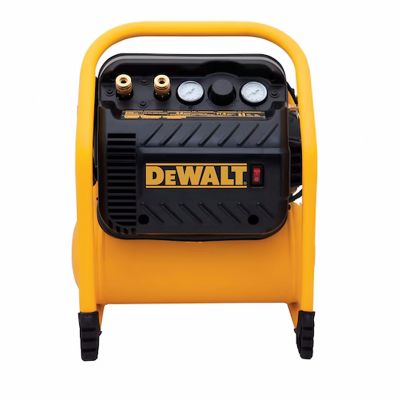
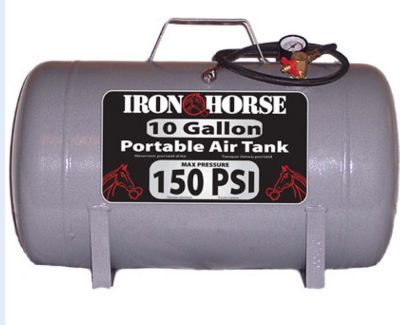
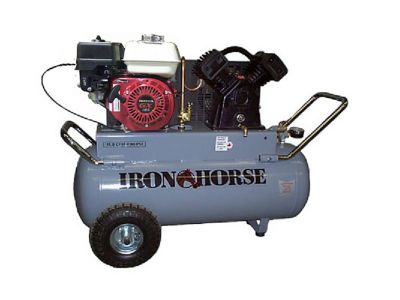
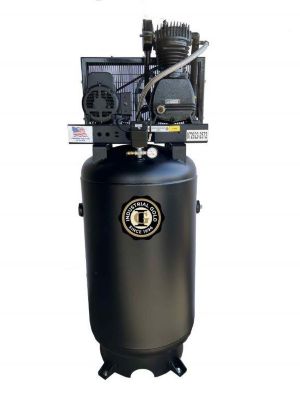
Air tank compressors bring compressed air to everyday jobs around the farm shop, garage and workbench, from topping off trailer tires to driving fasteners and powering pneumatic tools. A tank air compressor combines a pump with a storage tank, also called an air receiver. The pump fills the tank to a set pressure, then cycles back on as air is drawn out. That reserve helps meet short bursts of demand and gives the pump a break between jobs, but tank size alone does not determine which tools a compressor can support. A separate portable air tank holds air supplied by another compressor; it cannot refill itself. Small compressor tanks, often in the 1- to 6-gallon range, suit jobs such as trim nailing, stapling and occasional tire inflation when their airflow ratings match the task. They are easier to carry between a workbench and a project across the property. Tanks around 10 to 27 gallons offer more stored air for garage and workshop tasks, while larger tanks, including 60-gallon and larger designs, often belong in a dedicated shop space. Continuous sanding, spraying or repeated impact-wrench work still calls for enough pump output, regardless of the tank’s capacity. Shape matters when planning that space, too. A vertical tank takes up less floor area, while a horizontal design may fit beneath shelving or travel more comfortably on wheels. Handles, wheel size and overall weight make a difference when moving equipment over a concrete floor, through a doorway or toward a trailer. Steel air receivers are common, and their condition matters because they hold air under pressure. A protected finish helps shield the outside from scratches, but internal moisture needs attention as well. For a permanent setup, allow room around the pump for ventilation and access to the drain, gauges and controls. A compressor tucked tightly behind feed bins or shop cabinets can turn a simple maintenance task into a chore.
The most useful numbers to compare are airflow, pressure, tank capacity and duty cycle. Airflow is measured in cubic feet per minute, or CFM, and the rating only makes sense alongside its stated pressure in pounds per square inch, or PSI. Compare a tool’s air requirement with the compressor’s delivered-air rating at the same operating pressure. Many pneumatic tools run near 90 PSI, though the tool manufacturer’s specification should set the target. Maximum tank pressure is not the pressure to send straight into every tool. The regulator controls downstream pressure, and a higher maximum tank rating does not automatically mean more airflow. A nailer draws air in brief bursts; a sander or spray gun may need a steady supply for much longer. That difference explains why a compressor that handles fence-board repairs comfortably might struggle during a long sanding session. Look for airflow above the tool’s stated requirement, with room for hose losses and any other tools running at the same time. Once stored air is depleted, the pump must keep pace, or work pauses while the tank recovers. Duty cycle describes how long a compressor can operate within a stated period, so check the manufacturer’s definition rather than assuming a large tank means nonstop operation. Pump design also affects upkeep. Oil-free pumps do not require routine pump-oil changes, while oil-lubricated pumps need the specified oil and regular level checks. Either type still needs tank draining, filter attention and the other care outlined in its manual. Direct-drive and belt-drive layouts differ in footprint, sound and service requirements; check the sound rating when the compressor will sit near the workbench. Electrical requirements deserve the same attention as air output. Confirm voltage, circuit needs and starting requirements before planning a garage installation, and follow instructions for cords or hardwiring. For engine-powered setups, explore
Honda Air Compressors. Gasoline engines must operate outdoors, well away from doors, windows and vents, never inside a garage or barn.
Matching the rest of the air system to the compressor helps keep work moving without turning the shop into a tangle of hoses. Hose length and inside diameter affect pressure loss, especially with tools that draw substantial airflow. A long, narrow hose may leave an impact wrench feeling weak even when the tank gauge shows plenty of pressure. Choose hoses, couplers and fittings with working-pressure ratings suitable for the system, and make sure connector styles match. A hose reel can keep lines off the floor, while an accessible regulator makes it easier to adjust pressure when switching between inflation and tool work. For tire filling, a suitable chuck and a separate tire-pressure gauge help check the result against the vehicle or equipment specification; the compressor’s tank gauge does not show tire pressure. For spray finishing, moisture separation and filtration matter because water or oil in the air stream can affect the finish. Oil-free does not mean moisture-free, and lubrication requirements vary by tool, so check those instructions before adding an inline oiler to a shared air line. Daily habits go a long way toward protecting the tank and pump. Compressed air leaves moisture in the receiver, and draining it at the intervals and in the manner specified by the manufacturer helps limit internal corrosion. Keep intake filters clear, inspect hoses for cracks or abrasion, and watch for leaks at connections that make the pump cycle more often than necessary. Disconnect power and release pressure as directed before maintenance, and never drill, weld or patch a pressure tank. Keep the safety relief valve clear and follow inspection instructions if rust, dents or other damage appear. Eye and hearing protection belong alongside the tools, and compressed air should never be directed at skin or clothing. Whether the setup is for a farmer tending equipment, a mechanic working through repairs or a woodworker fastening trim, the best fit comes from the actual workload: how much air each task needs, how long it runs and where the compressor will work.