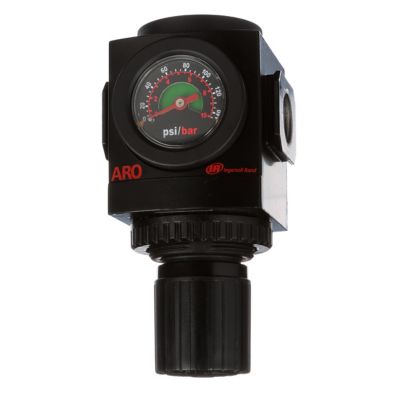
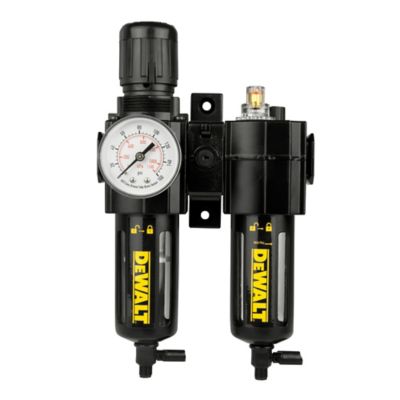
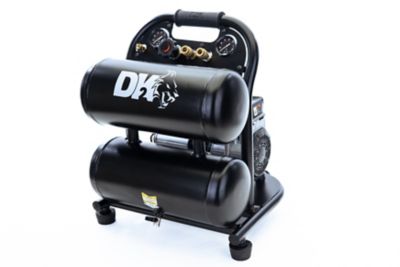
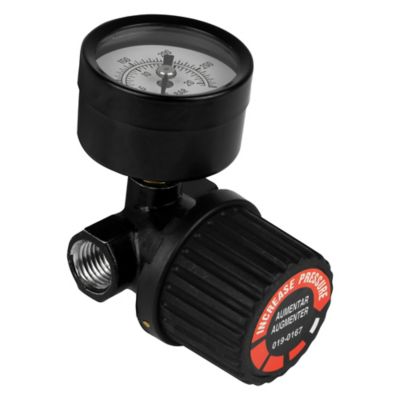
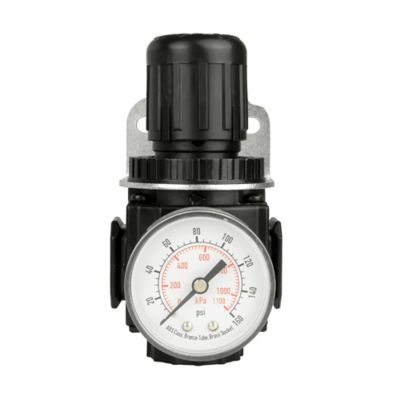
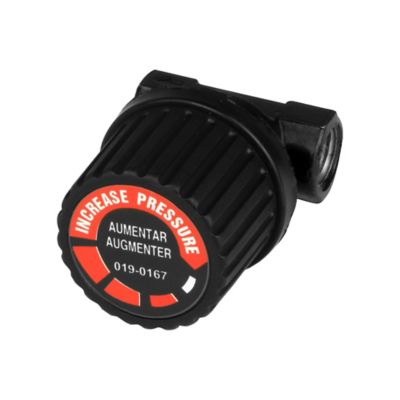
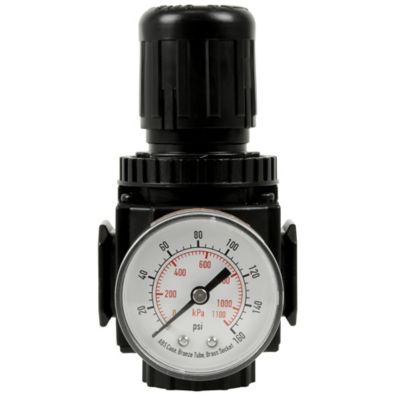
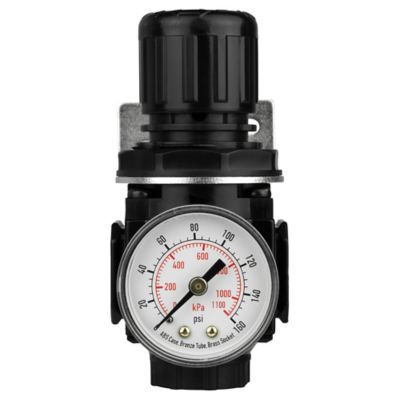
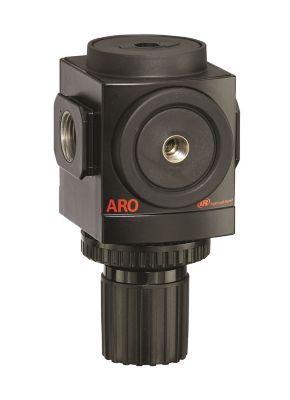
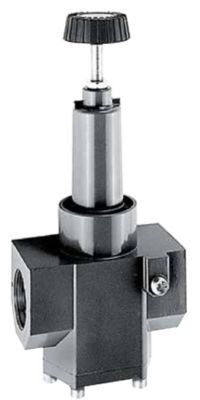
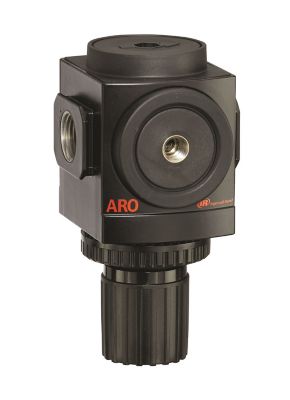
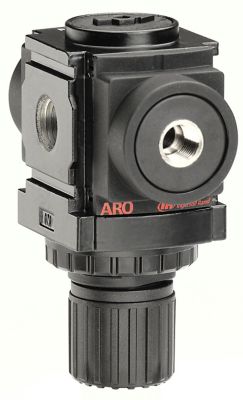
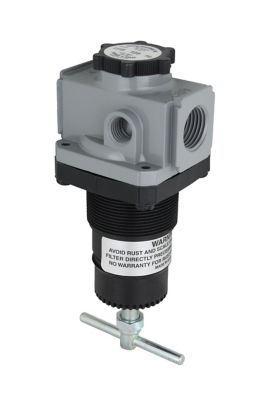
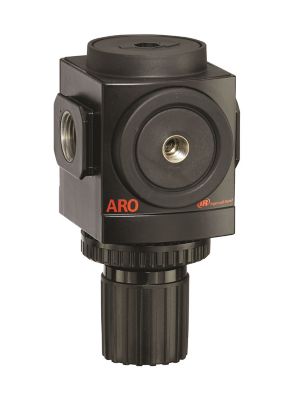
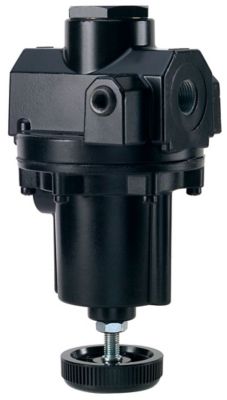
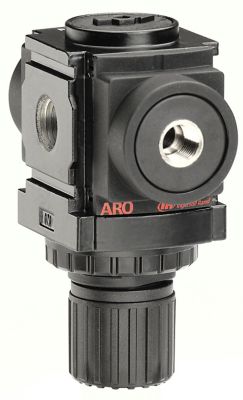
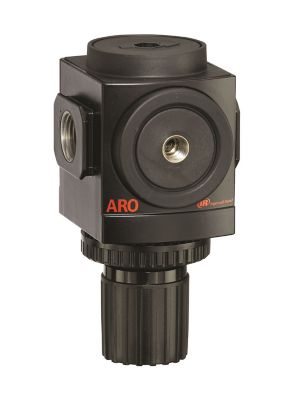
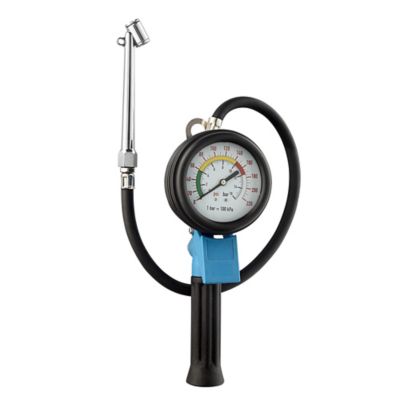
An air tank regulator lowers the pressure of stored compressed air and controls the pressure delivered to a connected tool or piece of equipment. It sits between the air supply and the working end of the system, helping turn stored air into a manageable supply for jobs around the shop, barn, or garage. Tank pressure and working pressure serve different purposes: the tank holds an air reserve, while the regulator sets the downstream pressure within its rated adjustment range. A regulator does not increase pressure, refill a tank, or replace a pressure relief valve. Its job is to manage delivery while enough supply pressure remains to support the selected setting. That distinction matters whether you are running a finish nailer at a workbench, supplying a spray gun, or connecting an air hose for equipment maintenance. Different tasks call for different pressure settings and airflow, so the right match depends on more than the number on the gauge. Air tank regulators may serve portable compressed-air tanks, compressor systems, or specialized high-pressure equipment, but those applications do not share interchangeable fittings or pressure ratings. A standard shop regulator should never be connected to a high-pressure cylinder unless it is expressly rated and approved for that inlet pressure and application. Paintball systems and medical gas equipment require purpose-built components; ordinary workshop regulators are not substitutes. For farm owners, mechanics, woodworkers, and folks keeping their own equipment running, the most relevant choices generally center on shop air and compatible portable tanks. A regulator on a portable tank can help manage delivery away from the compressor, though the usable air supply remains limited by tank capacity and pressure. At a fixed workbench, regulation closer to the tool can make it easier to match the setup to the task without changing the whole shop’s air supply. In either setting, the regulator belongs in a system whose tank, hose, couplers, gauges, and tools all have suitable ratings.
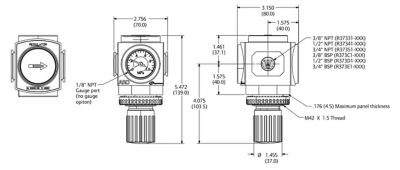
Fit starts with the air source’s maximum pressure, the regulator’s maximum inlet pressure, and the outlet range required by the connected equipment. An outlet gauge showing a suitable working range does not establish how much pressure the regulator body can safely accept. Manufacturer specifications provide that information, along with connection sizes, flow capacity, and installation requirements. Thread size and thread type both matter, and fittings that look close are not necessarily a match. National Pipe Taper threads, often listed as NPT, are common in shop air systems, but not every tank valve or air connection follows that pattern. Adapters also need appropriate ratings, and extra connections can add leak points and put more strain on a small assembly. Port size is another consideration, though a larger port alone does not guarantee enough airflow. Flow ratings, commonly expressed in cubic feet per minute or standard cubic feet per minute, need to be considered alongside the pressure conditions stated by the manufacturer. A nailer that fires in short bursts places different demands on an air system than a sander running continuously across a broad panel. If a tool runs weak while its trigger is held, the limitation may involve regulator capacity, hose length, restrictive couplers, or the compressor’s output rather than the pressure setting alone. Pressure readings taken while air is flowing give a more useful picture of delivery than a resting gauge by itself. For a broader look at components that manage pressure throughout a shop air system,
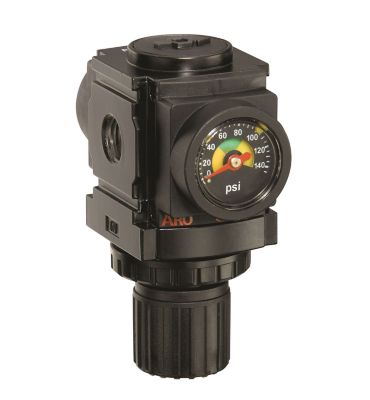
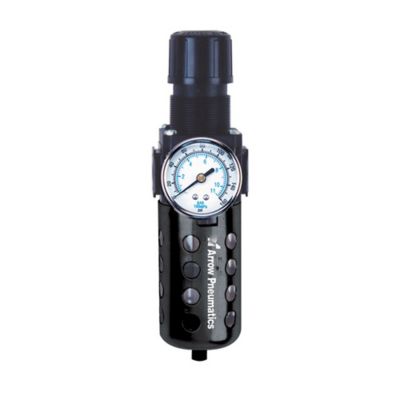
Air Pressure Regulators covers the same basic function across related setups. Adjustment knobs, locking features, gauge placement, and mounting options also affect everyday fit. A readable gauge and an accessible control are worth considering when the assembly will sit beside a crowded bench or behind a hose reel. Some configurations show both tank and outlet pressure, while others show only regulated pressure. Knowing which reading a gauge represents helps keep stored pressure separate from the pressure reaching the tool.
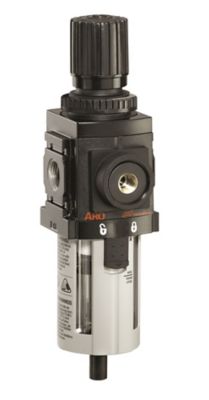
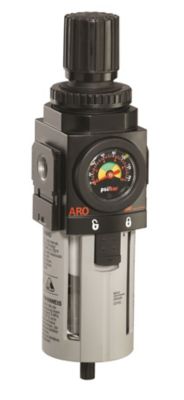
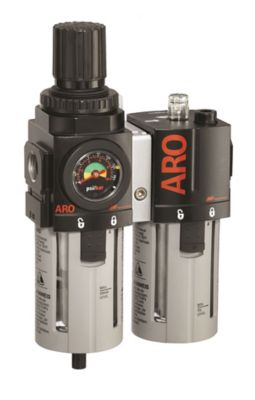
Materials and construction matter because a regulator has to contain pressure while handling the knocks and vibration that can come with shop work. Brass and aluminum are common body materials, while internal seals, diaphragms, springs, and valve parts vary by design. Body material alone does not establish suitability; the complete assembly’s pressure rating, air compatibility, and manufacturer requirements are what count. A compact regulator can suit a space-saving installation, but it should not become a handle for moving a tank or a support point for a heavy hose. Secure mounting and sensible hose routing help keep pulling force off threaded joints. Moisture and debris deserve attention as well. A basic regulator controls pressure; it does not automatically dry the air or remove contamination. Filter-regulator combinations add filtration, but their capabilities depend on the filter design, and a moisture separator is not the same as an air dryer. Spray finishing and other air-sensitive tasks may need additional treatment beyond pressure control. Care usually centers on keeping the assembly clean, checking for leaks and physical damage, and following the manufacturer’s service schedule. Before any fitting, gauge, or regulator is removed, the air supply must be isolated and trapped pressure safely released according to the equipment instructions. Damaged threads, cracked housings, sticking adjustments, or unexplained pressure changes call for attention before the setup goes back to work. Replacement seals and service parts must match the regulator rather than simply look similar. For someone outfitting a farm shop or replacing a worn pressure control, a well-matched regulator supports familiar jobs: fastening boards, maintaining implements, and supplying pneumatic tools at their specified working pressure. It can also be a practical gift for someone building out a workshop, provided the tank, connections, and tool requirements are known beforehand. The best fit is the one that suits the whole air system, leaves the controls easy to reach, and delivers the pressure and airflow the work calls for without pushing any component beyond its limits.