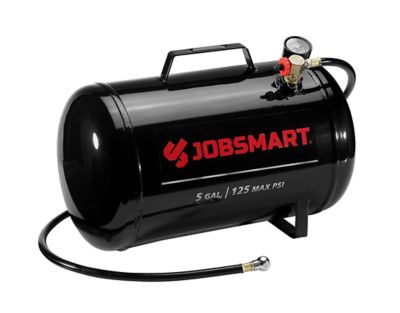
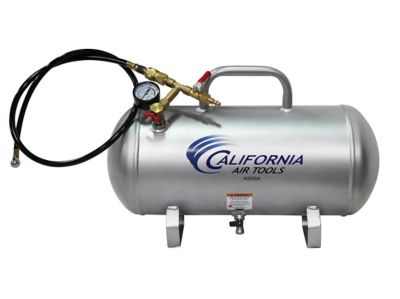
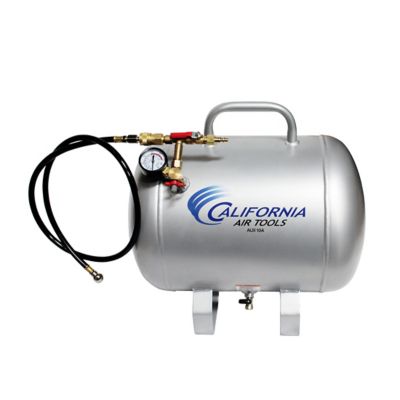
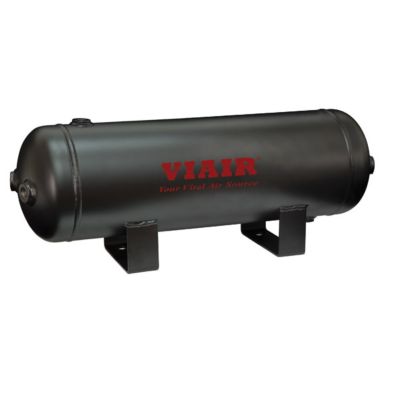
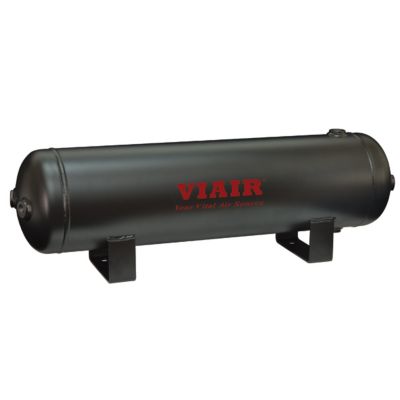
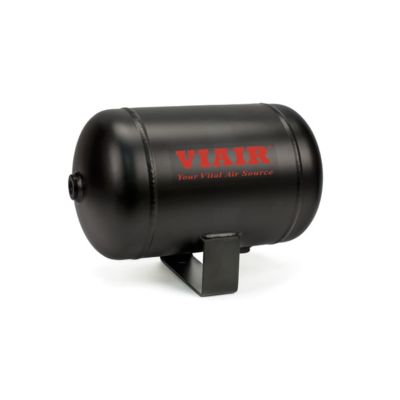
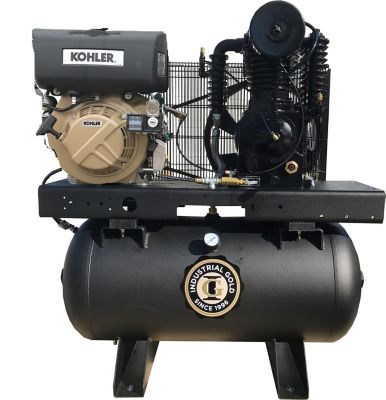
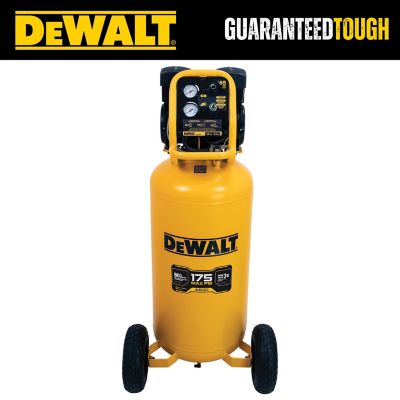
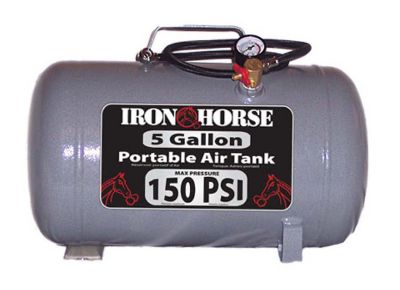
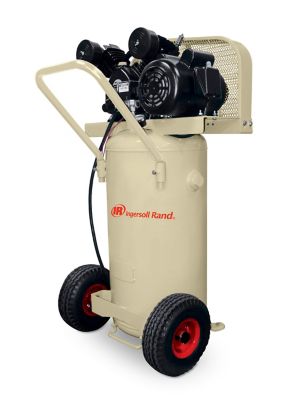
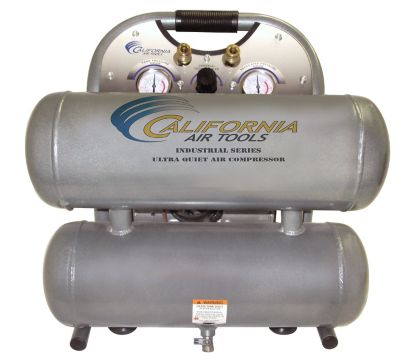
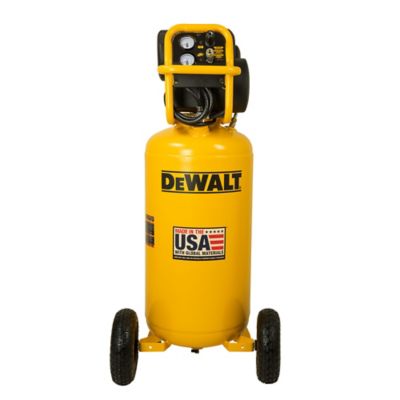
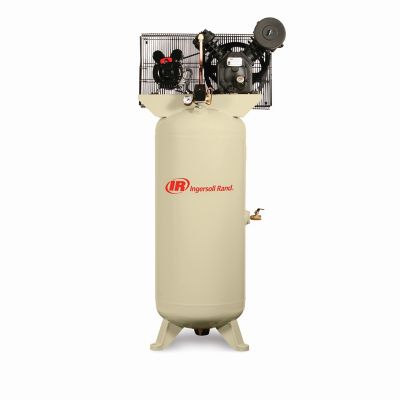
An air compressor tank gives compressed air a place to wait until your tools need it. That reserve can make a real difference when you are running a nailer, blowing dust from equipment, inflating tires, or handling other jobs that call for short bursts of air. Instead of relying on the pump to keep up with every trigger pull, the tank supplies stored air during peak demand and helps smooth out the pulsing that can come from a reciprocating compressor. It can also reduce how often the motor cycles on and off, which may help limit wear over time. Air compressor tanks come in several sizes and layouts, so the right choice depends on the work you do, the tools you plan to run, and the space available in your shop, garage, barn, or service trailer. Small portable tanks are handy for inflation, light cleanup, and jobs away from a permanent power source. A larger receiver tank can provide more reserve for repeated tool use, painting, sanding, fastening, and other tasks that use air steadily. Keep in mind that tank size is only one part of the setup. The compressor pump’s cubic feet per minute rating, the tool’s air consumption, the operating pressure, hose size, fittings, and duty cycle all affect performance. A big tank paired with a pump that cannot replenish it quickly may still run short during continuous work, while a smaller tank can be a practical fit for tools used in short bursts. Before buying a replacement or add-on air compressor tank, check the connection points, pressure rating, drain location, mounting requirements, and overall dimensions. Compatibility matters, especially when replacing a tank on an existing compressor. A tank should never be modified, welded, drilled, or used beyond its marked working pressure.
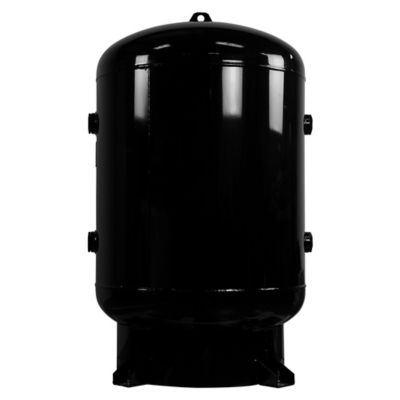
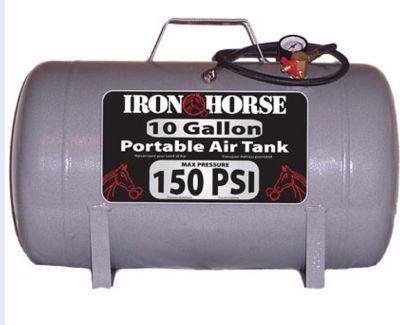
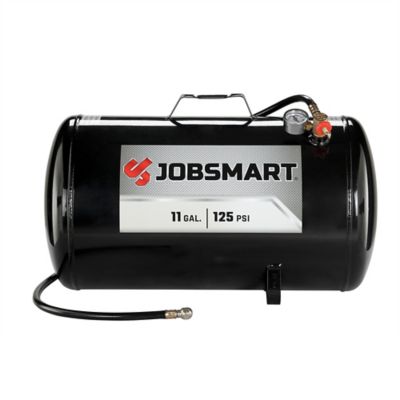
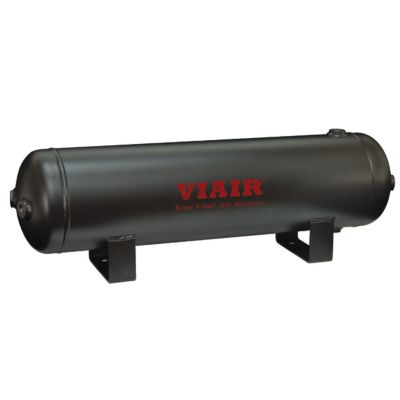
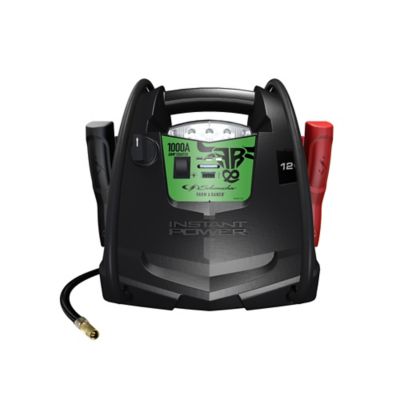
Portable air compressor tanks are useful for farm chores, roadside repairs, and work around a rural property where the job may be several hundred feet from the nearest outlet. A compact tank can be filled at the shop and carried to a pasture gate, equipment shed, trailer, or driveway for topping off tires and blowing debris from a hitch or implement. A larger horizontal tank often suits a permanent setup with a lower center of gravity and a footprint that works beneath a bench or along a wall. Vertical tanks are a good option when floor space is tight, since their taller shape uses more height and less room across the floor. That can leave more space for a workbench, feed storage, tool chest, or vehicle. When comparing air compressor tanks, measure doorways, ceiling height, and the path to the final location before delivery. A tank that fits the work area still needs enough room around it for inspection, draining, hose connections, and service. Think through the tools that will be used most often. Inflation and occasional blow-off work generally need less reserve than a spray gun, die grinder, impact wrench, or framing tool used repeatedly. For vehicle owners and travelers, a portable air setup can be a thoughtful gift for someone who spends time towing, hunting, hauling, maintaining a homestead, or keeping an older truck on the road. Those who work on tractors, lawn equipment, trailers, and fencing may appreciate having dependable compressed air close at hand, particularly during the cooler months when tire pressure changes and equipment cleanup remain part of the regular routine. For remote inflation tasks, a 12-volt setup may be more convenient than a shop-based tank; explore
12V Air Compressors when portability and vehicle power are priorities. No matter the size, use hoses and fittings rated for the pressure being supplied, secure portable tanks during transport, and keep air lines away from sharp edges, hot engine parts, and areas where livestock or vehicles could damage them.
Moisture management and regular inspection are important parts of owning an air compressor tank. Air drawn into the compressor contains humidity, and that moisture can collect inside the receiver as the air cools. Open the tank’s drain valve after use or according to the manufacturer’s instructions, allowing pressure to fall in a controlled manner while keeping hands and feet clear of the discharge. In damp conditions or during heavy use, the tank may need more frequent draining. Leaving water inside can encourage internal rust, reduce usable capacity, and eventually weaken the tank. A small drain extension or accessible valve can make this chore easier, but it should not interfere with safe operation. Look over the tank, welds, fittings, hoses, and mounting points for dents, corrosion, leaks, or other damage. Check that the pressure relief valve is present and not blocked, painted over, or stuck. Never remove or bypass a safety valve, and do not use a tank that shows serious corrosion, bulging, deep dents, or damage around a seam. Commercial or industrial receiver tanks should have the appropriate certification and a clearly marked maximum allowable working pressure, such as an ASME rating where required by the application or local code. Follow the manufacturer’s instructions for inspection intervals, pressure limits, installation, and service. Keep the tank in a dry, well-ventilated location, protect it from freezing water and harsh weather, and make sure it is set on a stable surface. With the right capacity, safe fittings, and a little routine care, an air compressor tank can make everyday work feel steadier and less hurried, whether the task is airing up a stock trailer, cleaning a combine cab, repairing a fence, or keeping the shop ready for the next job.