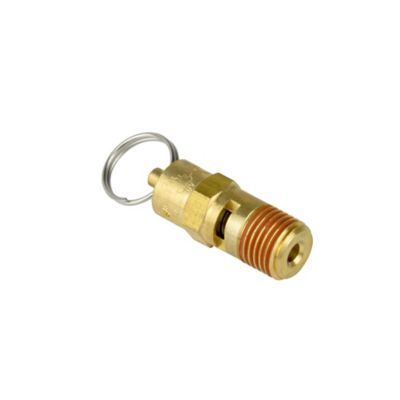
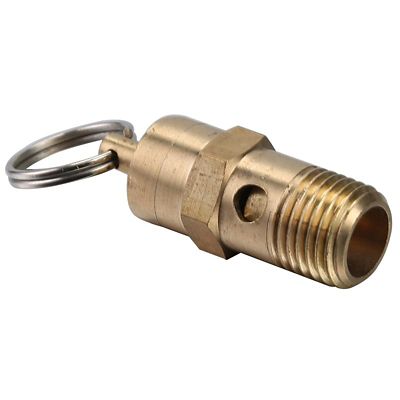
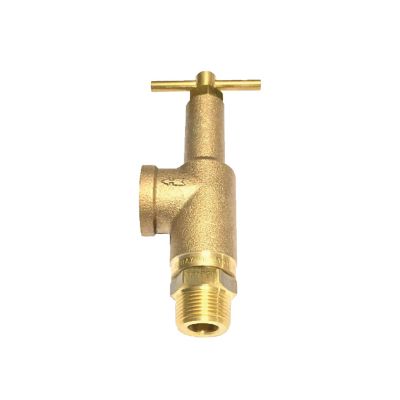
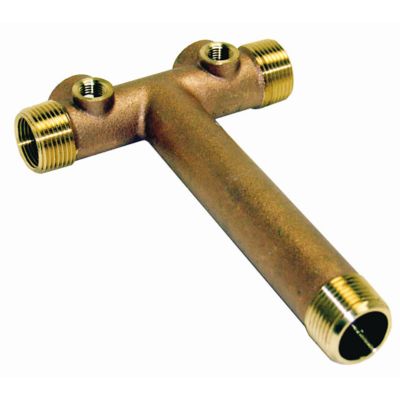
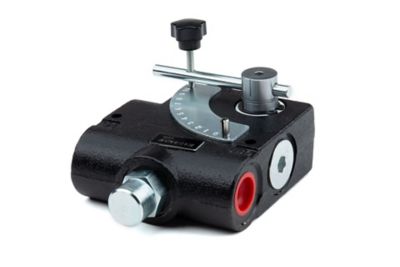
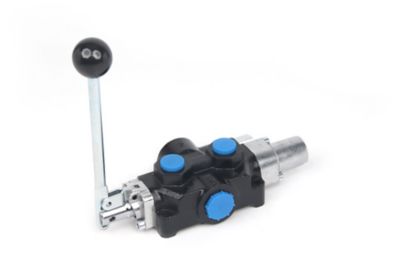
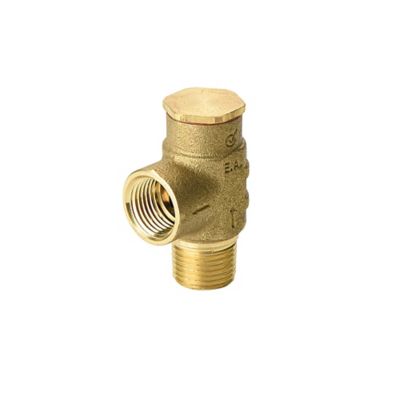
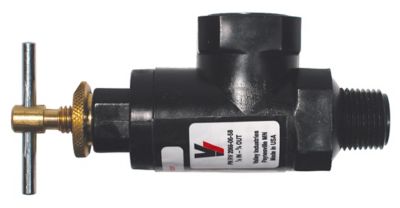
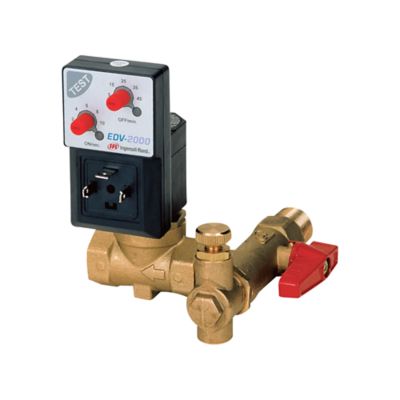
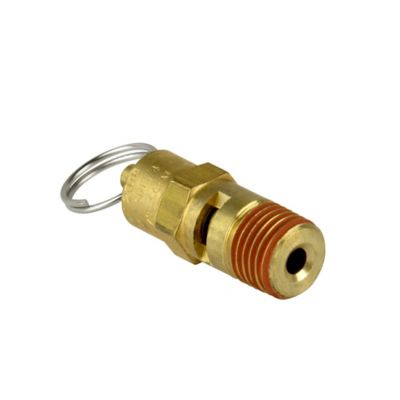
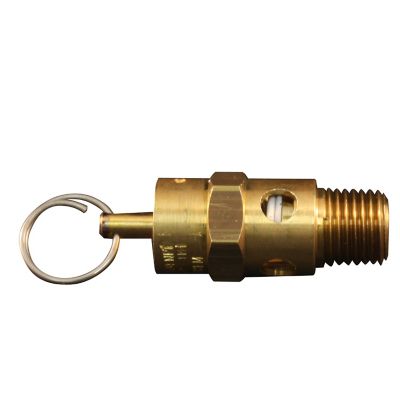
Air relief valves help keep pressurized water and fluid lines working the way they should by managing air that naturally collects inside the system. In a farm water line, irrigation run, well setup, pump discharge, or other piping system, air can gather at high points, bends, and changes in elevation. As that pocket grows, it may cause noisy operation, uneven flow, reduced pumping efficiency, surging, or extra strain on fittings and equipment. An air release valve is designed to automatically bleed off smaller amounts of trapped air while the line remains under pressure. Inside the valve, a float typically drops as air collects, opening an orifice so the air can escape; once water reaches the valve, the float rises and closes the opening. This simple action can make a noticeable difference in a long run of pipe crossing a pasture or following the slope of a field. Air and vacuum relief valves serve a related but different purpose. Their larger openings allow a high volume of air to leave during startup and enter the line when a system shuts down, drains, or loses pressure. Letting air back in helps prevent a vacuum from forming, which can collapse or damage piping and may help reduce the chance of dirty water, soil, or other debris being pulled backward through the line. Combination air valves bring both functions together, releasing smaller pockets of air during normal operation while also handling the larger air movement that occurs when a line fills, empties, or starts up. When shopping for air relief valves, consider the job from the ground up: the type of system, the fluid moving through it, the operating pressure, the pipe size, and the location where the valve will be installed all matter.
Choosing the right valve starts with matching its pressure rating and connection style to the existing piping. Check whether the line uses threaded, flanged, or another connection, and measure carefully rather than guessing from appearance. A valve that fits the pipe but is not rated for the system’s pressure, temperature, or flow conditions may not perform safely or reliably. The valve’s orifice size is also important. Smaller orifices are commonly used for continuously releasing air from a pressurized line, while larger orifices are needed when a system must move substantial volumes of air during filling, draining, or sudden pressure changes. Combination designs can be useful where one valve location needs to handle more than one part of the cycle. Materials deserve attention, especially on farms and around livestock. Look for construction suited to the fluid and environment, such as corrosion-resistant components where moisture, fertilizer residue, treated water, or outdoor exposure may be present. A valve installed outside should also be considered alongside freezing conditions. Water left inside a valve or nearby section of pipe can freeze and expand during the cooler months, so placement, insulation, drainage, and seasonal maintenance may all be part of a dependable setup. Air relief valves are often installed at high points in a pipeline, near pump discharge lines, at long uphill runs, or wherever the layout naturally invites air to collect. An isolation valve below the air valve can make inspection or replacement easier, while a stable, upright installation helps the internal float operate as intended. Always follow the valve manufacturer’s instructions and local plumbing, irrigation, or livestock-water requirements, and shut down and depressurize the system before servicing. Air relief valves are meant to manage trapped air and vacuum conditions; they are not a substitute for equipment designed to protect a system from excessive fluid pressure. For that separate job, review
Pressure Relief Valves and select protection suited to the pressure source and equipment involved.
These valves can be useful for a wide range of people who maintain water and fluid systems around a property. A grower may use them on irrigation piping that runs from a pump to distant rows, where changing elevation creates several places for air to settle. Someone caring for livestock may install one on a long water line serving tanks across a pasture, helping the line fill more evenly and reducing the hammering and sputtering that can happen when air moves through the pipe. They may also be used with well systems, transfer pumps, greenhouse irrigation, spray equipment, drainage-related piping, and other pressurized applications where automatic air management supports smoother operation. For a small homestead, the right valve can be part of keeping a water system dependable through muddy ground, heavy use, and changing temperatures. For a larger operation, properly placed valves may help protect pumps, fittings, and pipe from unnecessary stress while making startup and shutdown more predictable. Before adding one, trace the entire line and note high spots, low spots, shutoff points, pump locations, and areas that are hard to reach once equipment is running. Listen for gurgling, banging, uneven spray, fluctuating pressure, or slow filling, since those signs may point to trapped air or another issue that needs attention. A valve should not be used to cover up a blocked filter, undersized pipe, leaking fitting, failing pump, or poorly adjusted system. Keeping the surrounding area clean, checking for leaks, and inspecting the discharge opening for dirt or mineral buildup can help maintain normal operation. Seasonal care is especially helpful as outdoor systems move from warmer weather into cooler conditions: drain exposed sections when appropriate, protect vulnerable components from freezing, and check that insects, dust, and field debris have not clogged the venting area. With the right size, connection, material, and valve style, air relief equipment can be a practical addition for anyone who wants steadier flow and less trouble from trapped air in farm, ranch, irrigation, or utility piping.