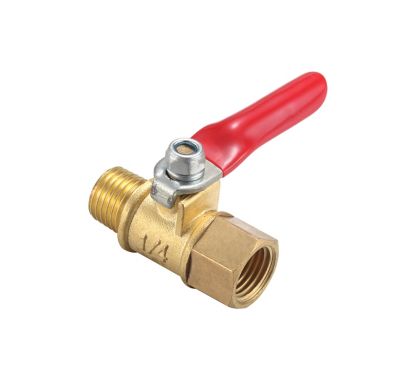
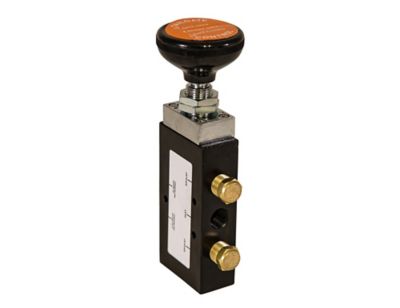
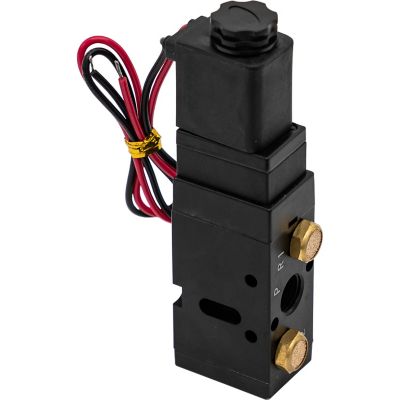
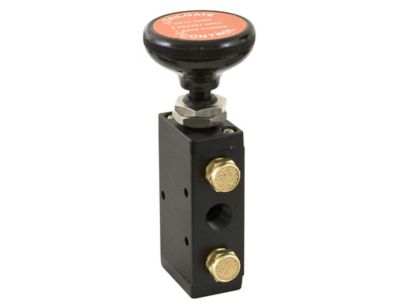
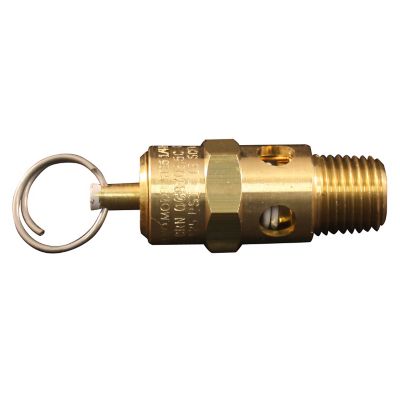
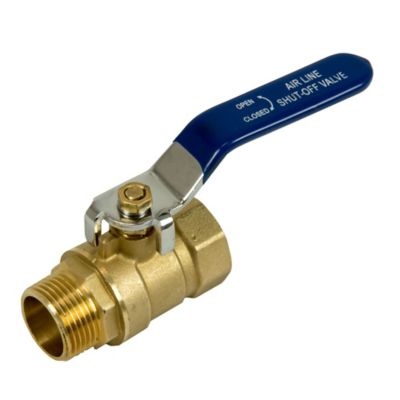
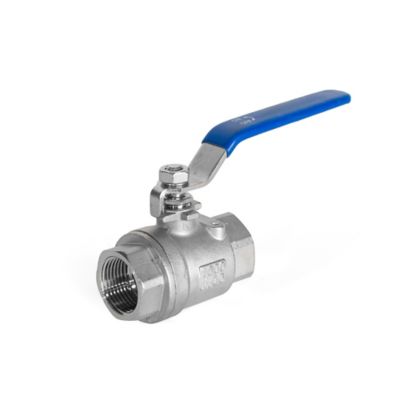
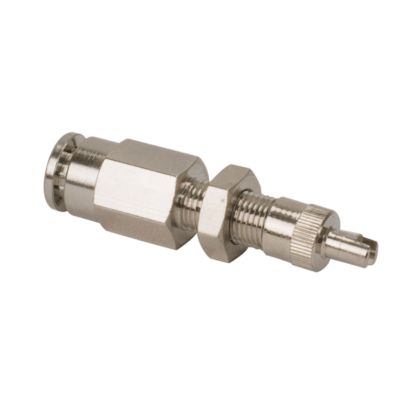
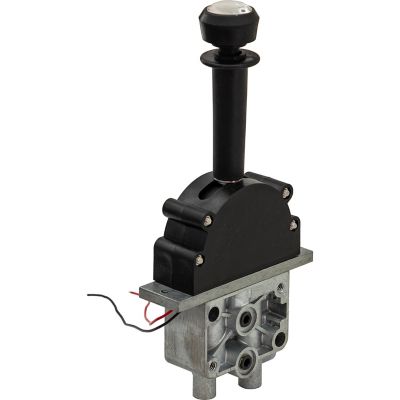
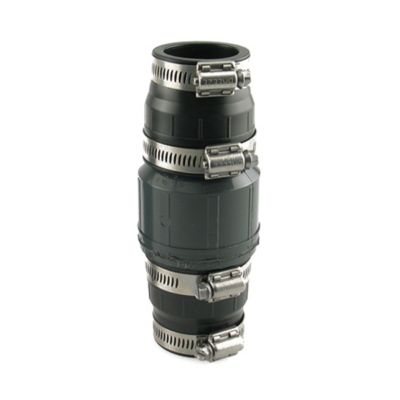
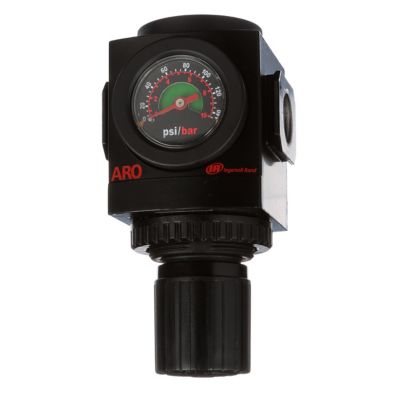
Air inlet valves control the passage of air into a machine, tank or other system. Depending on the design, they may open and close automatically, respond to a control signal or provide a connection for adding compressed air. The name covers several different jobs, so the equipment and the valve’s function matter more than the name alone. At a compressor’s intake, an inlet valve admits air into the compression mechanism; in some compressor designs, an inlet assembly also regulates incoming airflow to help match output to demand. A tank-filling valve serves a different purpose, admitting compressed air into a receiver through a charging connection. Engine intake valves, meanwhile, admit air or an air-and-fuel mixture into a cylinder and then close to allow compression and combustion. These parts are not interchangeable, even when their descriptions sound similar. Around a farm shop, garage or equipment shed, choosing the appropriate air inlet valve can be part of maintaining a compressor, keeping a portable air tank ready for tire work or servicing an engine according to its manufacturer’s specifications. A small valve can have a noticeable effect on how that equipment behaves. An inlet that does not open properly can restrict airflow, while a sealing problem can interfere with pressure retention or normal operation, depending on where the valve sits in the system. For someone running air tools at the workbench or tending equipment between chores, the goal is a valve that matches the machine’s requirements and performs its assigned job without creating another problem down the line. That means looking beyond a similar shape or familiar connection and considering what enters the valve, what makes it open and what it needs to seal against when closed.
Fit starts with the equipment specifications, including the connection style, dimensions, pressure range and operating mechanism. Thread diameter alone does not establish compatibility. Thread pitch, taper, sealing surface and engagement length all affect whether a connection fits correctly, and different thread standards should not be forced together. Some connections seal at the threads, while others depend on an O-ring, gasket or shaped seat. The proper sealing method helps protect both the valve and the component it attaches to. Space matters, too: a valve body may need clearance from a tank wall, motor housing, guard or nearby tubing, and a charging connection needs enough room for the matching air chuck or fitting. Airflow requirements deserve the same attention as physical size. A passage that is too restrictive can limit performance even if the valve screws into place, while an incorrect control arrangement can prevent equipment from operating as intended. Depending on the application, valve bodies and internal components may include brass, steel, stainless steel, aluminum and compatible sealing materials. The best material choice depends on exposure to moisture, compressor oil, cleaning agents and other conditions specified for the equipment. Brass can suit many air fittings, stainless steel may be appropriate where corrosion resistance is important, and aluminum can reduce weight in certain assemblies. None of those materials makes a valve suitable for every job. Seal composition, spring characteristics and internal construction also influence service life and performance. Engine applications bring their own fit requirements, including stem diameter, valve length, head dimensions and seat geometry. Compressor controls may require a particular actuator, control connection or operating range. Manufacturer documentation and equipment identification help sort out those details, especially when a worn part has little readable information left on it. A close visual match is a starting point, not confirmation that the replacement belongs in that machine.
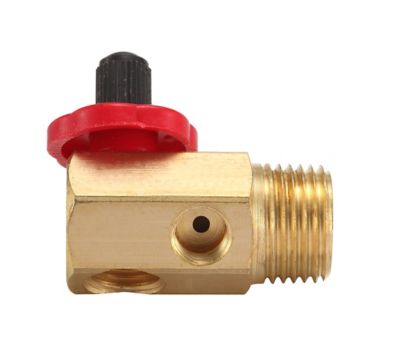
Day-to-day care centers on keeping dirt out, watching for changes in operation and protecting connections from unnecessary strain. In a working shop, fine dust can settle around an intake, and an uncovered charging fitting can collect grit from a bench, toolbox or truck bed. Appropriate intake filtration and protective caps, where specified, help keep that material away from sealing surfaces. Hoses and fittings should not put sideways force on a small valve stem or body, and a portable tank needs handling that protects its exposed connections from knocks. Signs such as persistent hissing, slower filling, unusual cycling or reduced airflow call for attention, but they do not identify the inlet valve as the cause by themselves. A clogged filter, leaking hose, faulty control or another worn component can produce similar symptoms. Replacement decisions make more sense when the whole air path and the equipment’s service information are considered together. For compressor and tank work, disconnecting power, isolating the air supply and fully relieving stored pressure are essential before opening pressure-containing connections, with the manufacturer’s service procedures governing the work. A compressor may restart automatically, and a tank can retain pressure after the motor stops. An inlet valve also should not be mistaken for a pressure-relief valve or assumed to replace a separate check valve; each component has a defined role in the system. When the job involves a receiver’s filling connection or related tank hardware,
Air Tank Valves can help narrow the search toward that part of the setup. Whether the equipment supports tire maintenance, shop tools or routine machinery upkeep, a well-matched inlet valve helps keep the air path working as designed. The most useful choice is the one with the right function, fit, materials and service requirements for the equipment already doing the work.