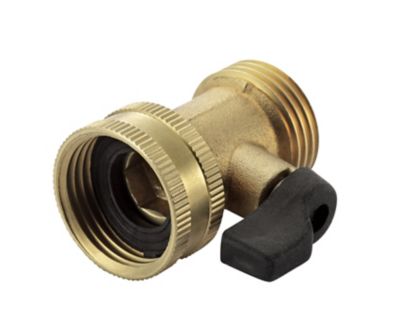
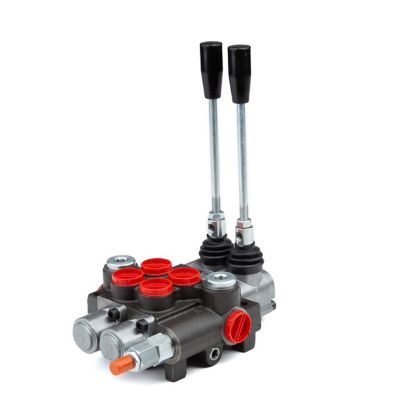
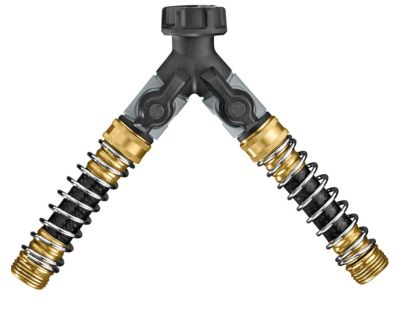
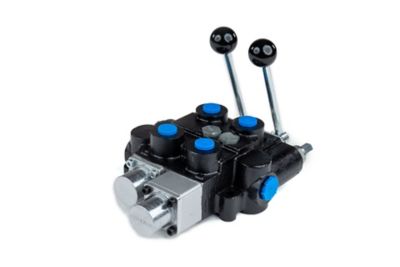
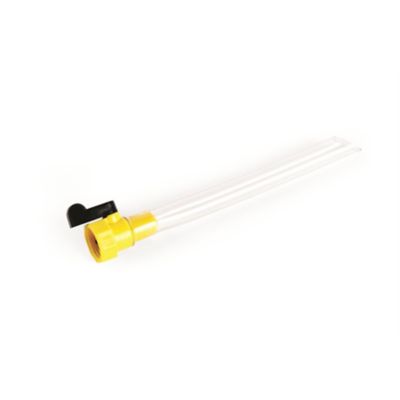
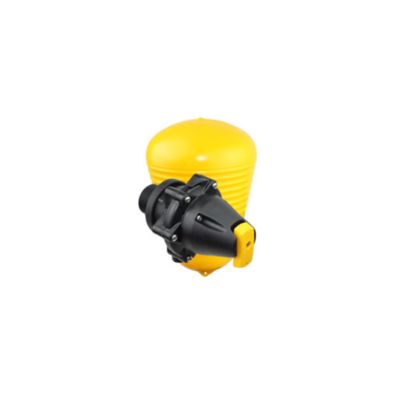
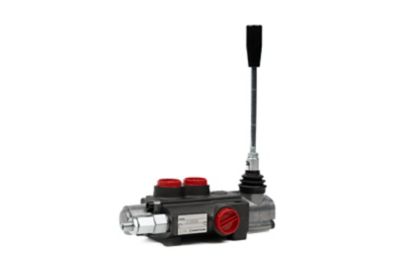
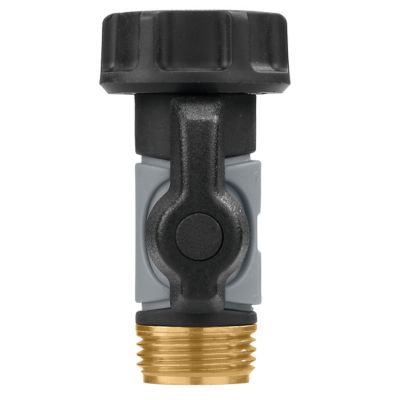
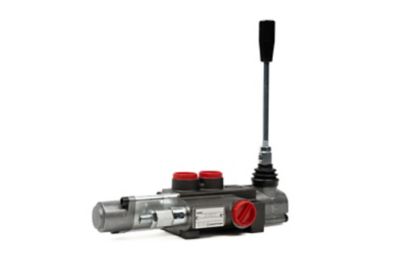
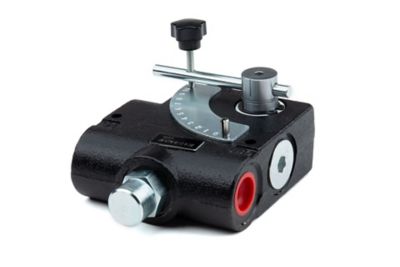
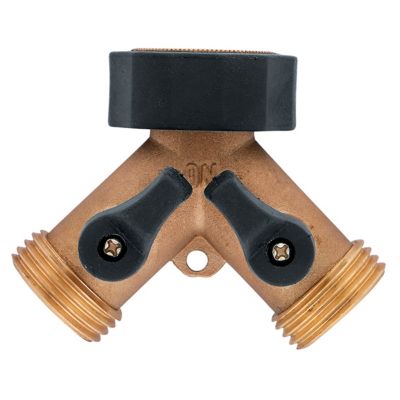
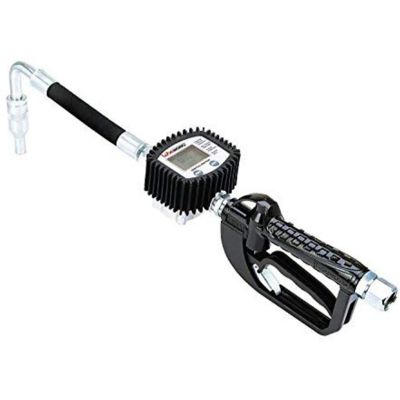
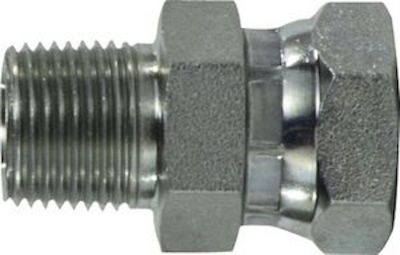
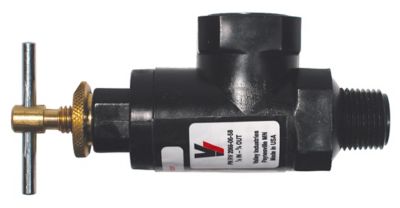
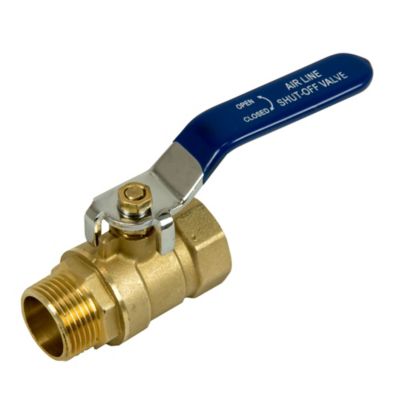
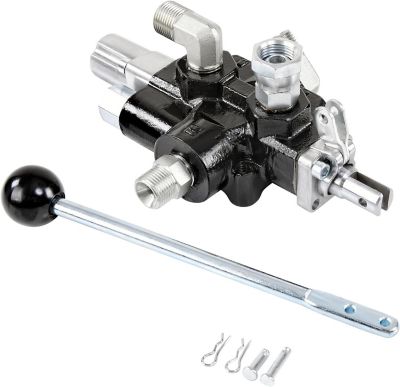
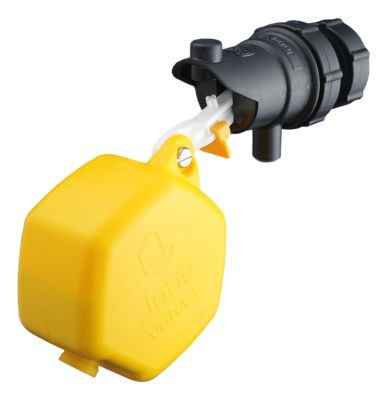
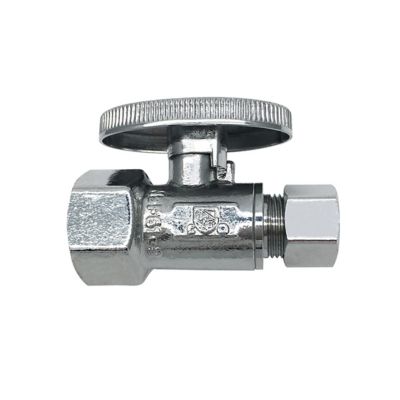
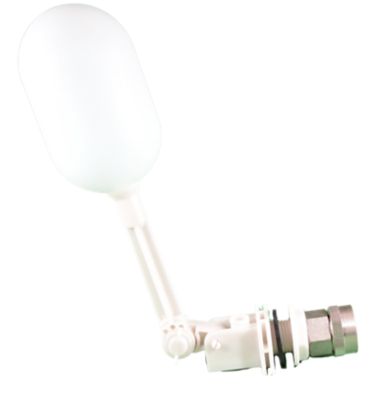
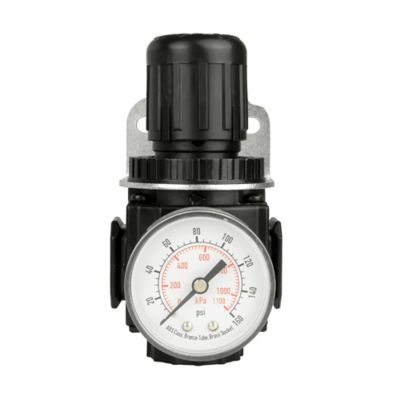
When you’re working with hydraulics or pneumatics around the farm, shop, or jobsite, flow control valves are the unsung heroes that keep your equipment running smooth and steady. These handy devices help manage the speed, volume, and direction of fluids—whether that’s oil in a tractor’s hydraulic system, water in an irrigation setup, or air in a pneumatic tool line. Folks rely on flow control valves to fine-tune everything from loader arms and dump beds to sprayer booms and log splitters. They’re especially important when you need to keep things moving at just the right pace, like lowering a bale spike gently or making sure a grain auger doesn’t run too fast and spill your hard work. With pressure-compensated options, you can count on a steady flow even if the system pressure jumps—say, when a heavy load shifts or a pump kicks in. Needle valves and proportional valves give you even more control, letting you dial in the perfect setting for whatever task is at hand. As the days start to cool off and harvest season gets underway, you’ll want your equipment working reliably, and swapping out a worn flow control valve can be a quick fix that saves you from bigger headaches down the line.
Whether you’re a seasoned rancher, a weekend tinkerer, or helping out with a community project, flow control valves are a solid investment for anyone running machines that rely on precise movement. They’re a practical buy for folks fixing up older gear or upgrading a new piece of equipment, and they make a thoughtful gift for the mechanically minded—think of the friend who’s always helping neighbors troubleshoot their tractor or the family member setting up a backyard greenhouse. When choosing a flow control valve, it’s important to match the valve type and size to your system’s needs. Consider the kind of fluid you’re moving, the pressure and flow rate required, and how much adjustability you want. If you’re running air lines or pneumatic tools, you might also want to check out
Air Control Valves for even more ways to keep things running just right. No matter your setup, a good flow control valve helps you get the job done safely and efficiently, with less wear on your equipment and more peace of mind as you tackle projects through the changing seasons. From prepping fields to winterizing machinery, having the right flow control means you’re ready for whatever comes next.