Air control valves help manage the movement of air in two very different kinds of systems, so the right choice starts with knowing where the valve will be used. In fuel-injected vehicles, an idle air control valve—often called an IAC valve—regulates the air that bypasses the closed throttle plate while the engine is idling. The engine computer uses that controlled airflow to help keep the engine running smoothly as conditions change, such as when the air conditioner turns on, the transmission is shifted, or the vehicle is started cold. A worn, dirty, or failing valve may be associated with a rough or fluctuating idle, stalling when coming to a stop, hard starting, or an engine that will not hold its idle without added throttle. A check engine light may also appear, although several different engine or sensor issues can cause similar symptoms. Carbon and dirt buildup around the valve and throttle body can restrict airflow, especially on vehicles that see plenty of dust, short trips, or stop-and-go driving. Cleaning may be appropriate in some situations when recommended for the vehicle, but a valve that is electrically faulty, damaged, or no longer responding to computer commands generally needs to be replaced. Before ordering an automotive air control valve, match the part to the vehicle’s year, make, model, engine size, and fuel system, then compare the original connector, mounting points, air passages, and operating design. A close match is important because even valves that look alike may have different electrical characteristics or fitment details. It also pays to inspect related hoses, wiring, gaskets, and throttle components rather than assuming every idle problem comes from the valve. Following the vehicle maker’s service instructions and disconnecting power when required can help protect both the vehicle and the person doing the work.
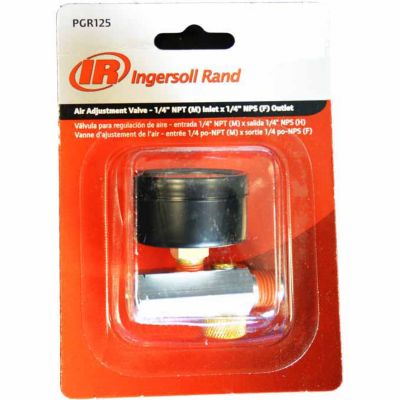
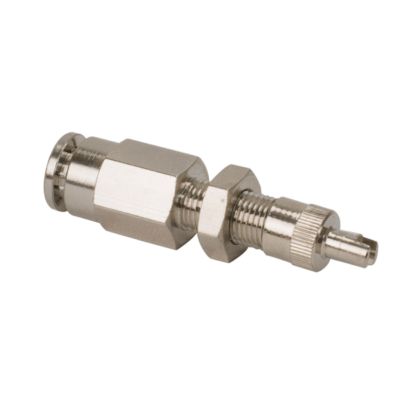
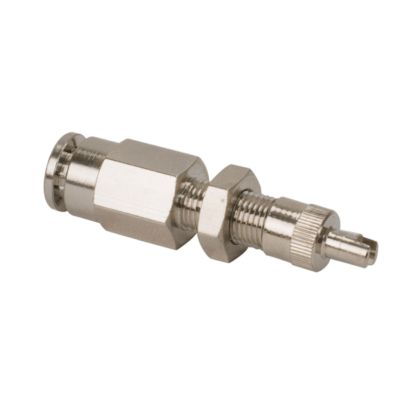
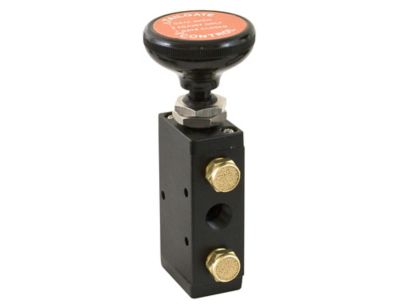
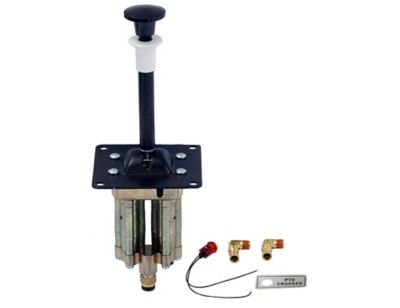
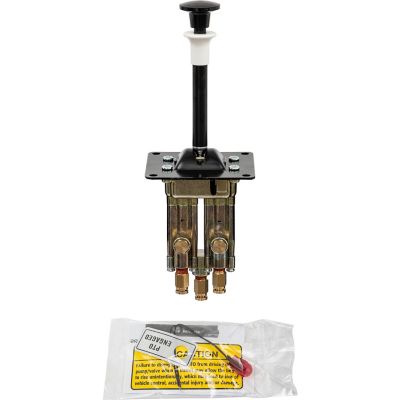
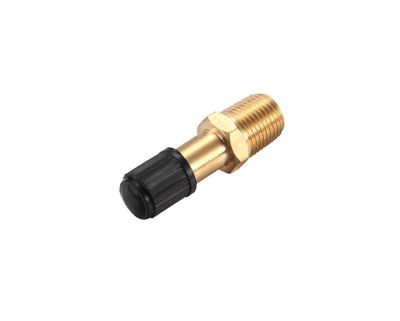
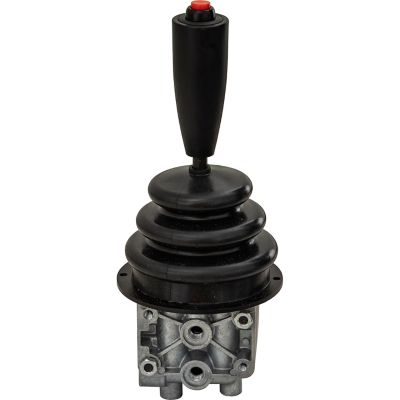
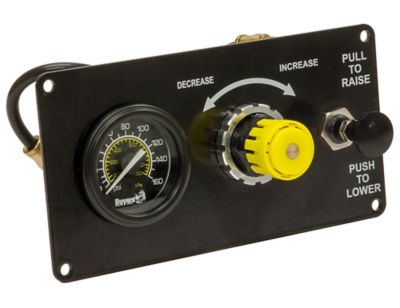
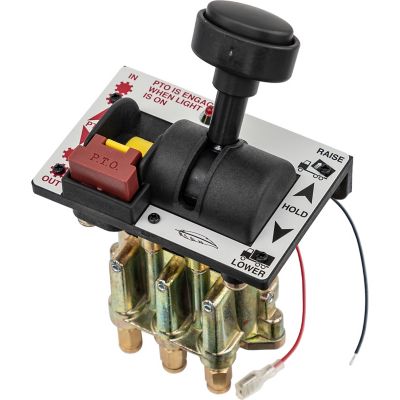
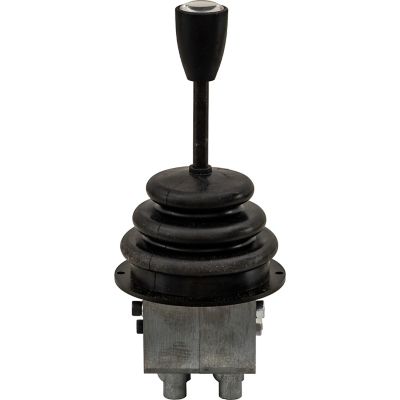
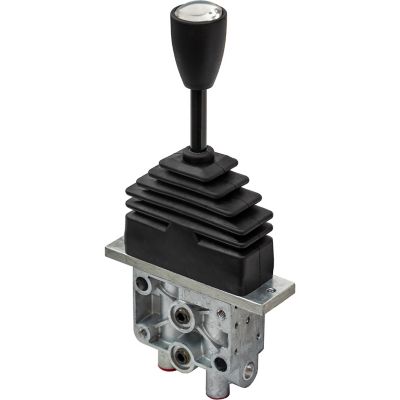
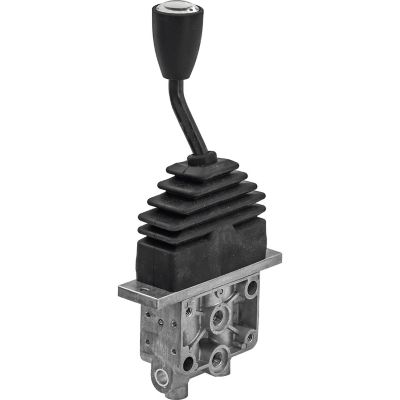
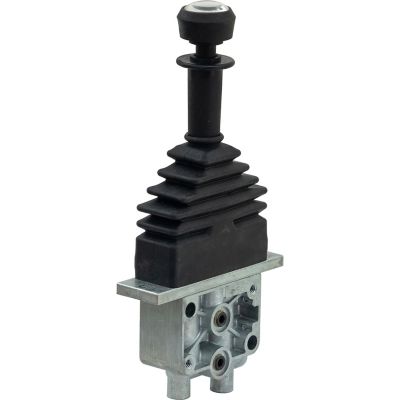
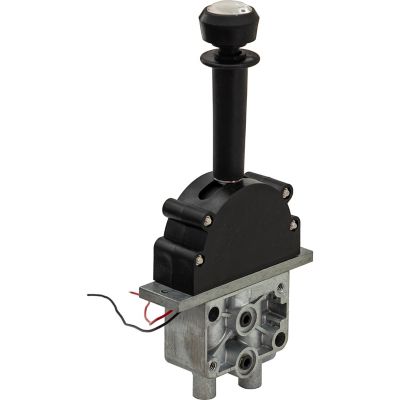
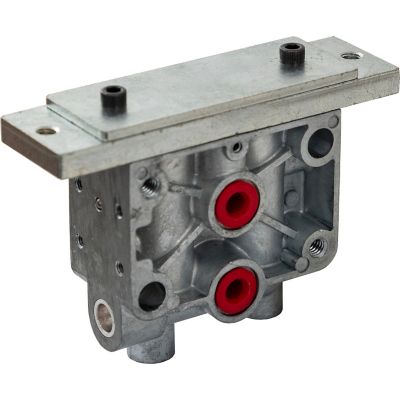
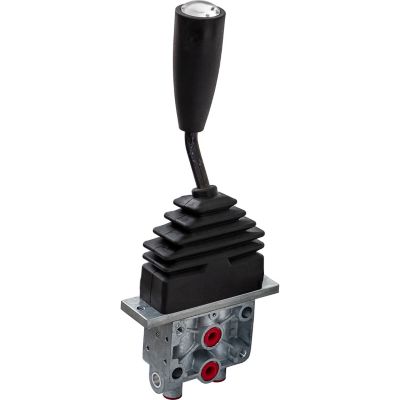
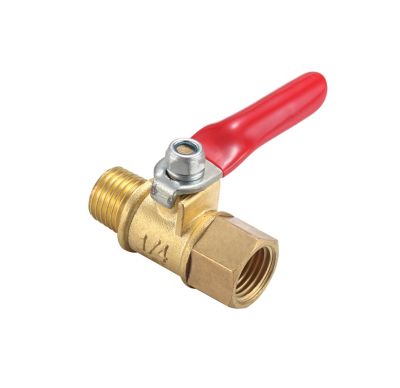
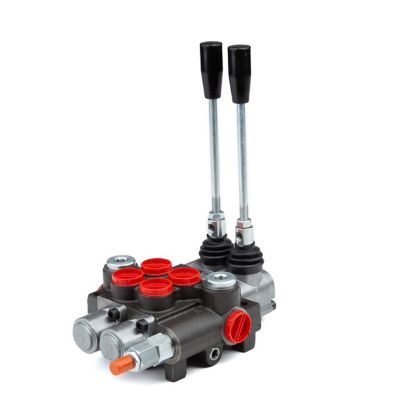
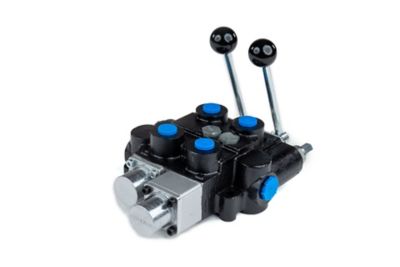
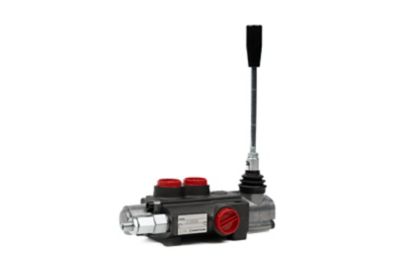
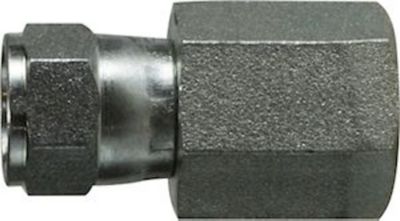
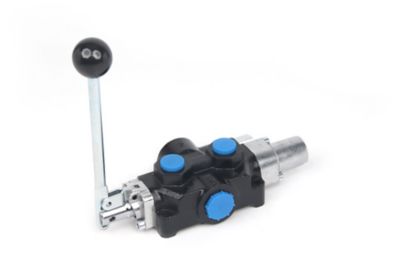
In shop, farm, garage, and light industrial setups, an air control valve serves a different purpose: it directs compressed air through a pneumatic system to operate cylinders, actuators, clamps, lifts, gates, and air-powered equipment. Depending on the design, a valve may control the path, pressure, or volume of air, allowing an operator or control system to start, stop, extend, retract, or sequence moving parts. Three-way, two-position valves are commonly used with single-acting cylinders, while four-way or five-way configurations can alternate supply and exhaust paths for double-acting cylinders. Some are operated by hand, foot, or mechanical lever, while solenoid-operated versions use an electrical signal to shift the valve. The number of ports and positions matters, as does the normal position the valve returns to when power or air is removed. When choosing one, check the valve’s port size, thread type, pressure range, flow capacity, temperature range, actuation method, voltage, and compatibility with the rest of the air system. The compressor and existing tubing should be able to supply the volume and pressure the application needs; a valve with the wrong flow rating can make a cylinder move slowly, fail to complete its stroke, or behave inconsistently. Thread sealant, fittings, silencers, regulators, filters, and exhaust controls may also affect how well the setup works, but each accessory must be suitable for compressed-air service. Keep in mind that port labels and connection styles are not always interchangeable, even when the openings appear close in size. Taking a quick photo of the old installation, noting the port markings, and measuring the tubing before shopping can save a trip back to the parts counter. For a dusty barn, welding area, or open-sided shop, choosing components suited to the environment can help reduce trouble from dirt, moisture, vibration, and temperature swings.
Air control valves are useful replacement and maintenance parts for farmers, mechanics, equipment operators, service technicians, and do-it-yourselfers who keep vehicles and machinery working through long days and changing weather. A pickup that idles poorly at the feed store, a utility vehicle that struggles to stay running on a cool start, or a pneumatic fixture that no longer moves with its usual steady rhythm can all point to an air-management problem that deserves careful attention. During warmer weather, added electrical and cooling loads can make idle control issues more noticeable, while cooler conditions can expose hard-starting or air-flow problems that were easy to overlook. In a working shop, routine checks can include looking for air leaks, loose fittings, cracked hoses, contaminated filters, damaged wiring, and moisture in the lines. Shut off the compressor, release stored air pressure, and disconnect electrical power before servicing pneumatic valves or removing connections. Never place hands near a moving cylinder or use compressed air to blow dust from clothing or skin. For vehicle repairs, let hot components cool and use the correct service information for the particular engine. A replacement valve is best selected as part of the whole system, not by appearance alone: verify fitment, port arrangement, control method, pressure or airflow requirements, and the intended application. Some shoppers need an automotive idle air control component, while others need a manual or solenoid pneumatic valve for a compressor-powered setup. Keeping those uses separate makes it easier to narrow the selection and avoid ordering a part that cannot communicate with the vehicle computer or cannot handle the demands of the air circuit. If your project calls for controlling incoming air rather than regulating idle airflow or routing compressed air, browse
Air Inlet Valves for another category to consider. With the right match, an air control valve can help bring back a steady engine idle, dependable actuator movement, and smoother day-to-day operation around the farm, garage, or shop.