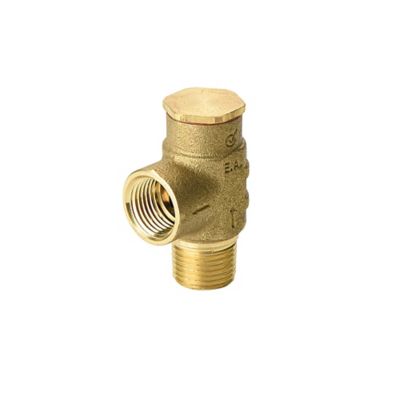
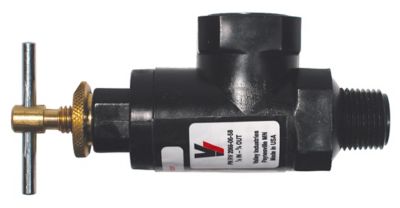
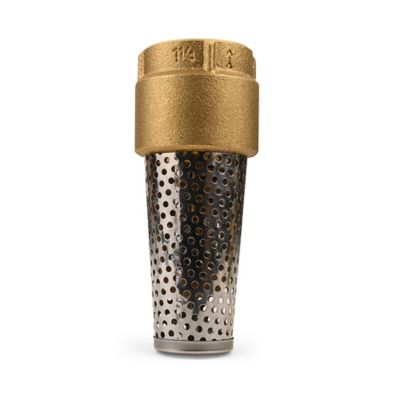
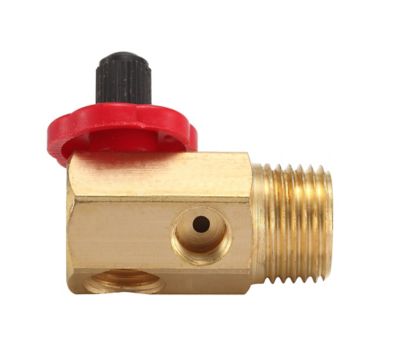
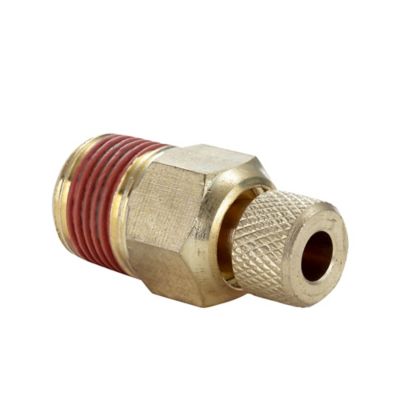
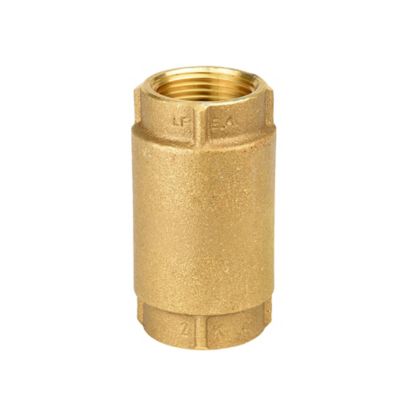
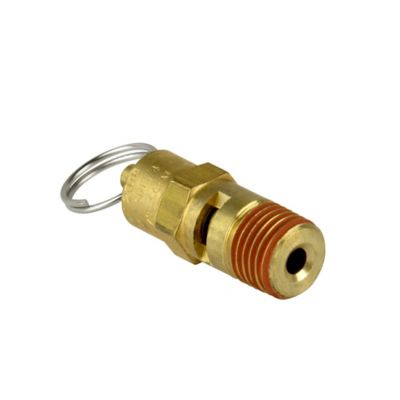
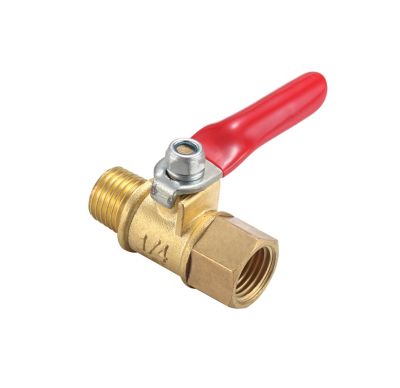
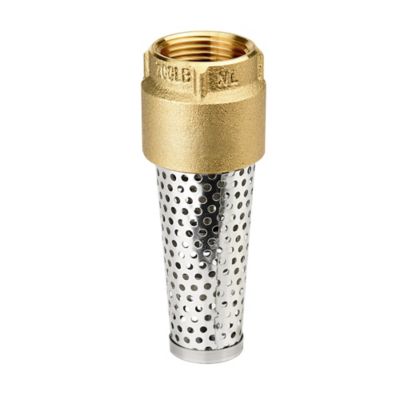
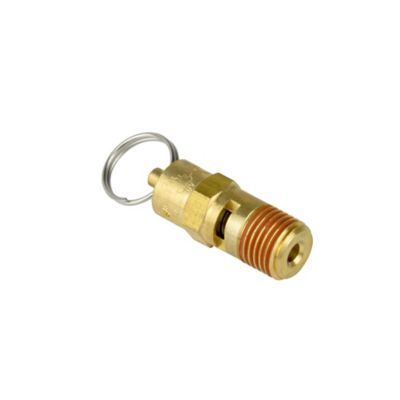
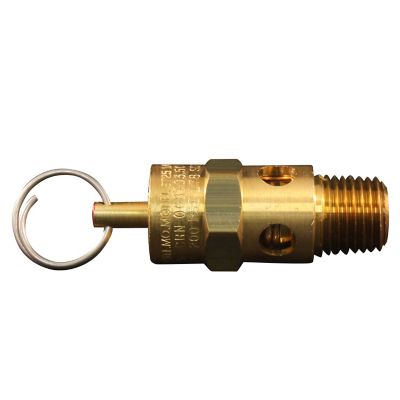
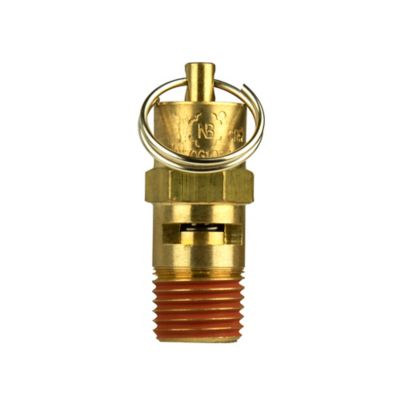
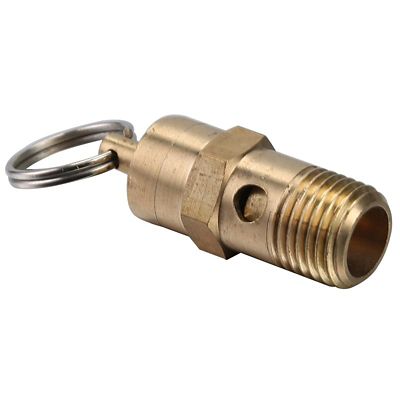
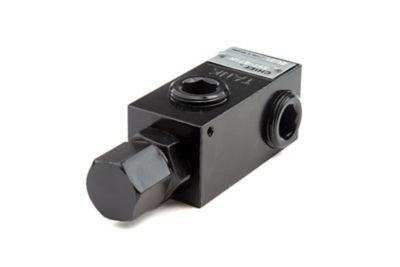
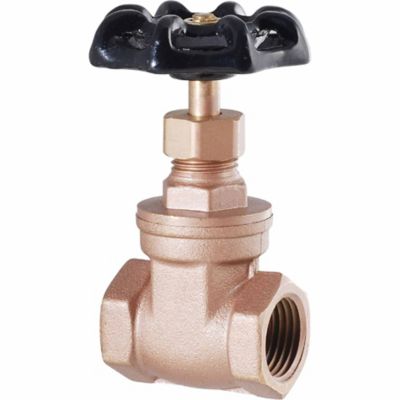
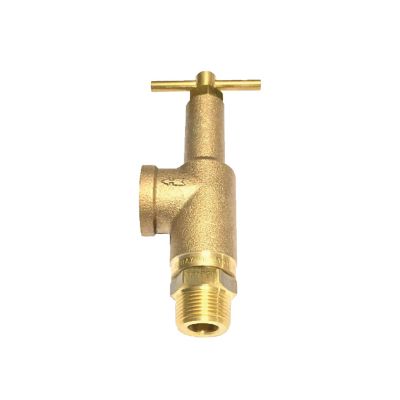
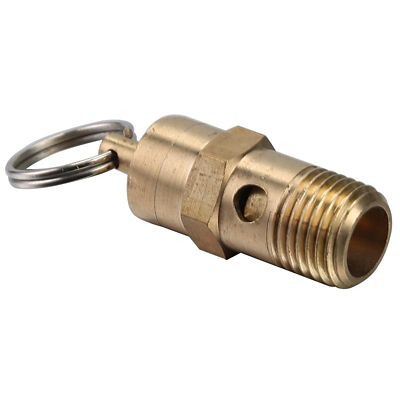
Brass relief valves are compact safety parts that help protect equipment and plumbing from pressure that climbs too high. They are commonly used on air compressors, well water systems, pressure tanks, water heaters, boilers, irrigation setups, and other sealed systems where pressure needs a dependable way to escape. When internal pressure reaches the valve’s preset limit, the valve opens automatically and releases air, water, or another compatible fluid until the pressure returns to a safer range. That simple action can help reduce the risk of damaged tanks, burst fittings, leaking connections, and costly downtime. For a farm shop, a pressure washer setup, a rural home with a well, or a small maintenance crew, a properly matched relief valve is one of those parts that may sit quietly for years but matters greatly when the system is under strain. Before choosing one, identify the equipment it will protect and check the manufacturer’s requirements for maximum allowable working pressure. Common pressure ratings may range from about 30 PSI to 175 PSI, but the correct setting depends entirely on the system. A valve with too high a rating may not open soon enough to protect the equipment, while one rated too low may open during normal operation and cause nuisance discharge. Look for the pressure rating stamped on the existing valve, tank, compressor, or system documentation, and never guess when a pressure vessel or heated water system is involved. Connection size matters just as much. Many relief valves use National Pipe Thread, or NPT, connections in sizes from 1/4 inch to 3/4 inch, with larger options available for higher-flow applications. Match the inlet thread size and connection style to the port on the equipment, and confirm whether the valve is designed for air, water, steam, or another medium. A solid brass body is often chosen for its strength and corrosion resistance in common plumbing and light-duty applications. Internal springs, seats, and seals also affect service life, especially where the valve is exposed to heat, chemicals, outdoor moisture, or frequent pressure changes. Silicone and Viton-style seals may be suited to different temperature and fluid conditions, so the seal material should agree with the system rather than being treated as a one-size-fits-all detail.
A brass relief valve is generally installed at a designated pressure outlet, with the discharge path kept clear so released air or water can move safely away from people, wiring, electrical controls, animal areas, and finished surfaces. Shut down and depressurize the equipment before removing an old valve, and use the proper thread sealant only where the equipment instructions allow it; sealant pushed into the valve opening can interfere with operation. The valve should be installed in the orientation recommended by its manufacturer, tightened without over-torquing, and checked for leaks after the system is brought back up to pressure. Never plug, cap, or block the discharge opening, and never install a shutoff valve between a pressure vessel and its required safety relief device unless the complete system is specifically designed and approved for that arrangement. On an air compressor, the relief valve helps vent excess tank pressure if normal controls fail. On a well water system, it can help protect the pressure tank, pump, and piping from a high-pressure spike. On a water heater or boiler, thermal expansion can raise pressure even when no faucet is running, making the correct temperature and pressure relief equipment especially important. Heated-water applications may require an ASME-rated or otherwise code-compliant valve, and local plumbing, mechanical, or electrical rules can vary, so check the equipment manual and consult a qualified professional when required. These valves are not a substitute for a pressure switch, regulator, expansion tank, or other controls; they work as a safety backup and need to be selected as part of the full system. During routine maintenance, inspect for corrosion, mineral buildup, damaged threads, seepage, or signs that the valve has opened. A small drip can point to debris, wear, thermal expansion, or a pressure problem that needs attention. Do not force the lever or test a valve casually on a hot, pressurized, or hazardous system. Follow the manufacturer’s testing instructions, and replace a valve that fails to reseat, leaks after activation, or shows physical damage. For a cleaner service area, a drain valve can help empty or flush equipment during maintenance; browse
Brass Drain Valves for related connections and drainage needs. Whether you are maintaining a stock-tank supply, setting up a compressor in the barn, or caring for a well system as cooler weather arrives, choosing the right brass relief valve starts with accurate pressure, thread, temperature, and fluid information. Keep the system specifications handy, match the valve to the equipment’s required rating, and treat this small brass fitting as an important part of keeping pressure where it belongs.