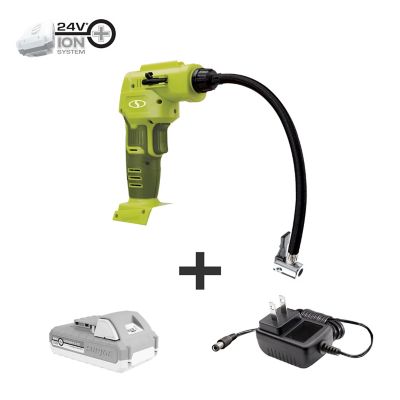
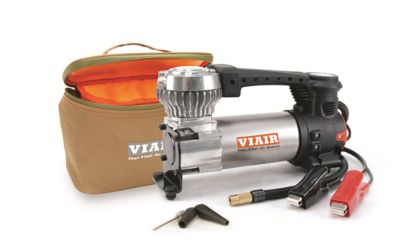
Air compressors for a home garage put compressed air within reach for tire inflation, pneumatic fastening, automotive repairs and equipment upkeep. The right fit depends on the air tools doing the work, the space around the workbench and how much sound the household can comfortably live with. A compact portable compressor can suit occasional inflation and short bursts from a brad nailer, while tools that run longer often need more airflow and a larger air reserve. Cubic feet per minute, commonly listed as CFM or SCFM, describes airflow; pounds per square inch, or PSI, describes pressure. Both matter, but a high maximum PSI rating alone does not mean a compressor can keep an impact wrench or sander working steadily. Comparing the compressor’s delivered airflow at the tool’s required operating pressure gives a more useful picture of the pairing. Many pneumatic tools have ratings at 90 PSI, though the tool manufacturer’s requirements remain the deciding factor. With
Air Tank Compressors, stored air helps handle brief bursts of demand before the pump needs to replenish the supply. A larger tank can stretch those bursts, but it cannot make up for a pump that delivers less air than the tool consumes over time. That distinction matters when moving from topping off a mower tire to tackling a stubborn fastener or running a tool across a broad surface. Impact wrenches and ratchets often work in intervals, while sanding, grinding and spraying can place a steadier load on the air supply. Duty cycle matters, too: it describes how much operating time the compressor is designed to handle within a stated period. A setup with some airflow headroom can leave breathing room for longer tasks without making every job a cycle of working, stopping and waiting for tank pressure to recover.
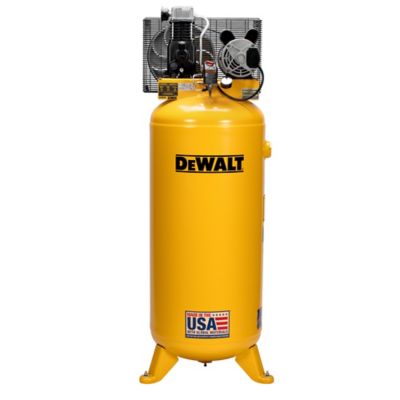
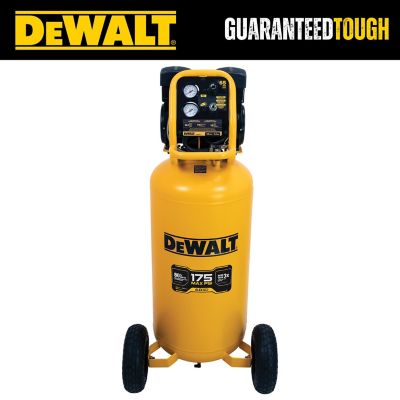
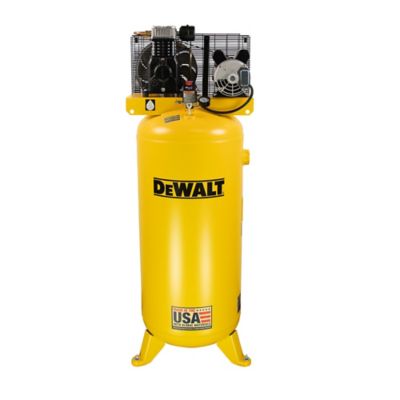
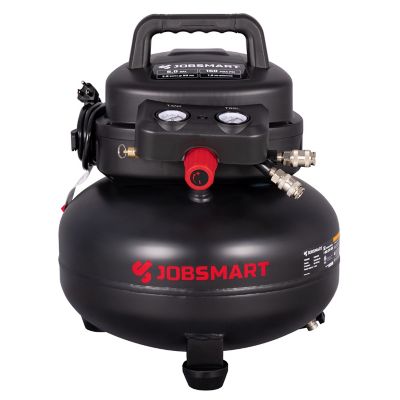
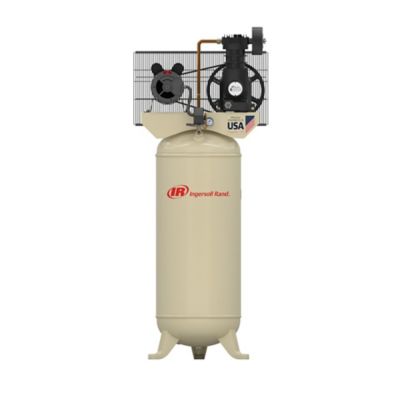
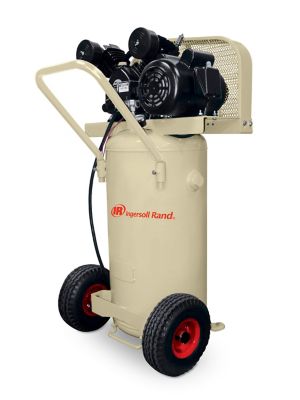
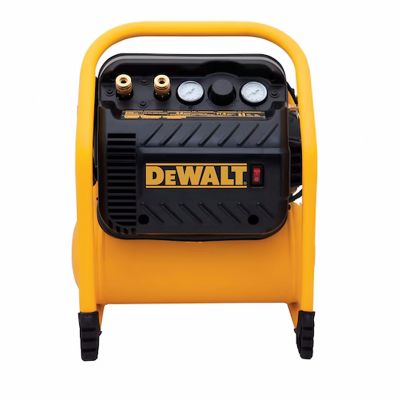
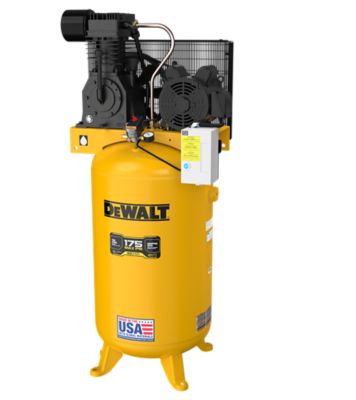
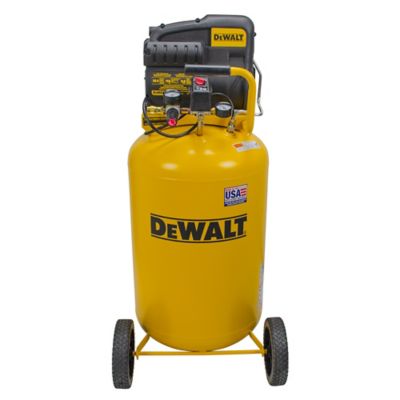
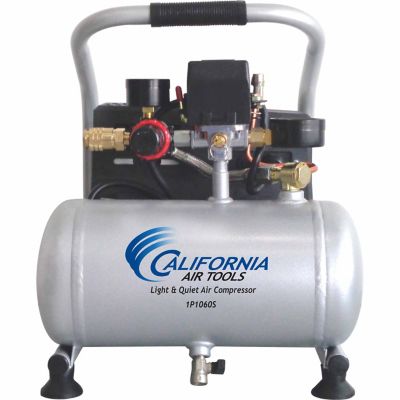
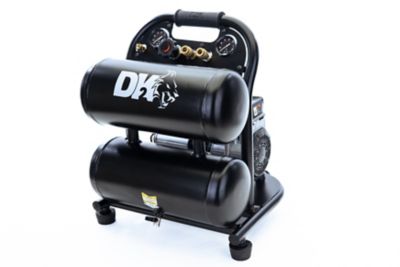
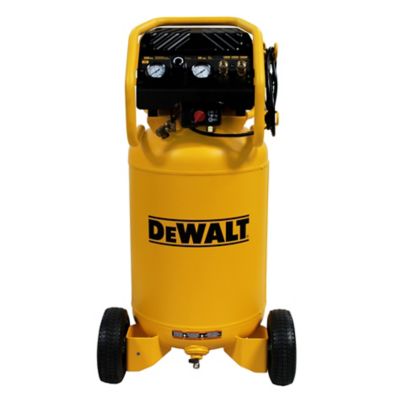
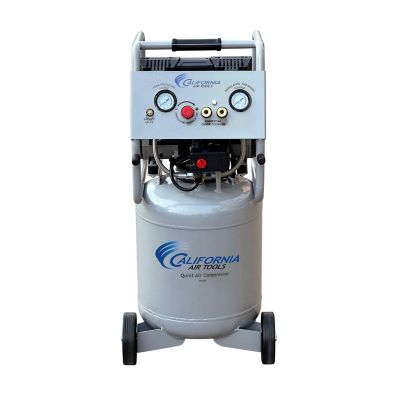
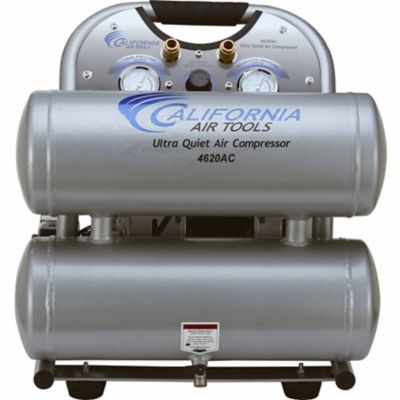
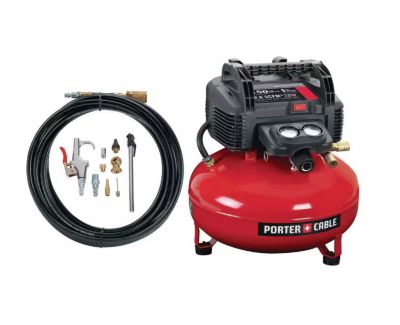
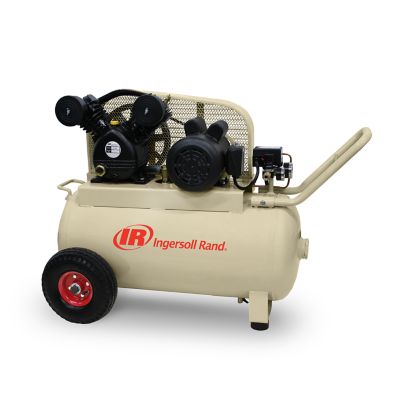
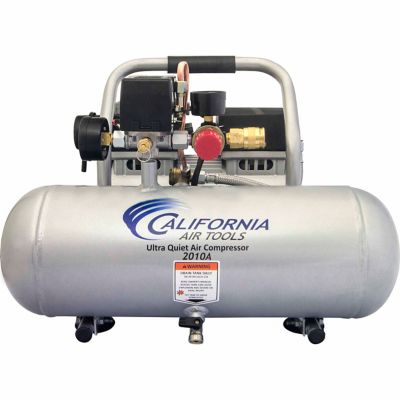
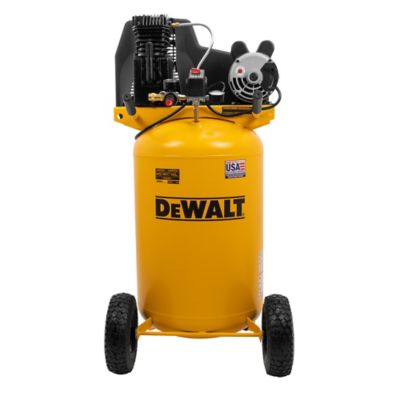
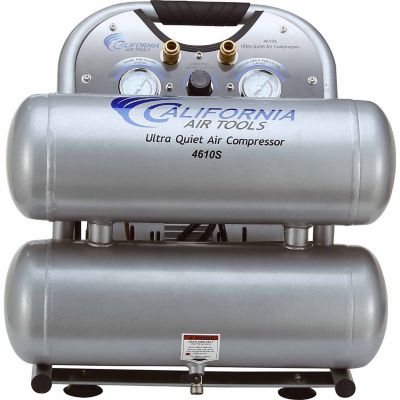
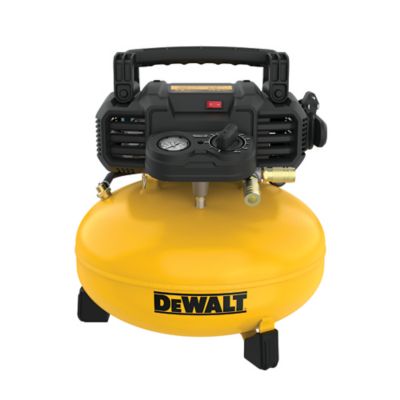
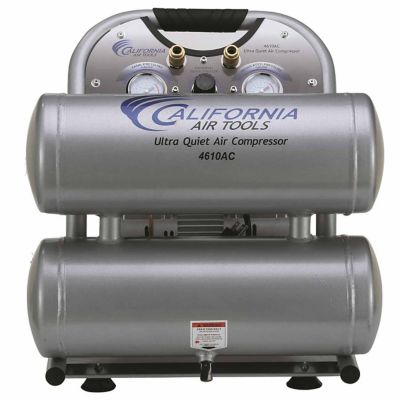
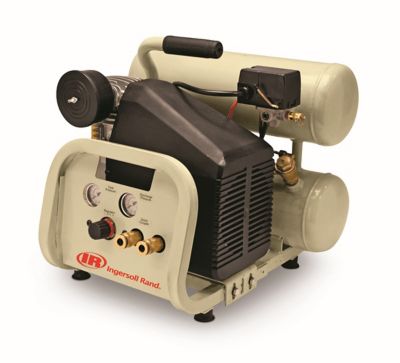
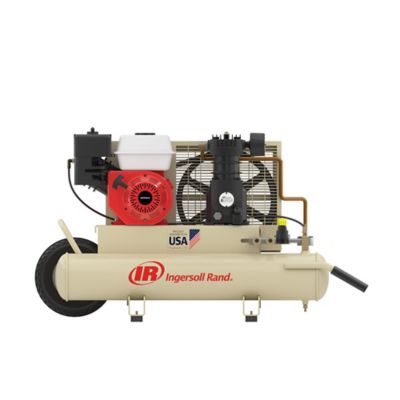
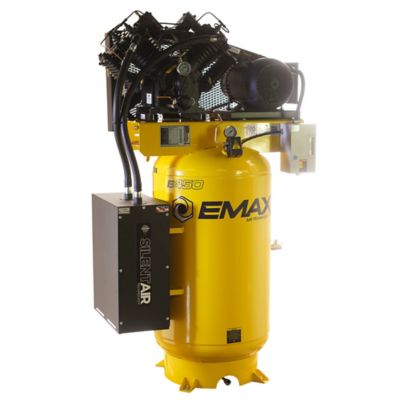
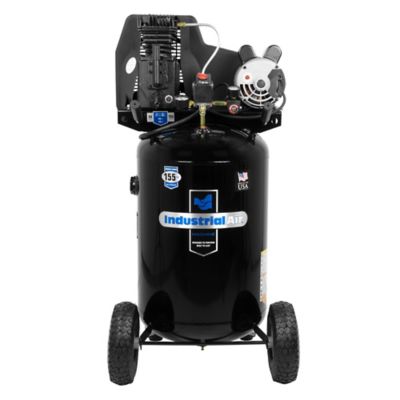
Garage space has a way of filling up fast, so compressor shape and placement deserve as much attention as tank capacity. Upright designs keep more of the tank above the floor, while horizontal layouts may fit beneath shelving or alongside a bench when the manufacturer’s clearance requirements allow it. Compact pancake and hot dog styles are easier to carry between a garage, shed and project area, though tank shape alone does not tell the whole story about output. Overall weight, handle placement, wheel size and balance all affect how manageable a portable compressor feels crossing a concrete seam or rolling over a doorway threshold. A stationary unit needs a suitable installation location, room for ventilation and access to drains and service points. Electrical requirements also vary. Some compressors operate on a suitable household circuit, while others call for a dedicated circuit or a different voltage; matching the outlet, circuit and manufacturer’s installation instructions helps avoid a frustrating mismatch. A longer air hose may provide reach without an extension cord where the manufacturer recommends that arrangement. Hose length and inside diameter affect pressure loss, especially with higher-demand tools, so connections and airflow deserve attention alongside reach. Quick-connect fittings make tool changes simpler, but matching plug profiles, thread sizes and pressure ratings keeps the whole setup working together. Sound is another everyday consideration, particularly in an attached garage or a workspace near a property line. Published decibel ratings are most helpful when the testing conditions are comparable, and a quieter design can make a noticeable difference during repeated pump cycles. Oil-free pumps simplify routine lubrication care, while oil-lubricated pumps require oil checks and changes according to the manual. Pump design, operating speed and enclosure construction all influence sound; the lubrication style alone does not settle the matter. Steel tanks, cast-iron cylinders on some designs, protected gauges and well-supported controls are construction details worth considering for repeated garage work.
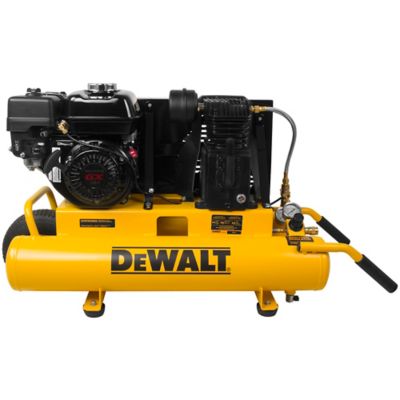
A home garage compressor also needs to fit the kind of care its owner is willing to give it. Moisture collects inside air tanks during normal operation, making an accessible drain an important everyday detail rather than a minor extra. A drain positioned within easy reach can make routine tank draining less of a chore, especially when a larger compressor stays in one spot. Following the manufacturer’s draining procedure, inspection schedule and pressure-release instructions helps protect the tank and keeps maintenance straightforward. Rust, damage or an air leak calls for proper evaluation; a pressure tank is not a place for welding, drilling or makeshift repairs. Intake filters, oil levels where applicable, hoses and fittings also need attention over time. A steady hiss at a connection can keep the pump cycling more often than necessary, while a worn hose can interrupt a job just when the tools are laid out and the equipment is ready. Regulators let the working pressure match the tool, and readable gauges make it easier to keep track of tank pressure and outlet pressure separately. For finish work, suitable filtration and moisture control can help keep water and oil carryover out of the air stream, with the exact setup depending on the compressor, coating and spray equipment. Spraying also calls for the ventilation and protective equipment specified for the material. For general garage tasks, eye protection, appropriate hearing protection and hoses routed away from walking paths belong in the picture. Gas-powered compressors must stay outdoors and away from doors, windows and vents because of carbon monoxide; they are not an indoor garage power source. Whether the garage serves a weekend mechanic, a woodworker or someone keeping a mower and utility trailer ready for the next job, the most practical compressor is one whose airflow, footprint, controls and upkeep suit the work. Those same details matter when a compressor is a gift: the recipient’s tools, electrical service and available workspace count for more than tank size alone.