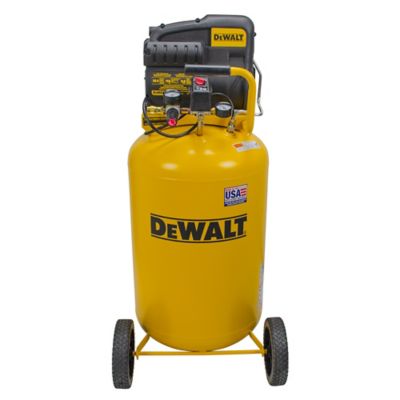
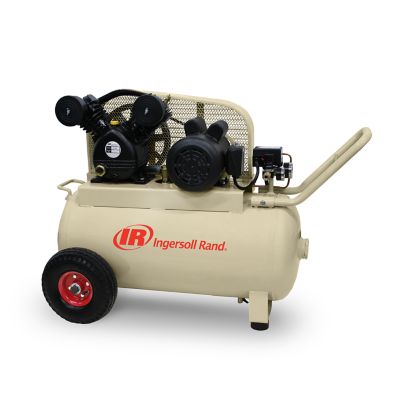
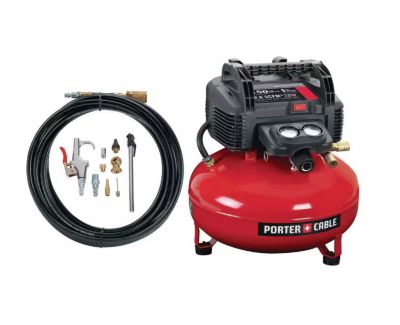
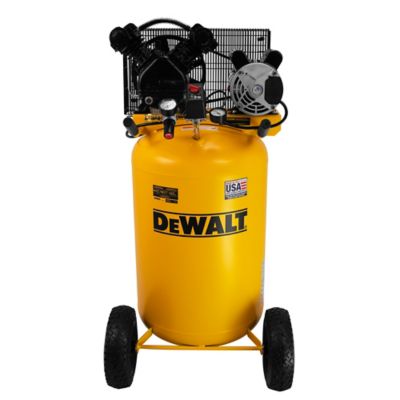
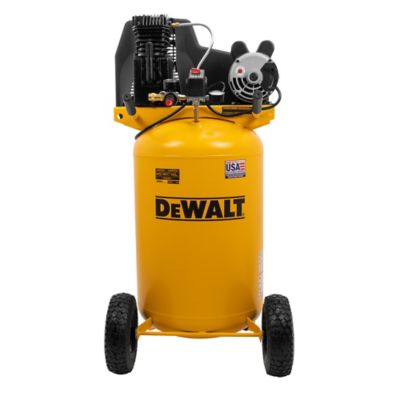
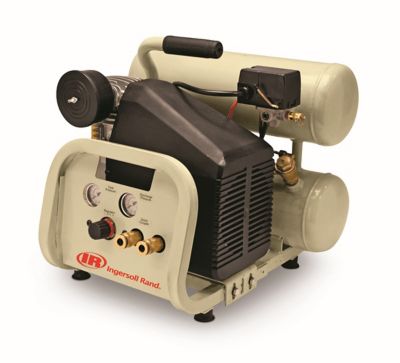
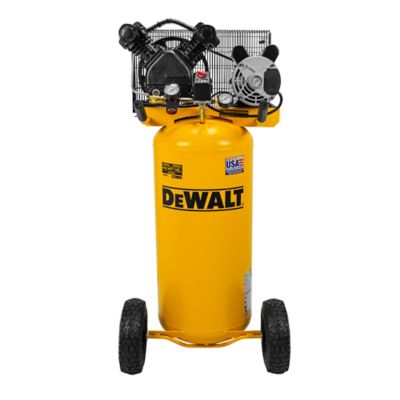
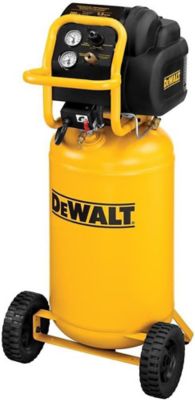
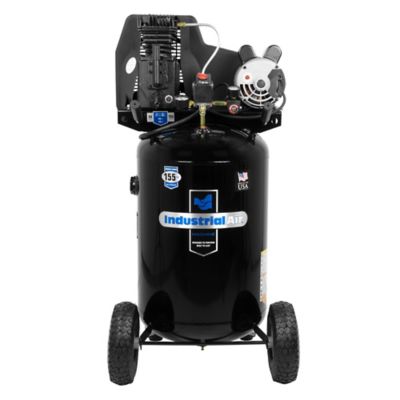
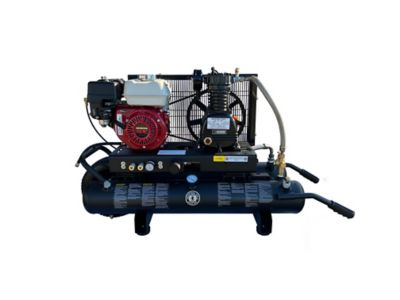
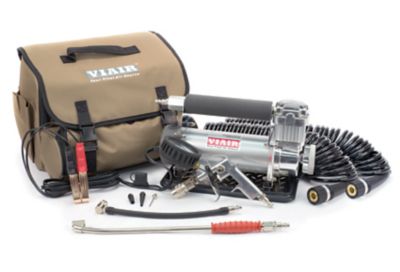
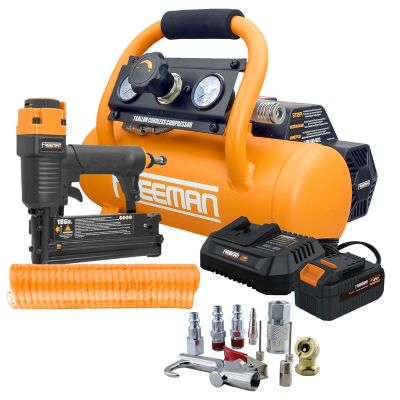
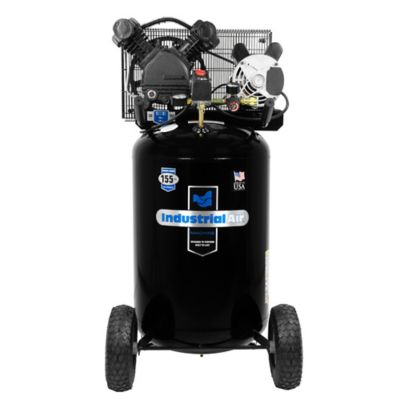
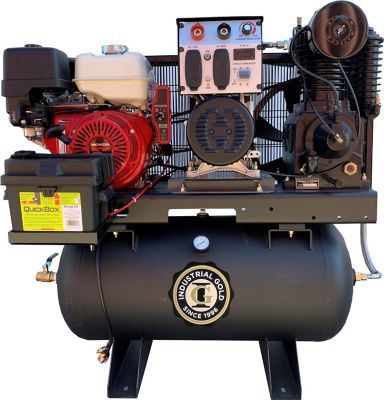
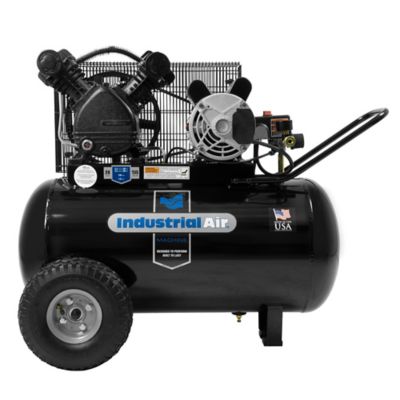
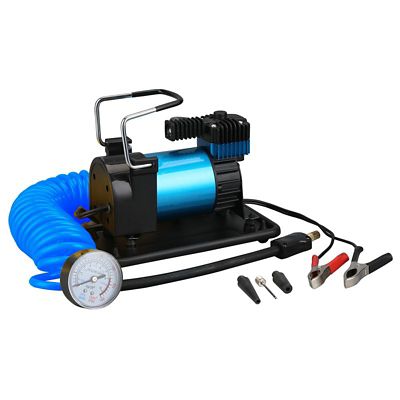
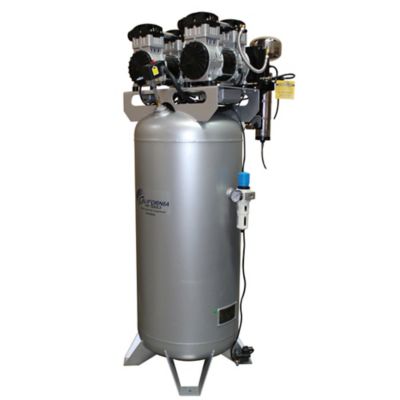
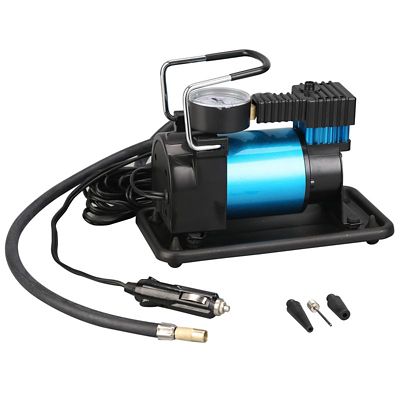
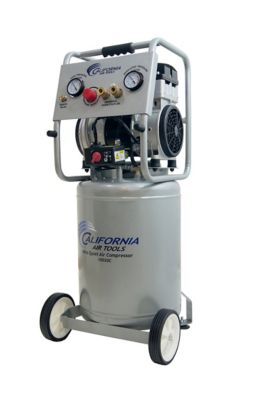
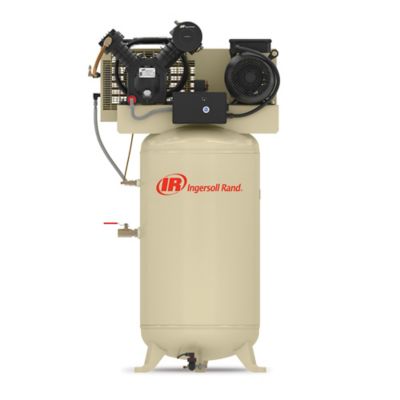
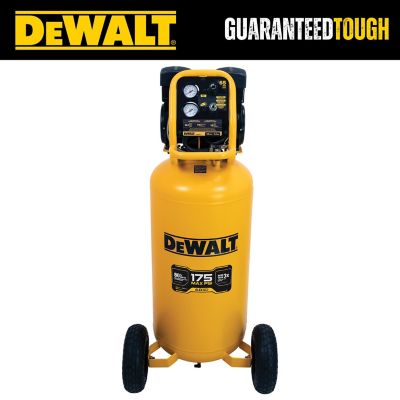
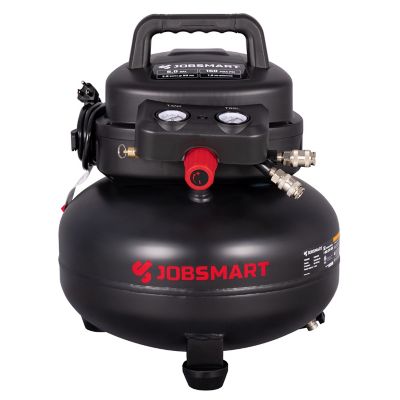
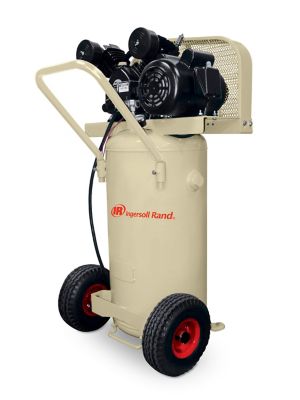
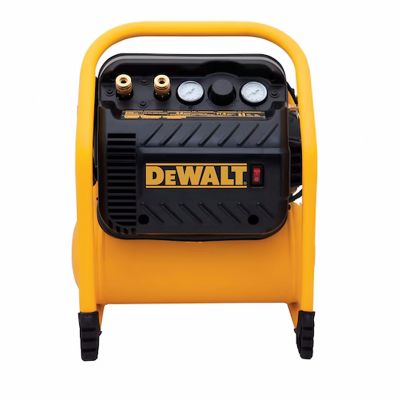
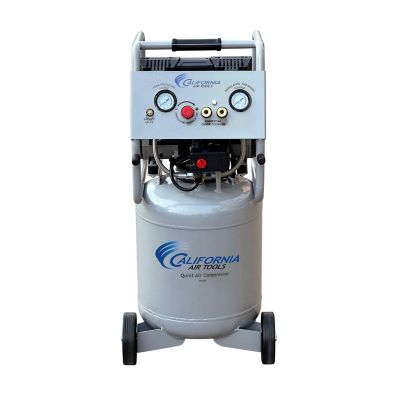
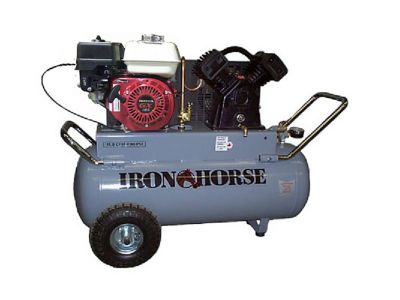
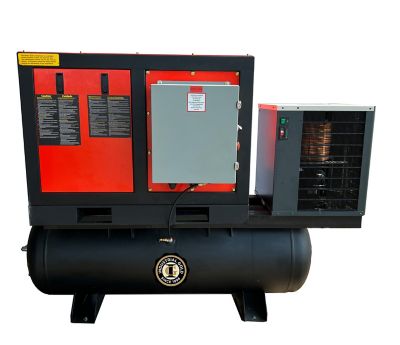
Air compressors with accessories bring compressed air and the connections that put it to work into the same setup, whether the job is topping off a trailer tire, running a finish nailer or handling light work around the farm shop. A compressor supplies the air, while hoses, couplers, inflation attachments and other accessories carry it where it needs to go. The right combination depends on the work ahead: a few minutes of tire inflation calls for something different from extended operation with an air-powered tool. For a homeowner with a garage workbench, a compact setup can make everyday maintenance easier without taking over the floor. For someone working on equipment in a larger shop, air delivery, hose reach and room to move around machinery matter more. Tank capacity is an important consideration when comparing
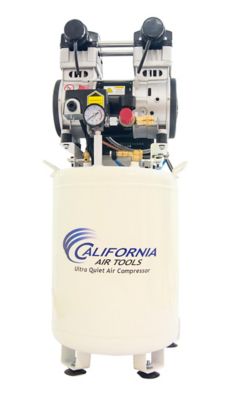
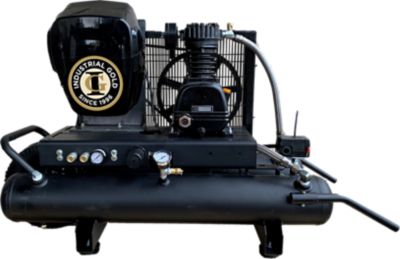
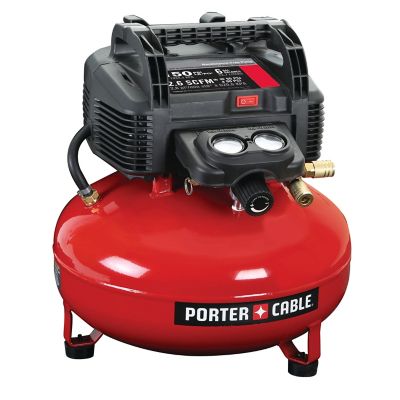
Air Tank Compressors, but gallons alone do not tell the whole story. The tank holds a reserve of compressed air, while the pump’s output determines how quickly that reserve can be replenished. Cubic feet per minute, commonly shown as CFM or SCFM, describes air delivery at a stated pressure; pounds per square inch, or PSI, describes pressure. Both need to suit the intended attachment or tool. An impact wrench, for example, can demand more airflow than a tire inflator, and tools that run for longer stretches need a compressor built for that workload. Duty-cycle ratings also matter because they describe the permitted running time under the manufacturer’s stated conditions. Accessory packages can differ in their contents, so the hose, fittings and attachments deserve the same attention as the compressor itself. A carrying handle, wheels or a stable base can make a real difference when the setup needs to travel from a shed to a garage or stay beside a workbench. Power requirements matter, too, especially when the intended work area has limited electrical service. Together, those details shape how comfortably the equipment fits into a day of chores rather than simply how much air the tank can hold.
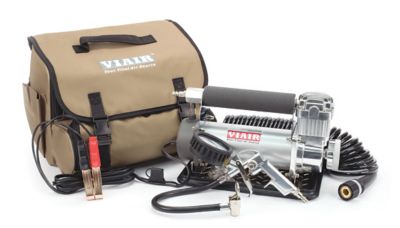
The accessories are where fit and function come together. A hose needs enough length to reach the far side of a pickup or a trailer wheel without forcing the compressor into an awkward spot, but extra length and a narrow inside diameter can restrict airflow. Long hose runs, small fittings and multiple connections can all contribute to pressure loss between the tank and the tool. Rubber, PVC and polyurethane hoses offer different combinations of weight, flexibility and resistance to abrasion, so the work area matters as much as the length printed on the package. A hose dragged across a shop floor faces different demands from one kept neatly beside a bench. Couplers and plugs must match the same connection profile; looking alike does not always mean two fittings will connect properly. Thread size and quick-connect profile are separate details, and both deserve attention when matching an accessory to a compressor or tool. Brass and steel fittings are common choices, with each fitting’s pressure rating and intended application helping determine its suitability. A regulator controls downstream pressure, making it possible to match the air supply to the tool rather than sending full tank pressure through every attachment. Gauges make pressure readings visible, while an inflation chuck provides the connection to a tire valve. Tire inflation still calls for checking pressure against the tire and equipment manufacturer’s recommendations, not judging by appearance alone. Moisture control can matter as well, particularly for tasks where water in the air line can affect the result. Filters, separators and dryers serve different purposes, and finish work may call for more air treatment than basic inflation. Some air tools require lubrication, while other applications need air kept free of added oil, so an accessory arrangement that suits one job may not suit another. Those distinctions help make a compressor setup practical for a woodworker fitting trim, a mechanic handling intermittent tool work or a property owner tending to routine equipment needs.
Construction and upkeep help determine how well an air compressor with accessories fits into regular shop life. Steel tanks, protective frames and securely mounted components can stand up to the bumps of moving equipment around, while the hose and fittings need protection from sharp edges, vehicle traffic and repeated rubbing. A tidy hose path also leaves more room to walk between a workbench and a parked mower. Portable designs are handy for moving between work areas, but their weight, handle placement and wheel design affect how manageable that move feels. A stationary setup needs a suitable location and installation that follows the manufacturer’s requirements, with room for ventilation, service and access to the tank drain. Sound levels can be another consideration in an attached garage or shared workspace, especially when the pump cycles repeatedly. Oil-free and oil-lubricated pumps have different maintenance needs; oil-free does not mean the whole compressor is maintenance-free. Intake filters, connections, hoses and tank condition still need attention according to the equipment manual. Condensation collects inside air tanks, making the specified draining routine an important part of care. Tanks with corrosion, damage or questionable repairs should not be put back into service without qualified evaluation, and pressure vessels should never be altered to stretch their service life. Accessories also need working-pressure ratings that meet the demands of the setup, along with secure connections and sound seals. Eye and hearing protection belong alongside compressed-air work, and air should never be directed at skin or clothing. For someone outfitting a first garage or adding capability to an established farm shop, a compressor-and-accessory setup can also make a thoughtful gift when the recipient’s tasks, power source and tool requirements are known. The most useful match is the one that suits the actual work: enough airflow for the task, connections that fit, a hose that reaches and equipment that has a sensible place to live between jobs.