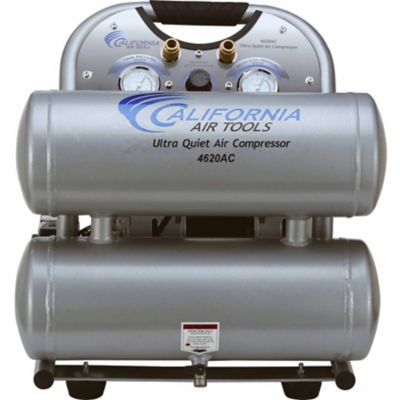
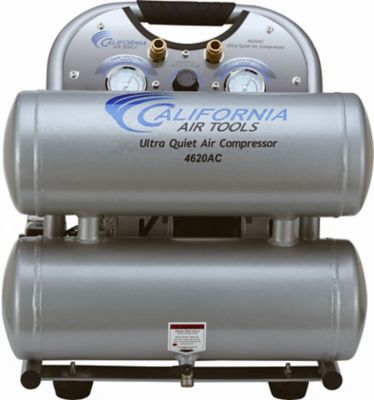
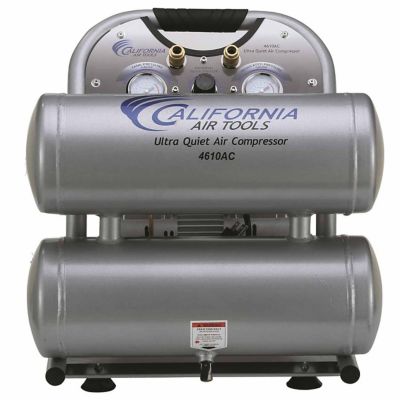
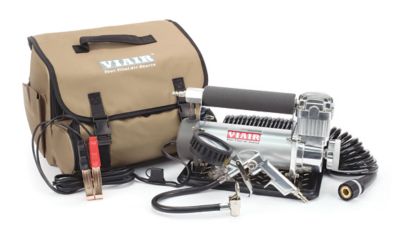
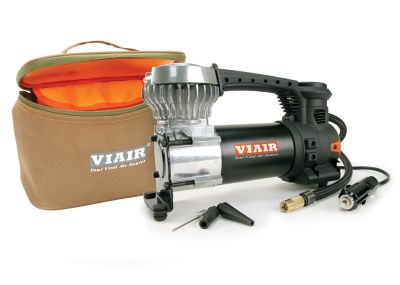
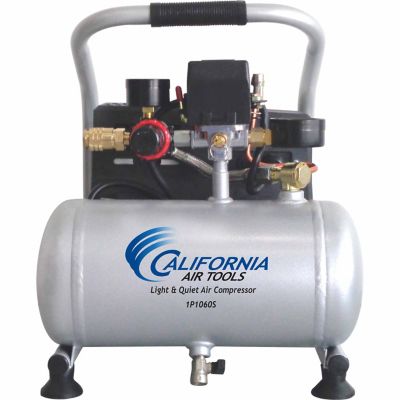
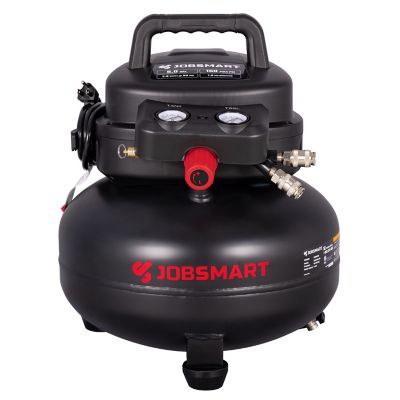
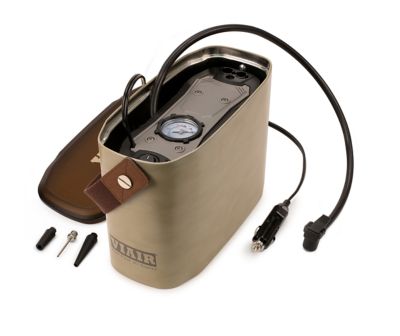
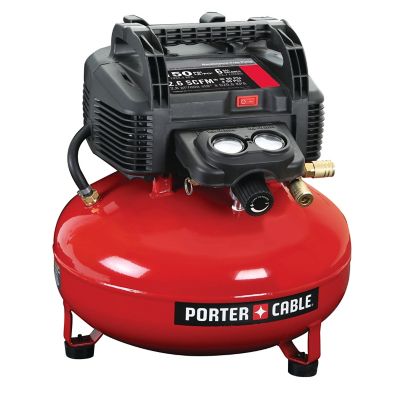
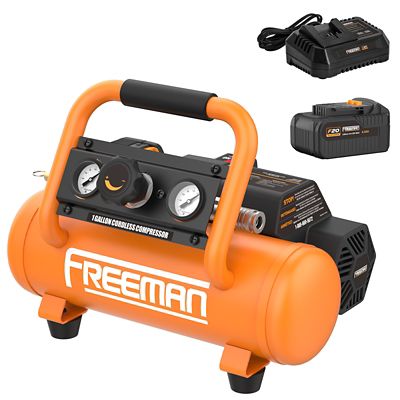
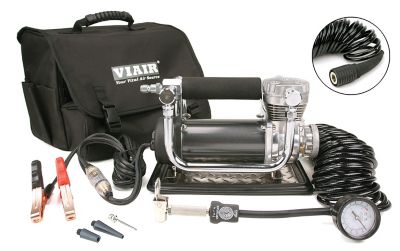
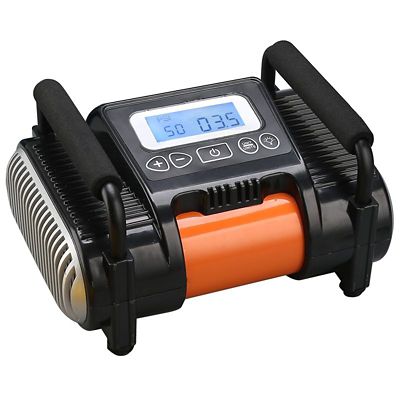
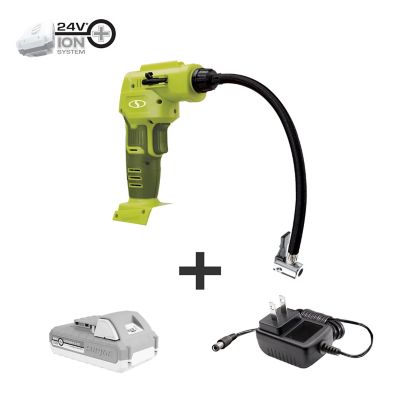
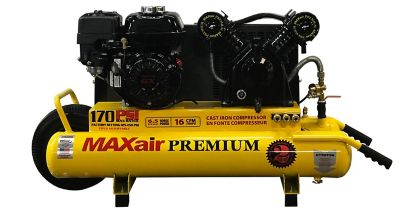
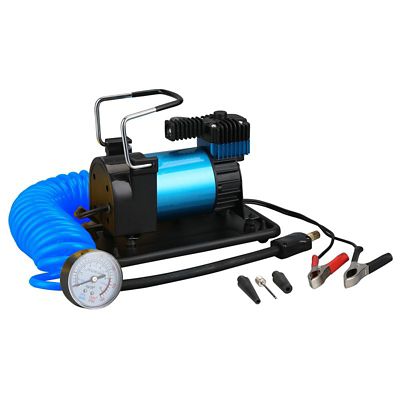
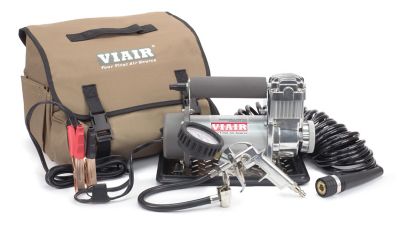
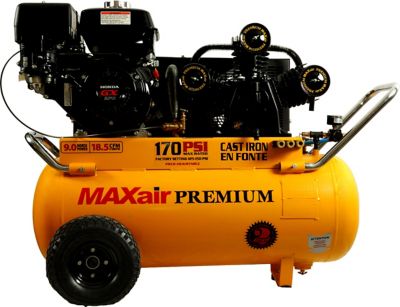
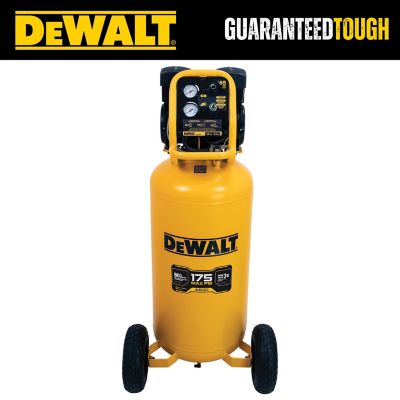
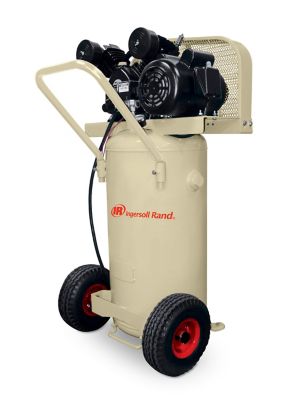
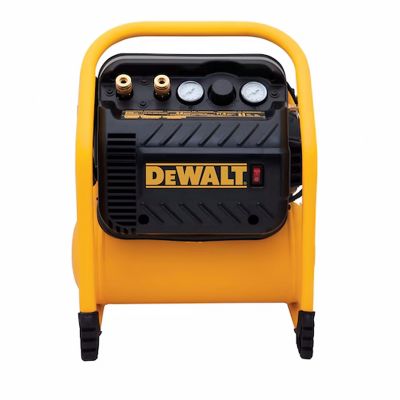
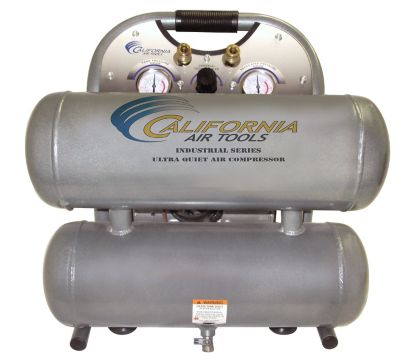
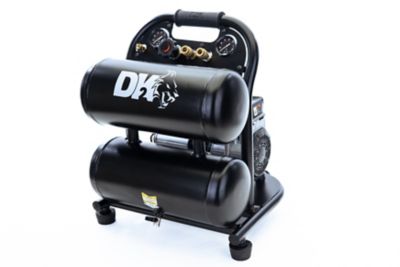
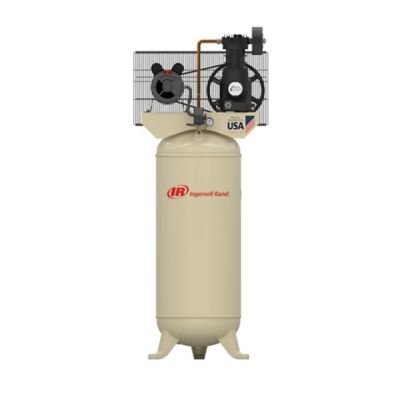
Small electric air compressors put compressed air within easy reach for tire inflation, trim work, stapling and light jobs around the garage, barn or workshop. Their smaller tanks and carry-friendly frames make sense for folks who need air at a workbench one afternoon and beside a utility trailer the next. Most plug-in models pair an electric motor with a pump and an air storage tank, giving compatible pneumatic tools a supply of pressurized air without a gasoline engine. Tankless electric inflators serve a different purpose: they deliver air directly for inflation rather than storing it for nailers or other air tools. That distinction matters when the job stretches beyond topping off a tire. Compact tank compressors commonly come in pancake, hot dog and twin-stack configurations, with each shape affecting how the unit sits, carries and fits into a crowded workspace. A broad pancake tank provides a low, stable footprint, while a narrow horizontal tank may fit more easily alongside a bench. Tanks around 1 to 2 gallons suit intermittent work where easy carrying matters, and a 6-gallon tank provides more stored air between pump cycles. Tank size alone, though, does not determine which tools a compressor can run. A brad nailer fastening trim takes short bursts of air, while a sander or paint spray gun can demand a steady flow that many small compressors cannot supply. For someone fitting out a home shop, handling repairs on an acreage or keeping recreational equipment ready, the appeal is having enough air for everyday jobs without giving up much floor space. These compressors can also make a practical gift for a woodworker or a family member setting up a first garage, especially when the power source, carrying weight and air output match the work they already do. A compact footprint earns its keep when the same shed has to hold tools, feed bins and the mower.
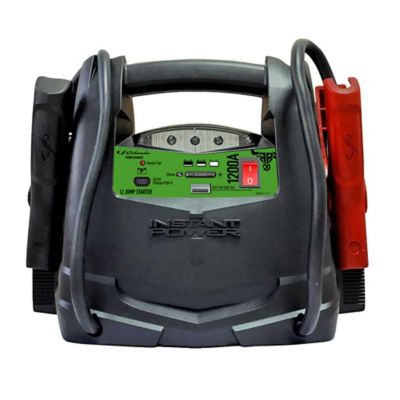
Air delivery is the clearest connection between a small electric air compressor and the work it can handle. Standard cubic feet per minute, or SCFM, describes airflow at a stated pressure; pounds per square inch, or PSI, describes pressure rather than the amount of air supplied. Comparing a compressor’s SCFM rating at the tool’s required operating pressure helps show whether the pairing makes sense. Ratings at 90 PSI are common for pneumatic tools, but the tool’s own requirements remain the deciding factor. A high maximum PSI does not turn a low-output compressor into a match for air-hungry equipment, and a bigger tank only delays the point at which stored air runs low. Pump recovery and the manufacturer’s duty cycle matter during repeated work, too. Fastening a few pieces of window trim leaves more recovery time than running a nailer continuously across a long project. For tire inflation, the tire’s volume and required pressure affect how long the job takes; topping off a wheelbarrow tire is a different demand from filling a large truck tire from flat. Regulated outlets, readable gauges and compatible hose couplers help make those changes between tasks less of a fuss. Hose diameter and length also influence performance, particularly when air has to travel from a sheltered work area out to a project. Most household plug-in compressors operate on 120-volt power, though circuit requirements and starting demands vary. A properly rated air hose often provides reach without an extension cord; any cord arrangement should follow the equipment manual. Battery-powered and vehicle-powered inflators can be handy away from an outlet, but their pressure limits, tire-size suitability and operating-time limits still matter. Sound deserves attention in a small shop as well. Lower published decibel ratings can point toward quieter operation, although measurement conditions vary, and a compressor running against metal siding or inside a tight room can sound quite different than it does in an open workspace. Quieter operation does not remove the need for hearing protection when the task or surrounding equipment calls for it.
Construction and everyday upkeep influence how well a compact compressor fits into working life. Steel tanks are common, while housings, handles and protective frames vary by design. A well-positioned handle helps balance the load during carrying, rubber feet help limit vibration against the floor, and a guarded control area helps keep gauges and fittings out of harm’s way. Total weight matters more than tank capacity alone, especially when the route includes porch steps, a gravel driveway or the tailgate of a pickup. For jobs that involve frequent moves,
lightweight air compressors offer another way to focus on carrying comfort alongside air output. Oil-free pumps remove the need for routine pump oil checks and changes, but they are not maintenance-free. Tank draining, intake-filter care where applicable, hose inspection and checks of safety components still belong in the ownership routine described by the manufacturer. Oil-lubricated pumps require the specified oil and service schedule, and neither pump type makes untreated compressed air suitable for breathing. Moisture collects inside an air tank as compressed air cools, so following the tank-draining instructions helps reduce internal corrosion. An accessible drain valve makes that chore easier after a round of garage work. Dry storage, clear ventilation openings and protection from rain help preserve the equipment, while cooler weather can change tire pressure and affect compressor starting conditions. Keeping the unit within its stated operating temperature range matters when a shed turns cold overnight. Secure transport protects both the compressor and nearby gear, and carrying it by its intended handle avoids strain on hoses and fittings. For finish work, moisture control in the air line may also matter to the tool or application. The best fit is not necessarily the largest small compressor: it is one with the airflow, electrical requirements, manageable weight and service access that suit the chores at hand. When those details line up, a small electric air compressor becomes a useful part of the workspace, ready for a loose piece of trim, a low trailer tire or the next modest repair.