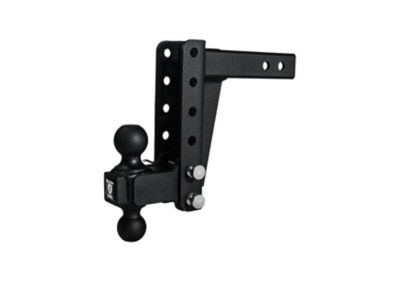
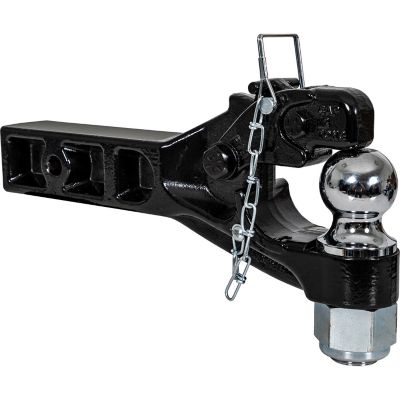
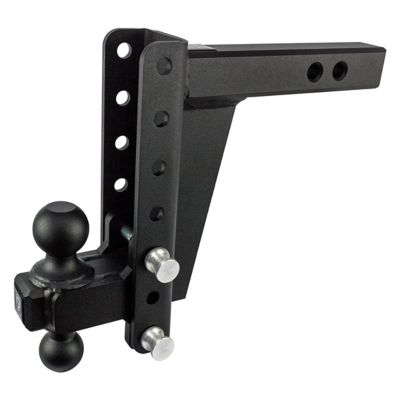
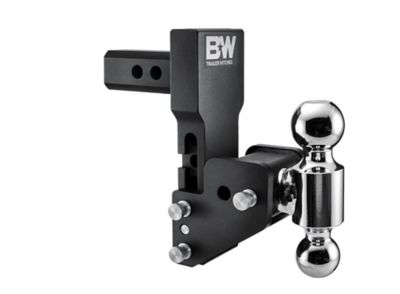
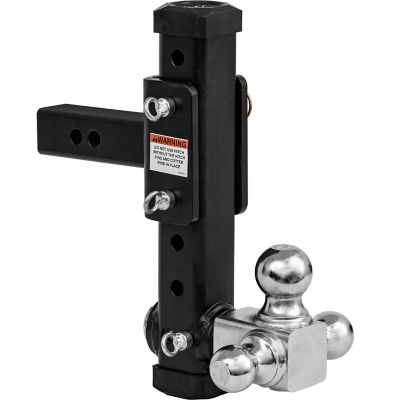
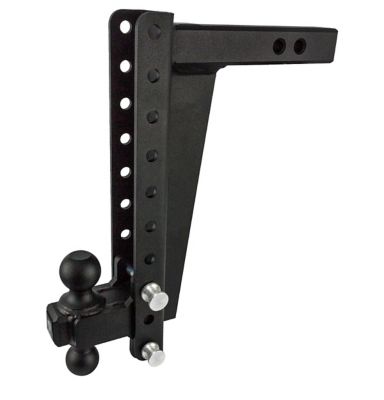
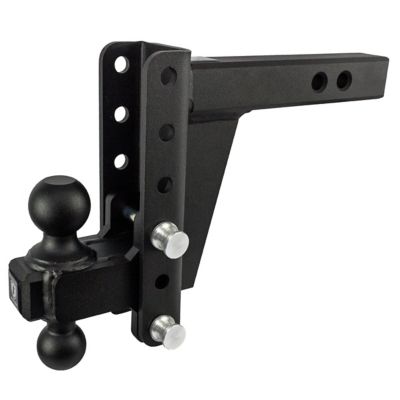
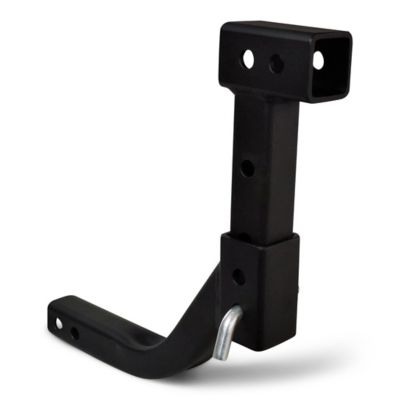
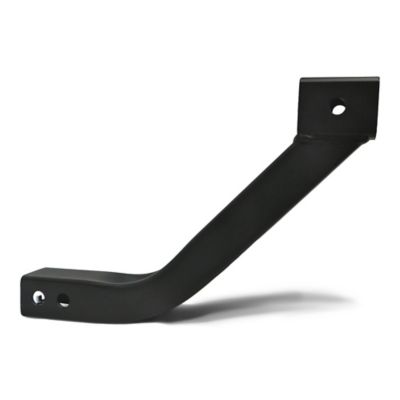
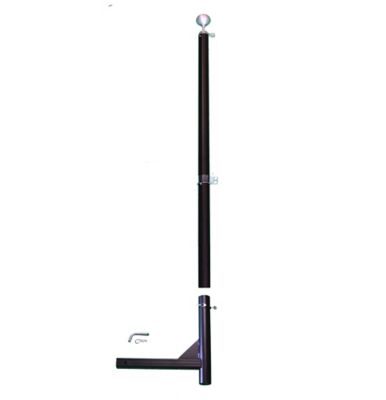
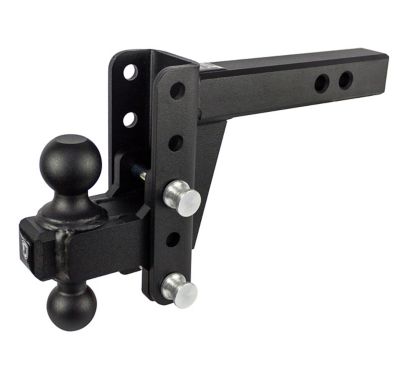
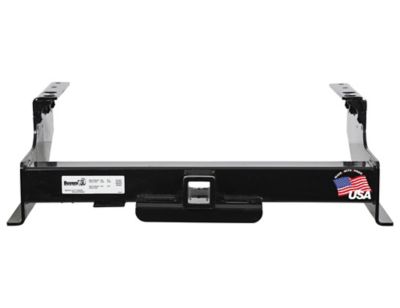
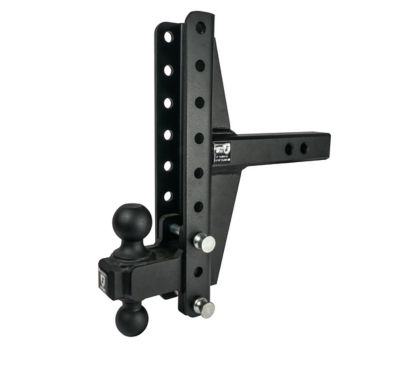
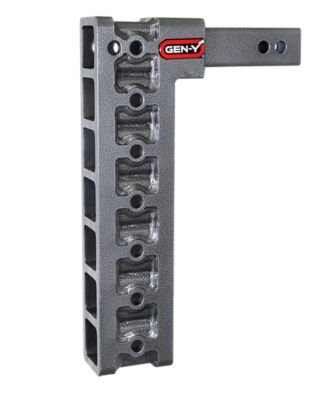
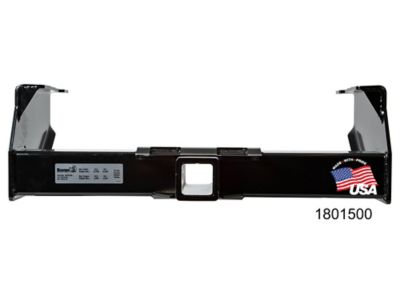
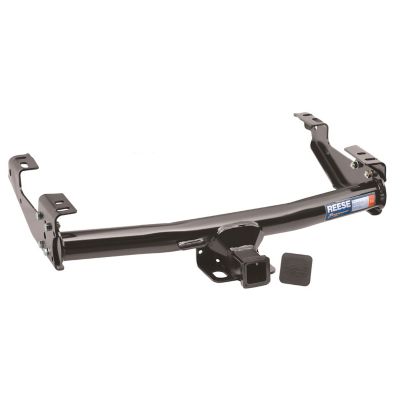
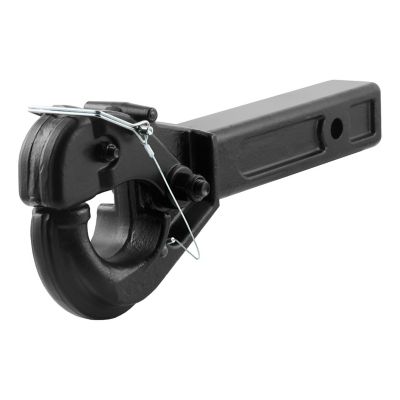
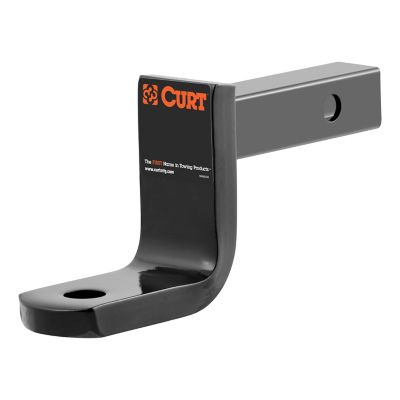
A 2-inch receiver hitch is one of the most common towing connections found on pickup trucks, SUVs and crossovers. Built with a square 2-inch by 2-inch receiver opening, this setup gives drivers a dependable way to connect a trailer, mount a carrier or add other hitch-compatible equipment. It is commonly associated with Class 3 and Class 4 towing systems, though the actual capacity depends on the vehicle, hitch construction, towing package and accessory being used. Depending on the application, ratings may range from roughly 3,500 to 8,000 pounds of gross trailer weight for many Class 3 setups and from about 10,000 to 14,000 pounds for some Class 4 equipment. Heavy-duty multi-fit systems can be rated higher, but the lowest-rated part of the towing setup always sets the safe limit. Check the vehicle owner’s manual, the hitch label and the accessory rating before loading up, and account for both gross trailer weight and tongue weight. A small utility trailer carrying feed, fencing supplies or firewood may handle very differently from a loaded camper or boat trailer, even when both use the same receiver size. For a steady, comfortable pull, the trailer should sit level behind the tow vehicle, with the correct ball size and a properly matched rise or drop in the ball mount. A receiver pin or locking pin keeps the mount in place, while safety chains, wiring and a working trailer brake system help complete the connection. Drivers who regularly haul equipment around the farm, bring a side-by-side to a trailhead or pull a small camper for a weekend away often appreciate the versatility of a 2-inch receiver hitch. It is also a practical choice for keeping a vehicle ready for changing jobs, from moving landscaping materials during the warmer part of the year to hauling a utility trailer through the cooler months.
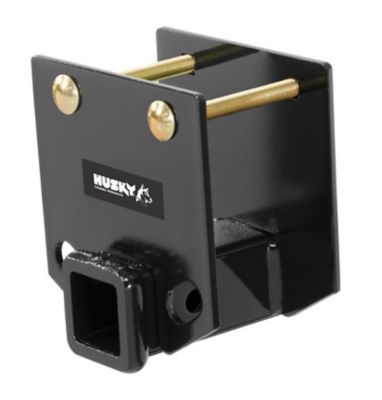
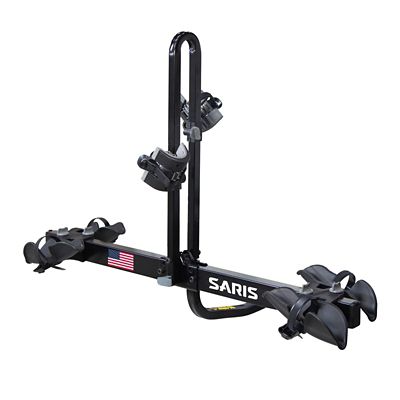
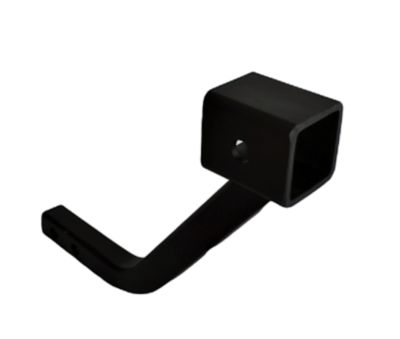
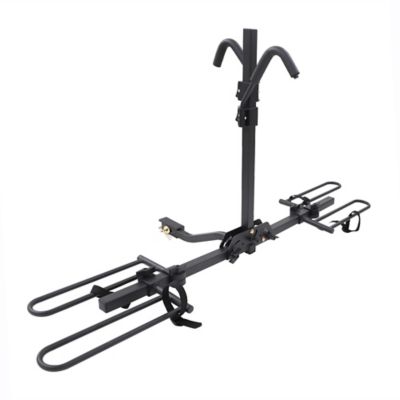
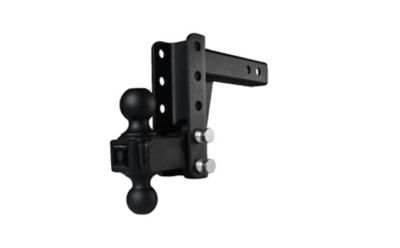
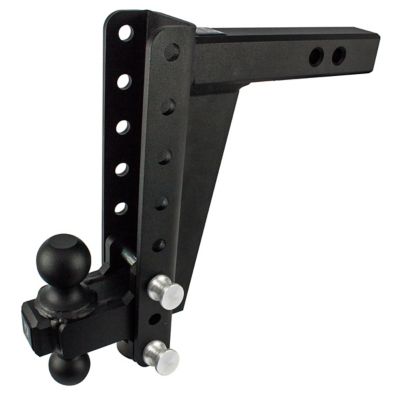
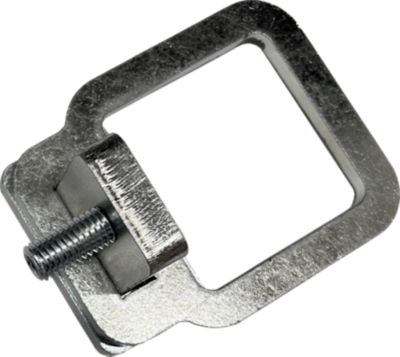
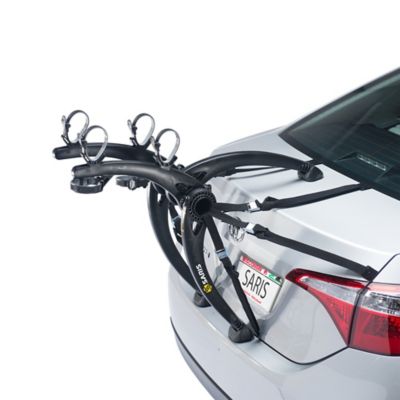
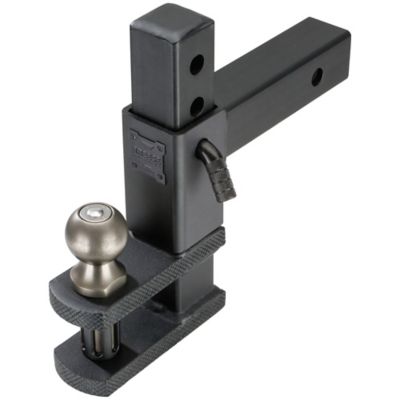
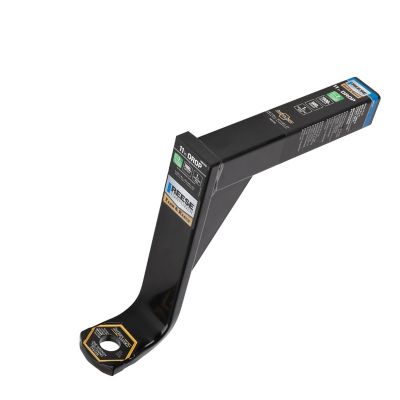
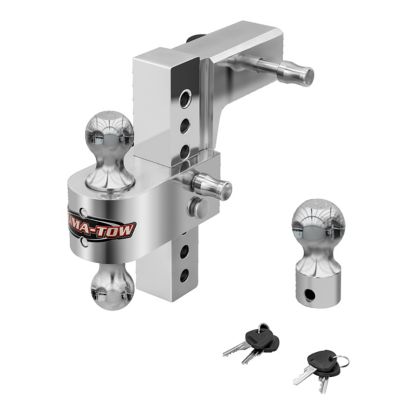
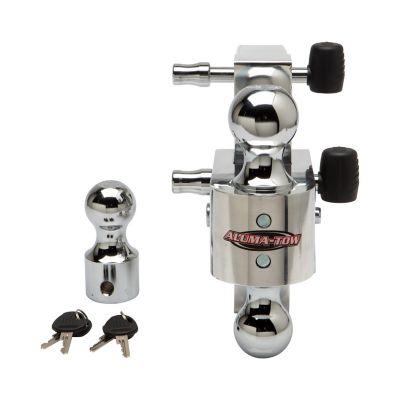
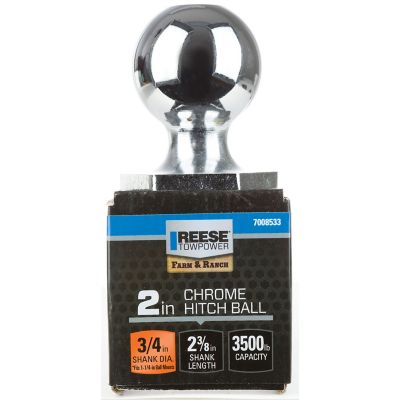
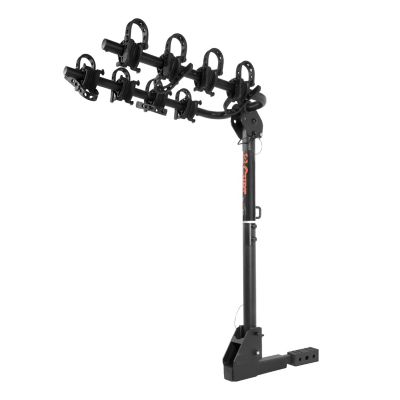
The receiver opening is only one part of the setup, so matching accessories to the hitch and the job is just as important as choosing the right size. Ball mounts are available in different drops and rises to help keep a trailer level, and the correct shank length can provide enough clearance without creating unnecessary leverage. Standard 5/8-inch hitch pins are commonly used with 2-inch receivers, while locking versions add a layer of security when a mount or carrier will remain on the vehicle. A reducer can allow certain 1-1/4-inch accessories to fit a 2-inch receiver, but adapters may change the capacity or handling of the connection and should be used only when the manufacturer allows it. A 2-inch receiver should not be treated as a way to increase capacity for equipment designed around a larger 2-1/2-inch receiver. For light hauling and everyday convenience, hitch-mounted cargo carriers can add room for coolers, bags, tools or bulky items that do not fit easily inside the cab. Bike carriers make it easier to bring bicycles to a rail trail or campground, while other hitch-compatible equipment can support work around a property or access to rougher ground. Keep an eye on clearance around the tailgate, rear doors, exhaust and backup sensors, and remember that anything mounted behind the vehicle can affect turning room, departure angle and visibility. A carrier or trailer also adds weight several feet behind the rear axle, so staying within tongue-weight limits matters even when the total load seems modest. Helpful additions such as
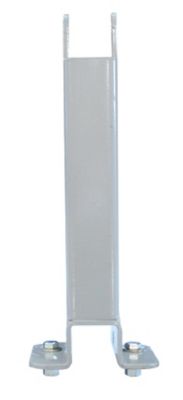
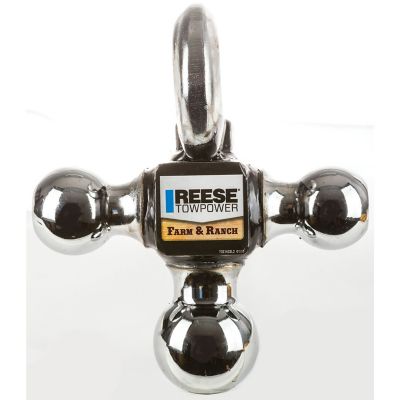
Trailer Hitch Hooks can support particular towing or utility arrangements, but every component still needs to be rated for the intended use and installed according to its instructions. Before heading down a gravel lane or highway, inspect the pin, coupler, chains, wiring and tires, and make sure the load is balanced, secured and covered when needed.
When shopping for a 2-inch receiver hitch or related equipment, start with the vehicle’s year, make, model and factory towing information rather than choosing by appearance alone. The right fit should match the receiver opening, mounting style, clearance and weight ratings of the vehicle, while the accessory should match the trailer or gear being carried. A truck used for fence repair may need a different arrangement than an SUV used to pull a small boat, even if both vehicles have a 2-inch receiver. Rust-resistant finishes, sturdy hardware and a well-supported design are useful considerations for equipment that sees muddy roads, rain, road salt and repeated loading. It is smart to look for a clear rating label and straightforward installation details, especially when the receiver will be used for more than one task. A dependable hitch setup can make ordinary chores feel less complicated: a trailer backs into the drive without a last-minute scramble, a load of lumber stays secure on the way home, and camping gear rides outside the vehicle instead of filling every seat. These items can also make a useful gift for a new truck owner, a family member who spends weekends at a campsite or a neighbor who is always lending a hand with hauling jobs, provided the recipient’s vehicle and receiver specifications are known. During the cooler months, a properly equipped vehicle can be ready for firewood, storm cleanup, snow equipment or a quick trip with a small trailer. Use the hitch within its posted limits, keep connections clean and check hardware regularly, and a 2-inch receiver setup can provide flexible service for work, recreation and the everyday jobs that come with owning a truck or SUV.