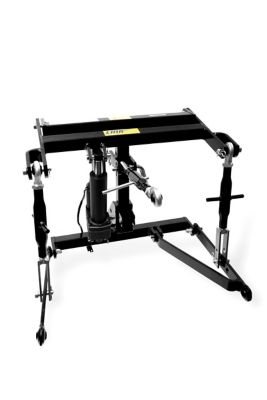
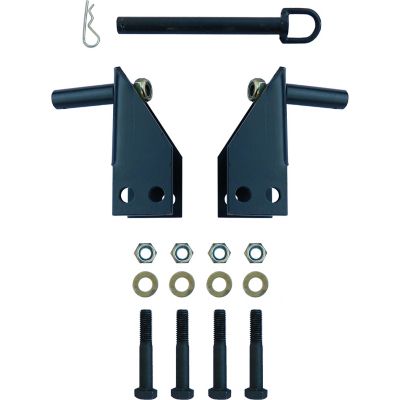
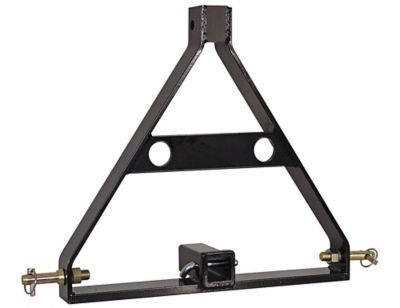
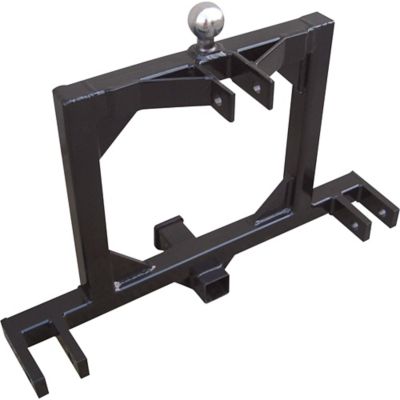
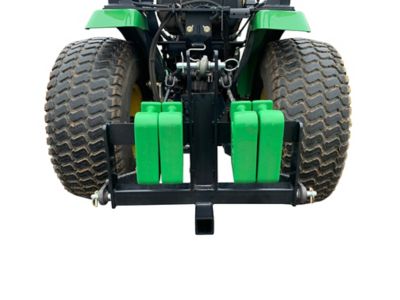
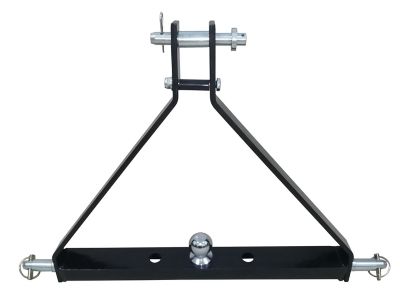
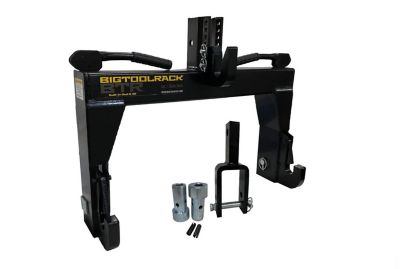
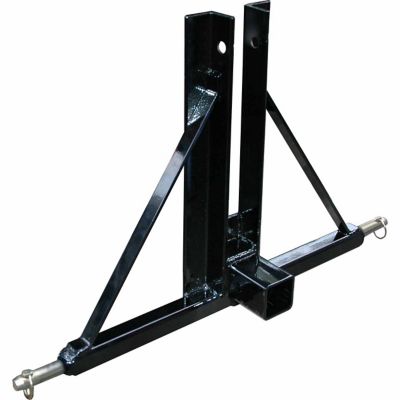
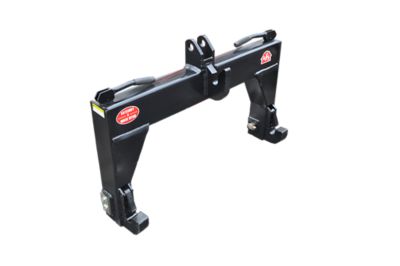
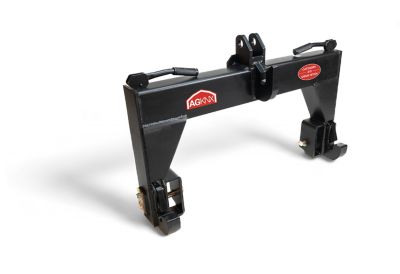
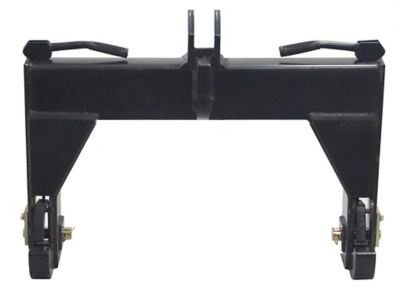
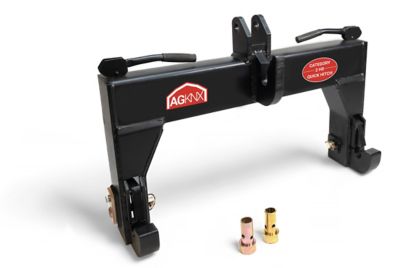
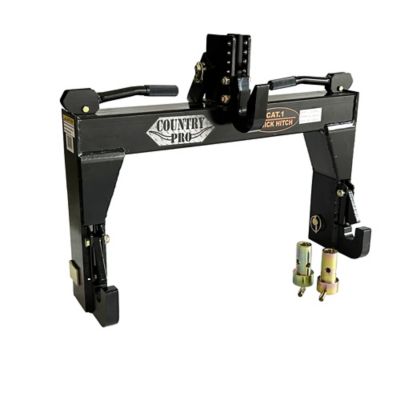
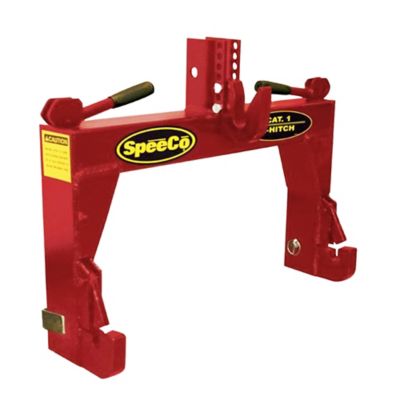
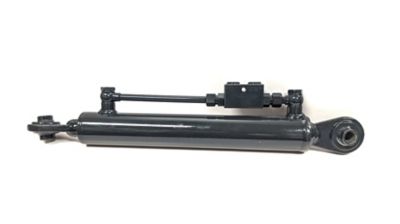
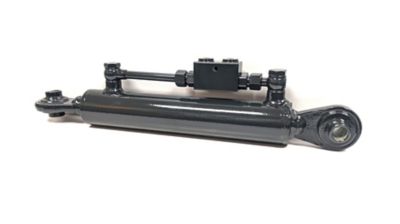
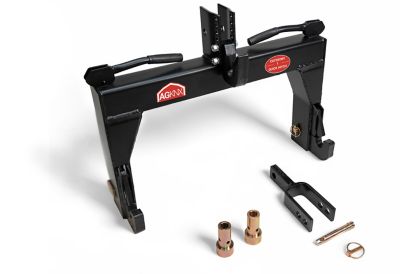
A three-point hitch for an ATV connects a compatible four-wheeler to small agricultural implements, giving landowners another way to handle soil preparation, light grading, and upkeep around an acreage. Instead of simply pulling a tool from a single drawbar connection, a three-point setup supports the implement at two lower attachment points and an upper link. That arrangement helps control the tool’s position and working angle, while a lift mechanism raises or lowers it within the system’s operating range. For someone tending a garden patch, maintaining a wildlife food plot, or smoothing loose material along a farm lane, that added control can make a utility ATV more useful beyond hauling a trailer. These systems do not turn a four-wheeler into a tractor, though: traction, vehicle weight, suspension, hitch ratings, and implement demands still set the limits of the work. Many compact ATV three-point hitch systems follow a Category 0 layout, commonly associated with nominal 20-inch lower-link spacing and 5/8-inch attachment pins. Those dimensions are a starting point for comparing connections, not a promise that every Category 0 tool will fit every ATV setup. Implement geometry, clearance, and the hitch manufacturer’s compatibility requirements matter just as much. Some systems connect through a 2-inch receiver, while others need additional mounting hardware or vehicle-specific support. Electrically operated designs may use a 12-volt actuator and a rider-accessible switch to control lift without a tractor-style hydraulic system. Manual designs and other arrangements also exist, so lift operation deserves a close look alongside fit. Gardeners, small-acreage owners, and folks looking after hunting ground often value this kind of equipment for manageable jobs where a compact vehicle already fits the property. The best match is a hitch and implement combination sized for the actual work, rather than the biggest tool that can physically attach.
Fit starts with the ATV’s year, make, model, and approved mounting provisions, not engine displacement alone. A larger engine does not automatically mean the receiver, rear frame, brakes, or suspension can carry a particular hitch and implement. Vehicle limits for tongue weight, towing, and payload are separate considerations, and a three-point attachment can place weight farther behind the rear axle than a simple trailer coupling. That leverage affects steering and stability, especially with the implement raised. Receiver dimensions, mounting height, tire clearance, and room behind the machine all help determine whether a setup belongs on a particular vehicle. Manufacturer-approved frame supports or suspension components may be part of the required installation, but they do not increase the ATV’s published load ratings. Lift capacity also needs context: a rating measured near a toolbar is not necessarily the weight the system can safely lift at an implement’s farthest edge. Down-pressure capability, when provided, is a different rating from lifting capacity, and not every hitch supplies powered down pressure. Published vertical travel describes movement through the lift range; actual ground clearance also depends on the tool’s shape and the mounting arrangement. These distinctions matter when a rake must clear a rut or a soil-working attachment needs enough lift to move between patches without dragging. Material and construction details deserve the same attention. Steel frames, sound welds, reinforced mounting points, and properly sized pins help a hitch carry working loads, while painted or powder-coated surfaces help protect exposed metal from corrosion. Pivot bushings, actuator mounting tabs, and accessible grease fittings can affect how straightforward the equipment is to maintain. On electric systems, wiring needs the specified power supply, circuit protection, and routing away from tires, exhaust components, and moving links. A switch positioned within comfortable reach can simplify operation, but safe travel still depends on the vehicle instructions, the attachment’s transport position, and the terrain. Hitch connections should allow the intended movement without loose joints that let an implement swing into tires or other parts of the machine.
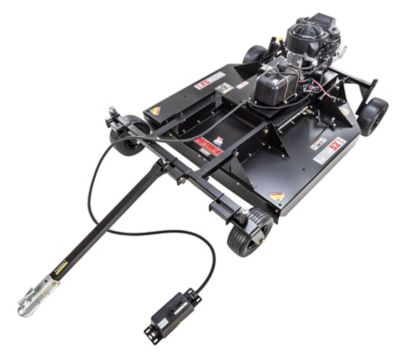
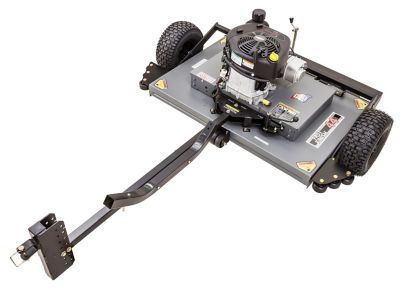
Intended use helps separate a practical ATV three-point hitch setup from one that asks too much of the machine. On previously worked garden soil, a compatible cultivator can loosen the surface between planting areas; on a small food plot, a suitably sized disc may help prepare the seedbed when soil conditions permit. Breaking untouched, compacted ground is a different load altogether, and deep tillage can exceed what a lightweight vehicle and hitch can manage. A landscape rake can gather loose stones or spread material across a short stretch of lane, but it is not a substitute for heavy earthmoving equipment. Working width matters here: a wider attachment covers more ground per pass while also increasing draft resistance and the chance of catching an obstruction. Rocks, roots, and sudden changes in grade can put sharp loads through the tool and mounting structure, making implement sizing and controlled operating speed especially important. Vegetation maintenance brings another set of requirements. Equipment grouped under
Mowers For ATVs may use a tow-behind connection and a separate engine rather than a three-point mount; a hitch alone does not provide the tractor power take-off that many agricultural mowers require. For any attachment, the connection method and power source need to match the vehicle and the task. Long service life comes from attention to the parts that carry the load. Soil packed around pivots can interfere with movement, worn pins can create play, and damaged coatings can leave steel exposed. Routine care generally includes cleaning away debris, checking retaining clips and fasteners, lubricating specified points, and inspecting wiring and connections according to the manufacturer’s schedule. Storage with the implement lowered and supported as directed takes strain off the lift system; raised equipment should never be the sole support for work underneath. With the right fit and sensible expectations, an ATV three-point hitch can earn its place alongside other acreage equipment, handling those smaller ground-working jobs that keep a property in shape.