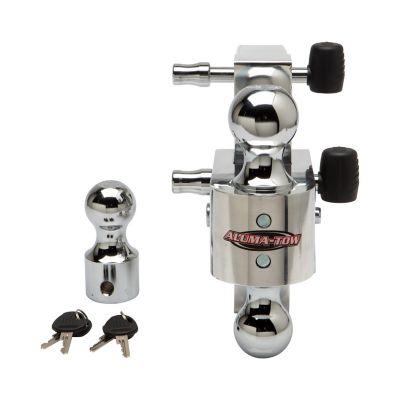
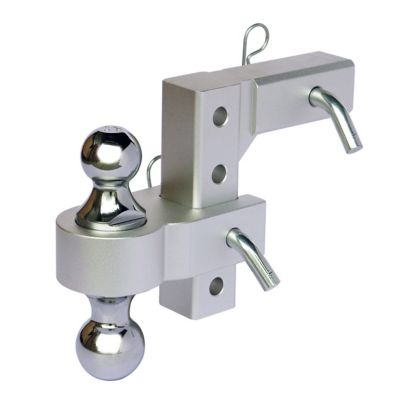
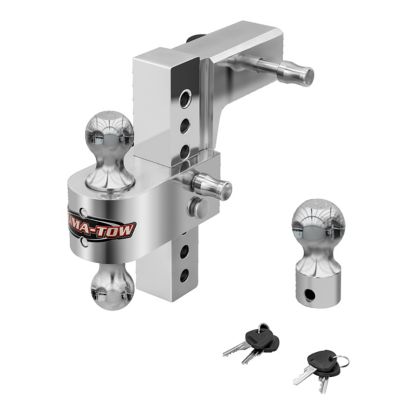
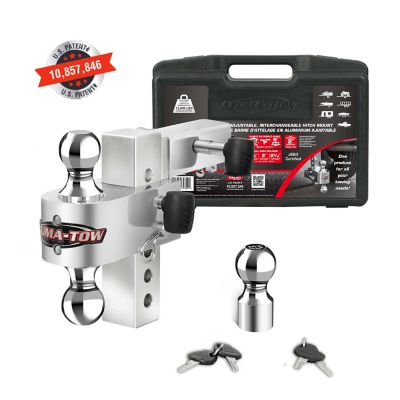
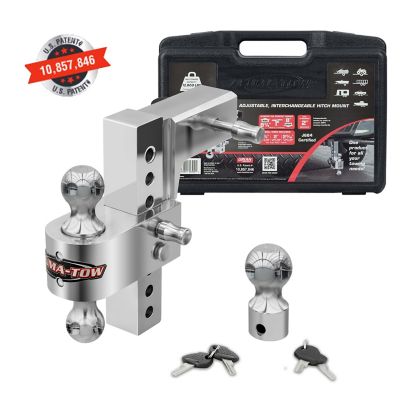
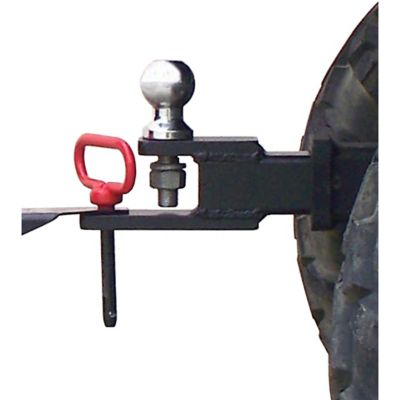
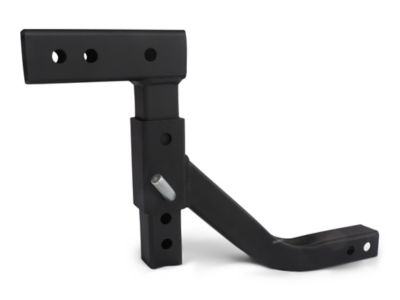
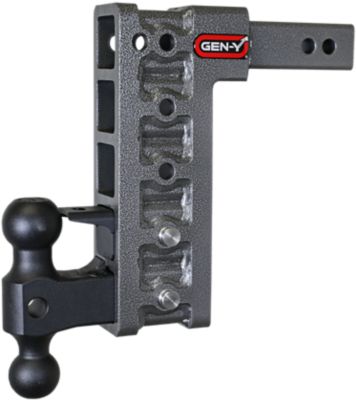
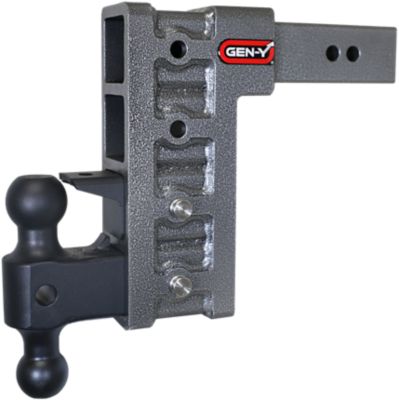
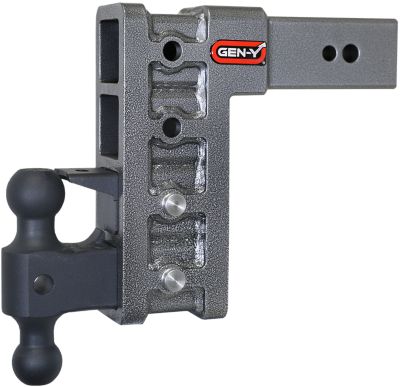
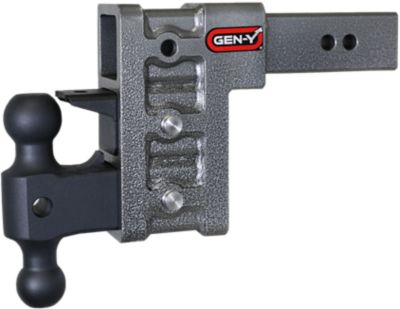
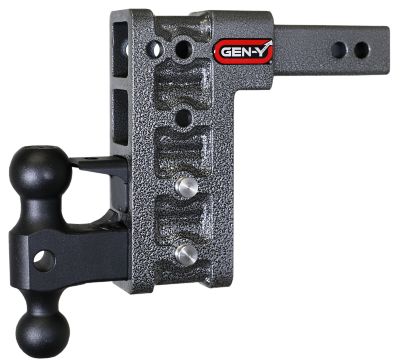
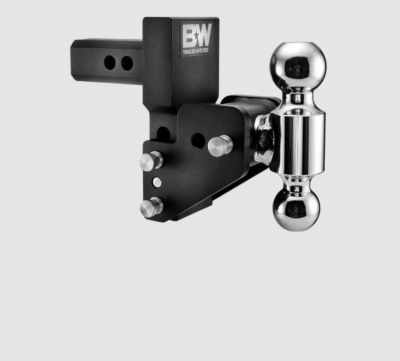
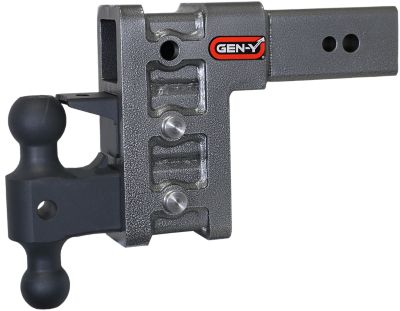
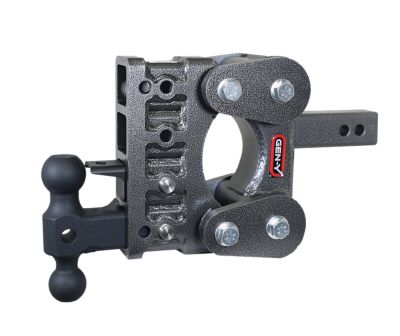
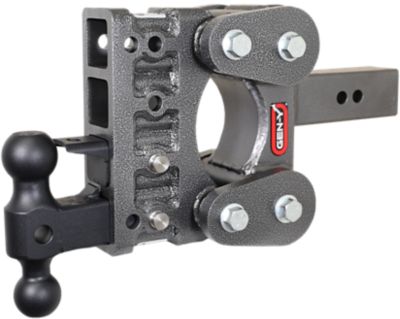
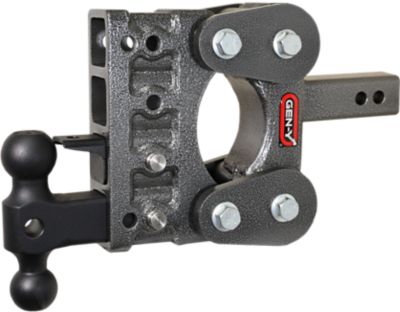
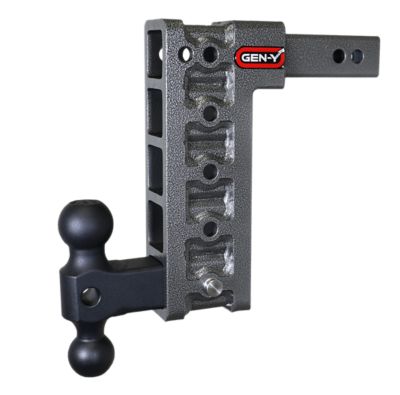
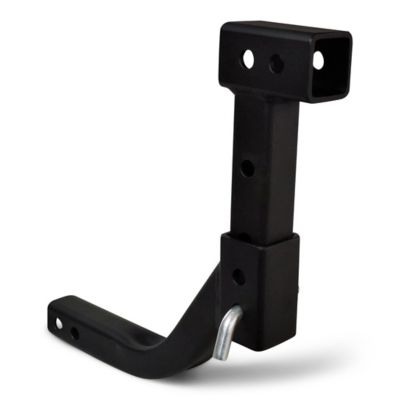
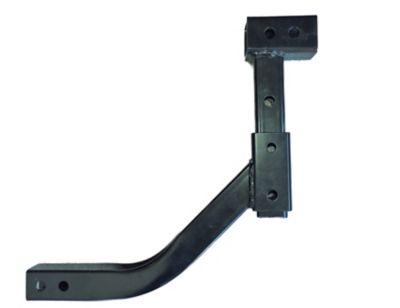
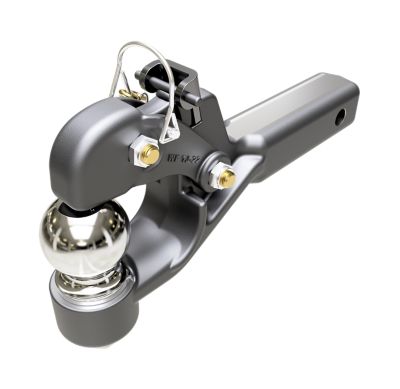
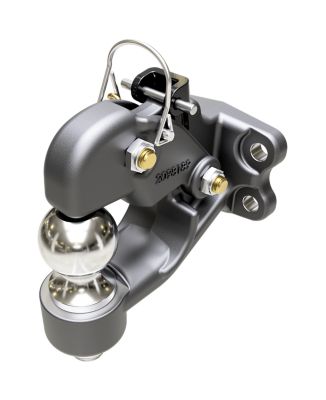
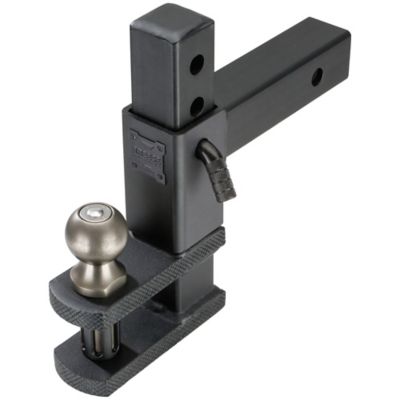
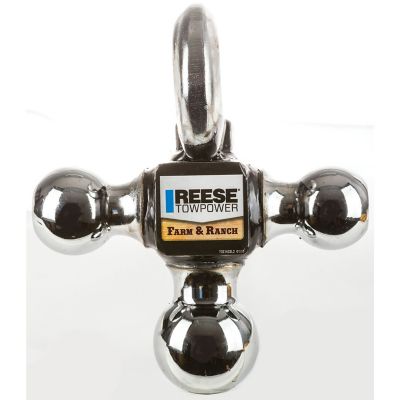
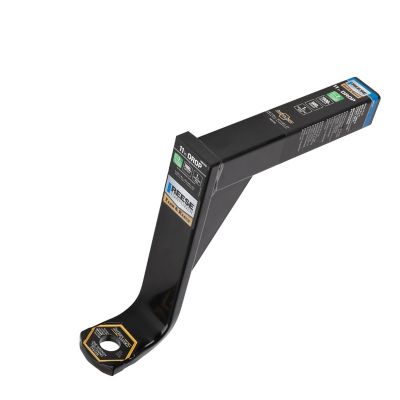
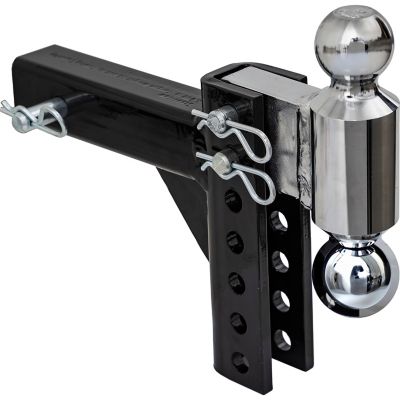
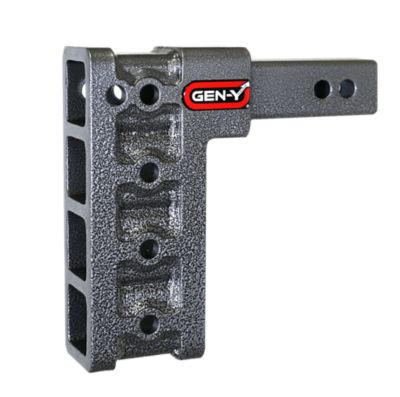
Adjustable hitches let you raise or lower a trailer’s connection point so the trailer can ride level behind the tow vehicle. Most receiver-mounted designs have a shank that fits into the vehicle’s receiver and a ball platform that moves through several height positions, secured with pins or bolts. That adjustment comes in handy when the same pickup pulls a utility trailer for fence supplies, an equipment trailer for a compact tractor, or a livestock trailer headed down the road. Those trailers may have different coupler heights, even when they connect to the same truck. An adjustable trailer hitch ball mount gives you a way to match those heights without keeping several fixed-drop mounts in the toolbox. Drop describes how far the ball sits below the receiver, while rise describes how far it sits above it; the permitted mounting orientation and adjustment range depend on the design. A larger adjustment range can help with a taller vehicle, but the right fit also needs enough clearance between the hitch, trailer, and ground. Trailer level matters because a nose-high or nose-low stance can affect handling, clearance, and how the load rests on the trailer’s axles. Height adjustment does not replace proper loading, correct tongue weight, or a towing setup that stays within every component’s rating. Ball size is another separate part of the fit. Common trailer hitch ball diameters include 1-7/8 inches, 2 inches, and 2-5/16 inches, and the ball must match the size marked on the trailer coupler. Some adjustable mounts carry two or three ball sizes on a rotating or reversible assembly, making them practical for households or operations with more than one trailer. Others accept a separate hitch ball or a compatible attachment. The selection of
Adjustable Trailer Hitch Ball Mounts centers on that combination of height flexibility and coupler fit, whether the job is a feed run, a trip to the jobsite, or hauling equipment between properties.
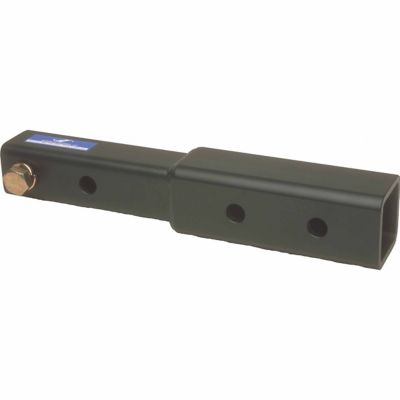
Receiver size, towing capacity, and construction all help determine which adjustable hitch belongs on a particular vehicle. Common receiver openings measure 2 inches, 2-1/2 inches, or 3 inches, and the mount’s shank needs to fit the receiver according to the vehicle and hitch manufacturers’ requirements. An adapter sleeve may be permitted for some combinations, but it should never be treated as a way to increase capacity. Gross trailer weight and tongue weight are different ratings: one concerns the trailer’s total loaded weight, and the other concerns the downward load at the hitch connection. Feed sacks, a mower, fencing tools, and other cargo all count toward the loaded trailer weight, while cargo and passengers in the truck also affect the vehicle’s remaining payload. The towing setup is limited by its lowest-rated applicable component, including the vehicle, receiver, ball mount, hitch ball, and coupler. On a multi-ball assembly, different balls can carry different ratings, so the number stamped for one ball does not necessarily apply to another. Steel and aluminum are common materials for adjustable ball mounts, with the design and stated ratings—not material alone—determining suitability for the load. Steel offers substantial strength and may have a powder-coated, painted, or plated finish to help limit corrosion. Aluminum can make a mount easier to lift and reposition, though it still needs inspection and care. The shank, adjustment channel, ball platform, welds where present, and locking hardware all deserve attention because they work together under towing loads. Closely spaced adjustment positions can help fine-tune trailer height, while wider spacing may offer fewer choices within the same overall range. Some designs also reduce movement or rattling at the connection. Those features can make the setup more pleasant on the road, but they do not take the place of properly secured hardware. A weight-distribution system serves a different purpose than a height-adjustable ball mount, and any combination of those components must be specifically compatible and permitted for the vehicle and trailer.
Day-to-day usefulness often comes down to how easily an adjustable hitch fits the work at hand. A property owner who switches between a small yard trailer and a larger hauling trailer may value multiple ball sizes and clearly marked adjustment positions. A contractor moving tools and equipment may put more emphasis on loaded capacity, clearance, and a connection that is straightforward to inspect before leaving the driveway. For someone who tows only one trailer, an adjustable mount can still provide a better height match than a fixed mount with the wrong drop. The useful adjustment range is the range that brings the loaded trailer to its manufacturer-recommended towing attitude while leaving room for turns, driveway transitions, and the trailer jack. A long drop hanging close to the ground can create problems at a steep entrance, and a ball platform positioned near the bumper needs enough room to avoid contact. Some mounts have a stowing position that moves the ball assembly out of the way when no trailer is attached; any such position needs to follow the manufacturer’s directions. Adjustments should take place with the vehicle and trailer safely secured and the mount free of trailer load, not with the trailer pressing down on the assembly. Pins, retaining clips, and bolts need to be fully seated or tightened as specified before towing. Care is generally straightforward: remove road grit and packed dirt, inspect finishes and metal surfaces, and check for cracks, bent parts, excessive wear, or damaged hardware. Lubrication belongs only where the manufacturer calls for it, and any ball maintenance should also account for the coupler’s requirements. Storing a removable mount in a dry spot can help protect its finish and keep grit out of moving parts. Before each trip, the coupler latch, safety chains, electrical connection, trailer brakes where required, and hitch hardware still need attention. A well-matched adjustable hitch makes changing trailers less of a chore, but its real value is a secure connection at the proper height for the load headed down the road.