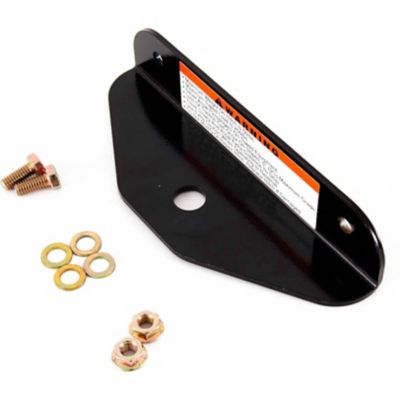
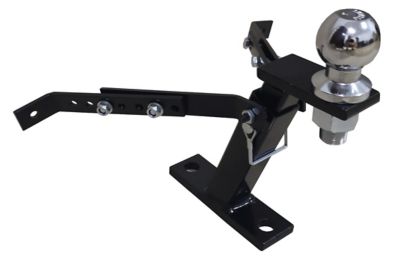
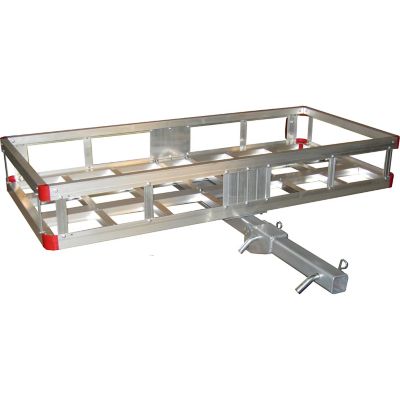
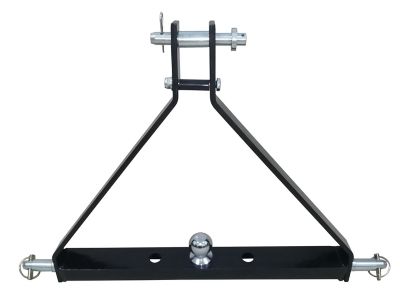
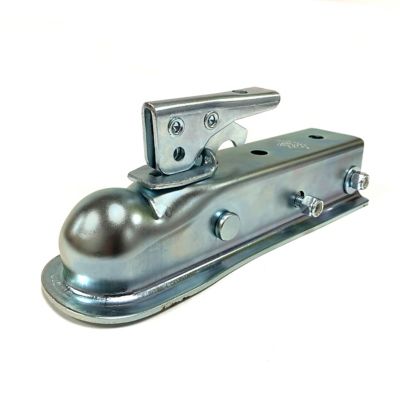
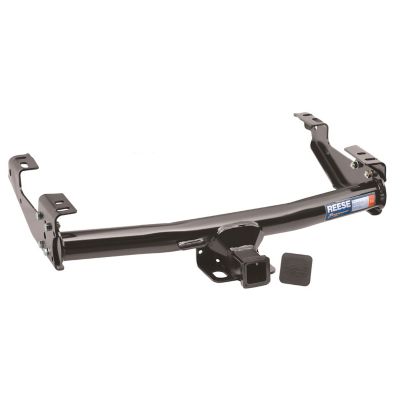
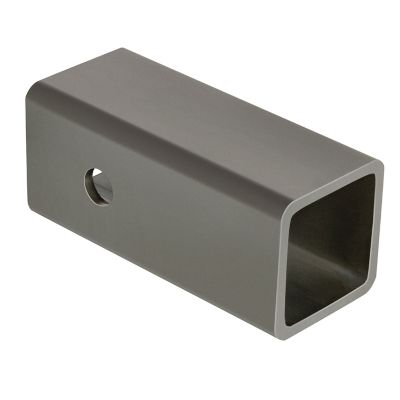
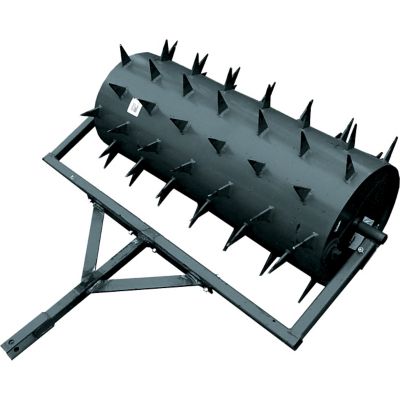
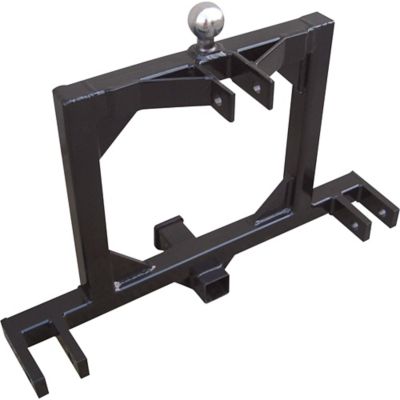
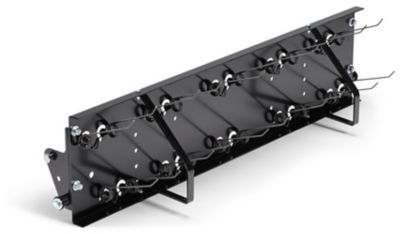
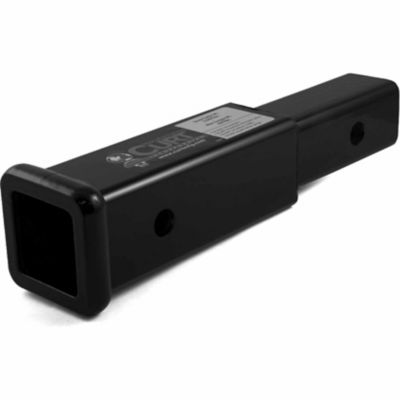
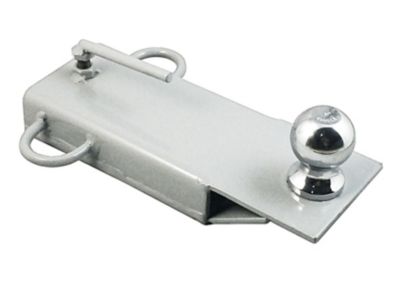
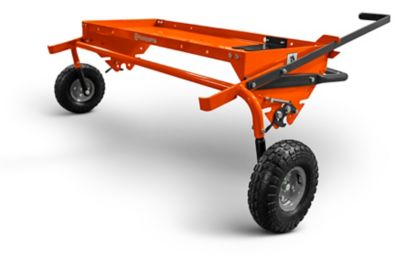
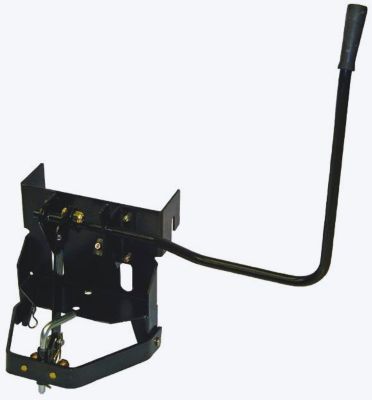
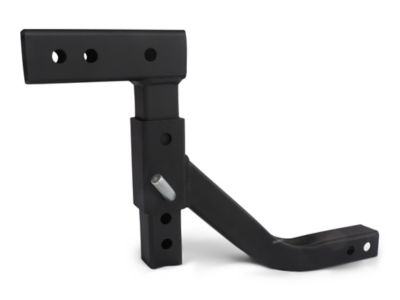
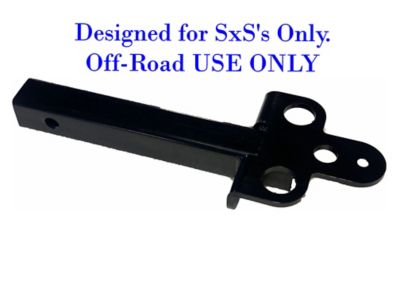
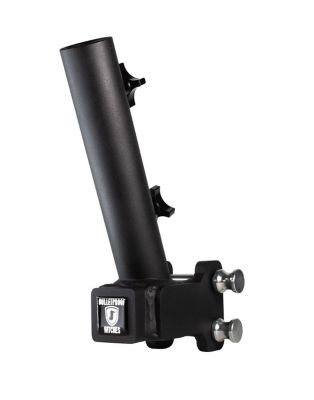
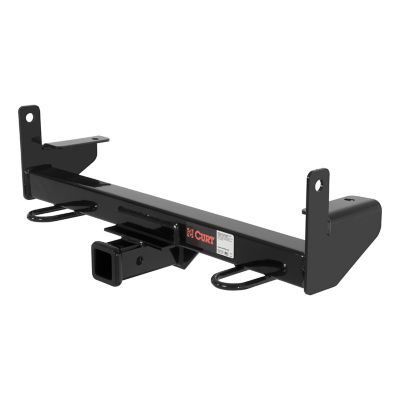
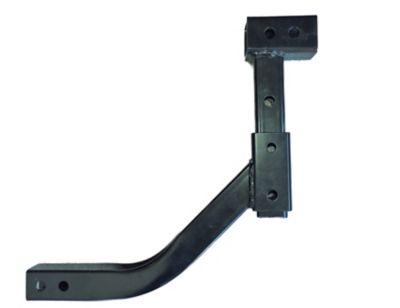
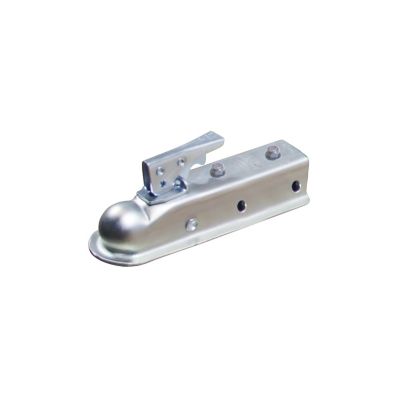
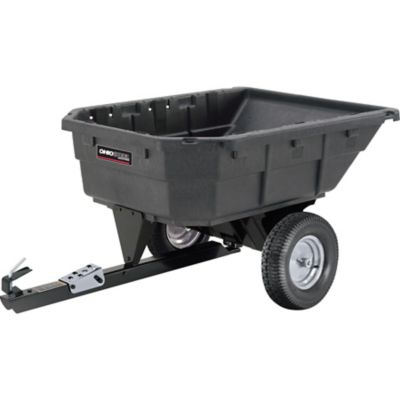
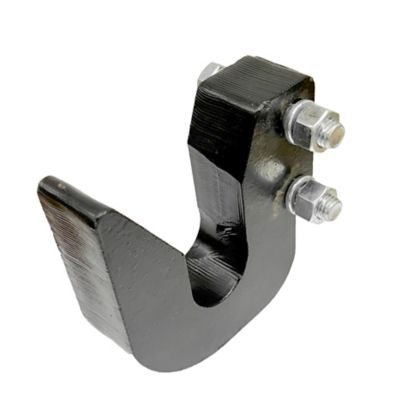
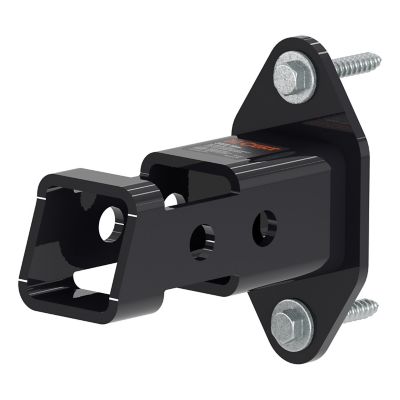
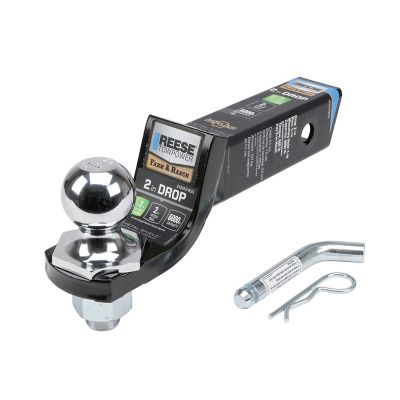
Hitch attachments help you get more work and recreation out of a vehicle, tractor, utility vehicle, or trailer equipped with a receiver hitch. Instead of treating the hitch as a single-purpose towing point, you can use the right attachment to move a trailer, carry gear, mount a bike rack, add a step, or create a more convenient work surface. Common options include ball mounts, adjustable drop hitches, pintle and clevis-style connections, cargo carriers, bike carriers, hitch steps, receiver adapters, winch plates, and other utility accessories. A ball mount is often used for everyday trailer towing, while an adjustable hitch can make it easier to match the height of the vehicle and trailer for a more level connection. Cargo carriers add room for coolers, feed bags, camping supplies, muddy boots, or bulky items that do not fit well inside the cab. A hitch-mounted bike carrier can make it simpler to haul bikes to a trailhead or around the farm, and a step can be handy when climbing into a truck bed or reaching a roof rack. During the warmer part of the year, these attachments can help with landscaping jobs, home projects, fishing trips, and weekend travel. As the weather turns cooler, they remain useful for hauling firewood, hunting equipment, tools, fencing supplies, and seasonal gear. With so many hitch attachments available, the best choice depends on how you work, what you tow, and the kind of receiver already installed on your vehicle or equipment.
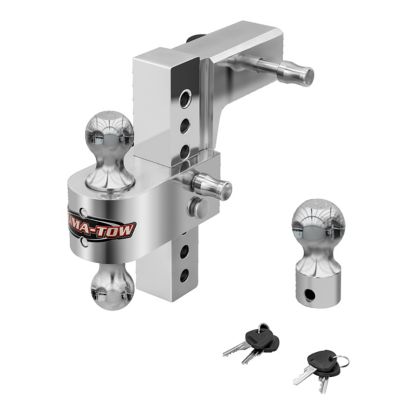
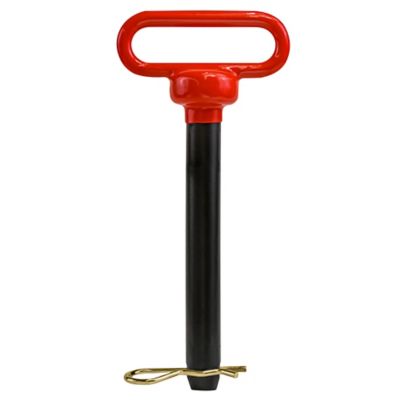
Before choosing a hitch attachment, start by checking the receiver tube size. Common sizes include 1-1/4 inch, 2 inch, and 2-1/2 inch, while some heavy-duty setups use a 3-inch receiver. The attachment must match the receiver or be used with a properly rated adapter made for that purpose. It is also important to check the vehicle, tractor, or hitch manufacturer's ratings for gross trailer weight and tongue weight. Gross trailer weight is the total loaded weight of the trailer and its contents. Tongue weight is the downward force placed on the hitch by the trailer, cargo carrier, or other attachment. Both limits matter, and the lower-rated part of the setup determines how much can be safely carried or towed. Keep an eye on the attachment's own capacity, along with the receiver, hitch, vehicle, tires, and trailer coupler. A strong-looking piece of steel does not automatically make a setup suitable for a heavier load. For trailers, choose the correct ball size and shank diameter, make sure the ball is properly torqued, and use a locking pin or hitch pin that fits the receiver. Pintle or clevis connections may be a better fit for certain agricultural, construction, or off-road equipment, but they should be matched to the lunette ring or connection point and used within the rated capacity. Adjustable hitches are especially useful when one vehicle pulls trailers with different coupler heights; you can learn more through our
Adjustable Hitches selection. Before every trip, inspect the receiver, pin, safety chains, wiring, tires, and attachment for cracks, loose hardware, excessive wear, or rust that could affect performance.
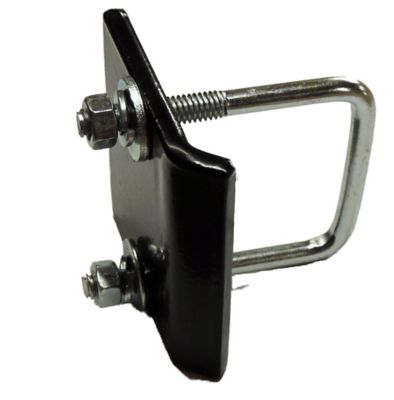
The right hitch attachment can be a practical addition for farmers, ranchers, landscapers, contractors, homeowners, campers, anglers, hunters, and anyone who regularly moves equipment or supplies. A farmer may use a receiver-mounted connection to move a small utility trailer between fields, while a homeowner might use a cargo carrier for mulch, garden tools, or a load of bagged feed. Someone who spends weekends on the road may appreciate a bike carrier or extra cargo space, and a hitch step can be a thoughtful gift for a truck owner who is always climbing in and out of the bed. For work around the homestead, flat mounting plates and utility-style attachments can provide a place for selected tools or equipment, provided the load is secured and the attachment is rated for the job. Anti-rattle devices can help reduce movement and noise between the receiver and attachment, while locking pins add a measure of security when an attachment stays installed in a driveway or parking area. A carrier or rack should be balanced from side to side, and all cargo should be strapped down so it cannot shift, drag, or fall onto the road. Remember that a hitch-mounted load can change handling, braking distance, ground clearance, and visibility, especially on rough lanes or narrow gravel roads. Keep the attachment clear of exhaust heat, lights, license plates, and moving parts, and remove it when it is not needed if it limits clearance. Whether you are hauling a trailer to the pasture, carrying supplies to a project site, or loading up for a day outdoors, choosing a compatible, properly rated hitch attachment helps make each trip steadier, simpler, and better suited to the work at hand.