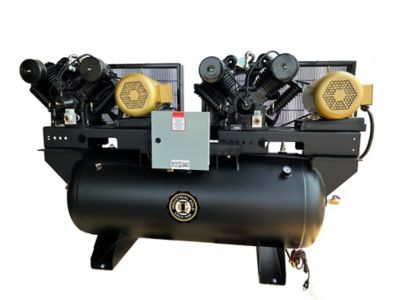
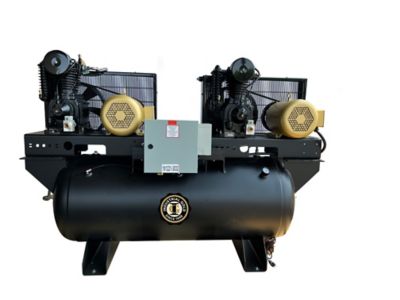
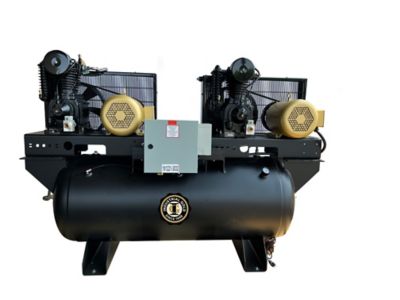
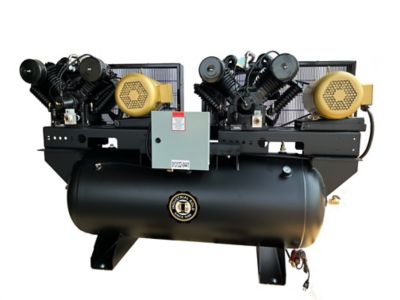
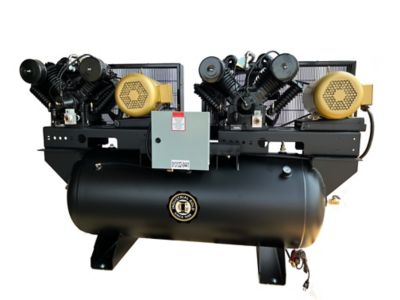
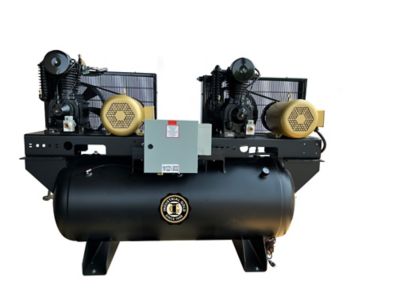
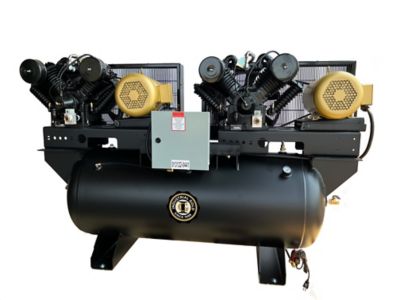
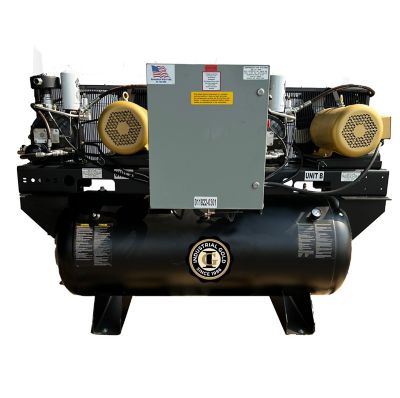
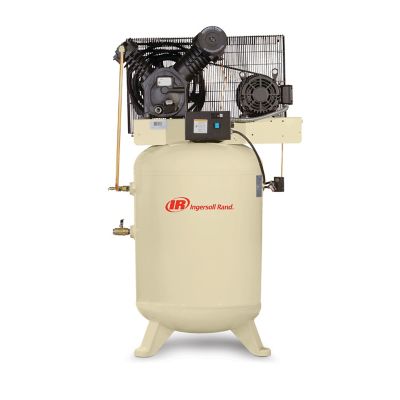
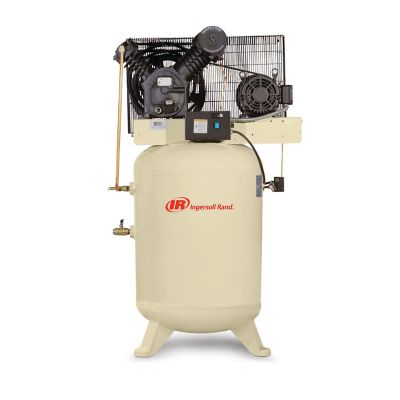
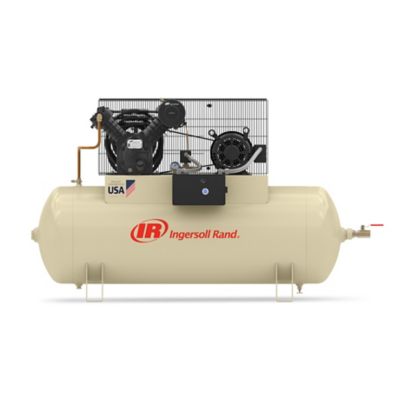
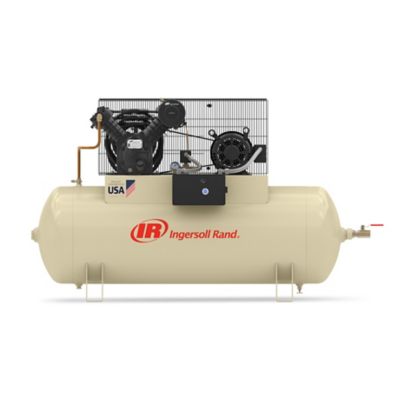
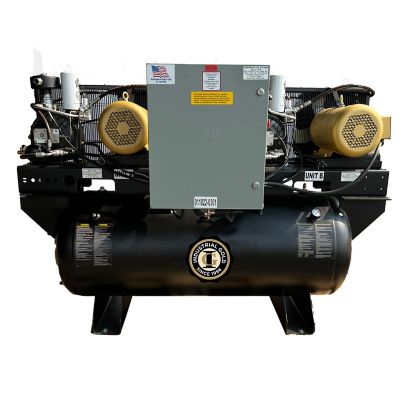
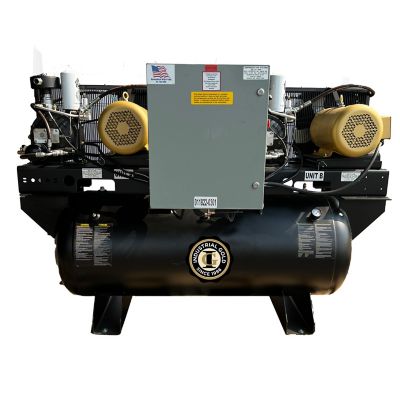
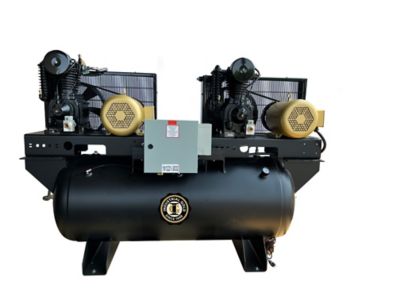
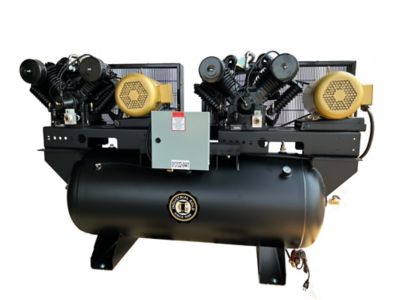
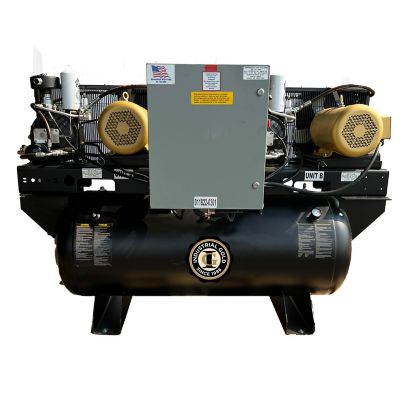
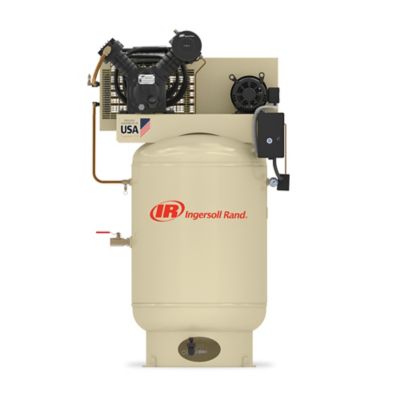
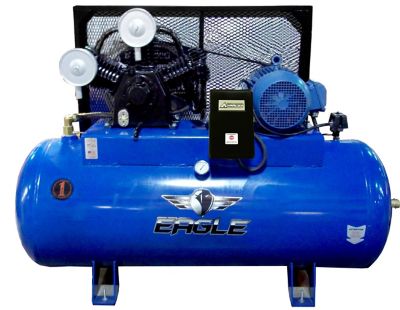
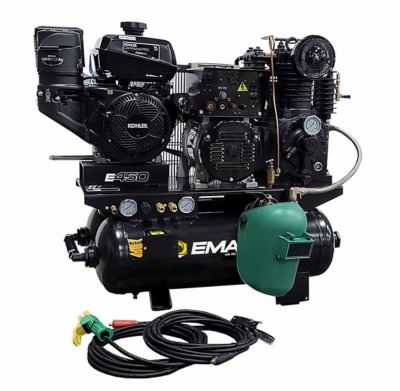
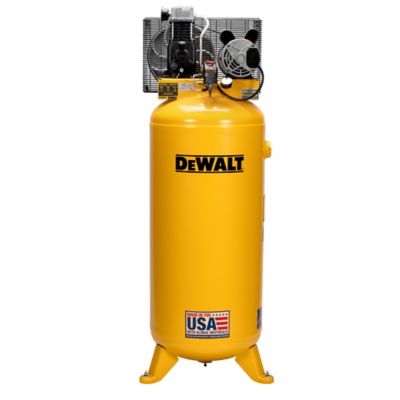
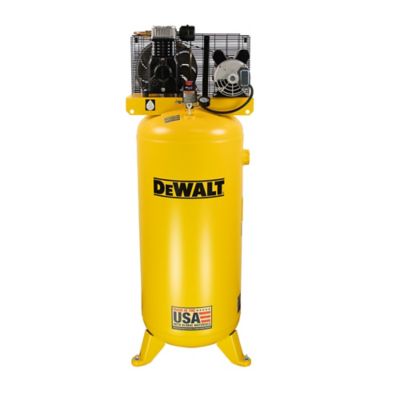
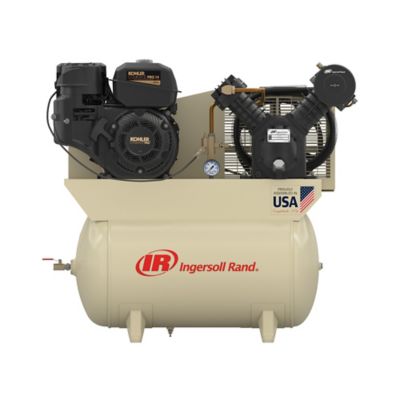
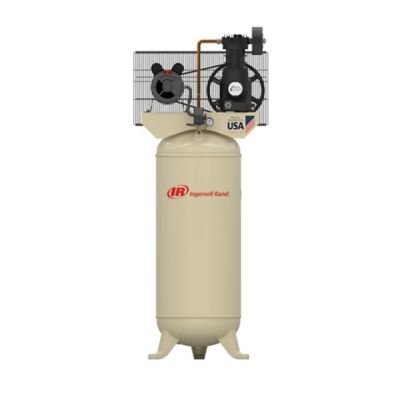
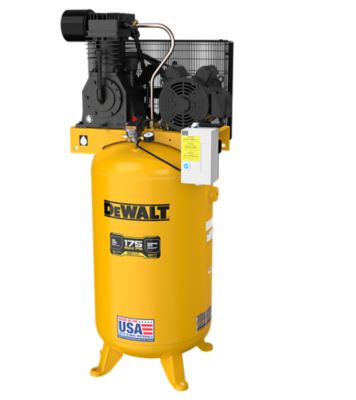
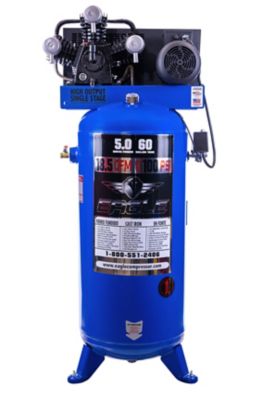
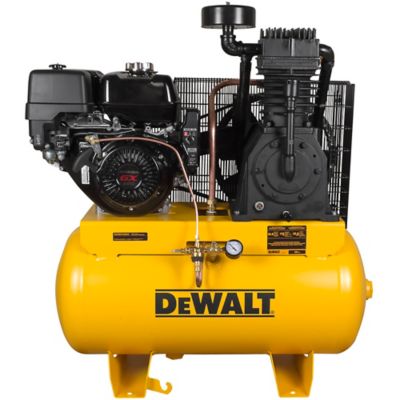
A 120 gallon air compressor is built for steady, demanding work where a small portable compressor would spend more time catching up than running tools. With a large storage tank and a heavy-duty pump, these compressors are commonly used in automotive shops, farm and ranch repair areas, fabrication spaces, manufacturing facilities and other commercial work settings. The tank stores a substantial reserve of compressed air, helping reduce frequent motor cycling when several jobs are being handled through the day. A two-stage, oil-lubricated cast-iron pump is a common setup in this size range, offering the durability and cooling performance needed for repeated use. Many 120 gallon air compressors are rated for pressures up to 175 PSI and may deliver roughly 30 to 38 CFM at working pressure, though output varies by model, pump design and motor. That kind of airflow can support demanding equipment such as impact wrenches, grinders, sanders, blow guns, tire machines, bead blasters and some spray-finishing equipment. In a busy shop, the difference is easy to notice: air tools keep their pull, a tire fills without a long pause, and the compressor can handle one task after another without the stop-and-start rhythm common with smaller tanks. These units are generally intended for permanent installation rather than casual movement around the property. Vertical tanks help conserve floor space in a crowded service bay, while horizontal configurations can work well beneath a workbench or along an open wall. Because a full-size compressor can weigh hundreds of pounds, with many units weighing roughly 800 to 1,000 pounds, plan the delivery route, lifting equipment and final location before purchase. A level, sturdy surface with room around the tank and pump makes inspections and service easier, while good ventilation helps the motor and pump shed heat during long work sessions.
Power requirements deserve close attention before adding a 120 gallon air compressor to a shop or outbuilding. Motors in this class are often rated from about 7.5 to 10 horsepower and may need dedicated 230-volt single-phase service, 230-volt three-phase power or another configuration specified by the manufacturer. Amp draw can be substantial, and some installations call for a dedicated breaker in the 40- to 60-amp range. Electrical work, disconnects, wiring and hardwiring should be handled by a qualified electrician who can verify the building's service capacity and local code requirements. A compressor that has plenty of tank capacity will not perform properly if the wiring is undersized or the power supply cannot meet the motor's starting demand. It also pays to look beyond tank size when comparing options. Check the continuous CFM rating at the pressure your tools actually need, the pump's rated speed, whether the motor is single- or three-phase, and the controls included for automatic start and stop operation. A belt-driven pump may offer accessible service points and a familiar layout for shop owners who are comfortable with routine maintenance. Noise is another practical consideration, especially in an attached garage, enclosed workspace or repair area near the house. Sound levels vary, so review the stated rating and think about where the compressor will run during early starts or cooler-season indoor projects. Tank orientation, drain location, outlet size, included filters and the availability of replacement belts, oil and service parts can make a real difference after installation. A proper air line system matters just as much as the compressor itself. Rigid piping with suitable drops, shutoff valves, filters and a regulator can deliver cleaner, steadier air to the point of use, while flexible hose is useful for the final connection. Keep the compressor in a dry, clean area away from rain, wash water, excessive dust and flammable vapors, and leave enough clearance for the flywheel, belt guard, oil fill and drain valve.
These 120 gallon air compressors fit the needs of people whose work depends on dependable air rather than occasional inflation. A mechanic may use one for lug nuts, suspension work and tire service; a farmer or rancher may rely on it for equipment upkeep, cleaning debris from machinery and running air tools during repairs; and a fabricator may need sustained airflow for grinding, cutting, surface preparation or finishing work. They can also serve a small production floor where multiple workstations share an air line, provided the compressor's output, piping and duty cycle match the total demand. For lower-volume maintenance, a smaller tank may be easier to install and more economical to operate. Shoppers comparing this size with
25 Gallon Air Compressors will generally find that the larger 120 gallon format offers more reserve air and better support for high-demand tools, while taking up more space and requiring more substantial electrical service. Before choosing, make a list of the tools that will run at the same time, note each tool's CFM requirement, and add extra capacity for startup surges and future equipment. It is wise to select a unit that can meet the shop's real demand without running continuously, since constant cycling can increase wear and heat. Regular care helps protect that investment: drain accumulated moisture from the tank and air lines, check the oil level and change oil according to the service schedule, inspect belts and guards, clean intake filters and listen for unusual vibration or knocking. Moisture is especially common when warm, humid air is compressed, and it can lead to rust, clogged tools or poor paint results if it is not managed with drains and filtration. As the weather warms, keep an eye on ventilation and motor temperature during long runs; during cooler months, allow oil and machinery to warm as recommended before heavy use. With the right power, airflow, installation and maintenance plan, a 120 gallon air compressor can become a dependable workhorse for the shop, barn or commercial workspace, ready for the steady stream of repairs and projects that come with keeping equipment moving.