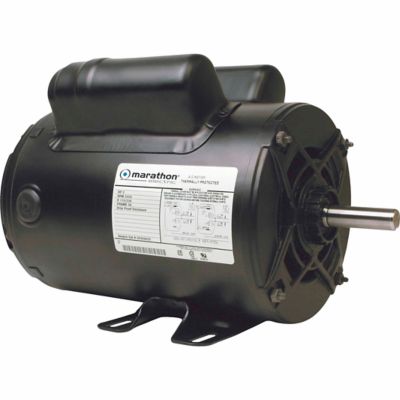
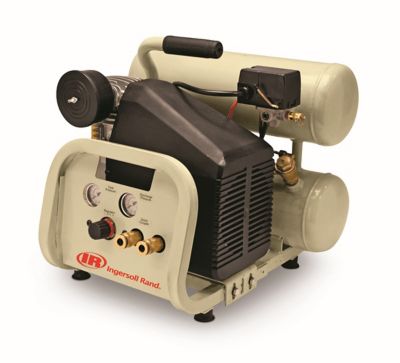
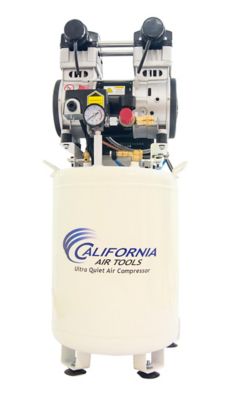
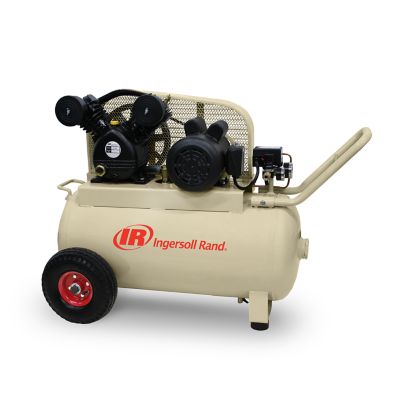
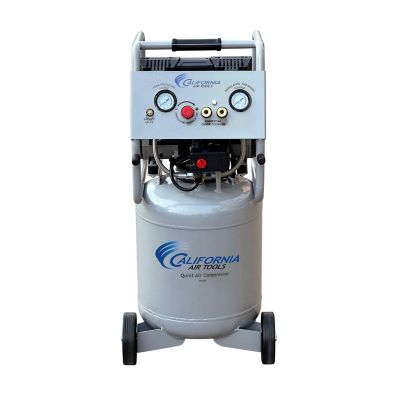
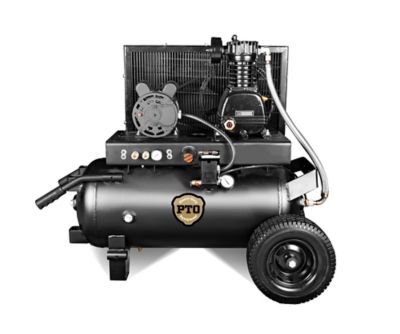
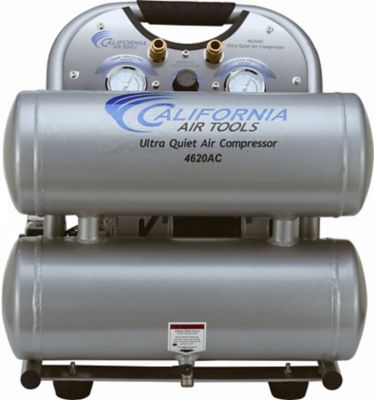
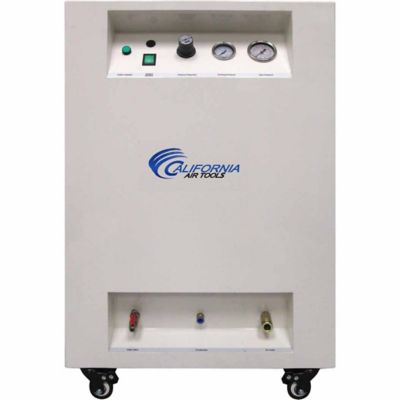
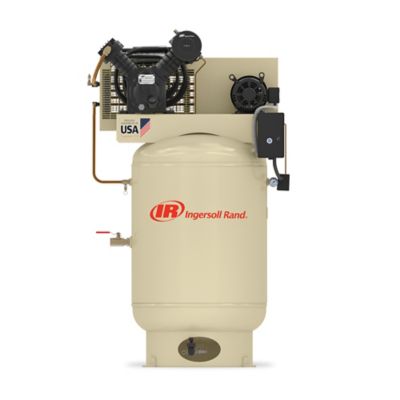
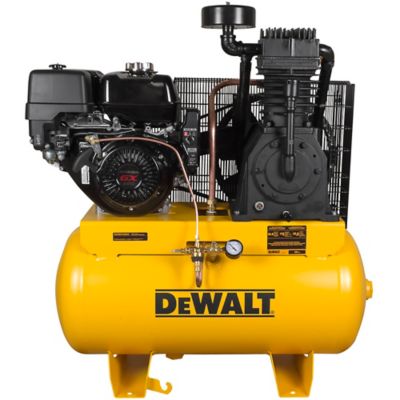
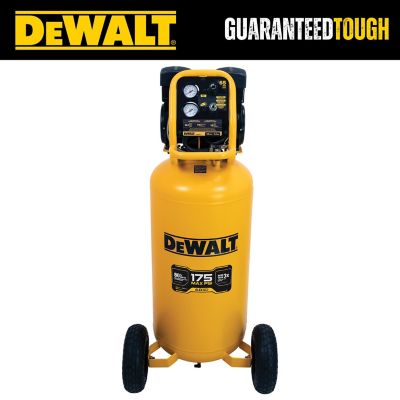
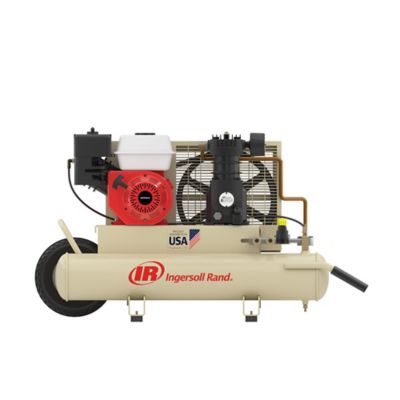
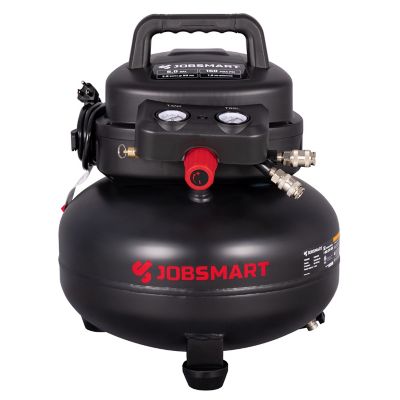
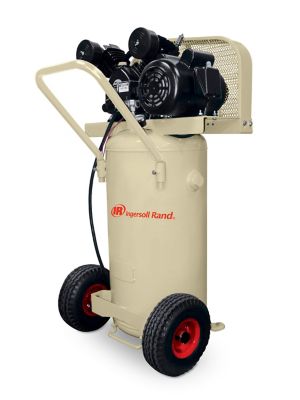
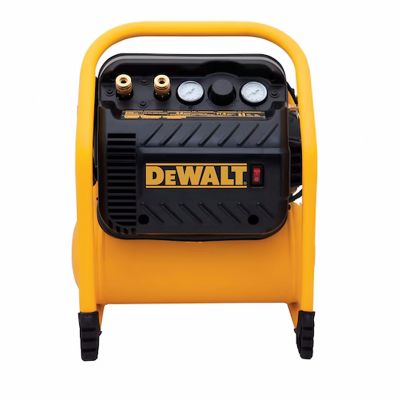
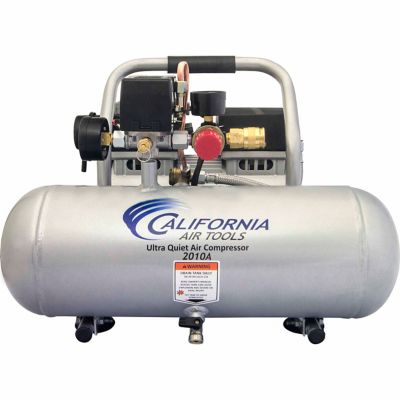
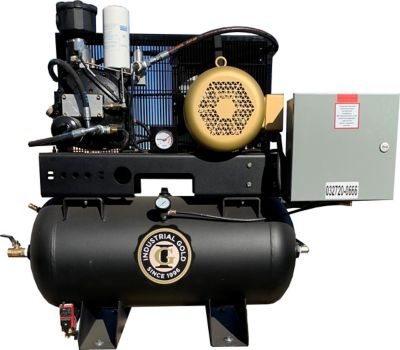
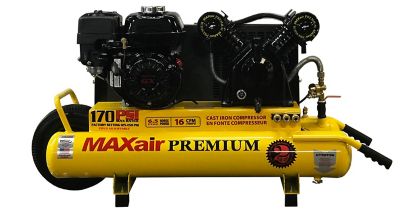
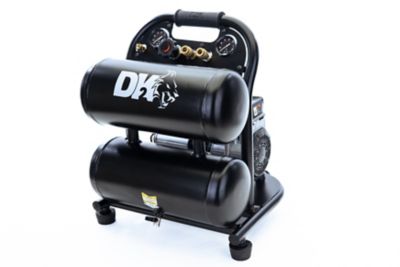
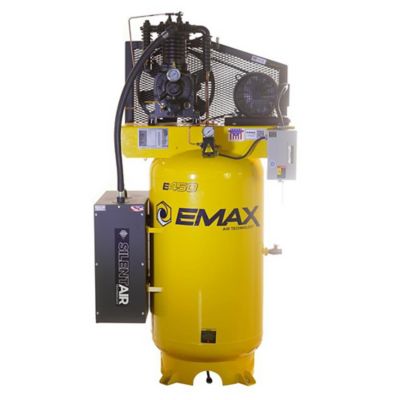
A 2 HP air compressor has a two-horsepower motor that powers its pump, making this size worth considering for home garages, farm shops and small workshops with everyday compressed-air jobs. Tire inflation, finish nailing, stapling and short bursts from compatible air tools are common tasks, but horsepower alone does not tell the whole story. The most useful comparison is the compressor’s delivered airflow at the pressure a tool needs. That airflow is often listed as standard cubic feet per minute, or SCFM, at a stated pounds-per-square-inch pressure, or PSI. A nailer that fires now and then places a different demand on the system than a sander that runs steadily across a workpiece. Some impact wrenches can work with a 2 HP compressor for occasional fastening jobs, while sustained sanding, grinding or spray work may call for more airflow than a particular compressor can supply. Matching the tool’s stated air requirements to the compressor’s output helps keep expectations grounded before a job reaches the workbench. Tank capacity matters, too: a larger tank stores more compressed air and can support a longer burst before pressure drops, but it does not increase the pump’s ongoing air production. Recovery time describes how long the system takes to replenish that stored air. Duty cycle is another important rating because it establishes how much the compressor can run within a specified period without exceeding its operating limits. For someone airing up utility-trailer tires, fastening cabinet trim or tending to occasional repairs around the place, those details say more about everyday fit than the horsepower number by itself. Comparing running horsepower rather than mixing running and peak ratings also makes the numbers more meaningful. The right balance leaves enough breathing room for the intended tools without treating a compact shop compressor like a full-time industrial air system.
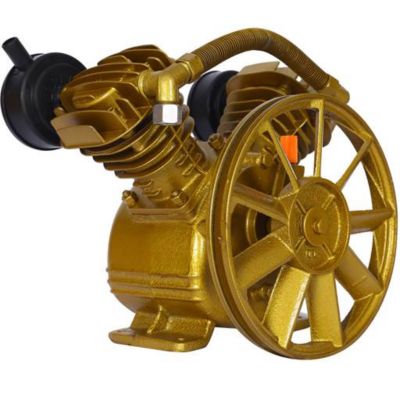
The physical layout of a 2 HP air compressor can make a real difference in a crowded garage or a shop shared with mowers, feed carts and other equipment. Vertical tanks take up less floor space, while horizontal designs may fit beneath shelving or along a low wall, provided the manufacturer’s clearance requirements are met. Wheels and well-placed handles help when the compressor needs to move between work areas, though the full weight, balance and path across the floor still matter. A wheeled unit that rolls easily over smooth concrete may be awkward on gravel or across a tall doorway threshold. Steel tanks are common, and pump construction may include cast-iron or aluminum components, depending on the design. Protective frames, accessible controls and sturdy mounting points are practical features to compare for a busy work area. Oil-free pumps eliminate pump-oil changes, while oil-lubricated pumps require attention to the specified oil and service schedule; neither design eliminates routine inspection or tank drainage. Direct-drive and belt-drive layouts also differ in access, maintenance needs and operating sound. Noise ratings deserve a close look when the compressor will sit near the bench where someone spends hours working, although published sound figures are most useful when measurement conditions are comparable. Electrical fit is just as important as floor space. Two compressors with the same horsepower rating may have different voltage, amperage or circuit requirements, so the nameplate and operating manual should match the intended outlet and circuit. A nearby, properly rated power source and enough air hose to reach the job can make a more workable setup than stretching an unsuitable extension cord across the floor. Hose diameter, hose length, couplers and fittings all affect how well air reaches the tool, especially when the tool draws a steady supply. A long, undersized hose can leave a tool short of pressure even when the tank gauge looks fine.
Comparing 2 HP air compressors with
200 PSI Air Compressors means comparing two different specifications: motor power and maximum pressure. A compressor can fall into both categories, but a higher maximum PSI rating does not automatically mean it delivers more SCFM. Higher tank pressure can store more air in a given tank size, while the regulator brings outlet pressure down to the level appropriate for the connected equipment. Hoses, couplers and accessories must be rated for the pressure they can encounter, and tools should never receive pressure beyond their stated limit. Clean, dry air matters for dependable tool operation and an even spray finish, so filtration and moisture separation deserve consideration alongside the compressor itself. Painting may require more air treatment than tire inflation, and air-tool lubrication needs should stay separate from lines intended for spraying. Everyday care is straightforward but important: inspect hoses for cracking, check connections for leaks, keep intake areas clear and follow the maker’s tank-draining schedule to remove collected water. Moisture left inside a steel receiver can contribute to internal corrosion, making drainage more than a housekeeping chore. Before maintenance, shut off power and follow the manufacturer’s instructions for releasing pressure and securing the equipment. A damaged or heavily corroded tank calls for professional evaluation rather than welding or patching at home. Easy access to the drain valve, readable gauges and reachable controls make these routine checks less of a hassle. For a homeowner maintaining a few vehicles, a woodworker handling trim projects or a small-acreage owner keeping equipment ready for the next task, a well-matched compressor becomes a practical part of the shop. The best fit comes down to the work waiting at the end of the hose: enough airflow for the tool, enough stored air for the task and a setup that suits the space where the work gets done.