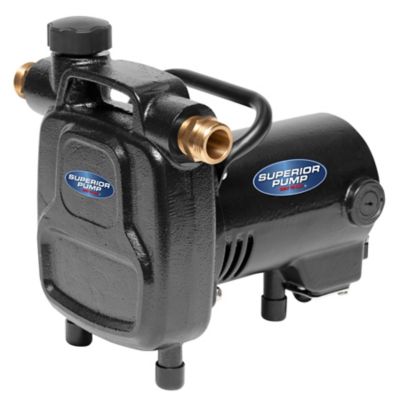
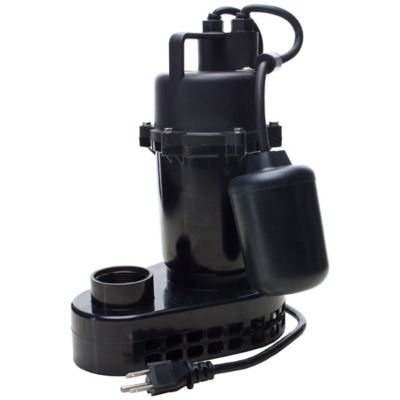
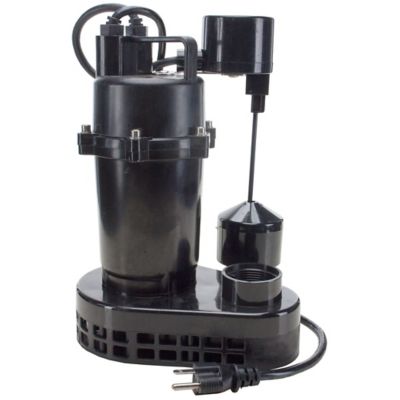
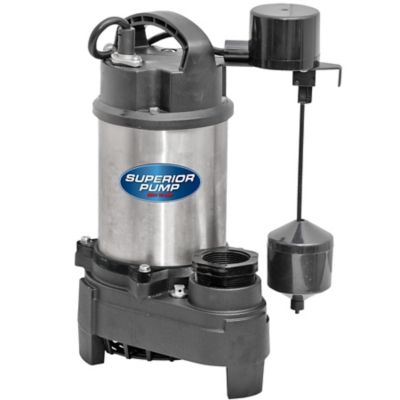
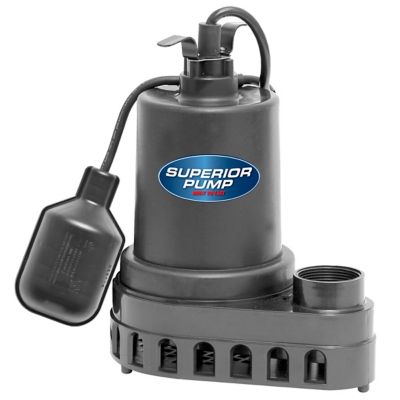
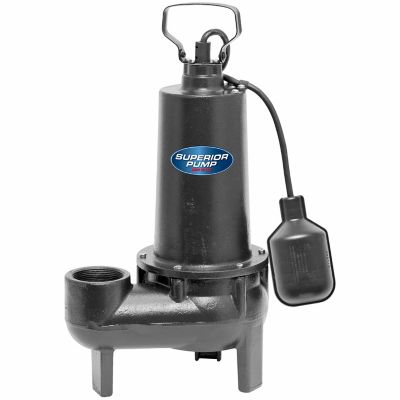
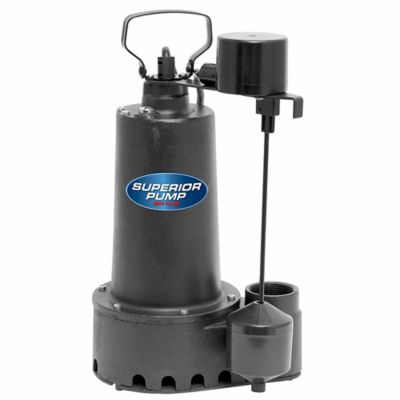
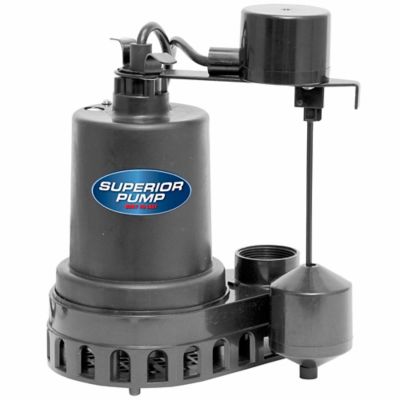
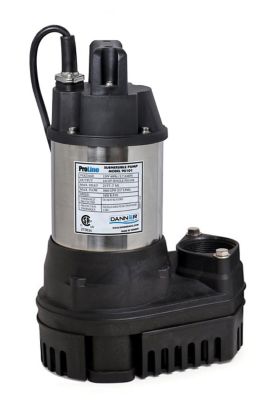
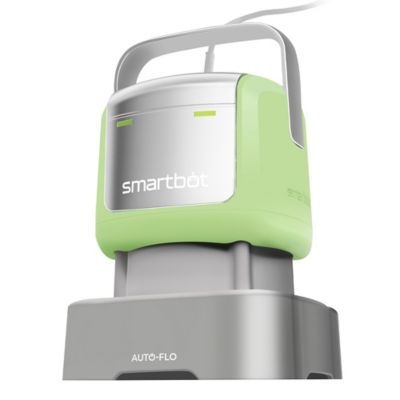
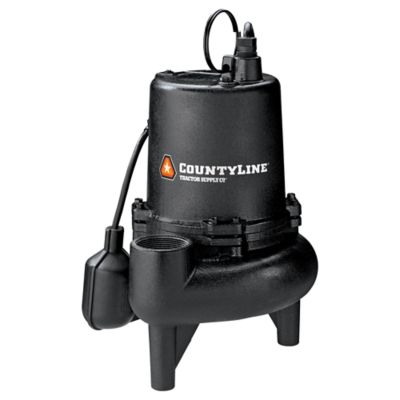
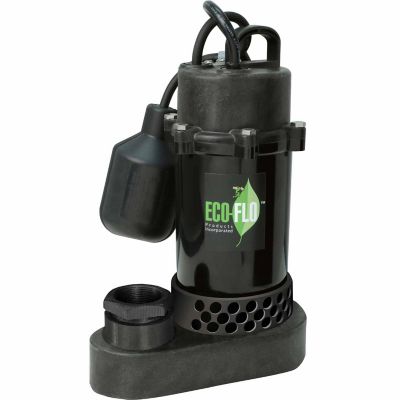
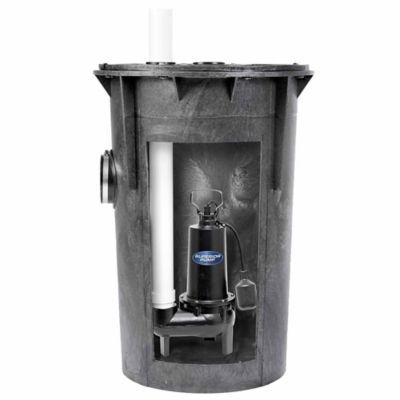
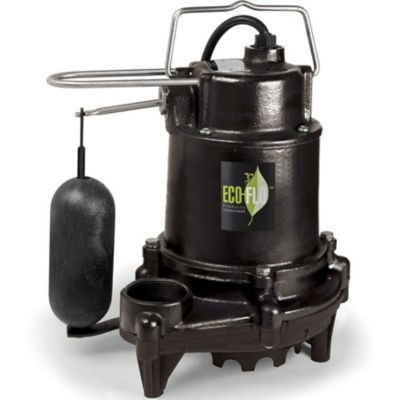
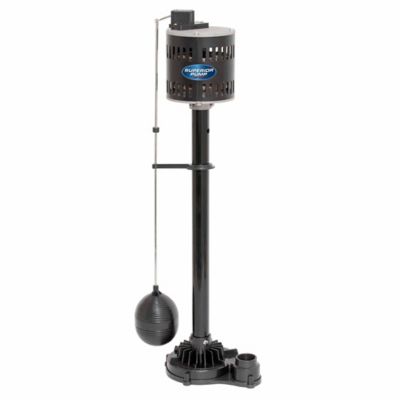
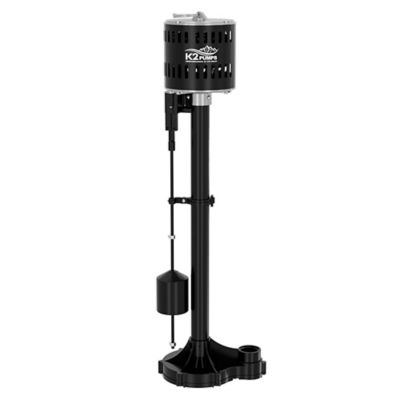
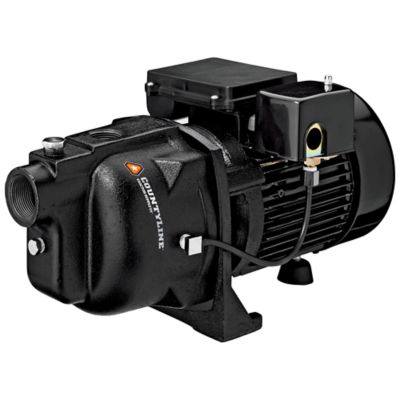
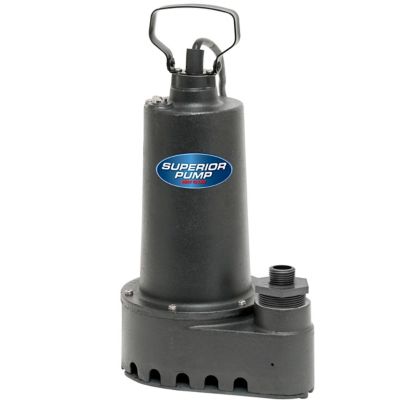
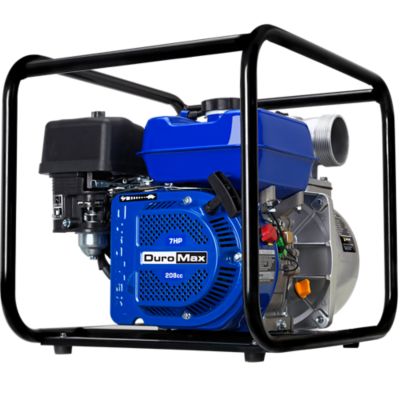
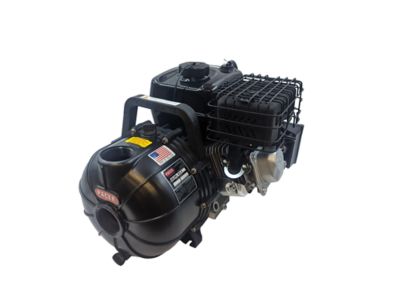
A 1/2 HP pump is a practical size for many everyday water-moving jobs around the house, farm, workshop and outbuildings. Depending on the pump style and the amount of lift involved, a 1/2 horsepower utility or sump pump may move roughly 3,900 to 4,300 gallons per hour, while a shallow-well pump may deliver around 10 to 12 gallons per minute. Those numbers are useful starting points, but the pump’s real-world performance depends on more than horsepower alone. Before choosing one, look at the flow rate, maximum head height, discharge size and intended water source. A pump that moves plenty of water at ground level may slow down considerably when pushing water uphill through a long hose. For a basement sump pit, crawl space, stock tank, pond, trench or other low-lying area, a submersible utility pump can be a handy way to clear standing water. Many 1/2 HP submersible pumps are designed to sit directly in the water, where the motor housing helps keep the unit cool during operation. A screened intake can help keep leaves, grit and larger debris away from the impeller, though most utility pumps are intended for relatively clean water or light debris rather than thick mud, heavy sludge or sewage. Check the product details for the minimum water level needed to start pumping and the lowest level the pump can reach before shutting off. Automatic float switches are convenient for sump applications because they can turn the pump on as water rises and shut it off as the level drops. Manual models can be useful when you want close control over draining a tank, trough or flooded area, but they should never be left running unattended unless the instructions specifically allow it.
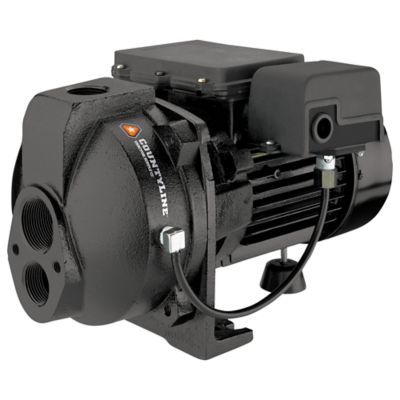
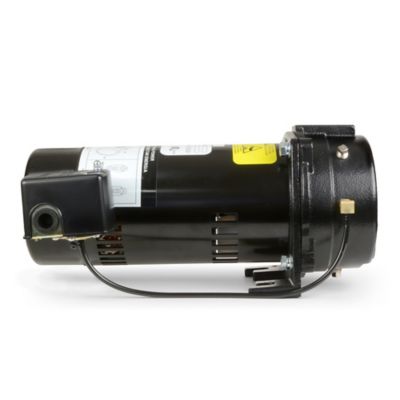
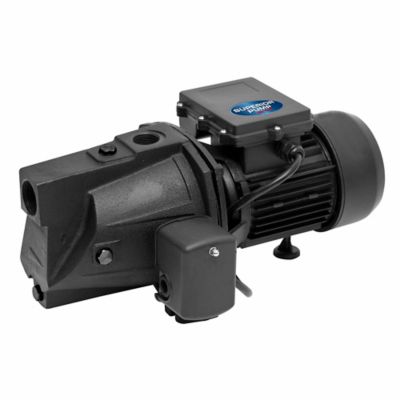
For homes supplied by a well, the right 1/2 HP pump depends heavily on well depth, water level, pressure needs and the total distance the water must travel. Shallow-well jet pumps are generally used for water sources up to about 25 feet, while deep-well submersible pumps may serve wells reaching roughly 150 to 200 feet when the pump’s rated capacity, pressure requirements and total dynamic head are a proper match. Those depth figures are not universal guarantees; the well’s static water level can change, and every elbow, foot of pipe and elevation change adds to the work the pump must do. A pump that is too small may struggle to build household pressure, run longer than expected or fail to keep up with faucets, livestock watering points and irrigation demands. A pump that is larger than needed can cycle too often or use more electricity than necessary. Look for specifications that show flow at different head heights instead of relying on horsepower by itself. For a replacement, matching the existing pipe size, voltage, pressure switch range and connection type can make installation much smoother. A pressure tank and properly adjusted pressure switch are also important parts of many well-water systems, helping reduce rapid cycling and providing a steadier supply at the tap. If the pump will serve drinking water, confirm that the materials and installation setup are suitable for potable water and follow local plumbing requirements. Electrical safety matters around every pump. Use the correct voltage, a grounded outlet and ground-fault protection where required, and keep connections protected from standing water. Turn off power at the breaker before handling the pump, float, plumbing or wiring. Rural properties often have a little of everything going on at once—a damp pit under the barn, a low spot beside the shop and a well house that has seen plenty of cold mornings—so a pump selected for the actual job is more dependable than one chosen by horsepower alone.
When comparing 1/2 HP pumps, start by writing down what needs to be moved, how far it must travel and how often the pump will run. A homeowner preparing a basement for the cooler months may want an automatic sump pump with a dependable float switch, while someone draining a water feature or emptying a holding tank may prefer a portable utility pump with a longer power cord and a convenient carrying handle. On a small farm, a suitable pump can help manage water around a stock tank, greenhouse, wash area or equipment shed, provided the unit is rated for that water and is protected from freezing weather, livestock and accidental impact. Gardeners and property owners may use one for rainwater transfer or seasonal irrigation, but the pump should be sized for the hose length, sprinkler demands and available water volume. A 1/2 HP pump can also be a thoughtful practical gift for a new homeowner, someone fixing up an older farmhouse or a family member who takes care of a rural property; it is the kind of tool that may sit quietly on a shelf until a storm fills a low spot or a tank needs emptying, then prove its worth in a hurry. Keep in mind that pumps and air-moving equipment serve different jobs, so someone setting up a workshop may also be shopping for
2 HP Air Compressors for tires, nailers or cleanup. For pump care, rinse away sediment after use when the instructions permit, inspect the cord and housing, clear the intake screen and store portable units where freezing temperatures cannot damage trapped water. During cooler weather, drain exposed plumbing and follow the manufacturer’s winterizing directions. With the correct flow rating, lift capacity, construction and controls, a 1/2 HP pump can provide steady help with water management from the basement to the barn.