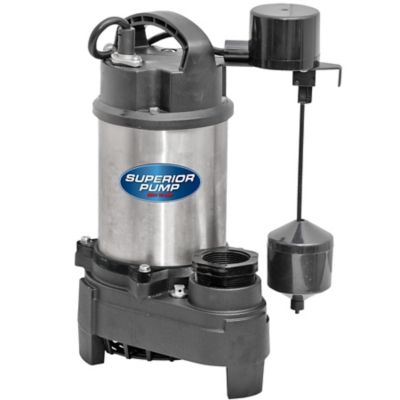
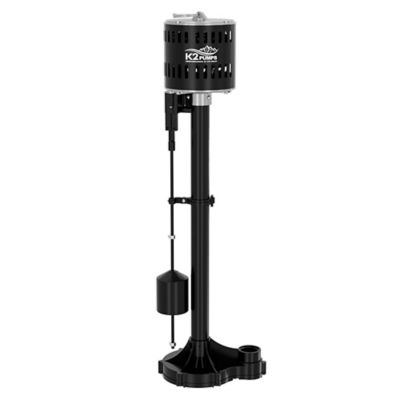
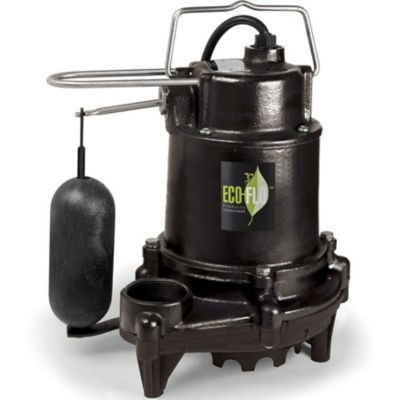
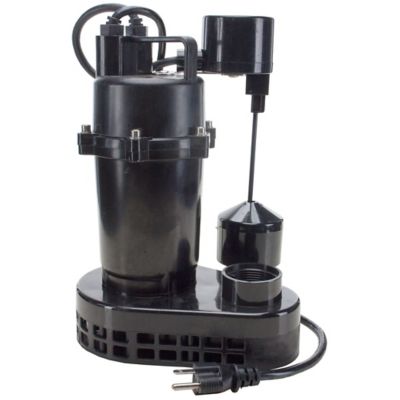
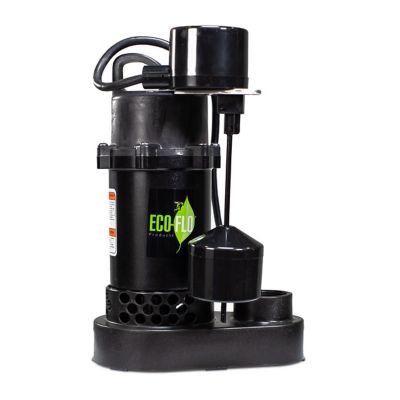
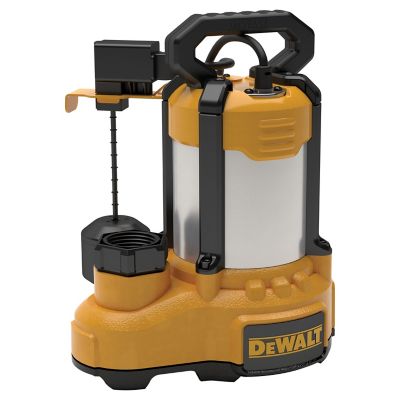
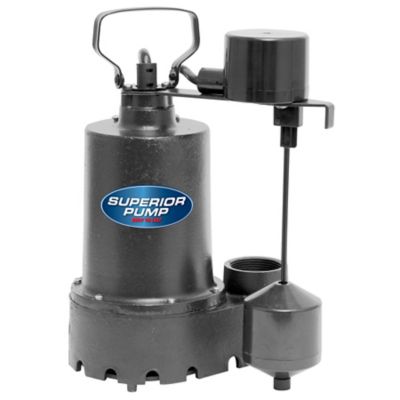
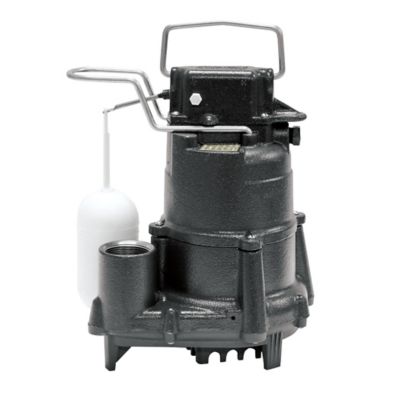
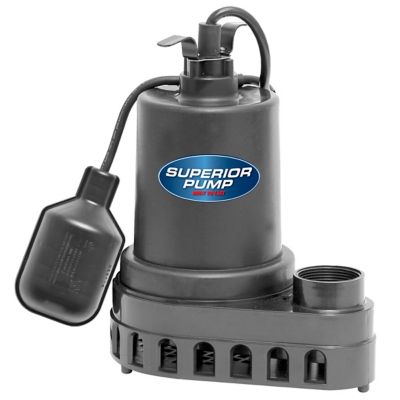
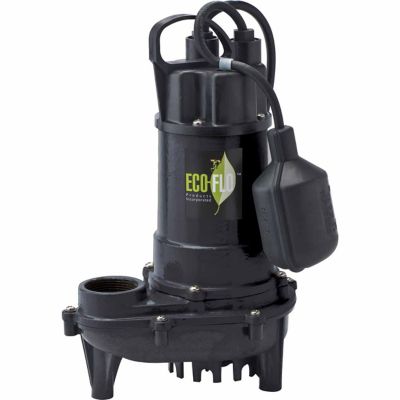
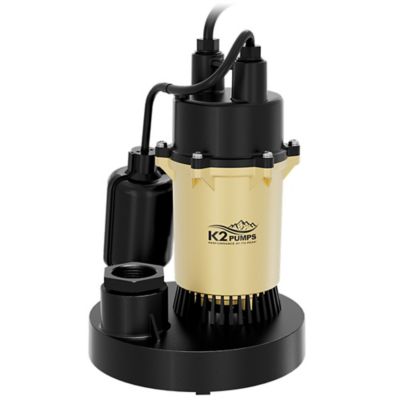
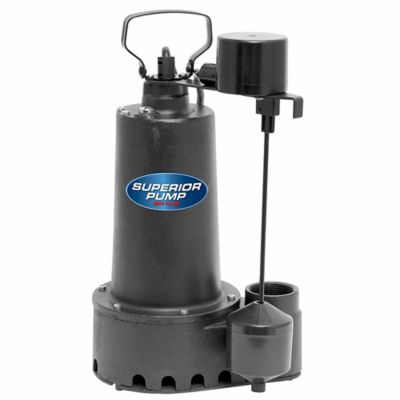
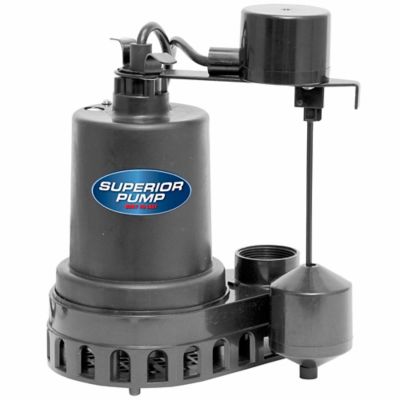
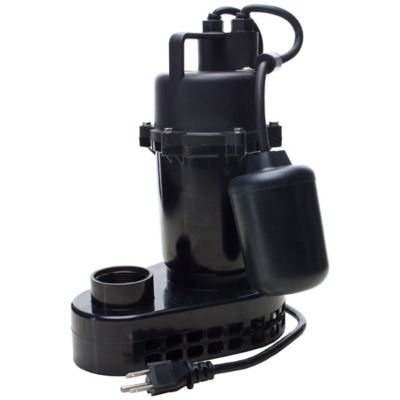
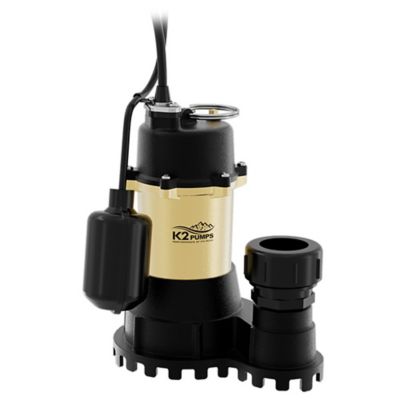
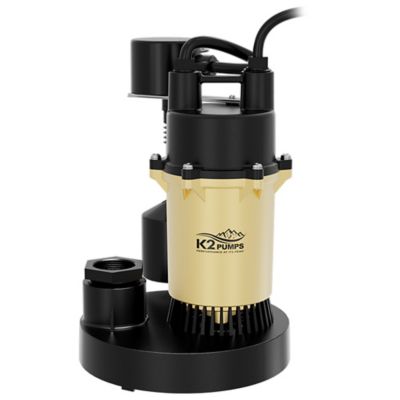
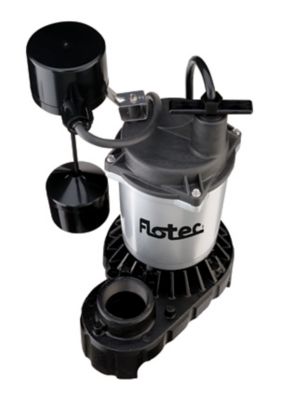
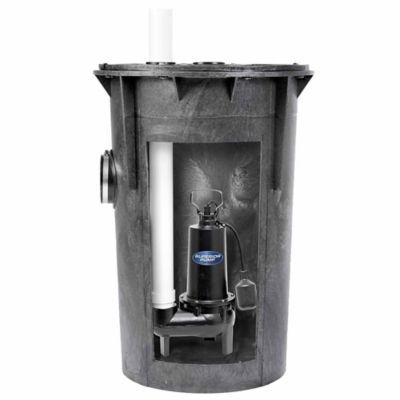
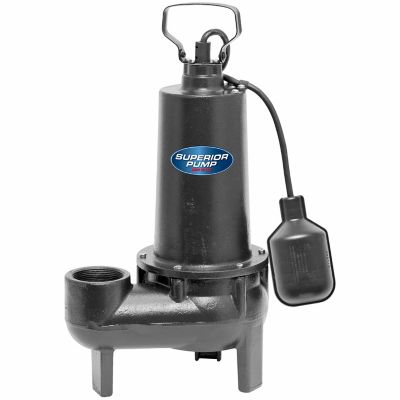
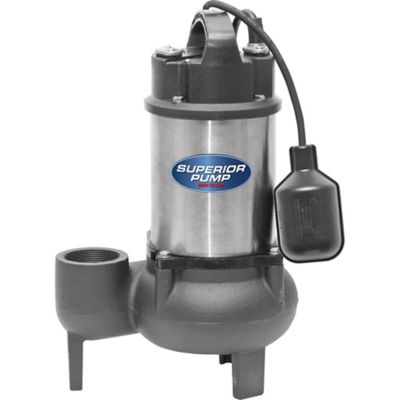
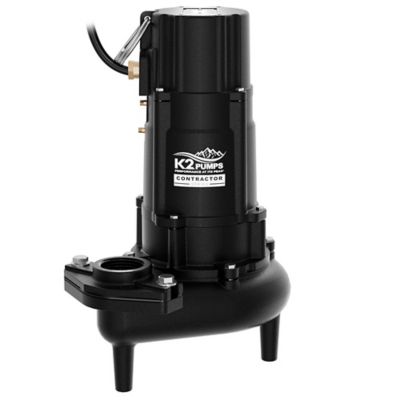
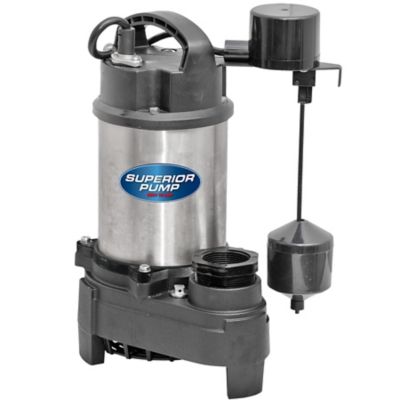
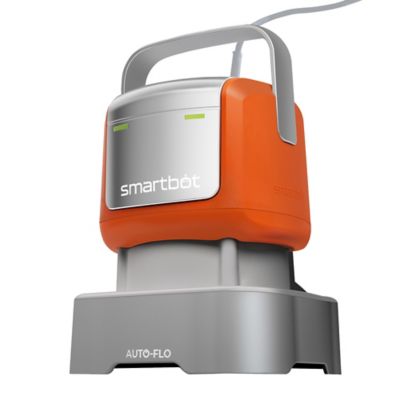
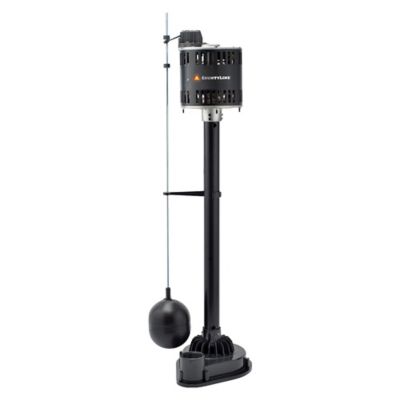
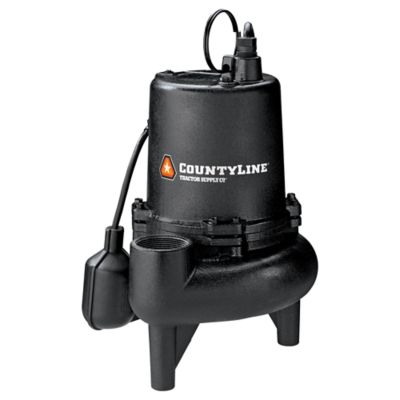
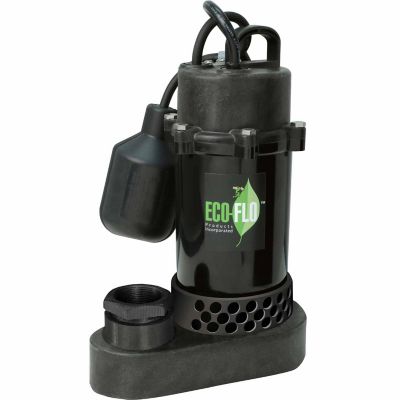
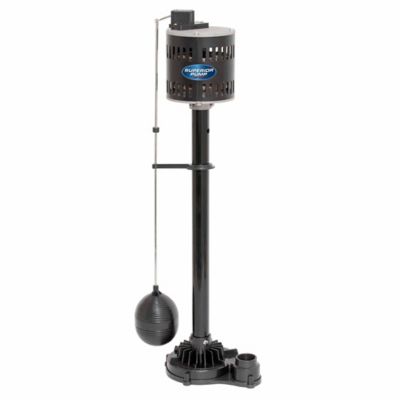
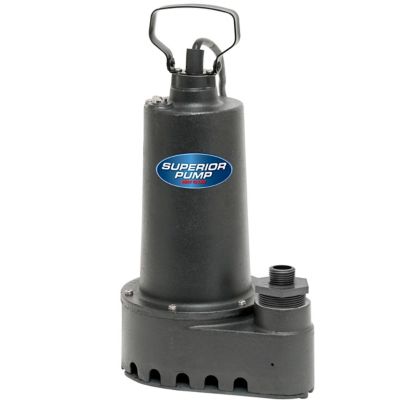
A 1/2 HP sump pump is a solid choice for homeowners, landlords, shop owners and small farm operators who need dependable water removal from a basement, crawl space, storm shelter, utility room or other low-lying area. With more power than many light-duty pumps, a 1/2 horsepower model can help manage a larger basin, a higher water table or heavier runoff during wet weather. These pumps are often rated to move roughly 3,500 to 5,200 gallons per hour at zero lift, though the actual flow drops as water has to travel uphill and through a longer discharge line. At a typical 10-foot vertical lift, many models move somewhere around 3,500 to 4,000 gallons per hour. That difference between rated capacity and real-world performance is important when you are comparing options. A pump that looks powerful on paper may move less water once it pushes through the discharge pipe, elbows, check valve and outdoor section of line. Before choosing a 1/2 HP sump pump, measure from the bottom of the pit to the point where water exits, then account for the horizontal distance and any bends in the pipe. A straightforward discharge route usually gives the pump an easier job. These pumps generally use standard household electricity in the 115- to 120-volt range and may draw about 7 to 9.5 amps while running, but electrical requirements vary by design. If you plan to operate a pump with a portable generator during a power outage, allow roughly 1,000 to 1,200 running watts and additional starting capacity, then confirm the pump and generator requirements before an emergency arrives.
Construction is another area worth a close look, especially if the pump will run often or sit in a damp pit for years. Cast iron can provide a sturdy, weighty base that helps keep the pump planted while it runs, while stainless steel offers corrosion resistance and a durable finish. Thermoplastic and mixed-material designs can be lighter and easier to handle when cleaning or replacing a pump. The best material depends on the basin, water conditions and how frequently the pump is expected to operate. Clear water from ordinary groundwater is different from muddy runoff carrying grit, sand or small bits of debris. Check the manufacturer's guidance for the kind of water the pump can handle, and avoid sending string, gravel, grease or other large material into the basin. A 1-1/2-inch NPT discharge connection is common for this horsepower range, but connection size and fittings should always be matched to the pump and existing plumbing. Reducing the pipe size can restrict flow, while an undersized or poorly supported discharge line may strain the system. A check valve helps keep water from flowing back into the pit each time the pump shuts off, which can reduce short cycling and unnecessary wear. Automatic pumps commonly use a vertical float, tethered float or another switch style to turn on as the water rises and shut off after the level drops. Make sure the switch has room to move freely and will not catch on the basin wall, cords or discharge pipe. Thermal overload protection is also helpful because it can shut the motor down if it gets too hot. Some designs are made to reduce clogging or air-lock problems, but routine inspection still matters. A cover over the sump basin can help keep out dirt, odors and curious pets while giving the float and plumbing enough room to work properly.
A 1/2 HP sump pump is often a practical fit for standard sump pits measuring about 11 to 18 inches across or wider, though the pump body and switch must fit the actual basin shape and depth. Measure the pit before ordering, including any narrow spots, lid openings or interior supports. For a new installation, place the pump on a stable, level surface at the bottom of the basin rather than directly on loose soil or gravel. Keep the power cord and plug away from standing water, use a properly grounded outlet protected by a ground-fault circuit interrupter where required, and follow local electrical and plumbing codes. Homeowners in low spots, properties near creeks, places with a high water table and houses with a history of seepage may appreciate the extra capacity of a 1/2 HP unit. It can also make sense for a large basement with several drainage channels feeding one pit, though capacity should be matched to the basin and the amount of water entering it. A primary pump handles regular water removal, while a battery backup or separate emergency pump can provide another layer of protection when storms knock out power or the main pump stops working. Keep in mind that a backup system is not always included with a primary pump, so check what is part of the setup before planning your protection. During the warmer, wetter parts of the year and through the cooler months, test the float by adding water to the basin and confirm that the pump starts, moves water outdoors and shuts off cleanly. Look outside at the discharge point as well; a line blocked by leaves, ice or soil cannot do its job no matter how strong the motor is. Recheck the setup after heavy rain, freezing conditions or nearby digging. For related options and other horsepower ratings, browse
1/2 HP Pumps to compare pump styles for basements, barns, garages, crawl spaces and other hardworking areas around your property.