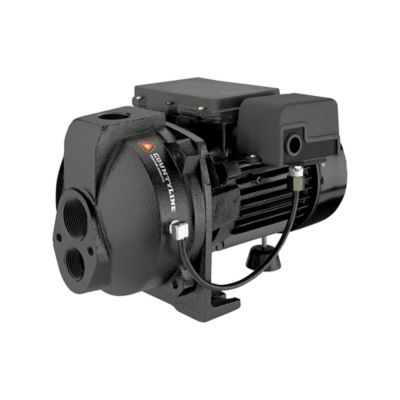
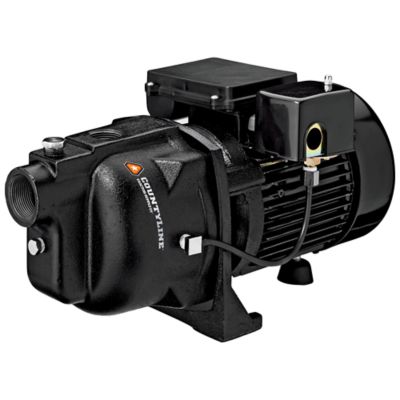
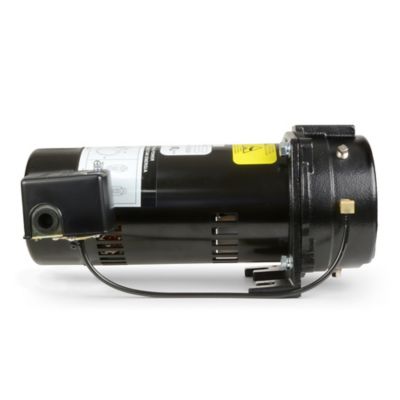
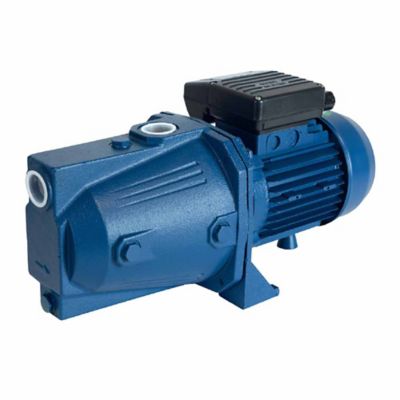
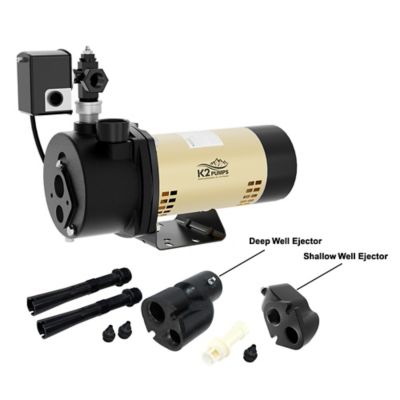
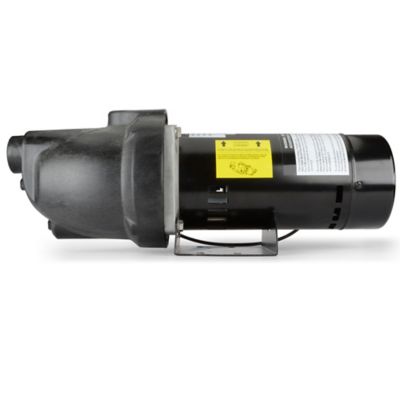
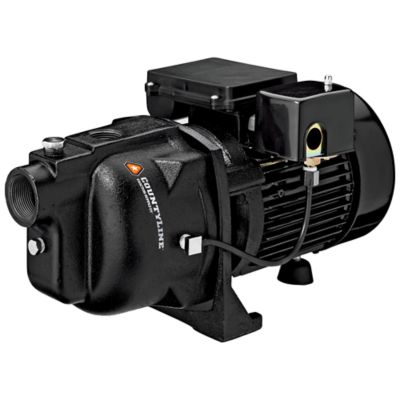
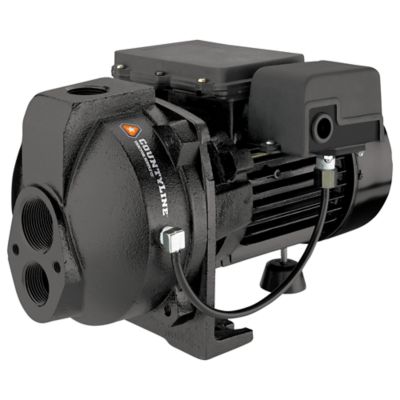
A 1 hp jet pump is an above-ground water pump that can supply pressurized water for a home, garden or farm water system when matched to the water source and plumbing. Shallow-well configurations commonly draw from a pumping water level up to about 25 feet below the pump, though higher elevations and pipe friction can reduce that practical suction lift. That measurement is the vertical distance to the water while the pump is running, not the total depth of the well. A well may extend much farther underground and still suit a shallow-well setup if its pumping water level stays within the pump’s working range. Convertible jet pumps can serve different well arrangements, with a compatible ejector assembly and piping configuration allowing certain models to draw from deeper water. The jet assembly directs water through a nozzle to create suction, while the motor provides the power that keeps water moving through the system. For a rural household, that can mean water at the kitchen sink, a working shower and a hose connection near the barn. For a small acreage, it might mean supplying garden watering lines or filling livestock troughs through suitable plumbing. Horsepower is only one part of comparing
Jet Pumps; a 1 hp rating describes motor power, not a single flow rate or guaranteed pumping depth. Gallons per minute depend on lift, discharge pressure, pipe size and the pump’s performance curve. A pump’s highest listed flow and highest listed pressure generally represent different operating points, rather than performance it delivers at the same time. A house with a shower running while someone fills a stock tank places a different demand on the system than a single garden hose. Matching the expected flow and pressure to those everyday jobs helps keep the focus on how the pump will work at the property, rather than on horsepower alone.
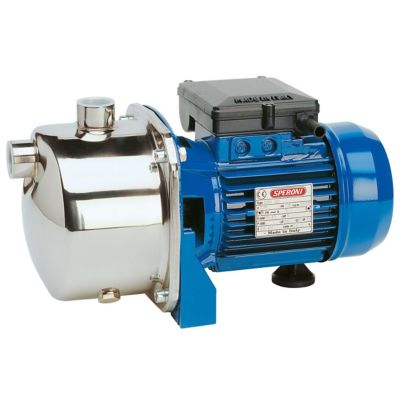
Construction and installation fit matter just as much as output. Cast-iron housings bring substantial weight and a solid feel to a stationary setup, while stainless steel and thermoplastic components offer different combinations of corrosion resistance, weight and maintenance needs. The housing material does not tell the whole story: the impeller, diffuser, shaft seal and other wetted parts also affect how the pump handles its water supply over time. Clear water within the manufacturer’s limits is the intended supply for many residential jet pumps. Sand, grit and other sediment can wear internal parts, and a standard well pump is not a substitute for equipment intended to move muddy water or debris. For drinking-water systems, materials and certifications appropriate for potable water are important considerations throughout the installation, including fittings, sealants and connected plumbing. Physical fit includes room for the housing, secure mounting and access to the priming opening, drain plug, wiring compartment and service points. Pipe connection sizes and thread types need to match the system, with suction piping sized and arranged to limit restrictions and air leaks. A connection that admits air on the suction side can interrupt water delivery even when no water appears to leak out. Electrical compatibility also varies: some motors accept more than one supply voltage, but the nameplate, wiring configuration and circuit requirements determine the proper connection. Qualified electrical work helps address grounding, circuit protection and any required disconnect. In a typical household pressure system, the pump works alongside a pressure tank and pressure switch. The tank provides stored drawdown between starts, while the switch signals the pump to run as pressure falls. Tank sizing, switch settings and the pump’s operating range need to work together. A larger motor does not make up for an undersized tank, and raising a switch setting beyond the system’s limits can create trouble instead of stronger service.
The right setup also takes the water source into account. A well that refills slowly cannot supply an unlimited stream simply because the motor has more horsepower. Sustained demand from sprinklers, trough filling and household fixtures needs to stay within the well’s yield, with appropriate protection where low-water conditions are a concern. At a place with a few animals and a large vegetable patch, staggering those demands may make more sense than expecting every outlet to run together. A pressure tank helps reduce frequent starts, but it does not increase the amount of water the well produces. Above-ground placement puts many jet-pump service points within reach, although the installation still needs a suitable location with ventilation, protection from water intrusion and clearance around the motor. Everyday care centers on keeping the system sealed, properly supported and operating within its limits. Jet pumps generally require priming before operation, and running without water can damage seals and other components. Depending on the system design, a foot valve or check valve helps retain water in the suction line so the pump can hold its prime. Repeated loss of prime, frequent cycling, unusual vibration or a change in delivered pressure can point to issues elsewhere in the system, including leaking piping, tank problems or a restricted water supply. Those signs deserve attention rather than repeated restarts. Power should be disconnected and system pressure relieved before service, with repairs and adjustments handled according to the equipment instructions and local requirements. Keeping installation records, motor information and the system’s normal pressure range handy makes later service easier. For homeowners, small-farm operators and anyone maintaining a private water supply, a well-matched 1 hp jet pump is part of a complete working system. Its long-term performance depends on the source, piping, controls and care around it, helping water reach the house, garden or livestock area without asking the equipment to do a job beyond its limits.