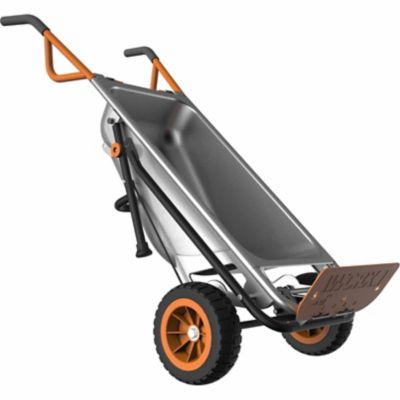
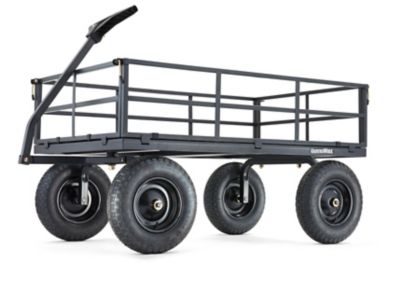
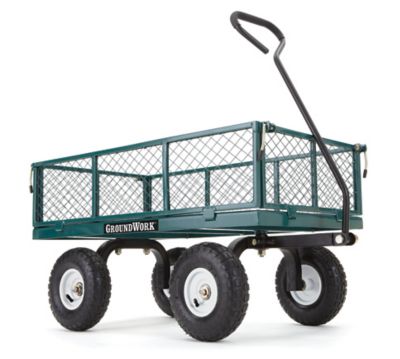
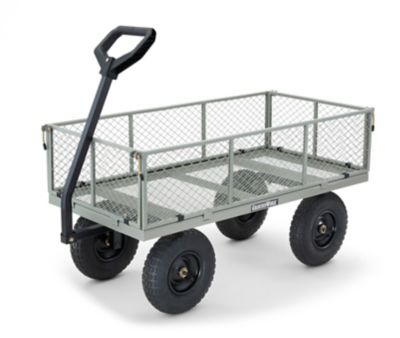
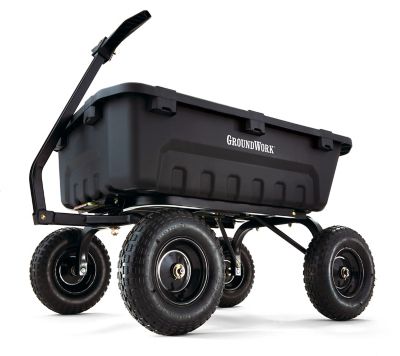
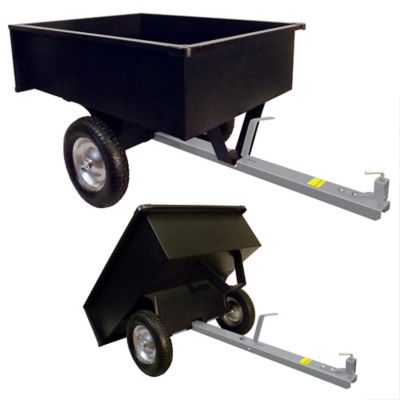
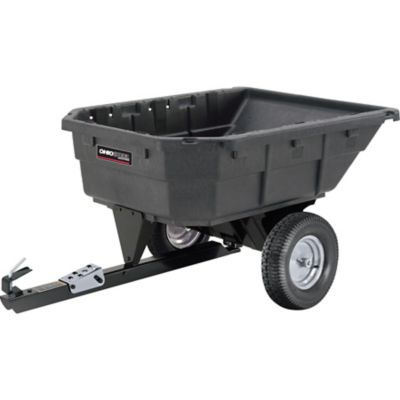
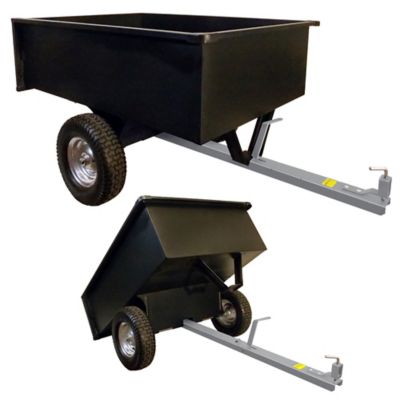
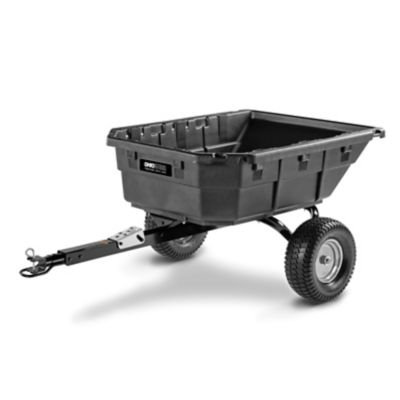
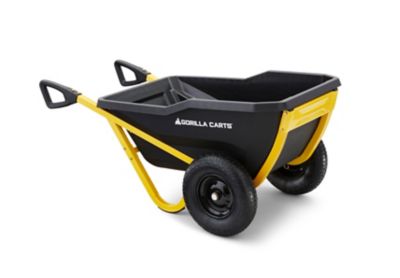
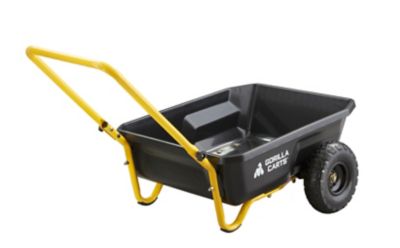
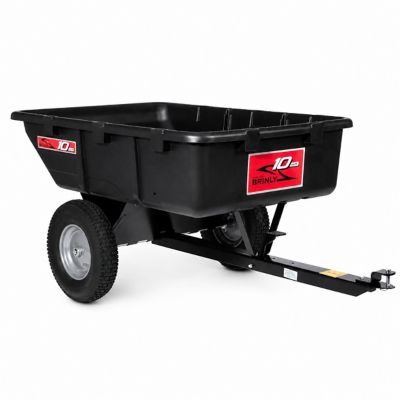
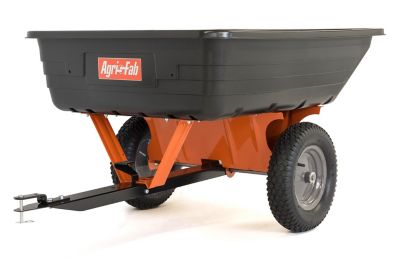
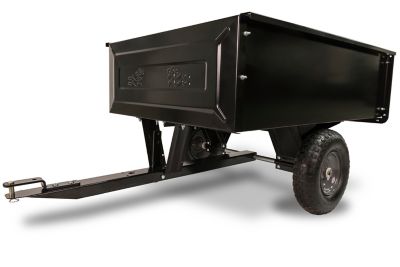
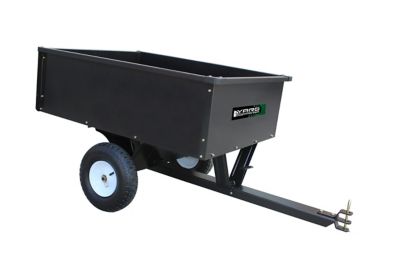
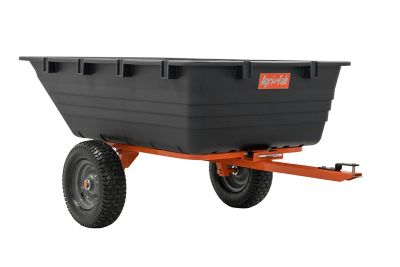
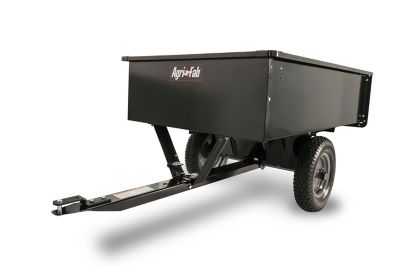
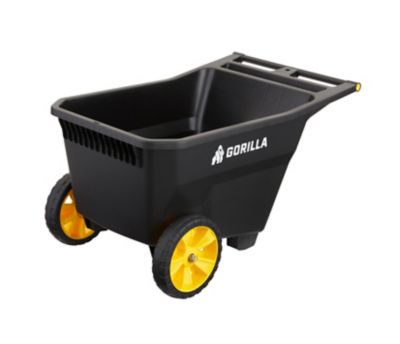
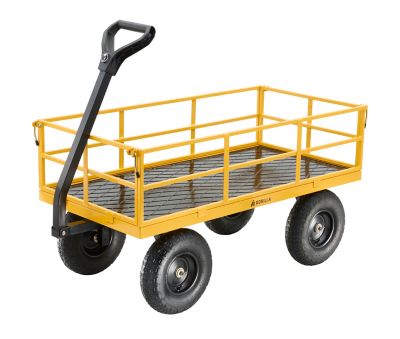
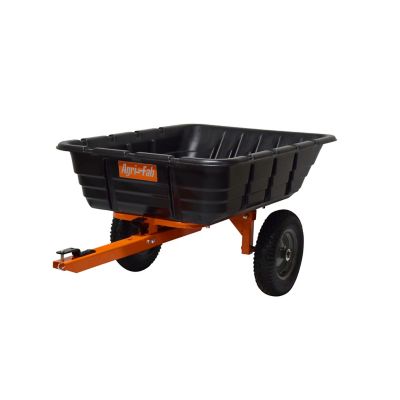
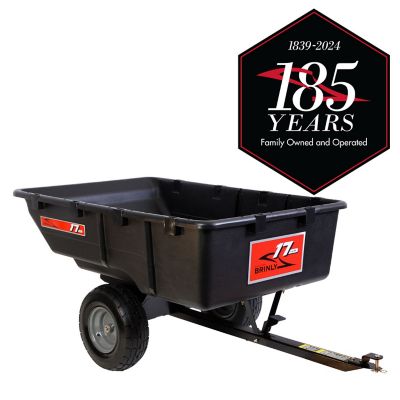
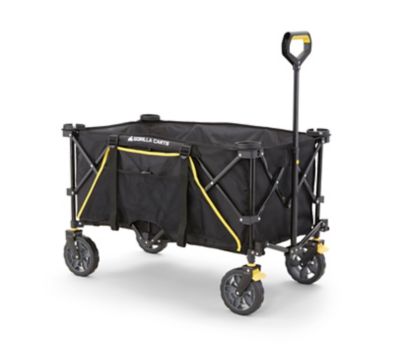
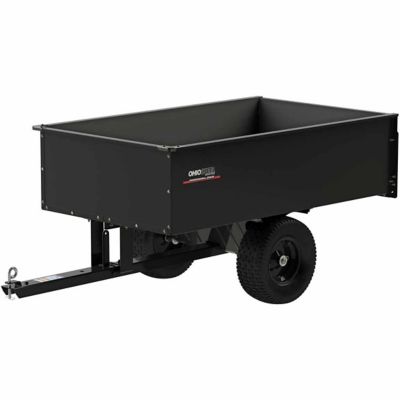
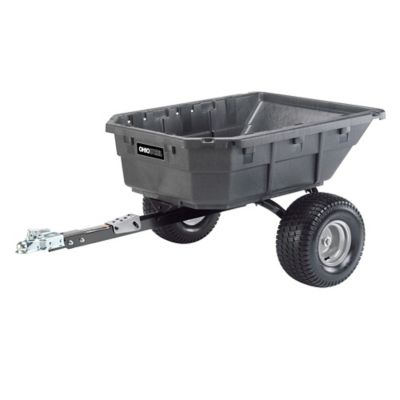
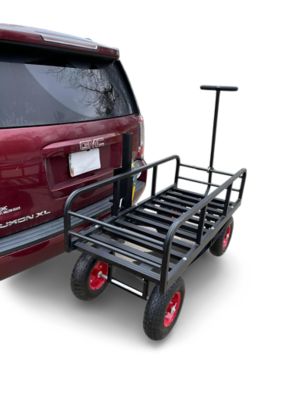
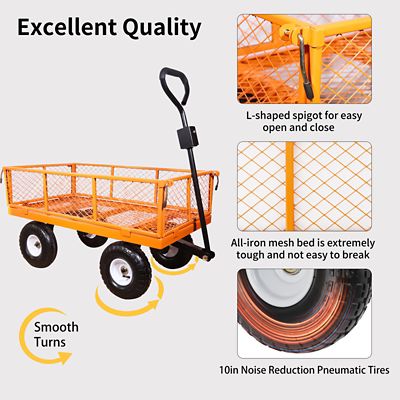
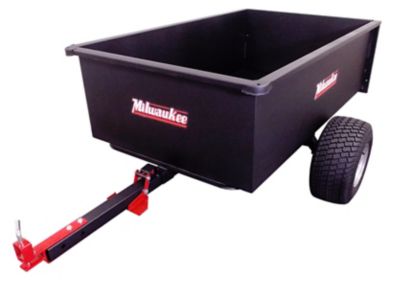
Yard carts are wheeled hauling tools that carry soil, mulch, plants, tools, and yard debris between work areas. Most have two or four wheels, with a bed or tub that keeps the load together while a handle provides pulling or steering control. Around a garden, along a fence line, or between the shed and the back gate, a cart puts everyday supplies within reach without making every trip an armload. A wider wheel stance can make balancing a load easier than it is with a single-wheel wheelbarrow, although footing, load placement, and terrain still matter. Different cart styles suit different chores. A molded poly tub holds loose materials such as potting mix and compost, with smooth surfaces that are easy to rinse after unloading. Steel utility wagons often have mesh beds and upright sides that hold bags, buckets, and hand tools together while allowing small bits of dirt to fall through. Removable or folding sides can open the bed for wider loads, provided everything stays within the cart’s rated limits and is secured for travel. Solid-bottom beds keep small materials contained, while open mesh may need a properly fitted liner for loose contents. Dump carts have a tilting bed that helps release material close to the work area, taking some of the scooping out of spreading compost or filling a planting bed. Their release mechanisms and dumping arrangements vary, so the way the bed tips matters just as much as its size. A cart that empties neatly beside a garden row serves a different purpose from a flatbed carrying fence supplies across the property. For hauling by hand, handle shape, grip space, and turning clearance all affect how the cart feels from the first pull to the last load. Some carts also have convertible handles or hitch connections for compatible lawn tractors or other equipment. Those connections are model-specific, and towing calls for the right attachment, load limit, and operating speed rather than simply hooking up whatever fits.
The right yard cart fits both the material being hauled and the ground between the loading spot and the destination. Weight capacity, usually listed in pounds, describes how much weight the cart is rated to carry; bed volume, often listed in cubic feet, describes how much space it holds. Those measurements are not interchangeable. A tub full of dry leaves is a much different load from the same tub filled with soil or gravel, and dense material can reach the weight limit well before the bed looks full. The cart’s own weight also affects the effort needed to pull it, especially when starting from a stop. Heavy contents belong low and evenly spread across the bed, with the load kept clear of wheels, steering parts, and the handle. Tall stacks can change balance and block the view of the path ahead. Wheel and tire construction makes a noticeable difference under load, too. Air-filled tires provide cushioning over uneven ground, but they need pressure checks and can develop punctures. Flat-free tires need no inflation and avoid puncture-related flats, though the ride can feel firmer. Larger-diameter wheels generally roll over small obstacles more easily than smaller wheels, while tire width influences how a loaded cart travels across softer ground. Grass, gravel, packed dirt, and paved walkways each put different demands on a cart. A four-wheel wagon supports its bed without the operator lifting one end, while many two-wheel carts require the handle end to be raised for travel. Steering layouts also affect how closely a cart follows a turn and how much room it needs near a gate or shed door. Bed width, overall length, and handle swing all matter in narrow spaces. For properties with slopes, the manufacturer’s terrain and operating limits deserve close attention; a cart that feels manageable on level ground can become difficult to control on an incline. A short, clear hauling route often matters more than having the largest bed.
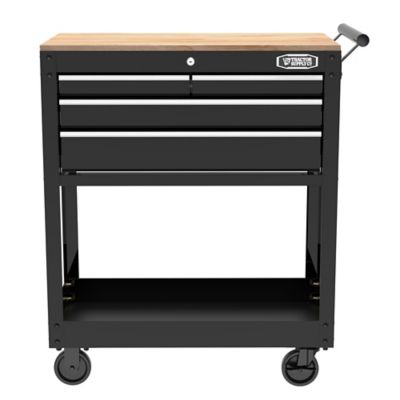
Materials and construction shape how a yard cart handles repeated chores and how much upkeep it needs afterward. Poly beds do not rust, and their one-piece surfaces are handy for hauling loose soil or material that leaves residue behind. Steel beds and frames provide support for demanding loads, while painted or coated finishes help protect exposed metal. Scrapes, chipped coatings, loose fasteners, and worn pivot points are worth catching before they become bigger repairs. After hauling soil, fertilizer, or other materials that leave buildup, cleaning the bed according to the manufacturer’s directions helps keep residue from sitting against its surfaces. A rinse may be suitable for the tub, but wheel bearings, axle assemblies, and other moving parts need care appropriate to their construction. Drying the cart before storage, keeping drain openings clear where fitted, and lubricating specified moving parts help it stay ready for the next job. Dump-bed latches should engage fully, removable sides should seat securely, and tires should be in sound condition before a load goes aboard. Storage fit matters, too: a cart needs a spot where its handle will not become a tripping hazard and its wheels will not block access to tools or equipment. For gardeners tending several beds, a cart can keep transplants, a watering can, and hand tools together instead of scattered along the path. Homeowners handling routine yard cleanup may favor a tub that contains loose debris, while acreage owners may need a bed that accommodates bags of supplies and longer trips between outbuildings. For hauling needs beyond the lawn and garden,
Farm Carts provide another category to explore for work around the property. A cart can also make a practical gift for someone who spends plenty of time tending a garden or keeping a place in shape, especially when its size and handling match the recipient’s everyday chores. The best fit is a cart that carries the intended load, travels the regular route, and is manageable to unload and put away when the work is done.