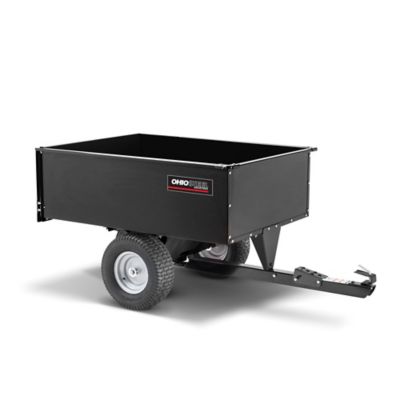
Towing carts are tow-behind utility carts that attach to compatible lawn tractors, riding mowers, ATVs, or UTVs to move materials around a yard, garden, or acreage. They put the pulling power of existing equipment to work, helping carry loads that would take several trips with a wheelbarrow. Soil for a raised bed, mulch for a fence line, gravel for a path, and fallen branches headed to a brush pile all call for a little hauling help. Around a small farm, a cart can also carry bagged feed, fencing supplies, hand tools, or firewood between work areas. The right fit depends on both the material and the route: a narrow garden gate calls for different dimensions than an open stretch between a barn and a woodpile. Load capacity is generally expressed in pounds, while bed volume is expressed in cubic feet. Those measurements describe different limits. A bed piled with loose leaves can fill its available space without approaching its weight rating, while a much smaller load of gravel can reach that rating quickly. Both limits matter, along with the towing equipment’s capacity and the cart manufacturer’s operating requirements. Bed length and width also affect how well awkward cargo settles into place. Long-handled tools need room to lie securely, and bagged materials benefit from a bed that supports them without excessive overhang. For gardeners, acreage owners, grounds crews, and folks tending livestock, a towing cart serves as a rolling work platform for the supplies that need to travel together. Keeping a shovel, rake, and load of material in one place cuts down on trips back to the shed. A cart sized for everyday chores can be more practical than one chosen only for the biggest job on the property, especially where tight turns, limited storage space, or narrow lanes are part of the routine. Ground clearance matters, too, particularly where a route crosses shallow ruts or raised edges.
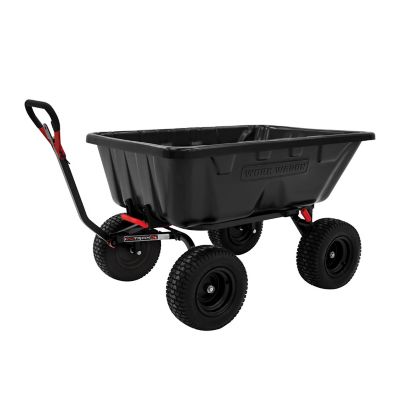
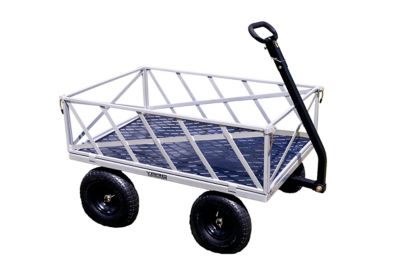
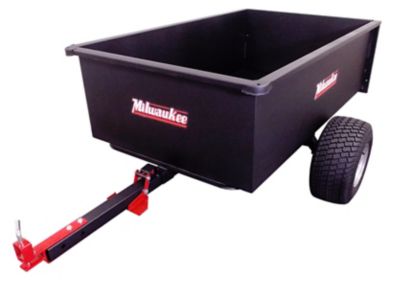
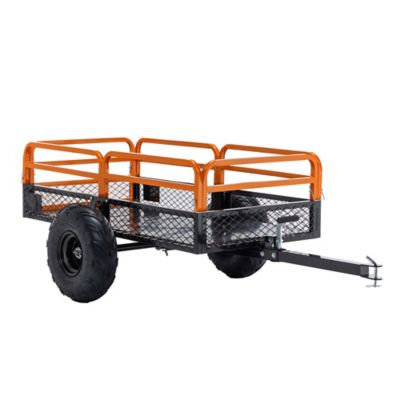
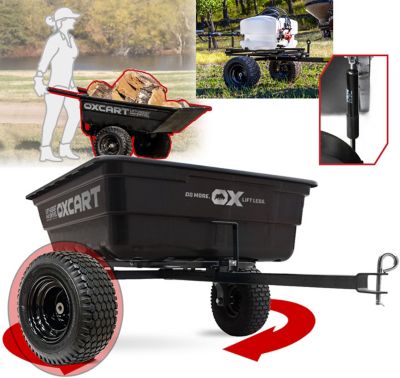
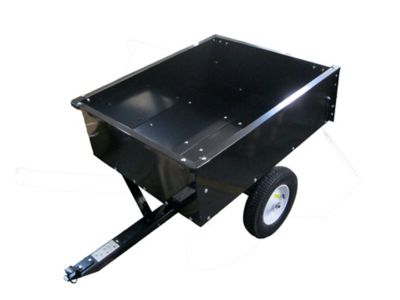
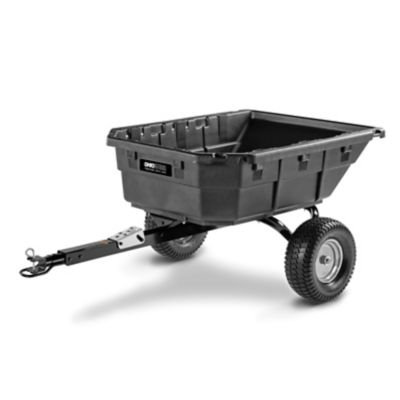
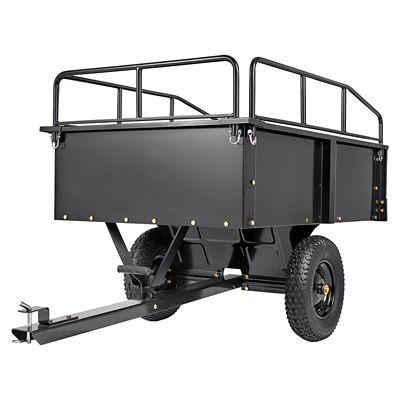
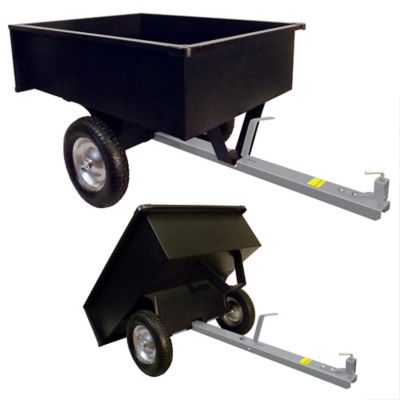
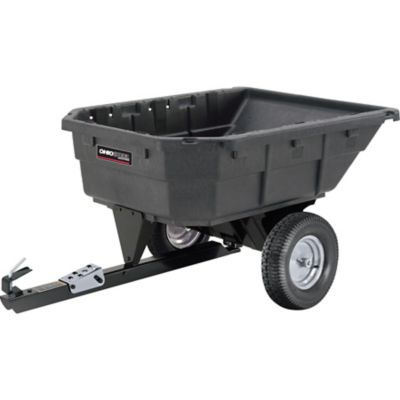
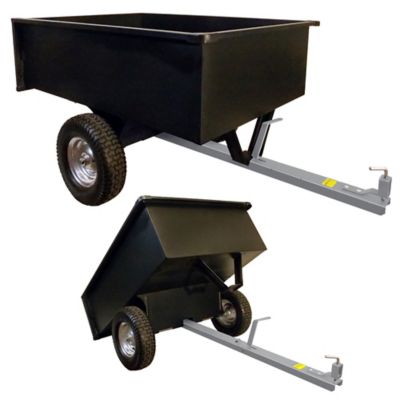
Bed construction makes a noticeable difference in how towing carts handle different chores. Steel beds offer a firm surface for hauling tools, split wood, and other substantial cargo, though painted or powder-coated surfaces still need attention when scratches expose bare metal. Molded polyethylene beds resist rust and provide a smooth interior that can make cleanup easier after moving soil or mulch. Mesh beds let small debris fall through and provide places to secure certain loads, but loose sand and fine soil need containment appropriate to the cart. Frame construction, axle design, and bed supports matter just as much as the bed material when considering service life. A cart that repeatedly carries dense material puts different demands on those components than one hauling leaves and empty buckets. Dump carts add a tilting bed to help unload loose material without lifting every shovelful over the side. Depending on the design, a release lever, latch, or foot-operated mechanism frees the bed to pivot. The dump angle, bed shape, and tailgate arrangement affect how readily a load slides out; damp soil and tangled roots may still need a shovel to loosen them. Removable tailgates can open a path for unloading, while removable sides can make larger cargo easier to position when that use is permitted. Wheel and tire design also influence the ride. Pneumatic tires provide cushioning over uneven ground but require pressure checks and can puncture. Flat-free tires avoid air-pressure maintenance, though ride feel and load limits vary by construction. Wider tires may help spread weight over soft ground, while larger wheel diameters can roll over small surface irregularities more readily than smaller ones. Actual handling still depends on the full cart design, the load, and the ground beneath it. Wheel bearings, accessible grease fittings where supplied, and replaceable wear parts are worth considering for equipment that will spend plenty of time moving between the shed and the work area. Clearance around the wheels also deserves attention when hauling leafy debris that could collect near moving parts.
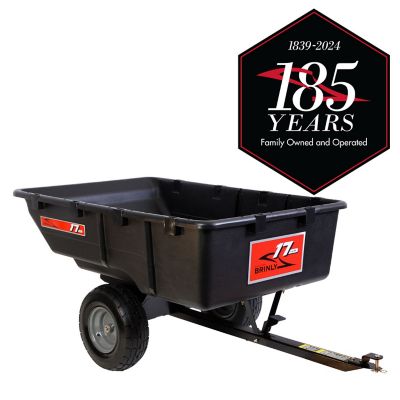
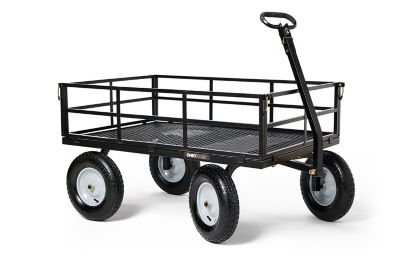
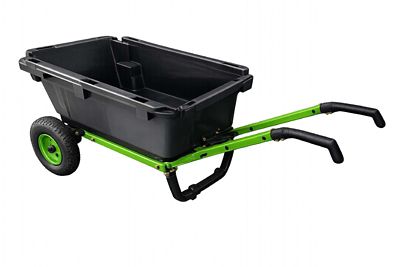
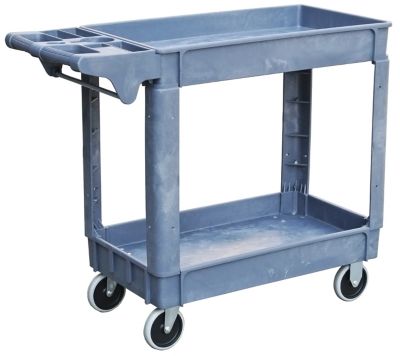
A towing cart needs to match the machine pulling it, not just the job waiting at the other end of the property. Hitch style, pin size, connection height, and the tow vehicle’s approved attachment points all affect compatibility. A pin-style cart connection is not interchangeable with a ball coupler unless the equipment manufacturers approve the arrangement, and extra hitch hardware does not increase a machine’s towing limit. Overall width and turning space deserve attention, too: the cart follows a different path through a turn, which matters beside fence posts, tree trunks, and garden beds. Some designs offer a handle that switches between hand-pulling and towing, giving smaller loads another way to reach spots where powered equipment cannot travel. For hauling that stays on foot,
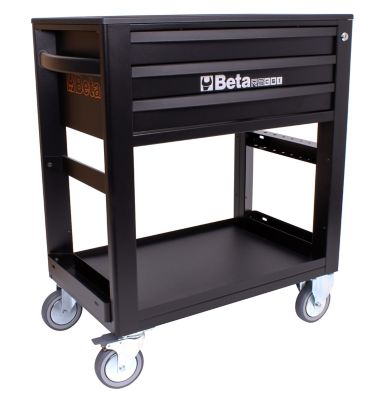
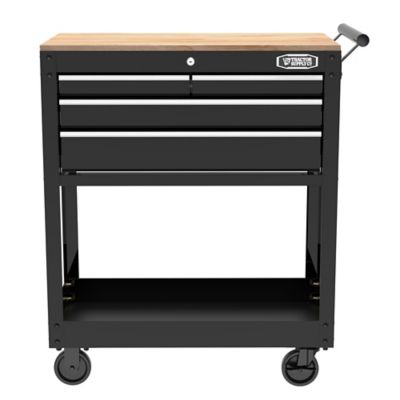
Portable Carts offer another option for moving supplies around a property. With any tow-behind cart, safe handling starts with the manufacturer’s load, speed, and slope limits. Cargo belongs low and evenly distributed within the bed, with suitable restraints for anything that could shift or bounce out. Heavy loads affect steering and stopping, and towing across a slope can create rollover hazards. Utility carts are for cargo rather than passengers unless expressly designed and rated otherwise. Routine care helps keep the hauling setup ready for the next chore. Loose material left around hinges and latches can interfere with movement, while fertilizer residue and manure should be removed promptly according to the manufacturer’s cleaning directions. Tire pressure, wheel fasteners, hitch pins, retainers, and dump-bed latches need regular attention. Lubrication points should receive the specified lubricant at the recommended intervals, and damaged parts need replacement before another load goes aboard. A level storage spot with the bed empty and the cart secured against rolling keeps the setup orderly between jobs. From hauling compost to a garden to moving repair supplies along a fence, a well-matched towing cart helps keep the work moving without making every trip a heavy lift.