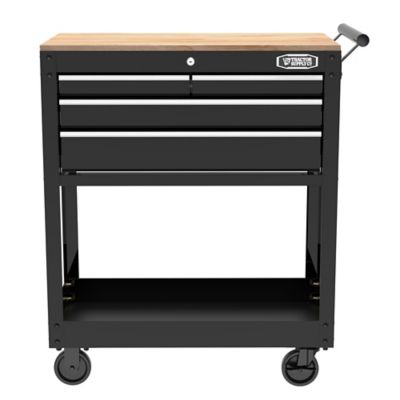
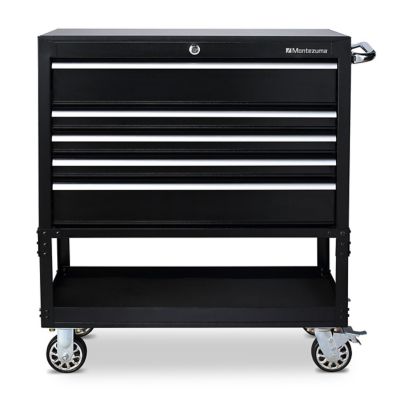
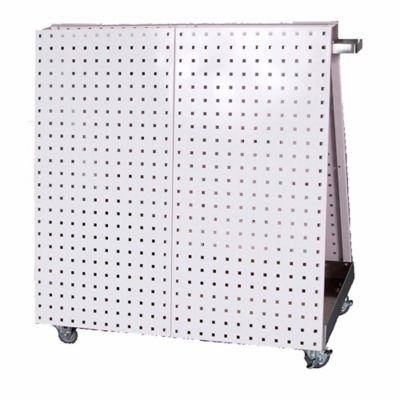
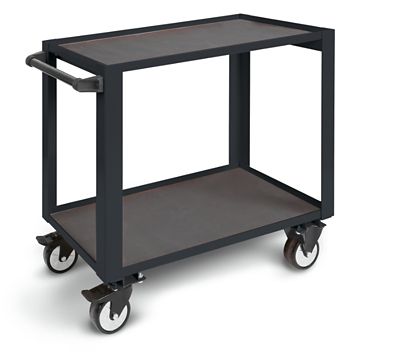
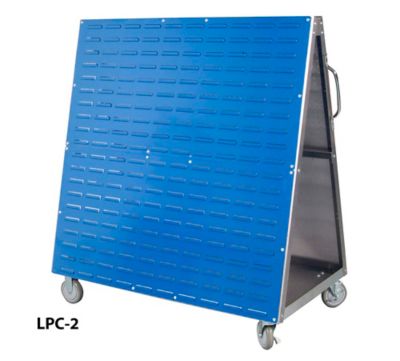
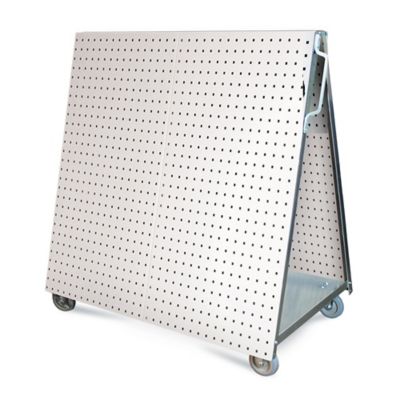
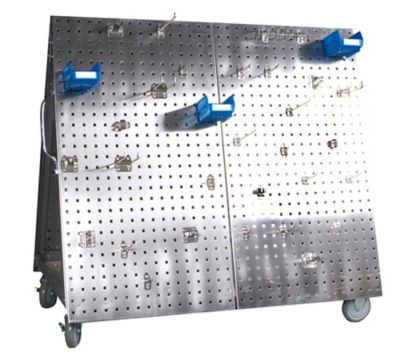
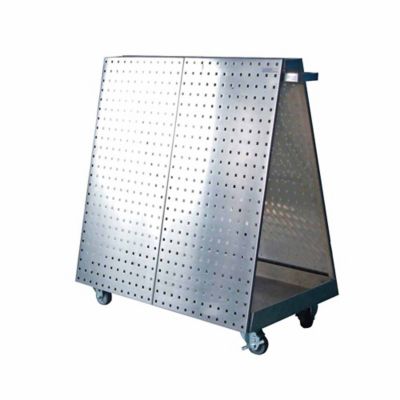
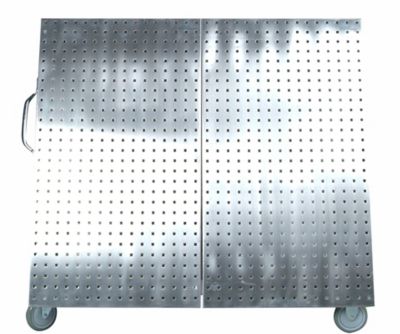
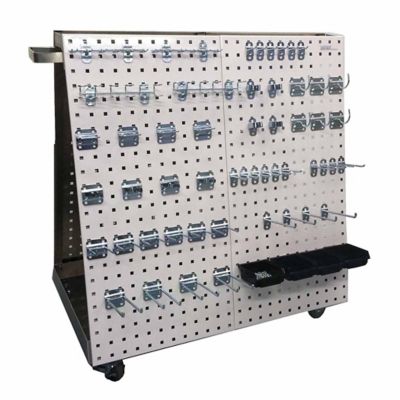
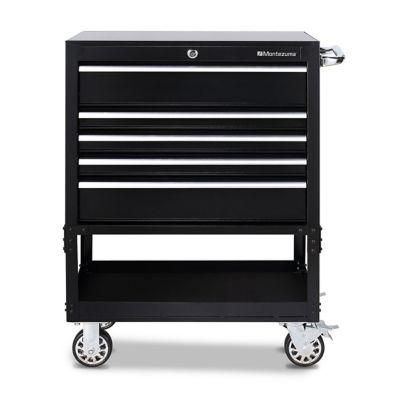
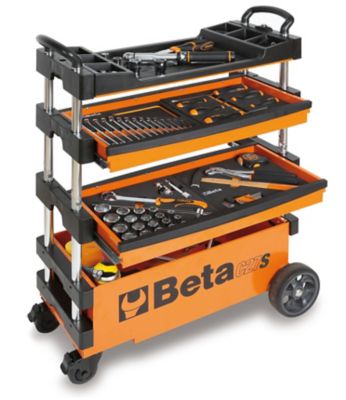
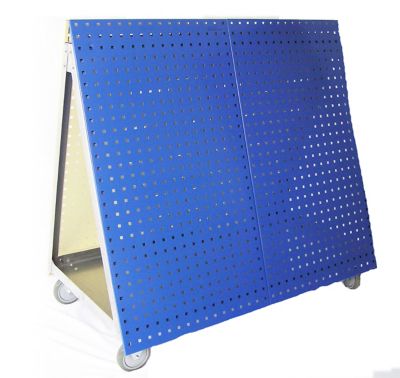
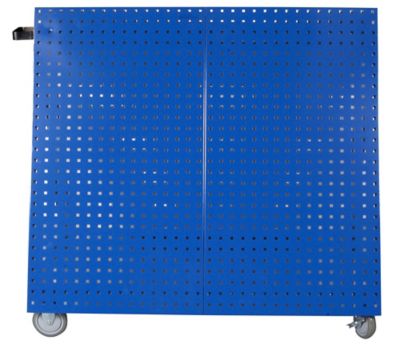
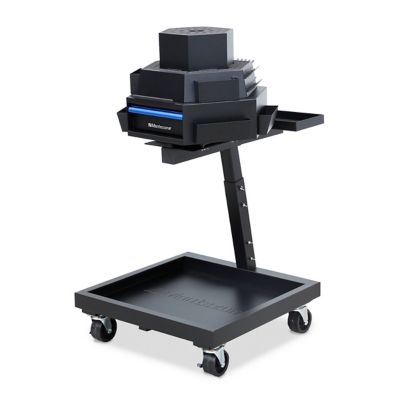
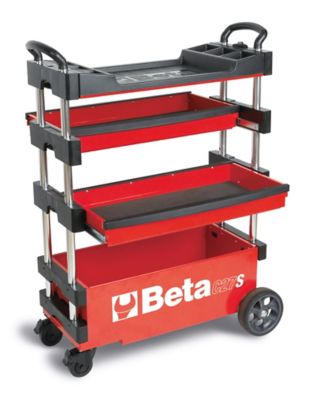
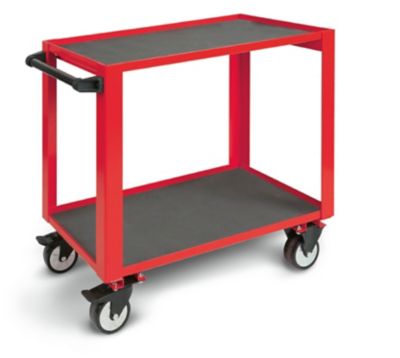
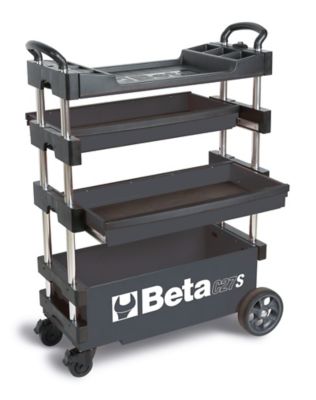
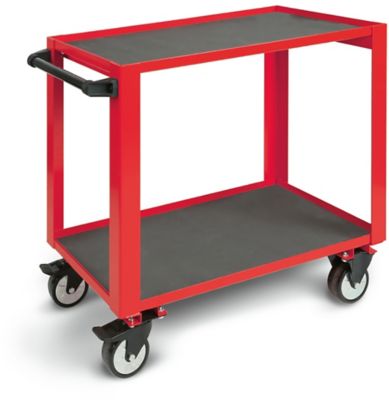
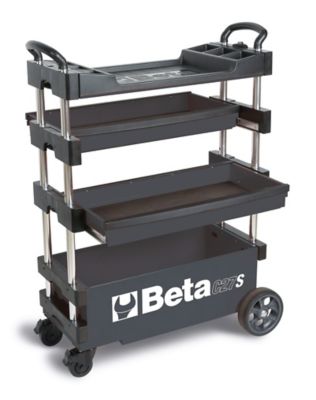
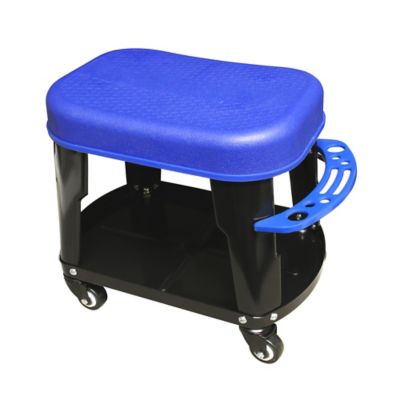
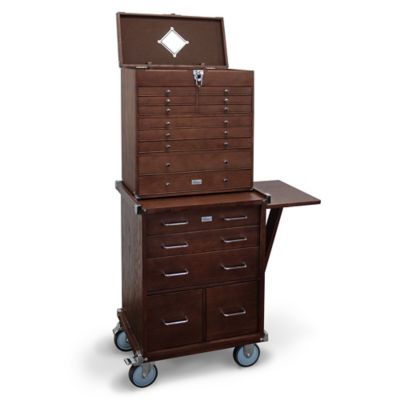
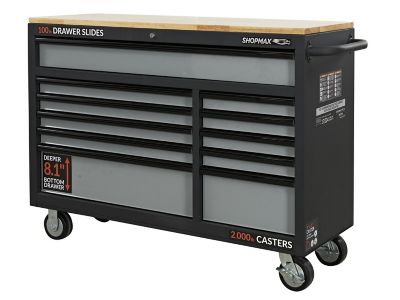
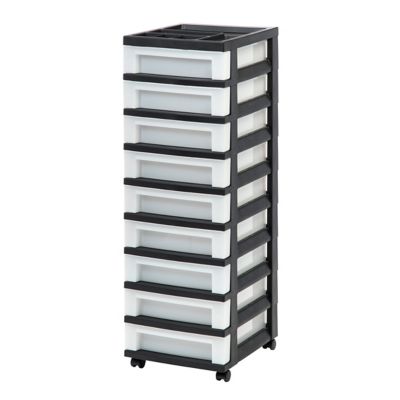
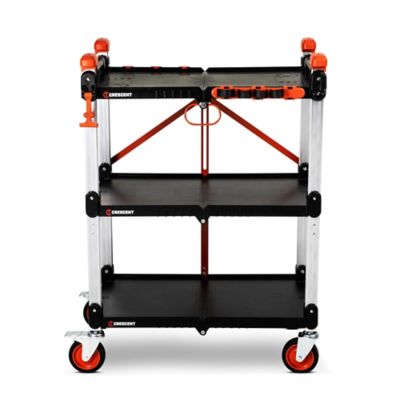
Tool carts keep the tools for a job close at hand, whether that job is tightening hardware on a tractor, servicing a mower or working through a repair at the garage bench. Instead of making another trip across the shop for a socket or pair of pliers, a rolling cart brings a working set of tools alongside the equipment. That makes it a practical addition for mechanics, farmers, maintenance crews and anyone who spends time fixing things around the property. The right layout depends on what needs a home. Open shelves leave larger tools and storage cases easy to reach, while drawers help separate smaller pieces that otherwise disappear beneath everything else. A combination of drawers and shelves can give hand tools their own spots without crowding out a drill case or other larger gear. A raised edge around the top can help contain loose hardware, though a small tray is still handy for keeping nuts and washers together during a repair. Materials and construction matter when a cart is expected to carry more than a few light tools. Steel frames and cabinets bring weight and support, while painted or powder-coated surfaces help protect the metal when the finish stays intact. Shelf supports, frame joints and drawer slides all contribute to how the cart handles a load. Check the stated weight limits for the whole cart as well as individual shelves or drawers; those limits are not always the same. Fit matters just as much as storage space. A cart needs room to roll through doorways, turn around a bench and sit beside equipment without blocking the walkway. Measure the space with handles and open drawers in mind, not just the cabinet itself. A top that sits at a comfortable height can keep frequently reached tools close without requiring constant bending. For a tight garage or a barn repair area shared with other equipment, a compact footprint may be more useful than extra storage that makes the aisle hard to navigate.
How a tool cart rolls has a lot to do with how pleasant it is to work around. Casters should suit both the expected load and the floor beneath them. Larger wheels generally handle small floor joints and minor surface changes more easily than smaller wheels, but a shop cart still belongs on surfaces appropriate for its design. Wheel material also affects movement, noise and floor contact. Rubber or polyurethane treads can offer a different feel from hard wheels, so consider whether the cart will travel over smooth concrete, finished flooring or another suitable surface. Swiveling casters help with turns around benches and equipment, while the caster arrangement affects how the cart tracks along a straight path. Brakes help hold it in place during work; some stop wheel rotation, while others also lock the swivel. Set the brakes before opening drawers or working from the top, and follow the cart’s instructions for safe placement and loading. Heavy tools belong low and spread evenly rather than piled on one side. Pulling several loaded drawers open at once can shift the balance, so open only what the design permits. A cart is not a step stool, and its top should not take the place of a workbench or vise mount unless it is designed for that purpose. For everyday organization, group tools around the jobs they handle. Sockets and extensions can stay together, pliers can have a separate drawer, and measuring tools can stay clear of loose fasteners. Drawer liners help limit sliding and soften contact with the drawer bottom. Dividers and small trays make it easier to spot a missing piece before the cart moves to the next job. Leave a little working room on top rather than filling every inch with storage. When a mower repair leaves several bolts and brackets waiting to go back on, that clear space earns its keep. Keep the travel path free of cords, hoses and loose parts, and move the cart by its handle rather than tugging on an open drawer.
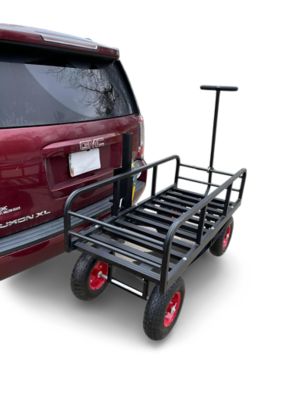
A tool cart earns its place over time through sensible care as much as its layout. Metal filings, grit and oily residue can collect in corners, drawer tracks and around the wheels, so regular cleanup helps moving parts stay clear. Empty trays often enough to remove loose debris, wipe spills promptly and choose cleaning products that are compatible with the cart’s finish and liners. Dry damp surfaces before putting tools back, especially inside drawers where moisture can linger out of sight. Scratches that expose bare metal deserve attention according to the manufacturer’s care directions, rather than being left to spread into a larger problem. Look over caster mounts, handles, shelf fasteners and drawer hardware periodically, particularly on a cart that rolls often or carries a substantial load. Hair, string and other debris wrapped around an axle can make a wheel drag, and a loose mounting bolt can change how the cart feels when pushed. Lubricate moving parts only where directed, keeping lubricant away from brake contact surfaces. These small habits help a cart stay ready for the next repair without turning upkeep into another big chore. Intended use should shape the final choice, too. Someone handling quick adjustments may want an open layout that keeps a few tools in plain sight, while a mechanic with a larger collection may appreciate drawers and a lockable cabinet. Locks can help manage access, but they do not replace sensible storage practices. A cart shared by several people benefits from clearly arranged compartments and a consistent place for each tool. For moving supplies rather than organizing repair tools,
Cargo Carts offer another category to consider, with the choice depending on the load and travel route. A tool cart can also make a practical gift for a handy family member or a friend setting up a workshop, provided its size and layout suit the space. The best fit is a cart that keeps tools easy to find, leaves room to work and moves comfortably where repairs actually happen.