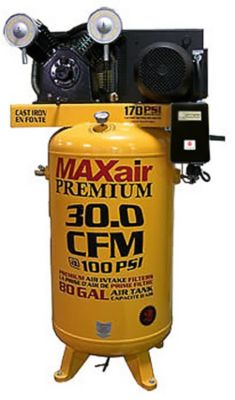
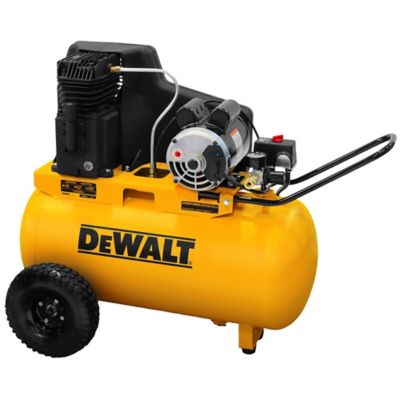
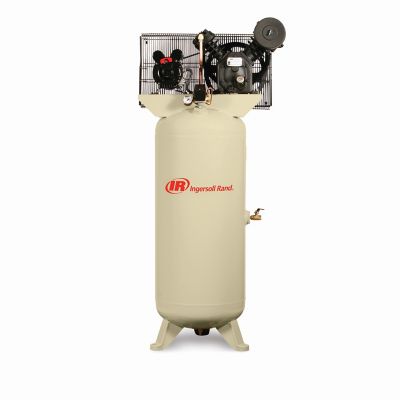
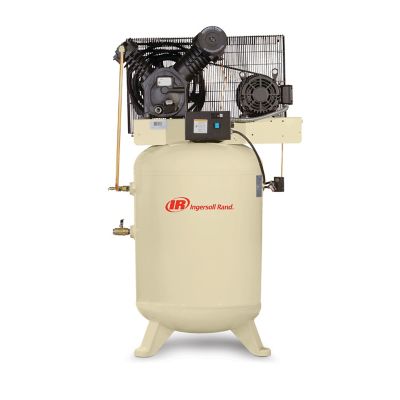
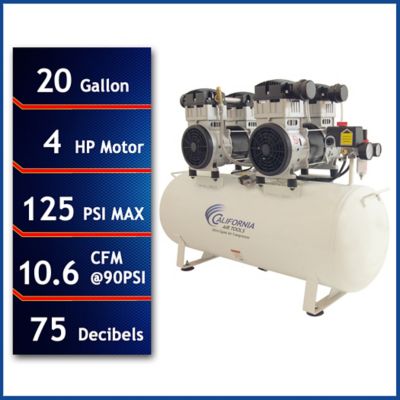
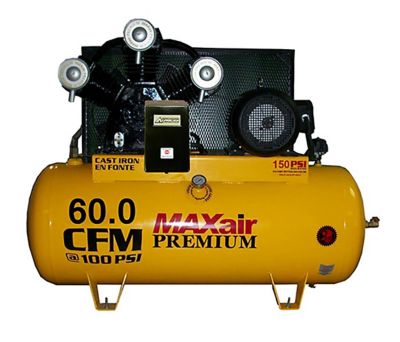
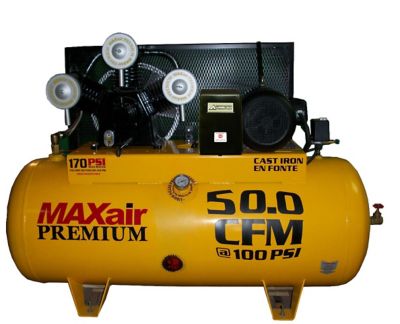
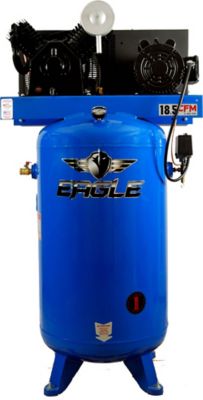
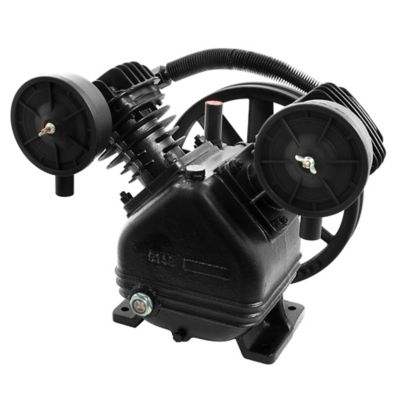
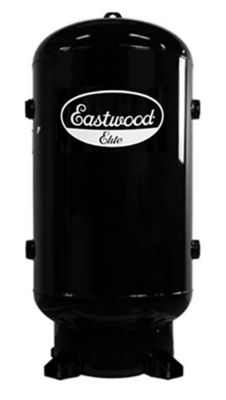
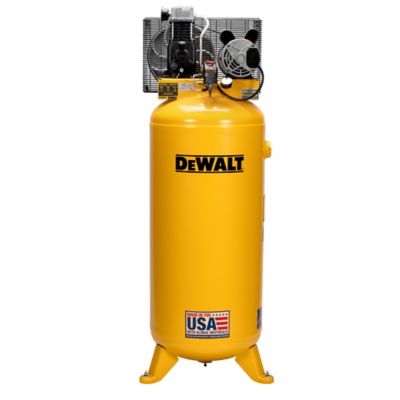
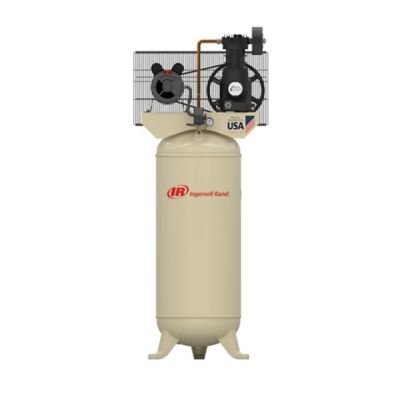
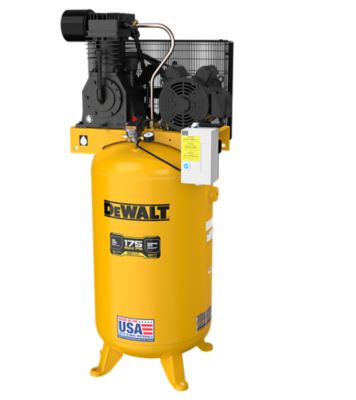
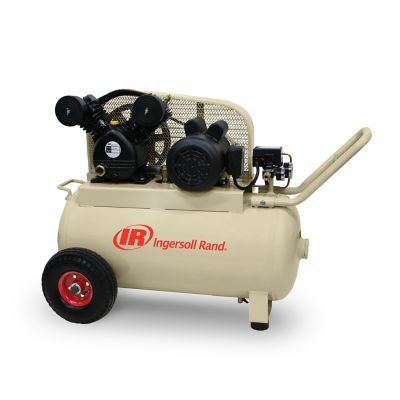
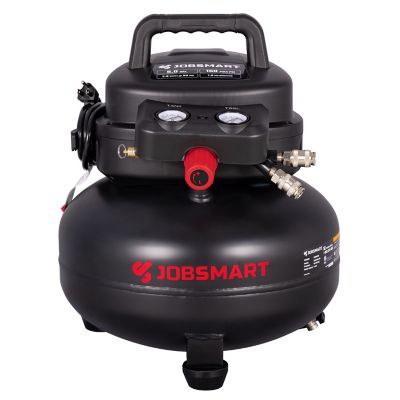
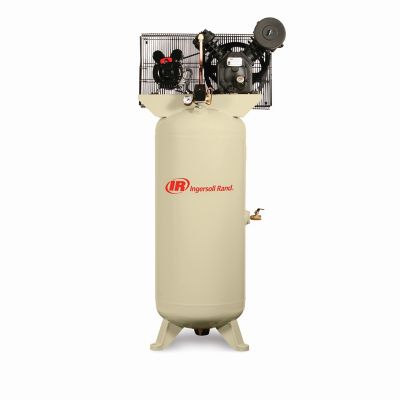
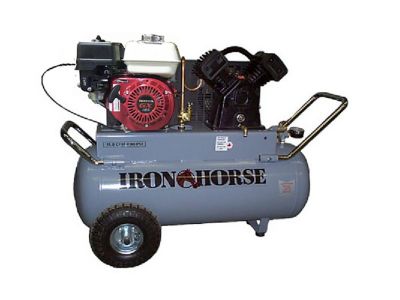
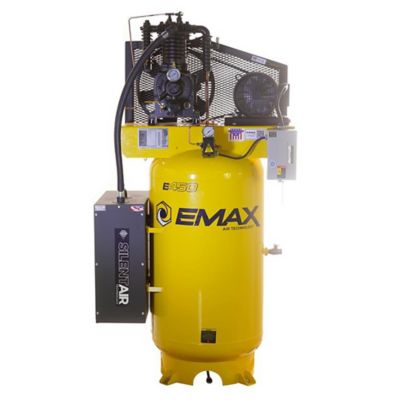
Workshop air compressors turn electrical or engine power into stored compressed air for pneumatic tools, tire inflation and other jobs around the garage, barn and repair shop. Their usefulness stretches from fastening trim on a workbench project to powering an impact wrench during equipment maintenance. For a farm shop, home garage or woodworking space, the best fit comes down to the tools connected to the compressor and how long those tools need air. Airflow is measured in cubic feet per minute, or CFM, while pressure is measured in pounds per square inch, or PSI. Standard cubic feet per minute, or SCFM, expresses airflow under standardized reference conditions. Comparing compressor output at the same stated pressure gives a more meaningful picture than looking at maximum PSI alone. A pneumatic tool that calls for a certain airflow at 90 PSI needs a compressor that can supply that volume at that pressure, with room for the demands of the job. Nailers typically take short bursts of air, while sanders, grinders and paint sprayers can draw air steadily. That difference matters when a quick repair turns into an afternoon at the bench. Tank capacity, measured in gallons, determines how much air the receiver holds; it does not increase the pump’s airflow output. Smaller tanks in the 5- to 10-gallon range can suit intermittent fastening and inflation, while stationary tanks of 60 gallons or more provide a larger air reserve for shop work. A larger receiver can support longer bursts before pressure falls, but the pump still needs enough capacity to keep up. Duty cycle also matters: it describes how much a compressor can run within a specified period under the manufacturer’s stated conditions. Together, airflow, operating pressure, tank capacity and duty cycle help separate compressors meant for occasional tasks from equipment intended for repeated demands throughout a working day. When more than one person will run air tools at once, their combined air requirements become part of that match.
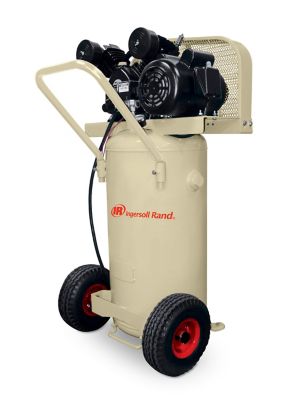
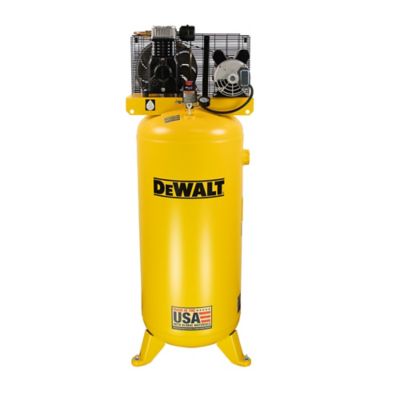
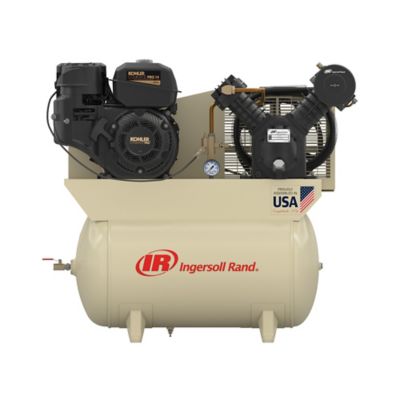
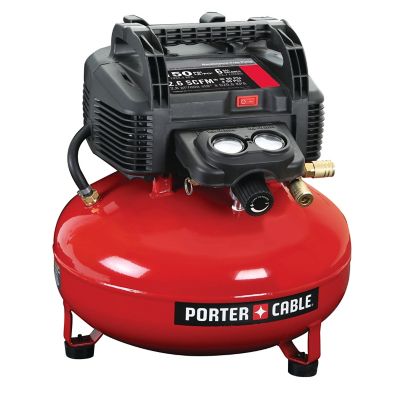
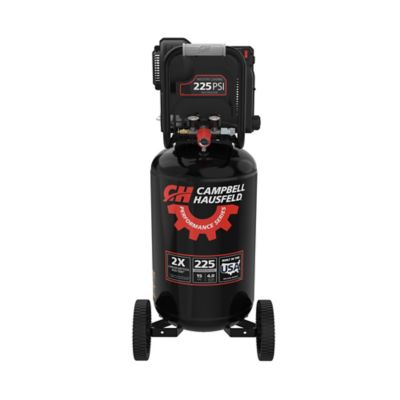
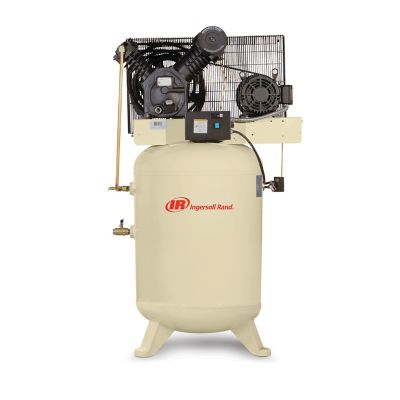
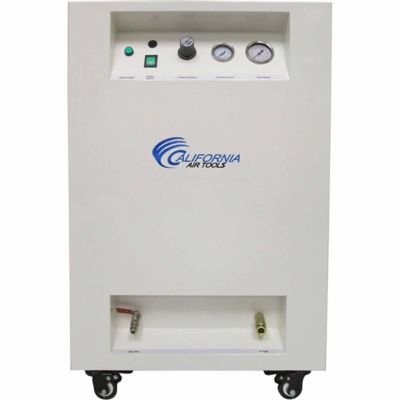
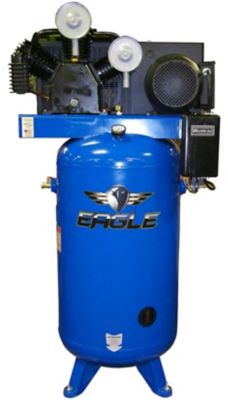
The physical fit of a workshop air compressor matters nearly as much as its output. Portable designs with handles and wheels make sense where the air supply moves between a workbench, a mower parked by the door and a trailer needing attention. Stationary compressors suit a dedicated work area with room for a permanent installation and planned hose routing. Vertical tanks take up less floor area than many horizontal layouts, although overall height and overhead clearance still count. Horizontal designs may fit a different corner or equipment arrangement, depending on their dimensions and service access. For smaller workspaces and lighter jobs,
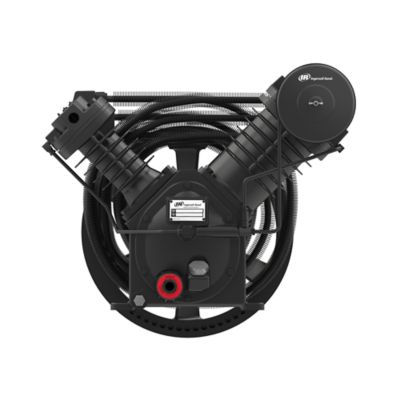
Compact Air Compressors offer another format to consider alongside larger shop equipment. Tank construction, pump materials, frame design and wheel construction all play a part in handling everyday shop demands. Steel air receivers are common, while pump designs may incorporate cast iron or aluminum components; material alone does not establish a compressor’s suitability for extended operation. Oil-lubricated pumps require lubrication checks and scheduled oil changes, while oil-free pumps remove those particular chores without eliminating routine maintenance. Single-stage and two-stage designs describe how air is compressed, not simply how many cylinders are visible. Two-stage pumps compress air in successive steps and are often associated with higher-pressure shop applications, but the rated output remains the better measure of tool compatibility. Power requirements deserve equal attention. Some smaller electric compressors run on a suitable 120-volt circuit, while larger stationary equipment may require 240-volt service, a dedicated circuit and professional installation. Motor starting requirements and the manufacturer’s electrical specifications matter more than whether a plug appears to fit. Sound ratings, listed in decibels, help compare operating noise when measurement conditions are comparable. Lower sound levels can make conversation easier in a shared workspace, though hearing protection may still be necessary. Access for draining the tank, checking the pump, cleaning intake filters and reaching controls makes a difference long after the compressor is in place.
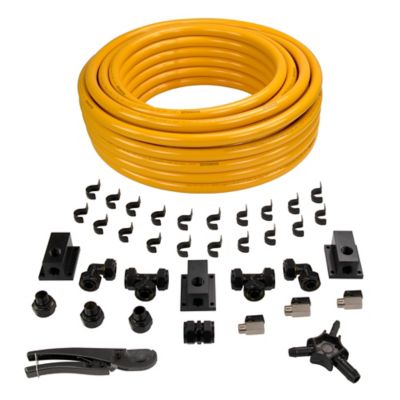
A useful shop air system includes more than a tank and motor. Air hoses, fittings, couplers and regulators need pressure ratings and dimensions suited to the compressor and connected tools. A long, narrow hose can restrict airflow and leave an air-hungry tool struggling even when the compressor itself has enough capacity. Hose routing also affects everyday work: a clear path around the bench is easier to manage than a line stretched across the walking space beside a tractor. Regulators control delivery pressure, while gauges show tank or outlet pressure according to the system’s layout. Moisture separators and other filtration components help manage contaminants in the air supply, with the right arrangement depending on the application. Spraying a finish calls for particular attention to moisture and oil carryover; an impact wrench may instead require tool lubrication as specified by its manufacturer. Those needs are different enough that a shared air line deserves some thought before switching tasks. Compressed air naturally produces condensation, so receiver drainage is an important part of tank care. Manual and automatic drain arrangements address that task differently, but neither takes the place of inspection and the maintenance schedule. Clean intake filters, sound connections and attention to leaks help the system work without unnecessary cycling. The receiver should remain free of unauthorized alterations, and a tank showing concerning corrosion or damage needs qualified evaluation rather than a patch. Electric compressors need the clearance and ventilation specified for their installation; engine-driven equipment must operate outdoors, away from doors, windows and vents because of exhaust hazards. For the person keeping utility trailers rolling, repairing fences with pneumatic fastening tools or maintaining equipment between chores, these details translate into a setup that suits the work instead of interrupting it. A modest compressor can be a good match for topping off tires and driving occasional fasteners, while repeated sanding or simultaneous tool operation calls for substantially more delivered air. Matching the equipment to those real tasks leaves room for a practical workshop arrangement, whether the space holds one workbench or several repair bays.